Überschwemmte Wümmewiesen — History & Analysis
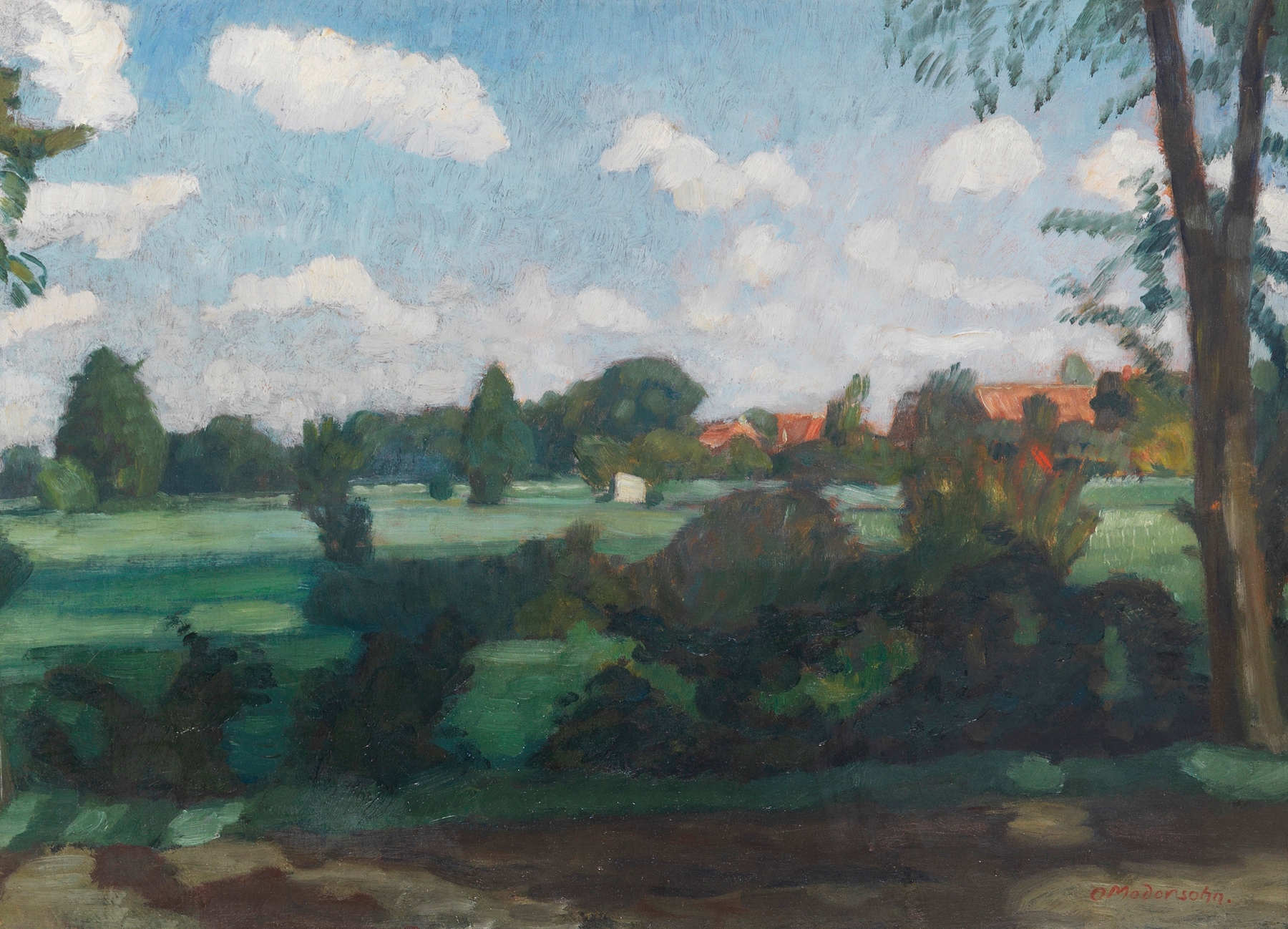
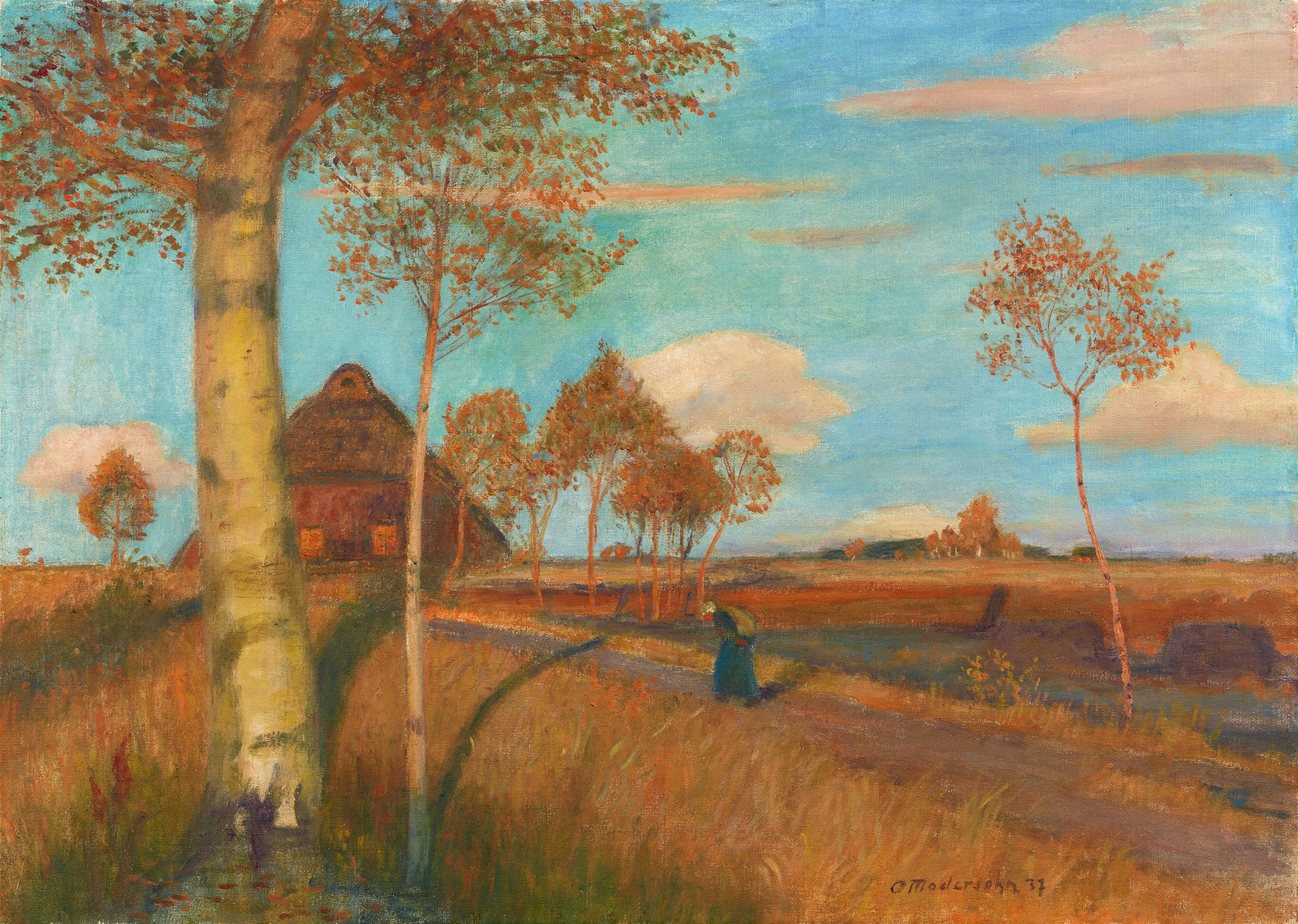
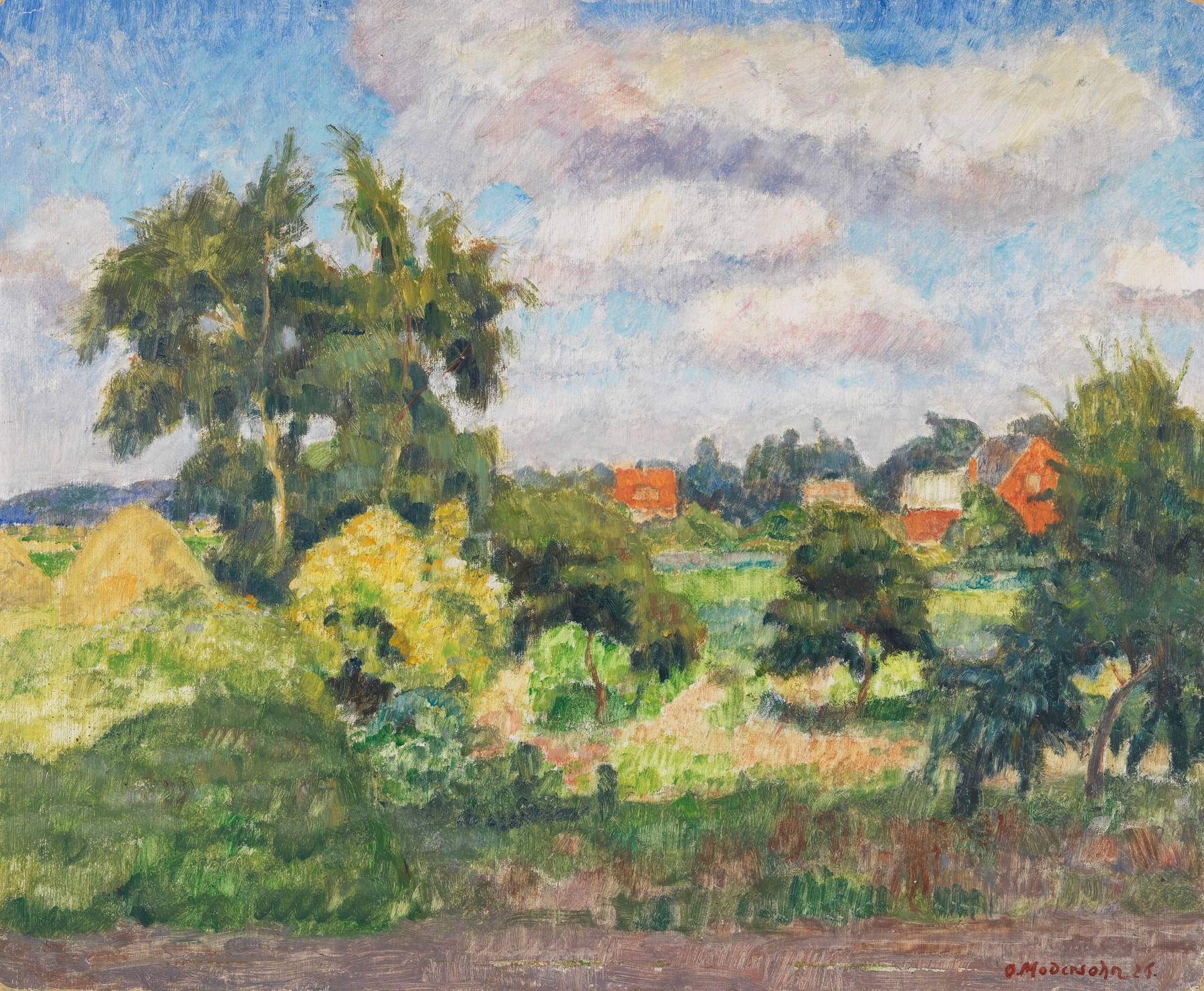
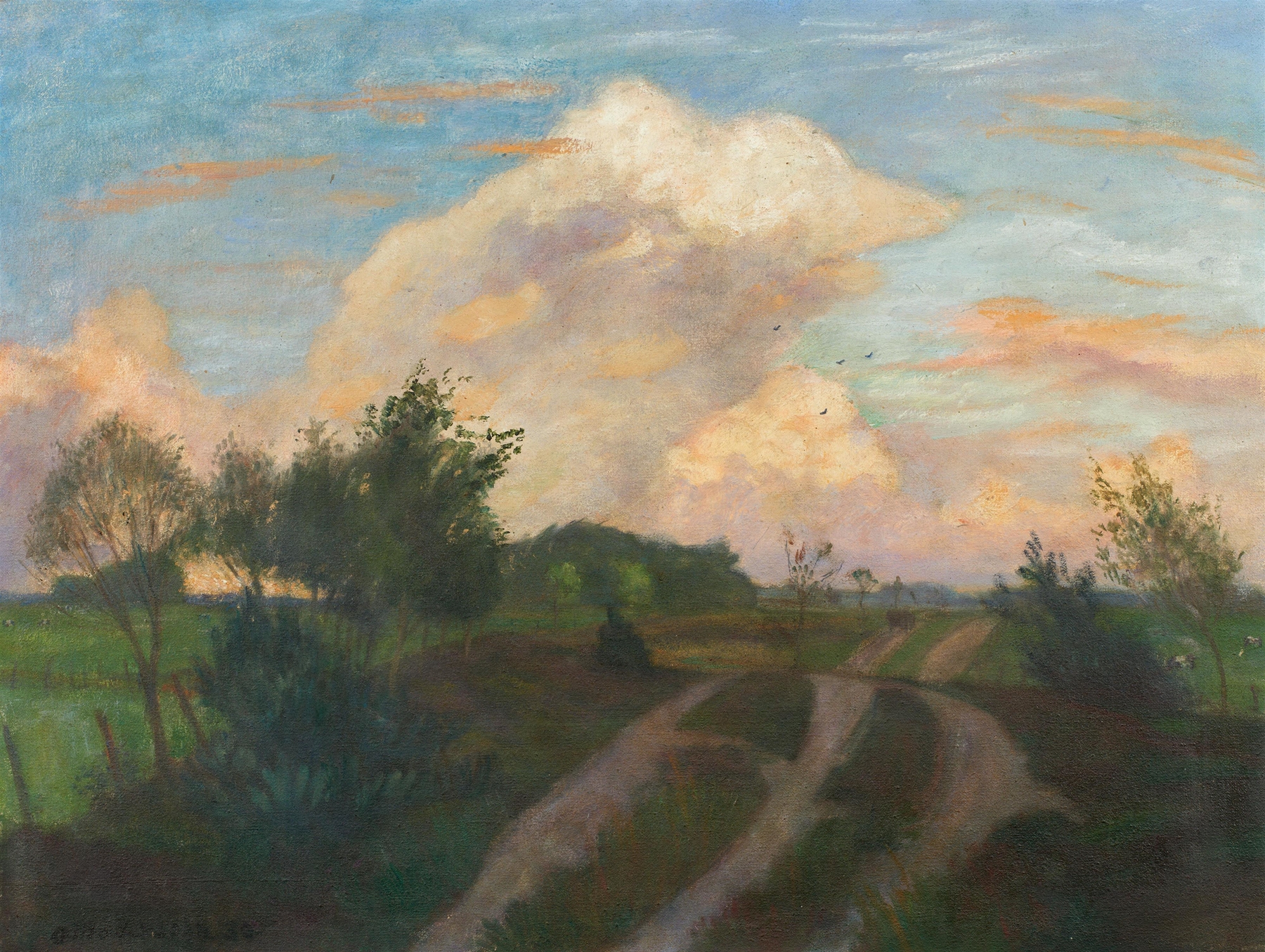
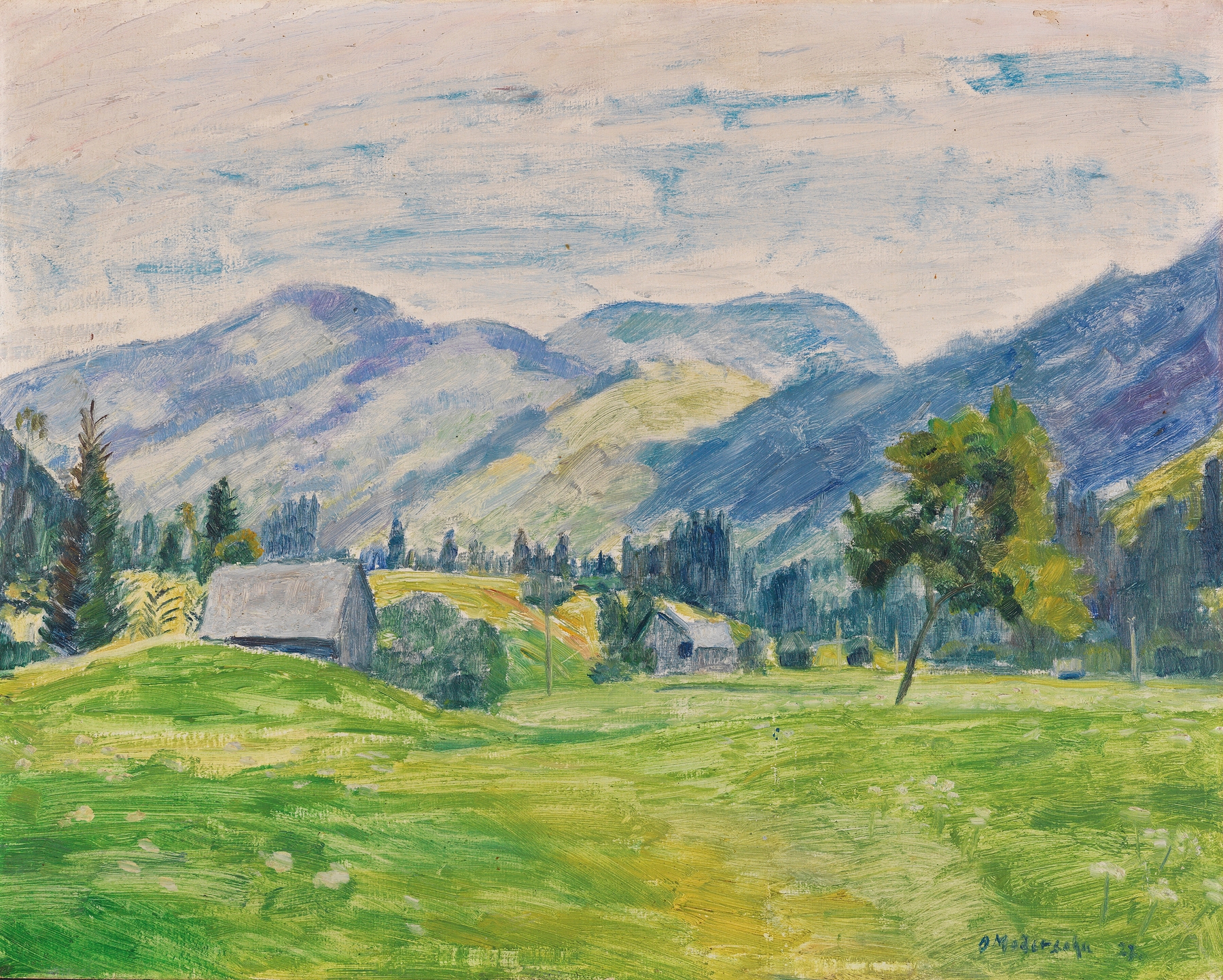
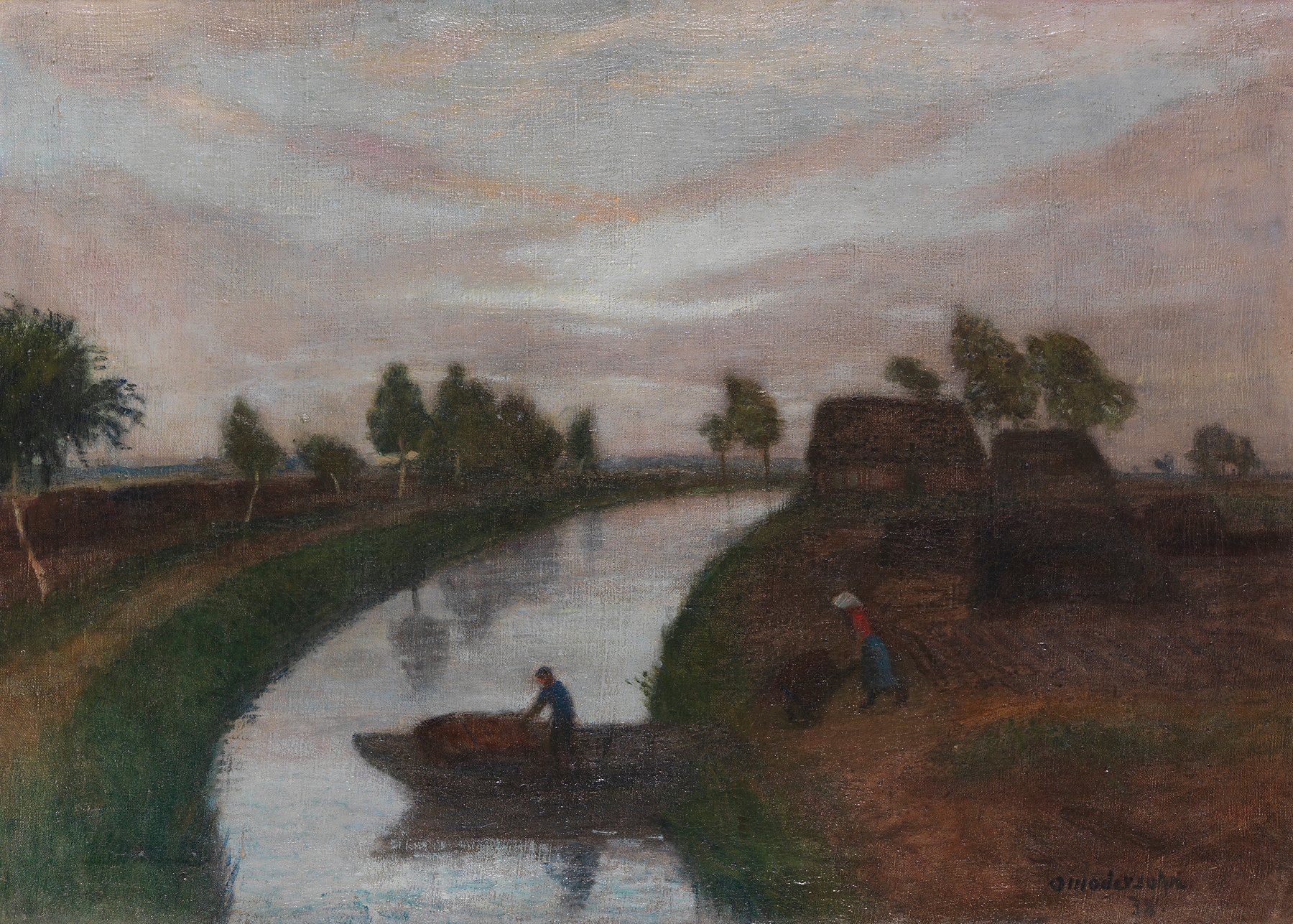
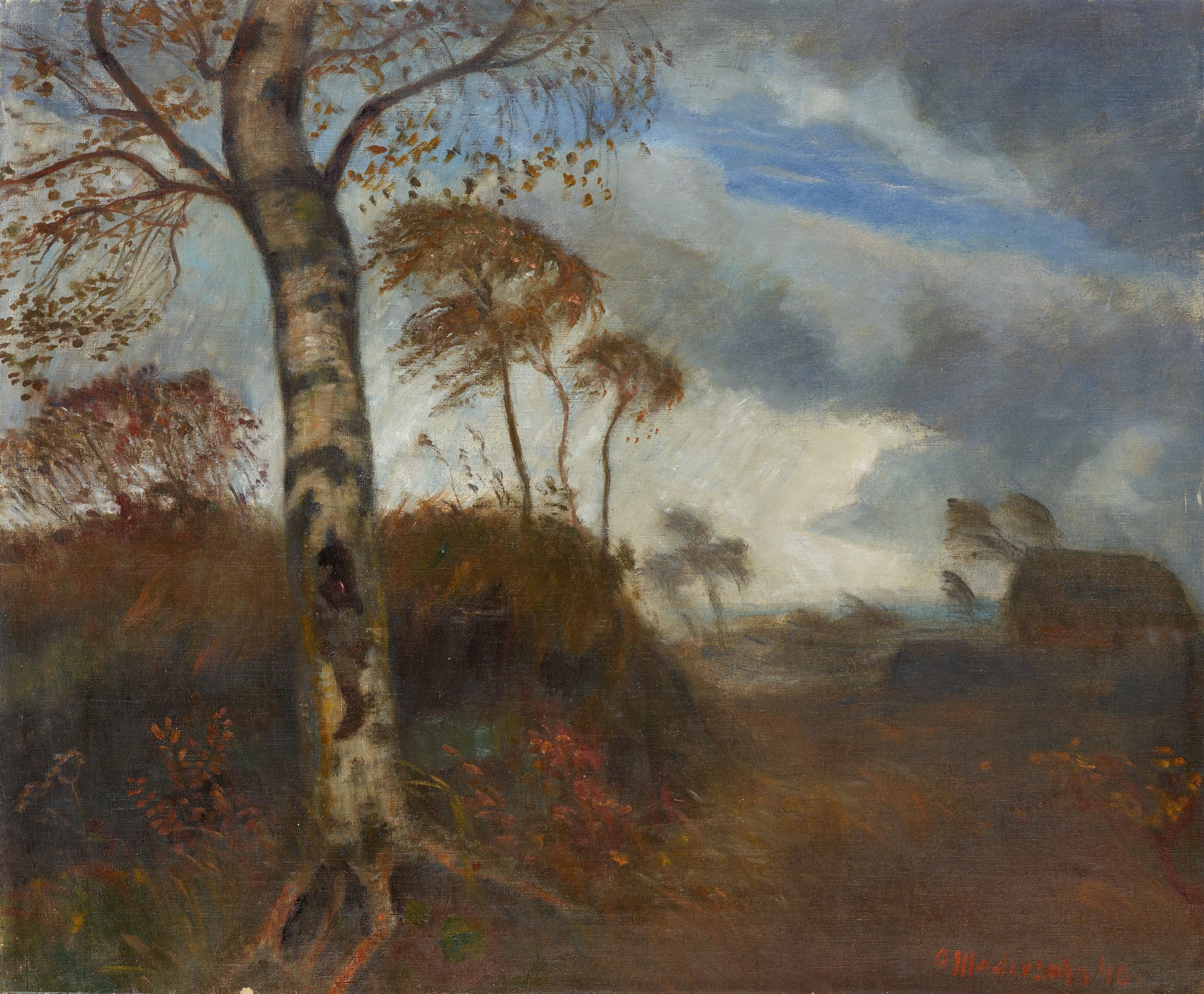
Where does light end, and longing begin? In Otto Modersohn's Überschwemmte Wümmewiesen, silence blankets the landscape, inviting contemplation and introspection. Look to the left at the gentle curve of the flooded meadows, where muted greens and soft blues blend seamlessly into one another. The horizon, kissed by pale sunlight, creates a shimmering effect across the water's surface.
Notice how the brushstrokes vary; some are bold and textured, while others fade softly, mirroring the stillness of the flooded fields. This interplay of light and shadow emphasizes the tranquility of the scene, anchoring the viewer in a moment that feels both serene and melancholic. Delve deeper into the emotional undercurrents of the painting. The expansive sky looms overhead, hinting at an approaching storm, while the flooded landscape reflects the weight of unspoken thoughts.
The quiet water, though beautiful, suggests a sense of loss—perhaps the remnants of a vibrant life submerged beneath the surface. This contrast between the calmness of nature and the looming tension of change creates a poignant narrative that resonates long after one leaves the canvas. In 1924, while creating this artwork in his studio in Worpswede, Modersohn was influenced by the broader movements of German expressionism and the post-war re-evaluation of landscape painting. The aftermath of World War I permeated the artistic environment, leading many artists, including Modersohn, to explore themes of nature and introspection, finding solace in the quiet beauty that surrounded them.