Herbstwetter — History & Analysis
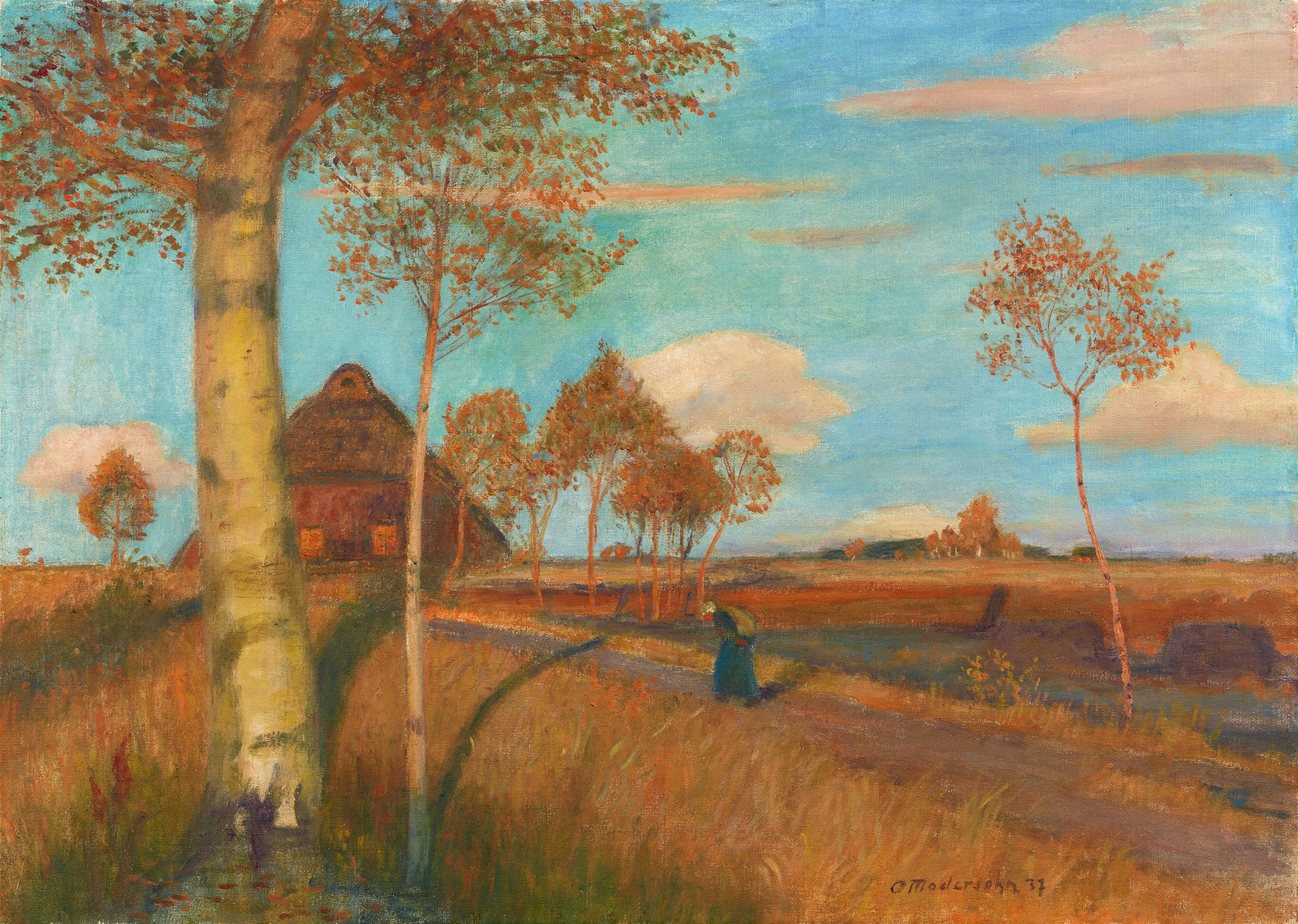
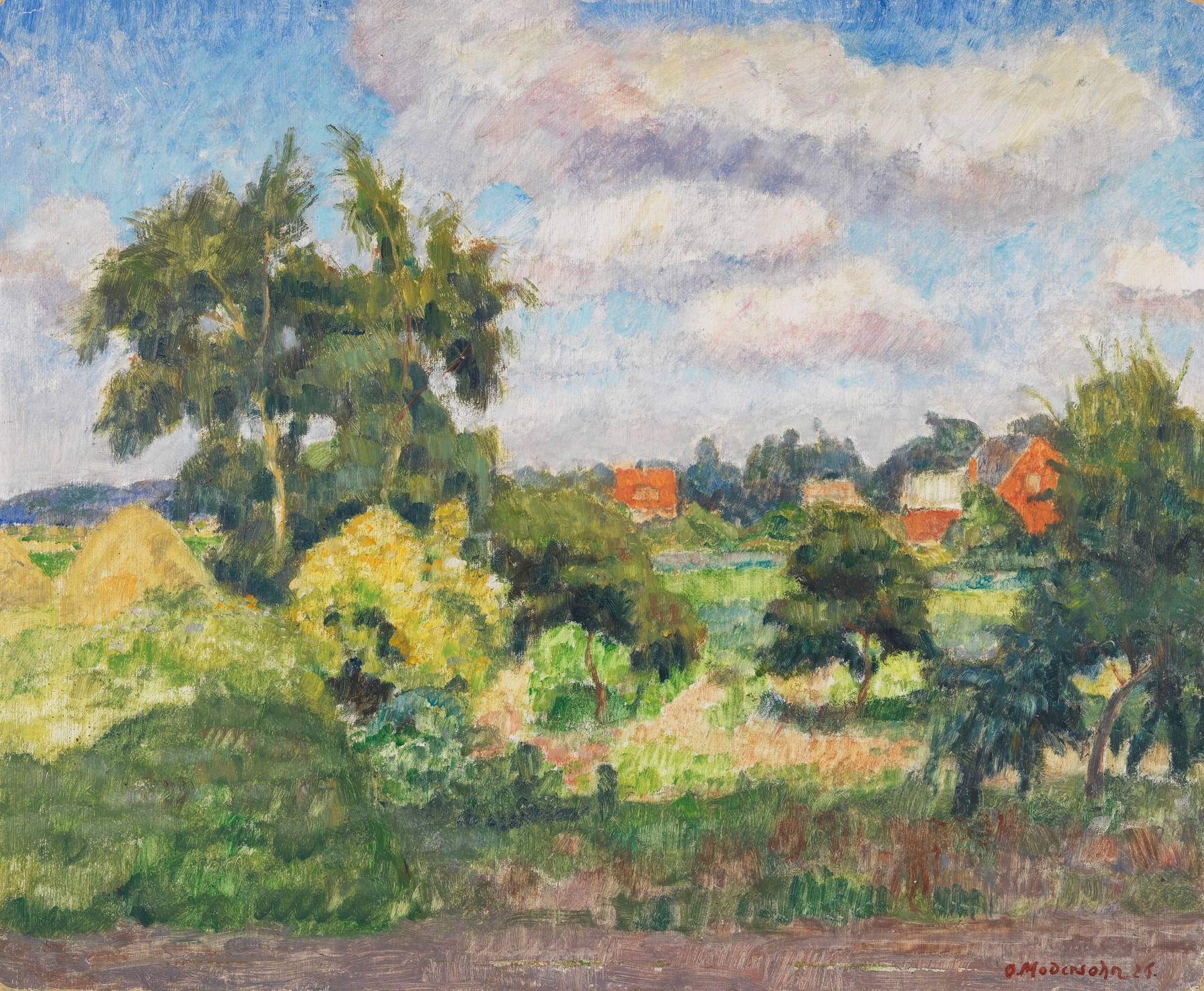
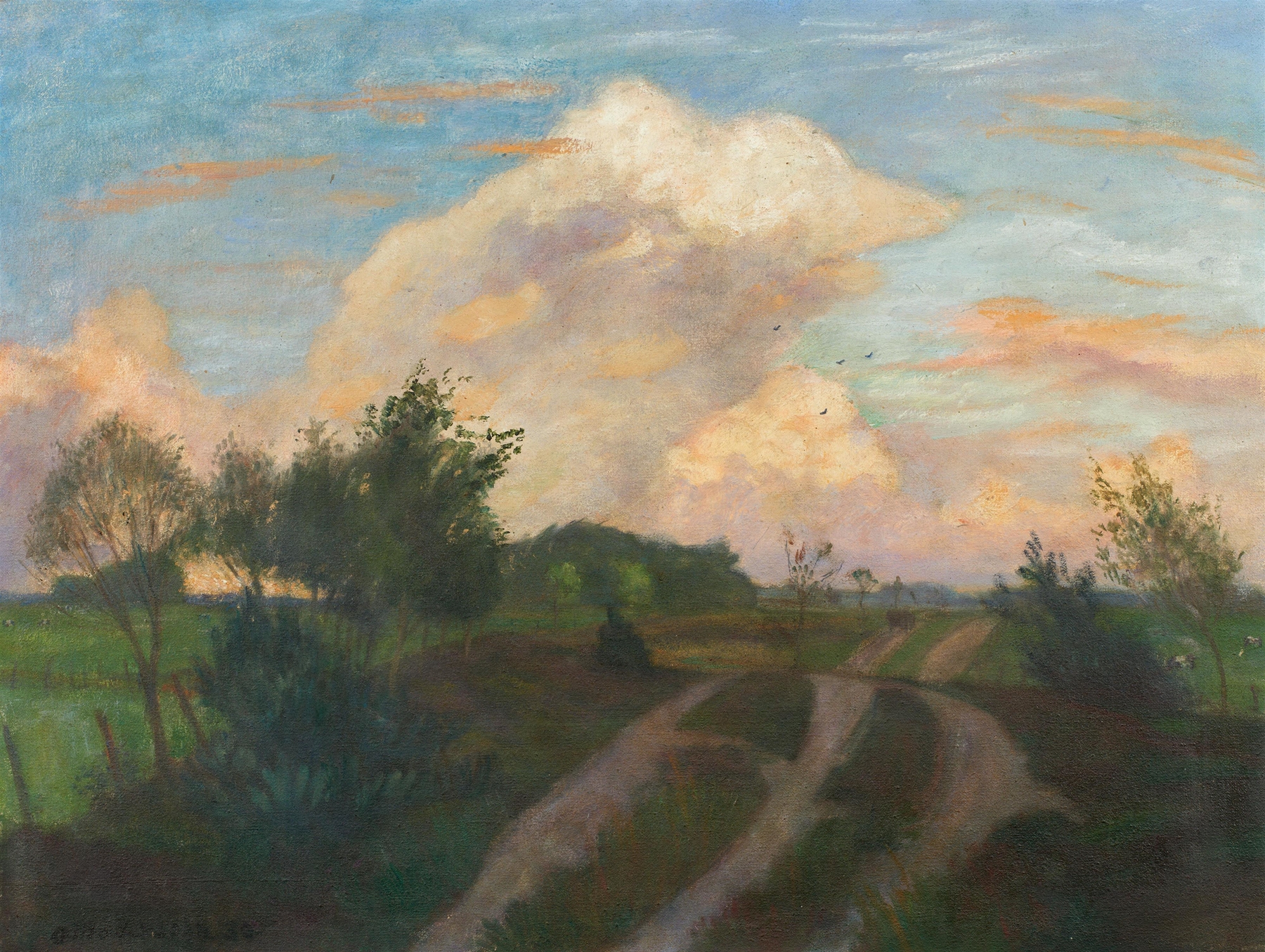
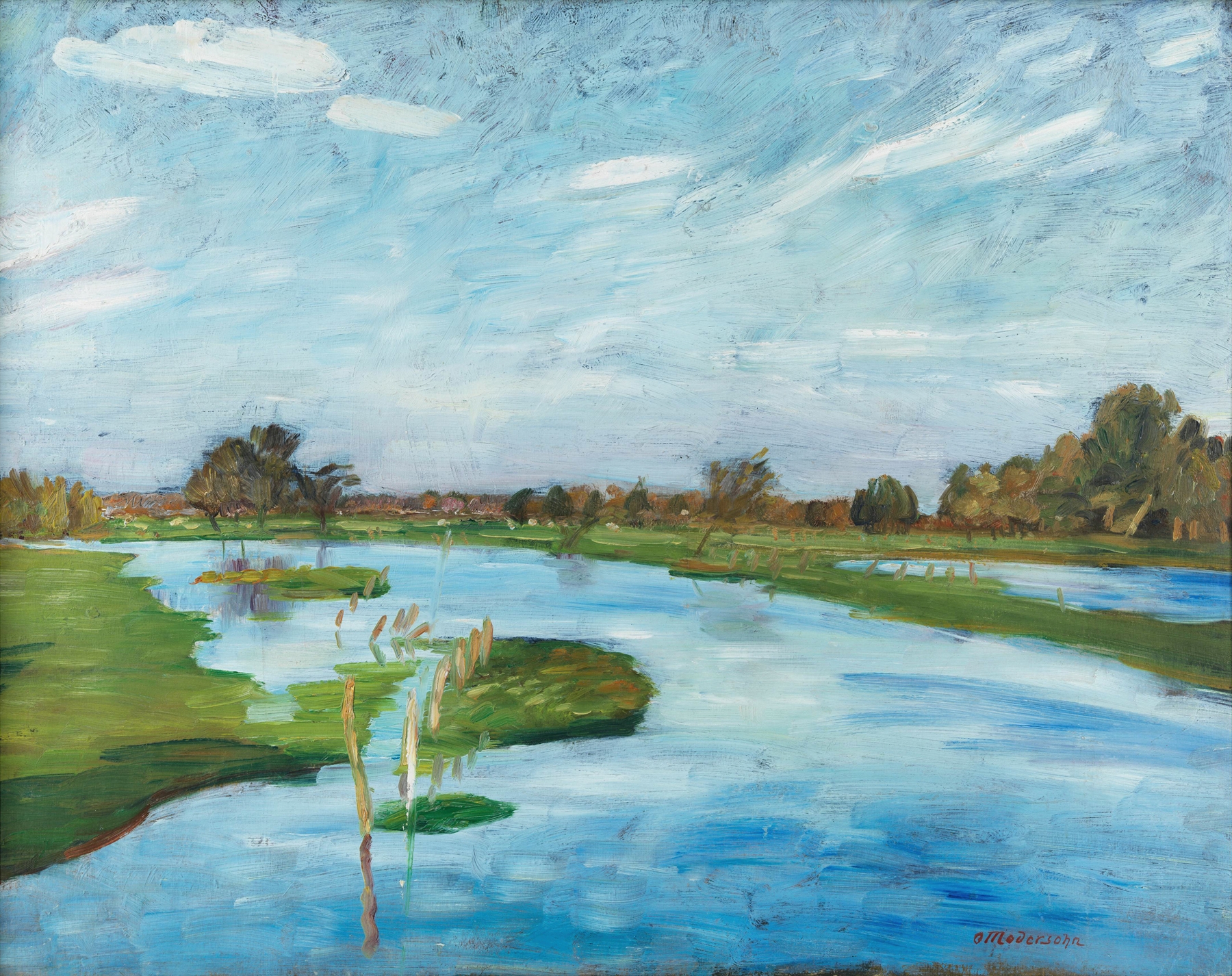
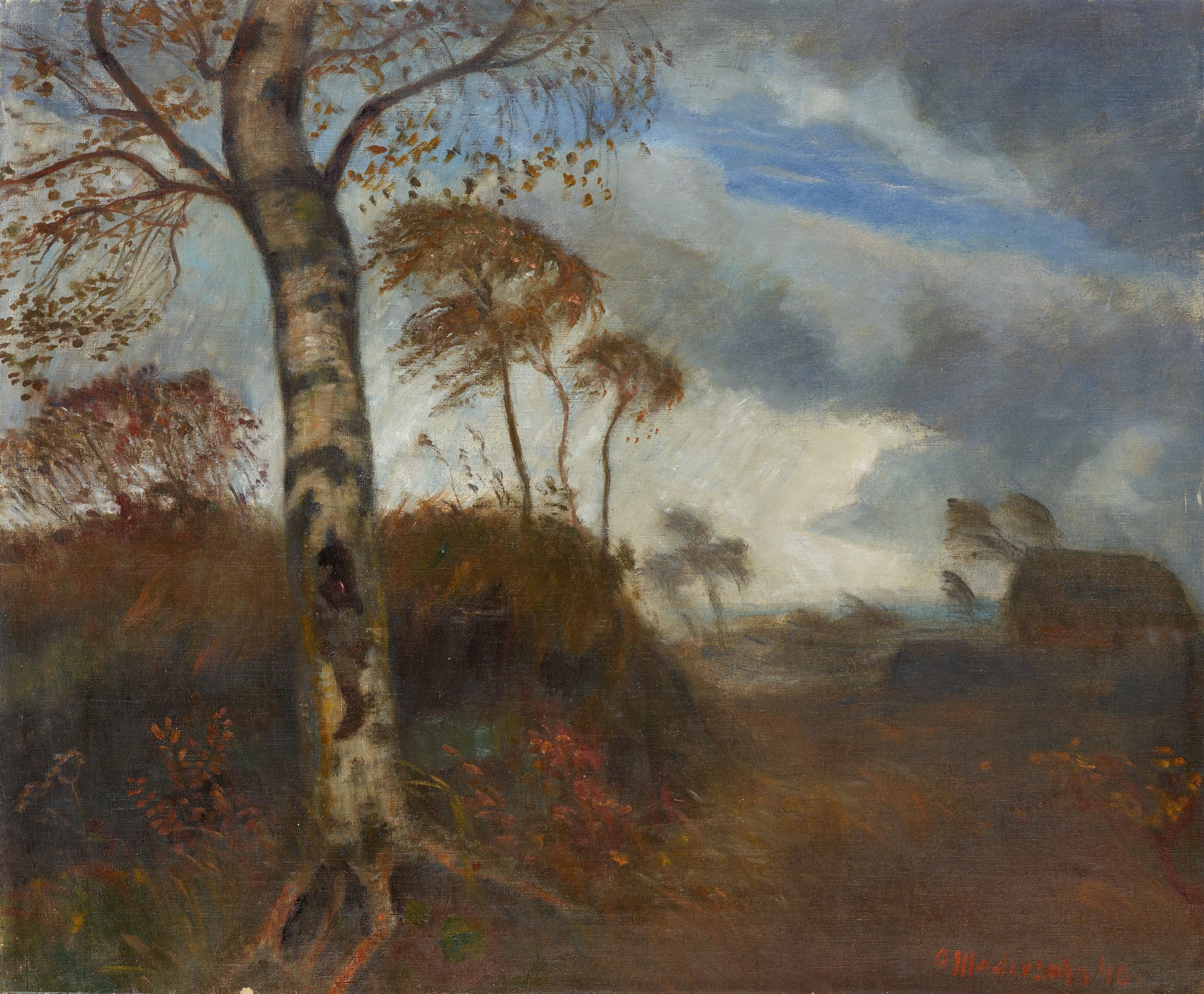
"Between color and silence, truth hides." In a world driven by the relentless march of time, moments slip away like fleeting shadows, urging us to pause and reflect. Direct your gaze to the gentle juxtaposition of warm ochres and cool blues that form the background of the piece. Notice how the horizon line, softly blurred, invites the eye to wander between the earth and sky, creating an ethereal sense of depth. The trees stand tall, their leaves a dappled blend of autumn hues, while delicate brushstrokes convey a whispering breeze, alive with movement yet grounded in stillness.
This careful use of color and texture beckons the viewer to breathe in the scene, to feel the atmosphere wrap around them like a comforting embrace. Delve deeper, and you’ll discover the emotional undertones woven within the composition. The trees, though robust, appear solitary against the vastness of the backdrop, hinting at themes of isolation and introspection. The interplay of color suggests a transition—not just from summer to fall, but from one chapter to another, echoing the passage of time itself.
Each brushstroke captures a fleeting moment that resonates with nostalgia, evoking both beauty and a hint of melancholy. Otto Modersohn painted this work during a period of intense exploration within the German Impressionist movement, known for its emphasis on natural landscapes and emotional depth. Working in the early 20th century, he was influenced by the changing artistic climate that sought to embrace personal expression and the beauty of everyday life. Amidst his own journey of self-discovery and the broader evolution of the art world, Herbstwetter stands as a testament to his sensitivity to nature's quiet yet profound transformations.