Abendsonne im Moor — History & Analysis
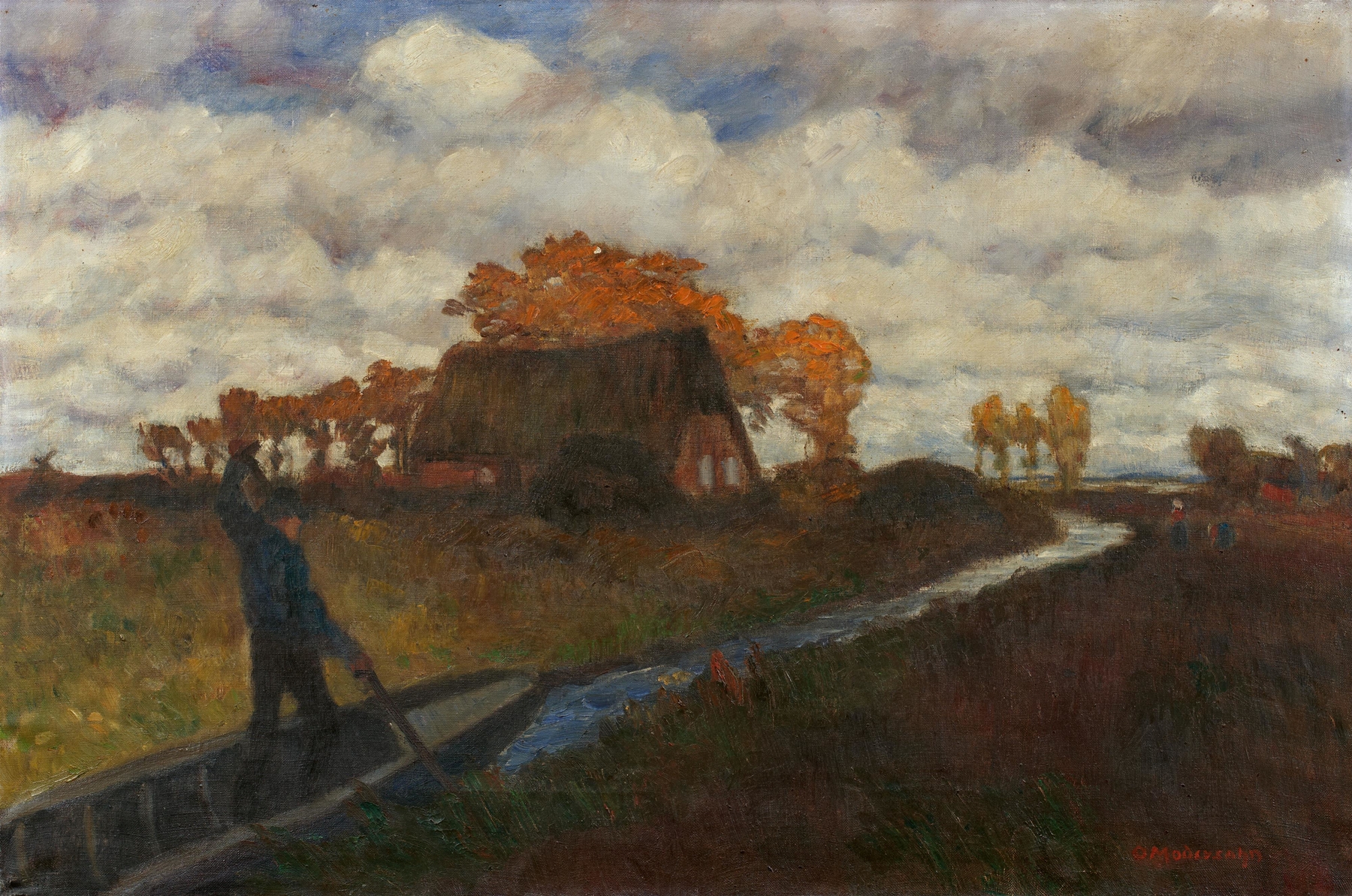
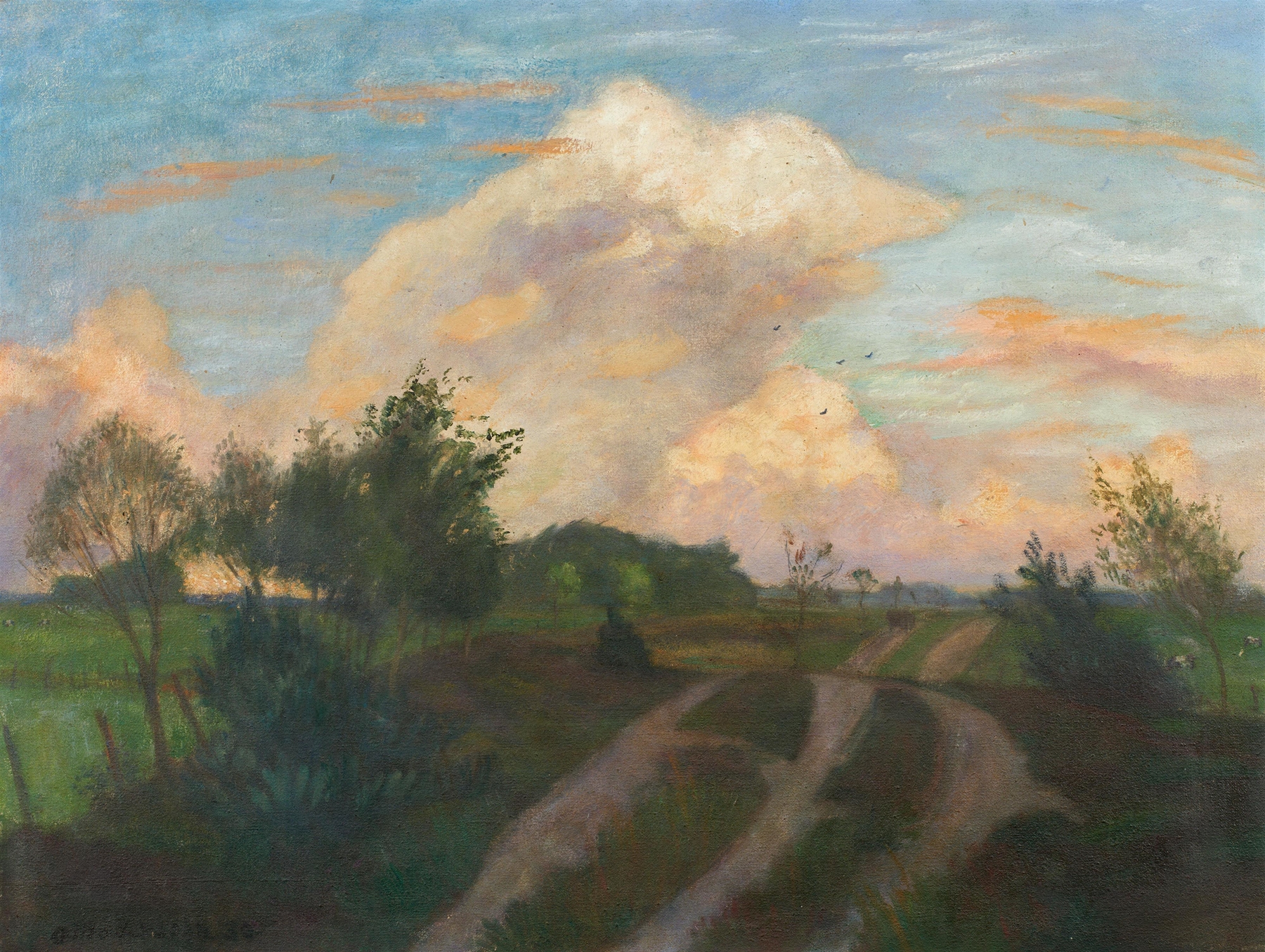
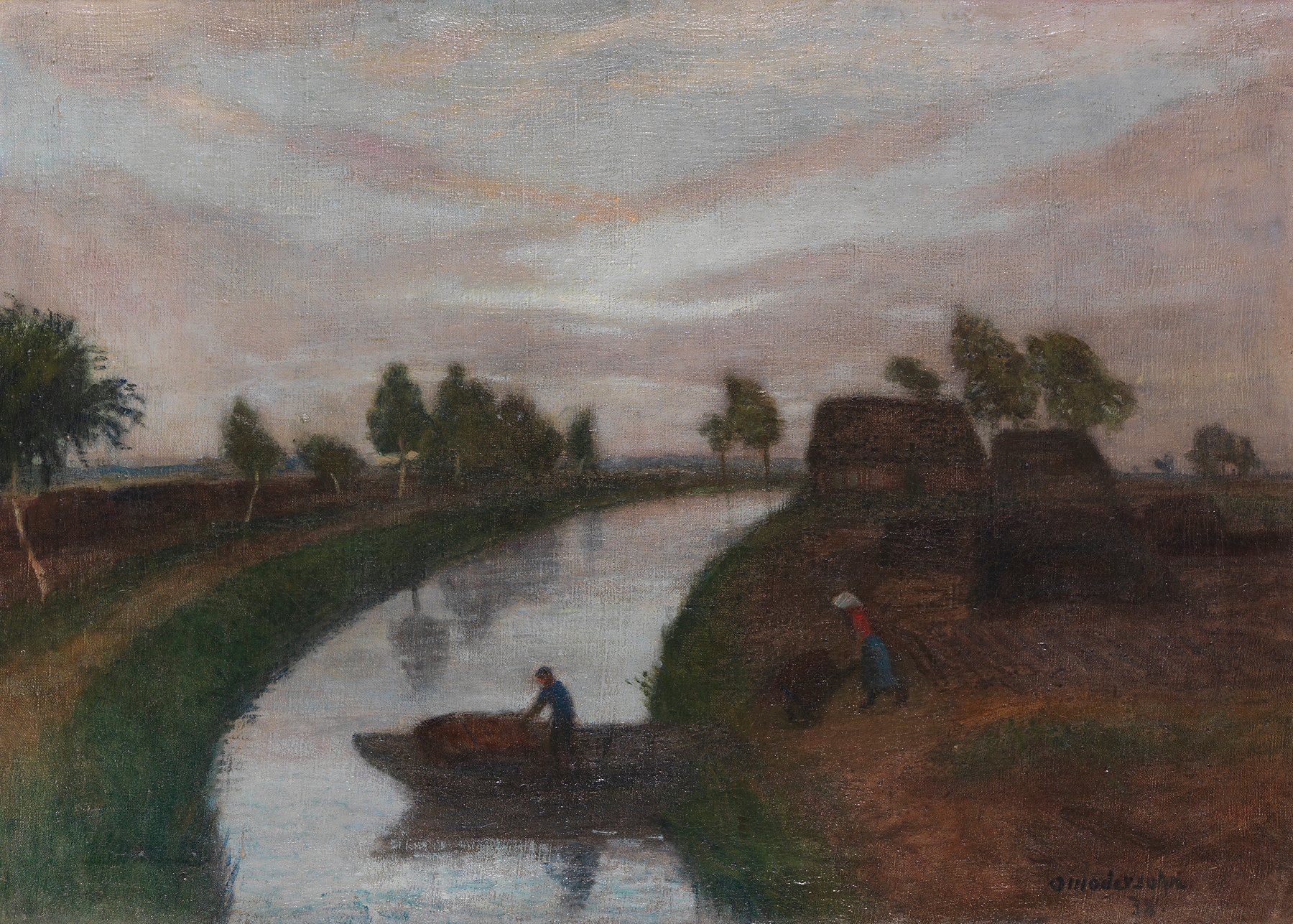
Could a single brushstroke hold eternity? The subtle play of color in Abendsonne im Moor invites contemplation, suggesting that moments of beauty can transcend time itself. Look closely at the horizon where warm hues of orange and gold spill over the moor, casting a tranquil glow across the landscape. The artist skillfully layers thick, impasto strokes, allowing the paint to ripple like water, creating depth and texture that draws the viewer into the scene.
The gentle undulations of the terrain whisper stories of nature, while the soft light encapsulates the quiet majesty of evening, inviting both solace and reflection. In the interplay of light and dark, we discover a poignant contrast. The luminous sky above seems to cradle the earth, an embrace infused with nostalgia and hope. Amidst the stillness, the gentle brushwork captures the fleeting essence of twilight—the impermanence of beauty mirrored in the marsh's ephemeral grace.
Each stroke evokes a quiet reverence for nature, urging us to acknowledge the transitory moments that shape our existence. In 1937, Otto Modersohn was deeply rooted in the burgeoning German Expressionist movement, painting in his studio in Worpswede, a community of artists dedicated to depicting the raw beauty of their surroundings. This period was marked by a growing introspection in his work, reflecting both a personal and collective search for meaning amidst the shifts of modernity. As the world around him changed, his brush became a refuge, capturing a serene transcendence that resonates powerfully in Abendsonne im Moor.