Forest interior — History & Analysis
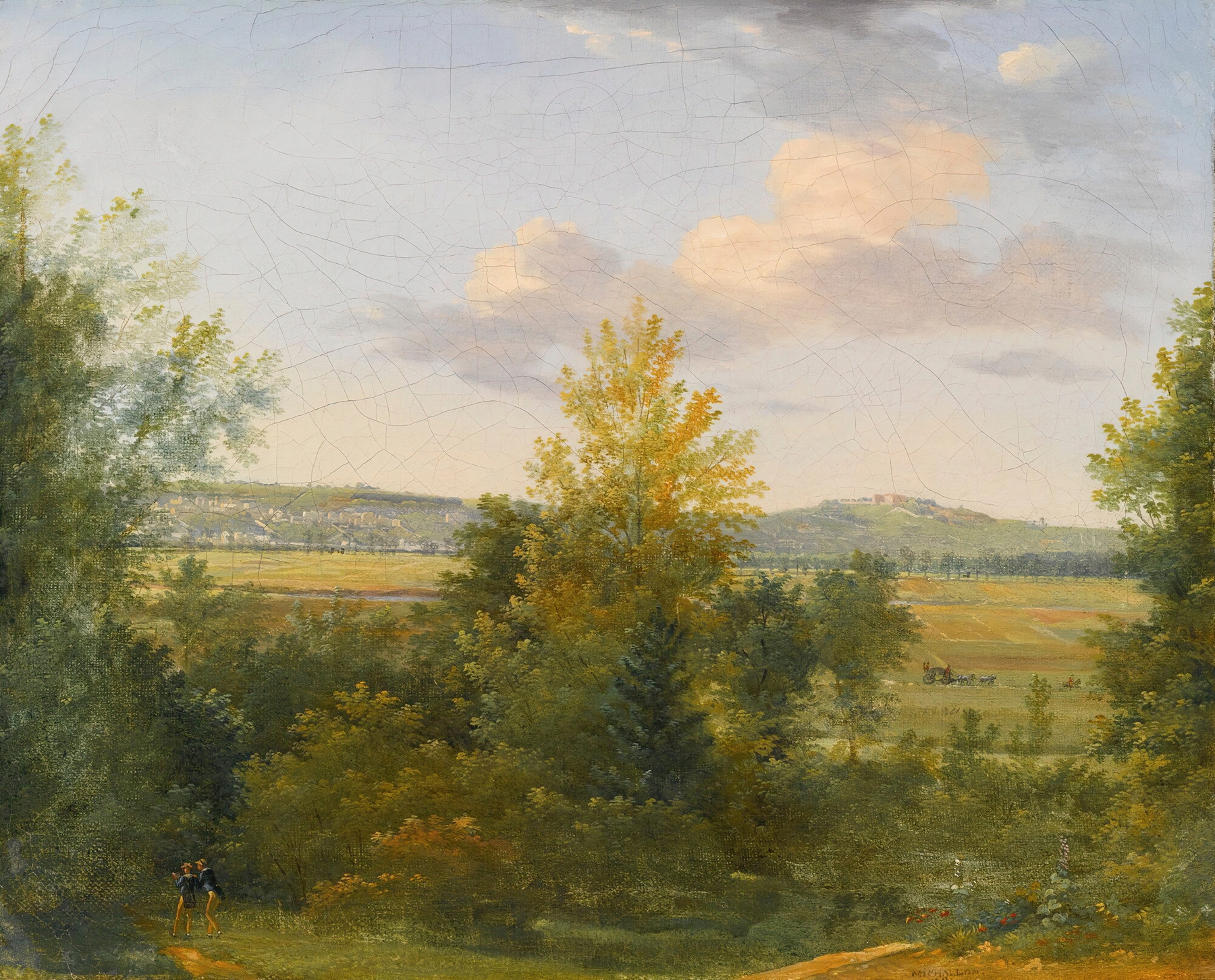
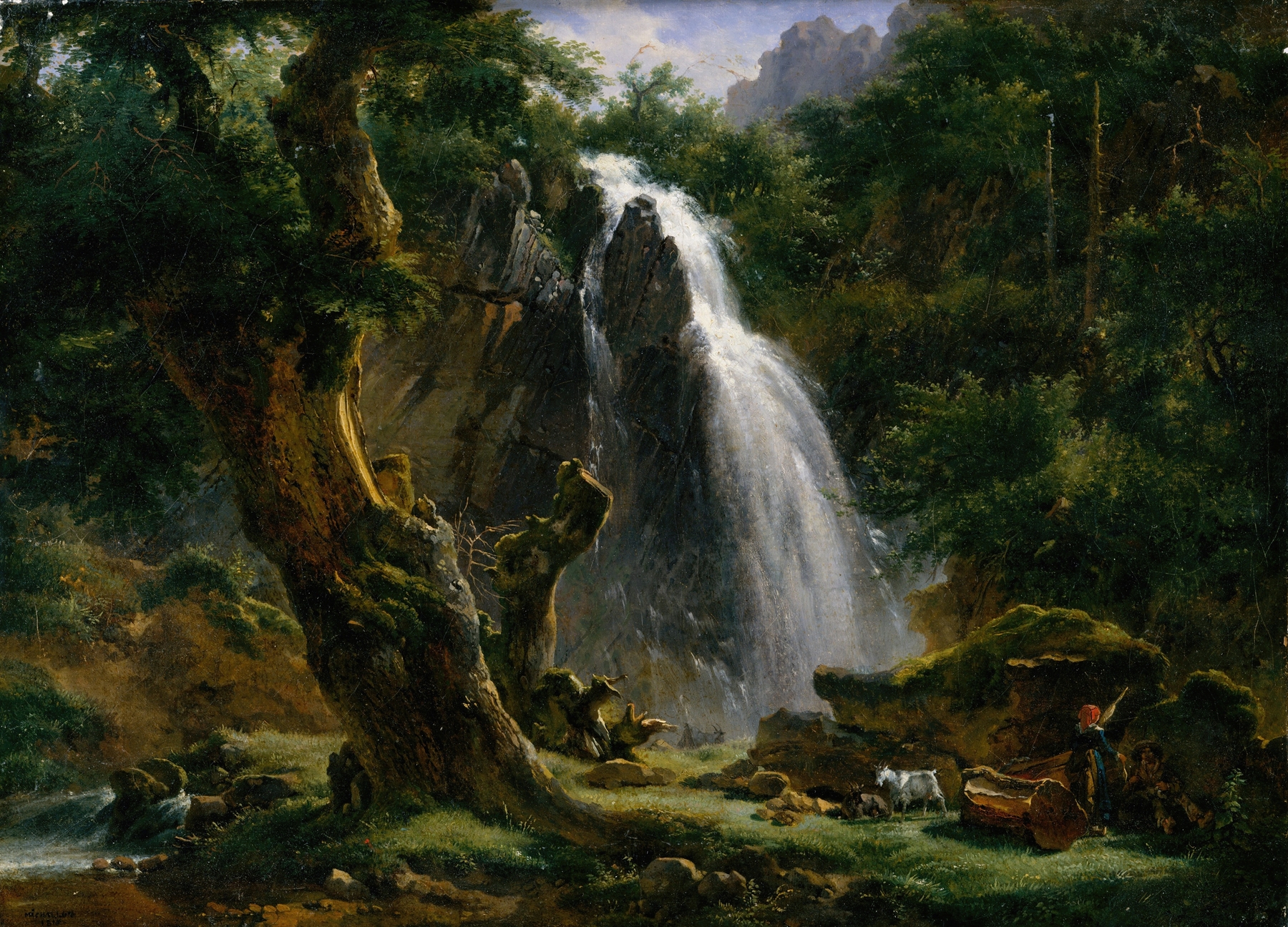
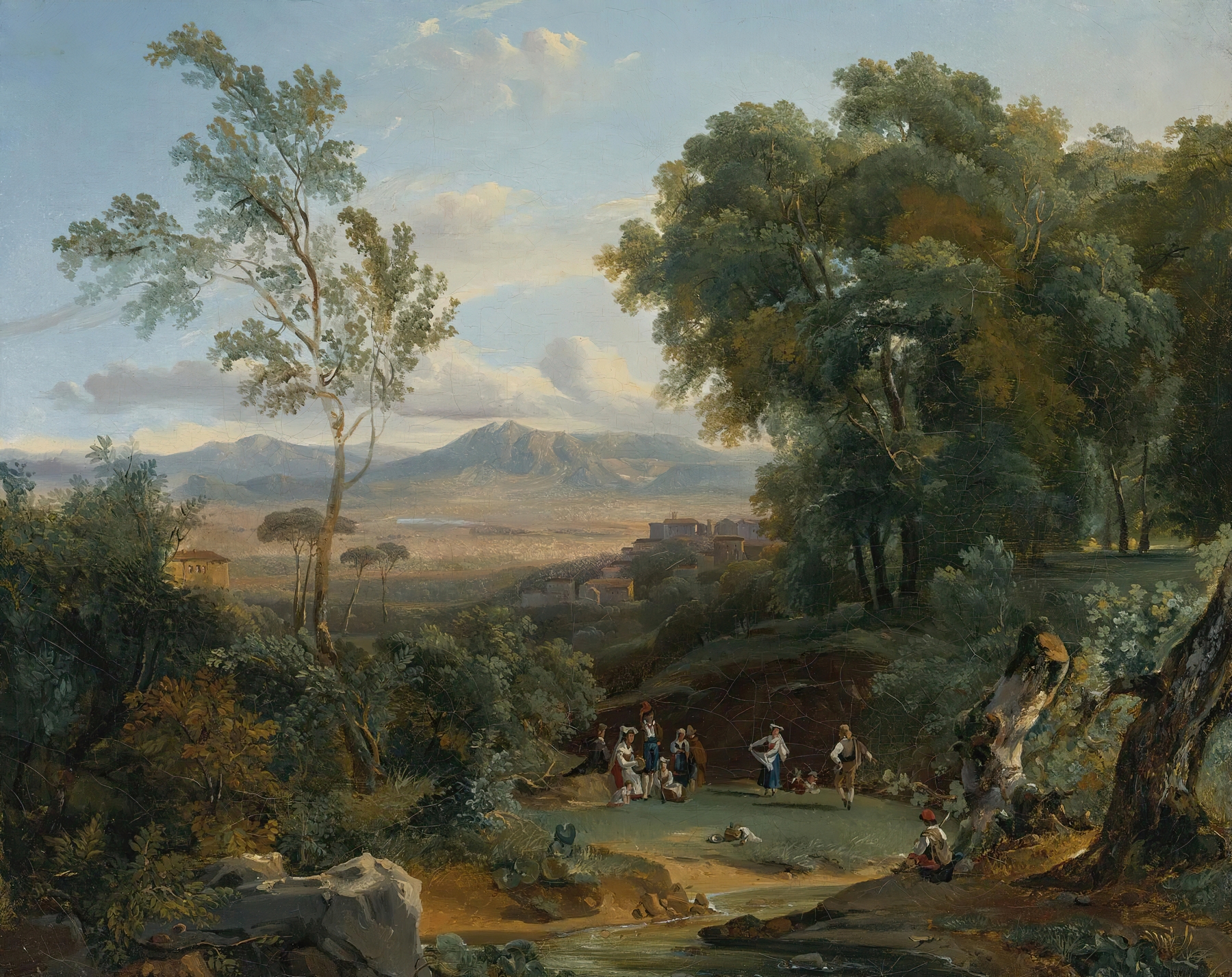
When did color learn to lie? In the quiet world of nature, hues often deceive, masking the truth beneath their vibrant surfaces. To fully appreciate this work, focus on the interplay of light and shadow throughout the canvas. Notice how the sunlight filters through the trees, casting dappled patterns on the forest floor, inviting the eye to explore the depths of the woodland. The palette is rich, dominated by earthy greens and browns, interspersed with hints of gold that reflect the fleeting moments of day.
Each stroke is deliberate, conjuring a sense of tranquility that envelops the scene. Yet, there is more beneath this serene facade. The vibrant greens merge with shadowy depths, evoking a sense of mystery, perhaps signaling the complexity of nature itself. The viewer is invited to ponder the subtleties of life: the coexistence of beauty and danger, light and dark. The forest is alive, both nurturing and concealing secrets that lie beyond the reach of our vision.
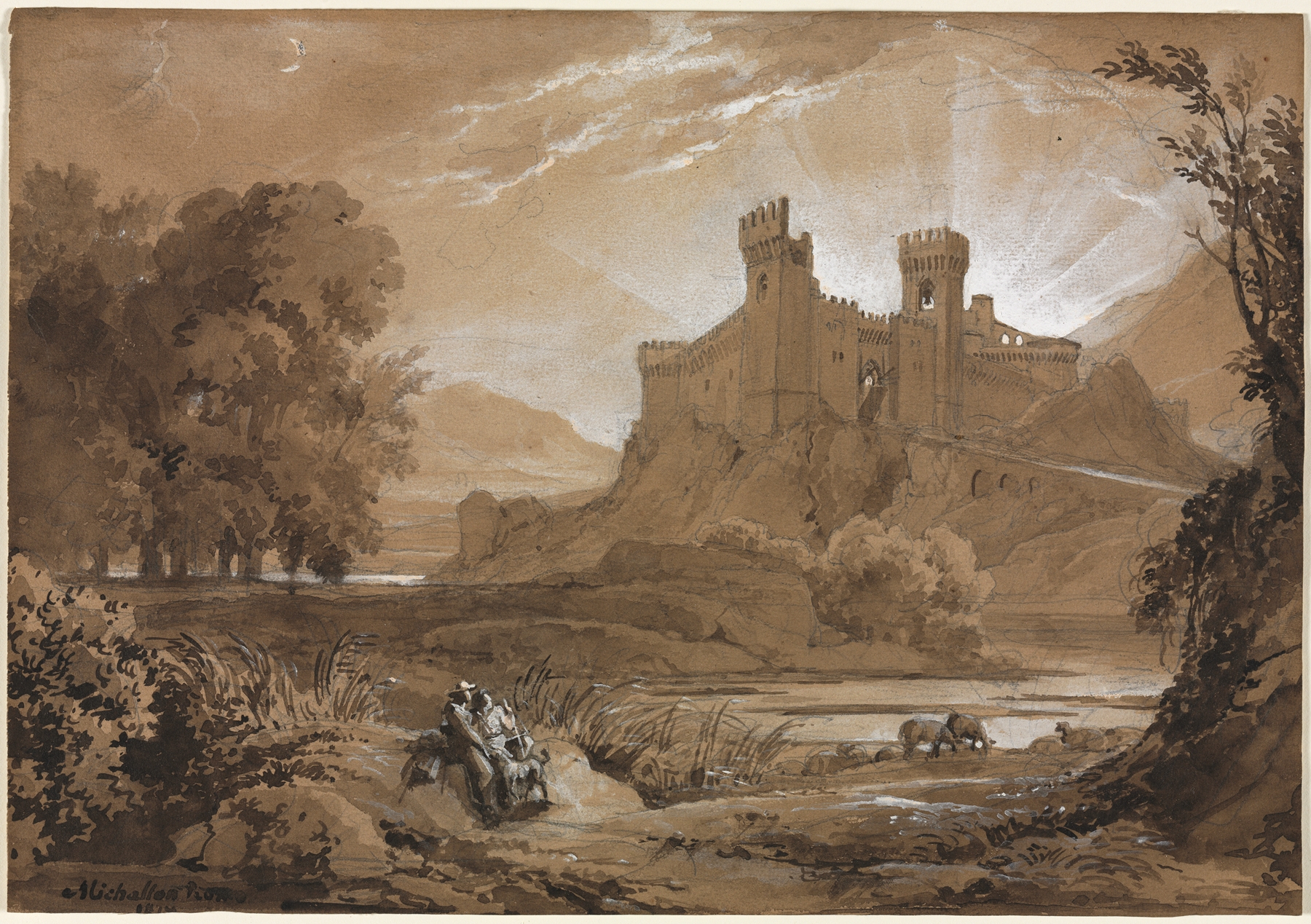
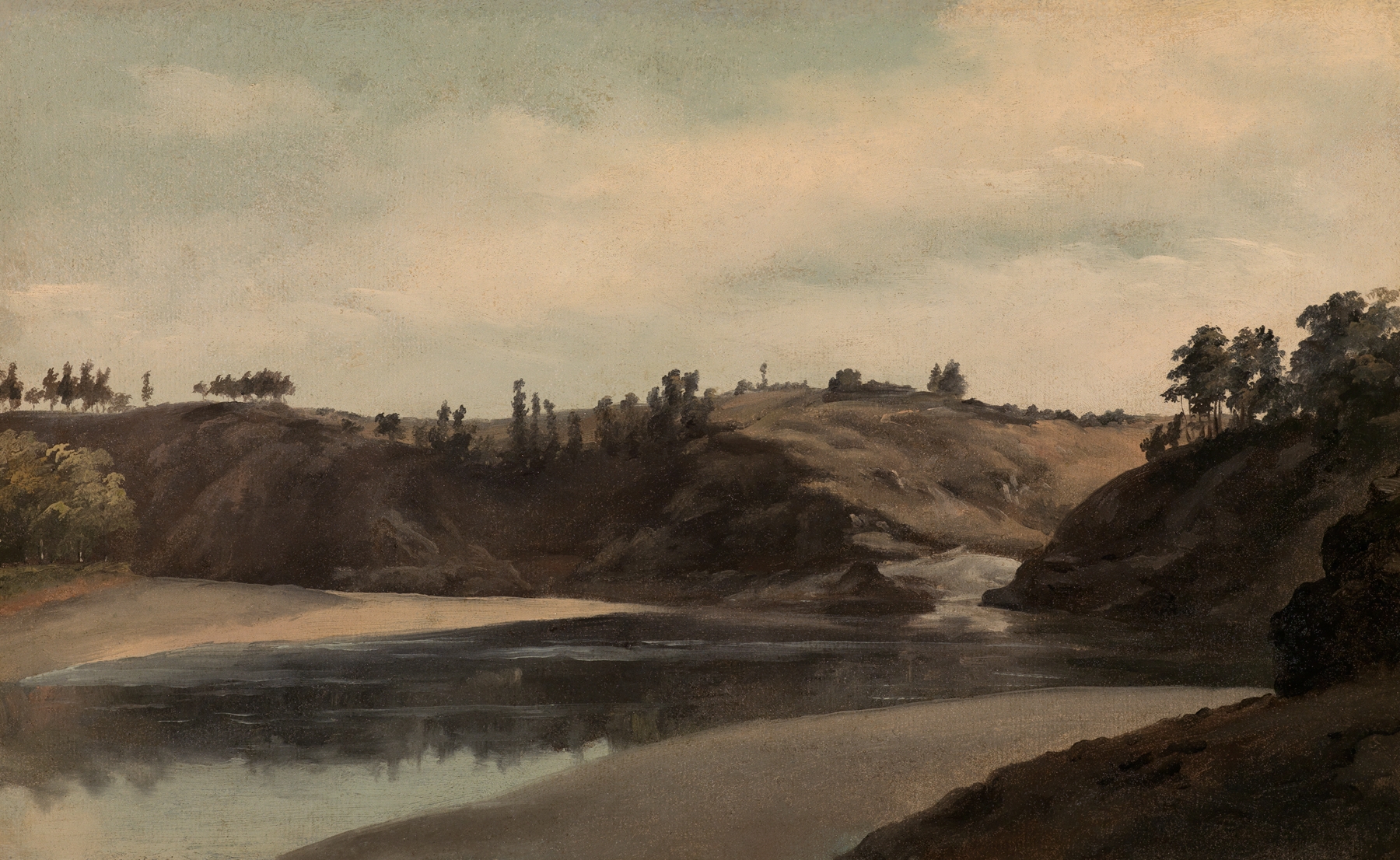
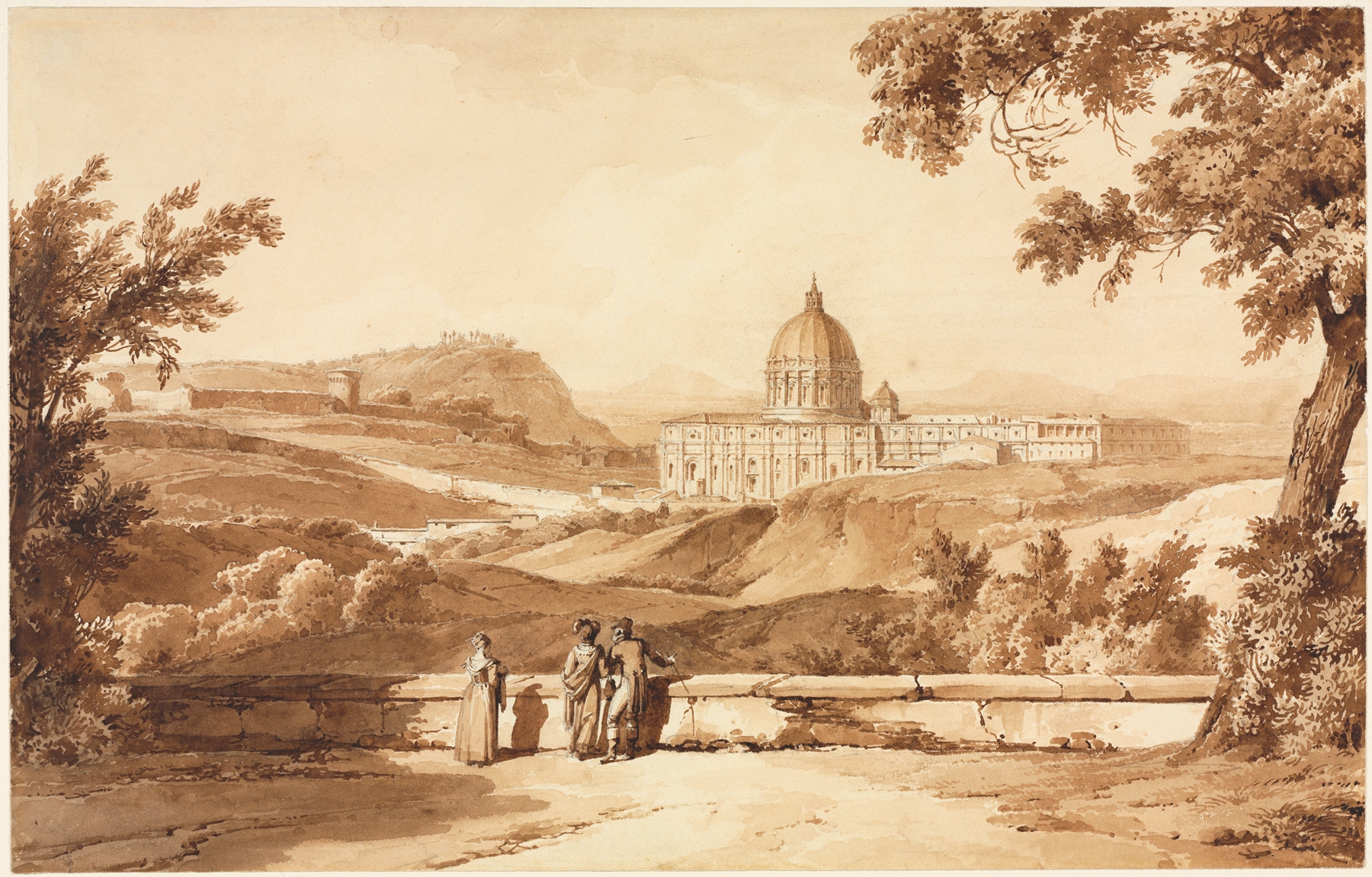
It whispers tales of growth and decay, reminding us that revelation often comes wrapped in the guise of the familiar. Created before 1822, the artist was part of a burgeoning Romantic movement in France, where nature became a significant subject of exploration. The focus on landscapes expressed both an awe for the natural world and a longing for emotional connection to it. During this period, Michallon was influenced by the change in artistic trends that emphasized emotional expression and the beauty of untamed landscapes, making Forest Interior a unique reflection of these evolving ideals.