Landscape with Castle and Shepherds — History & Analysis
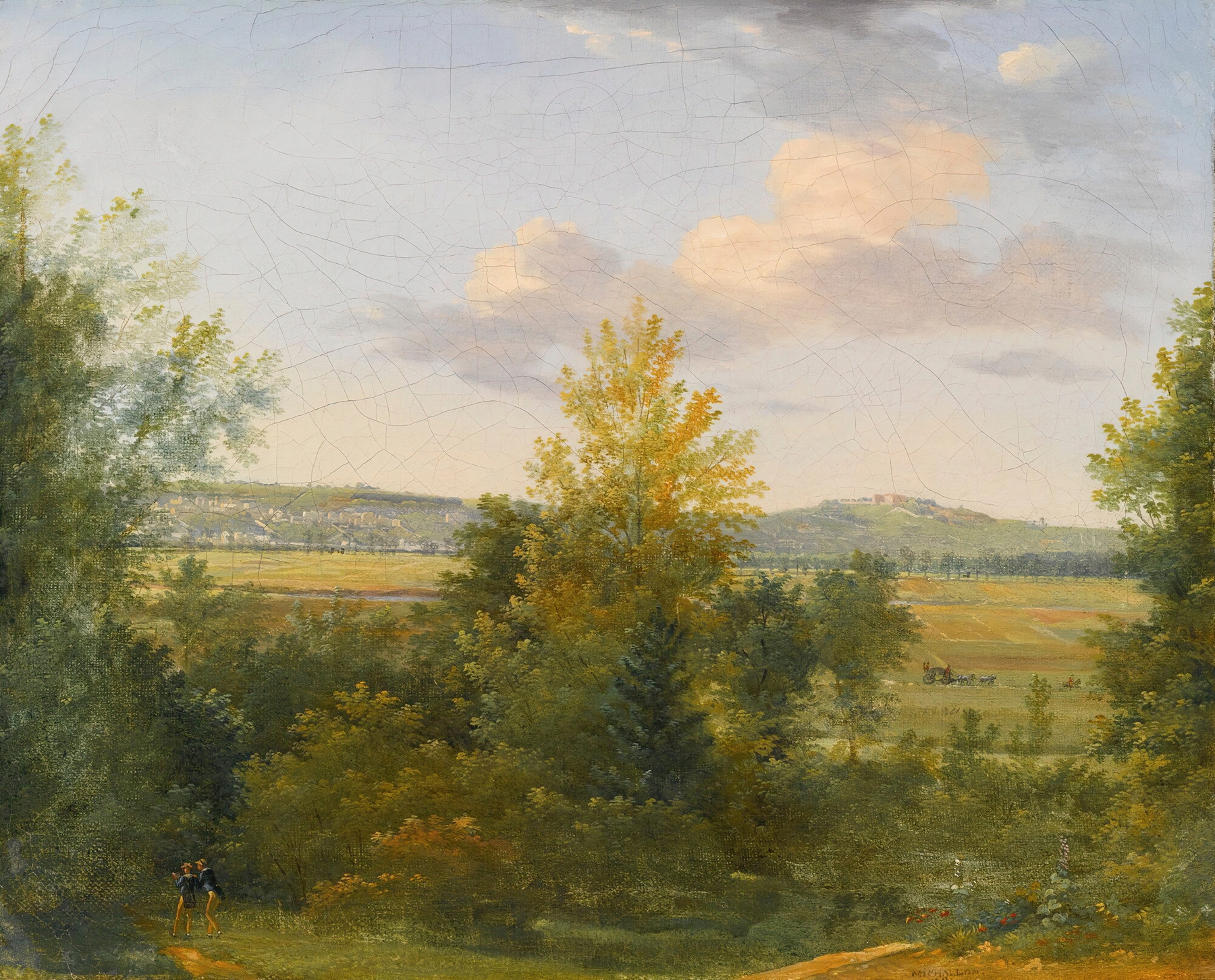
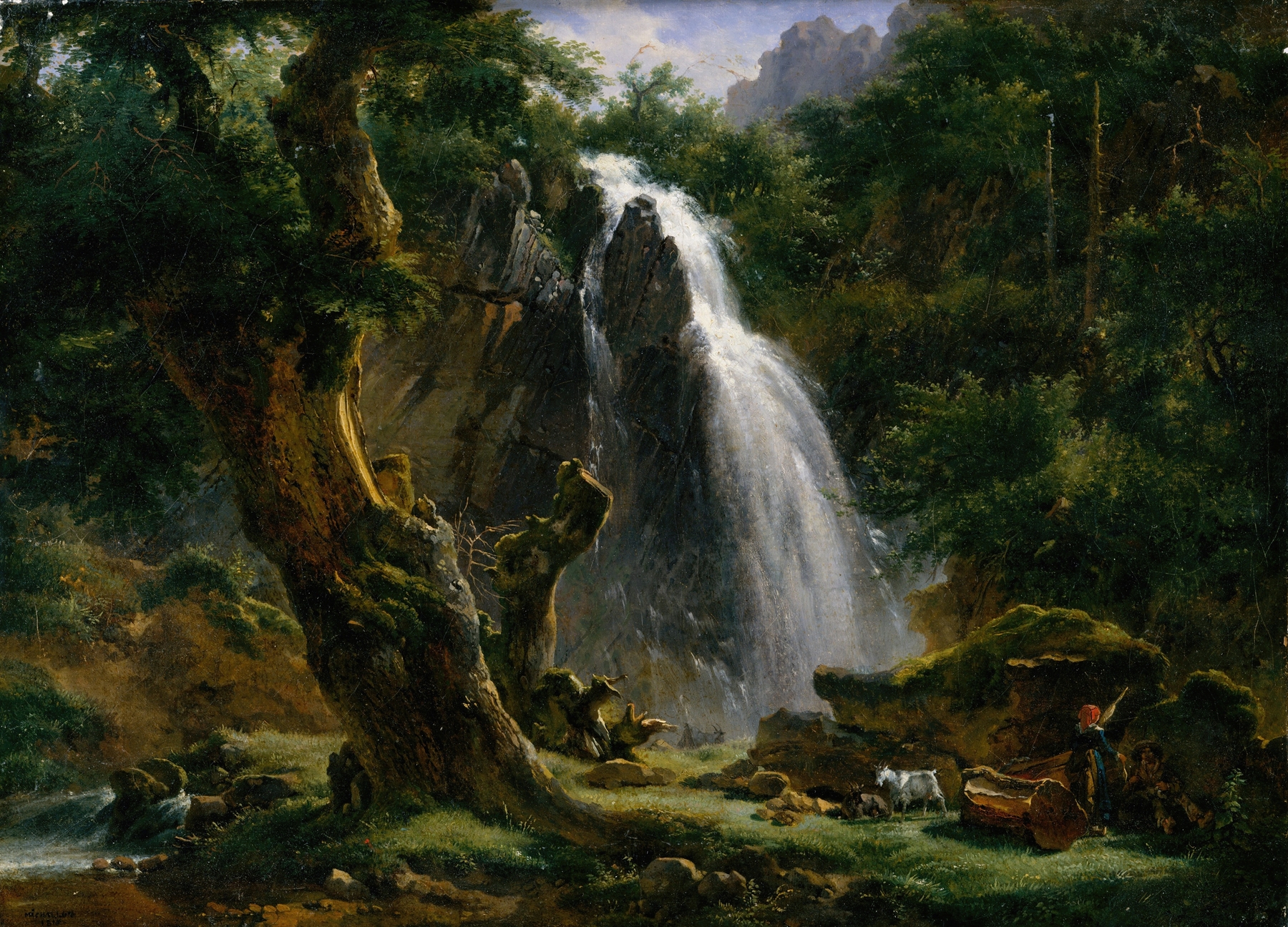
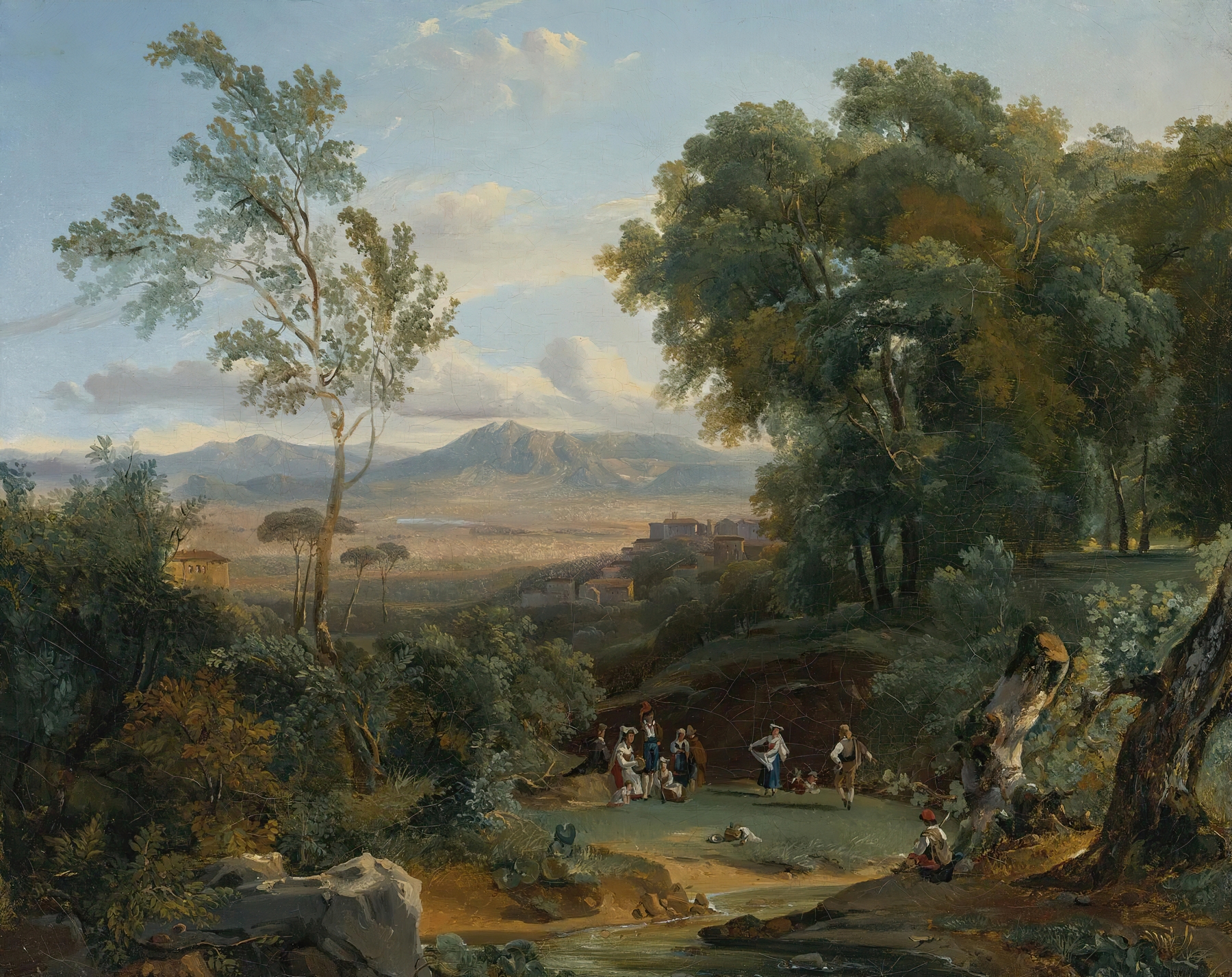
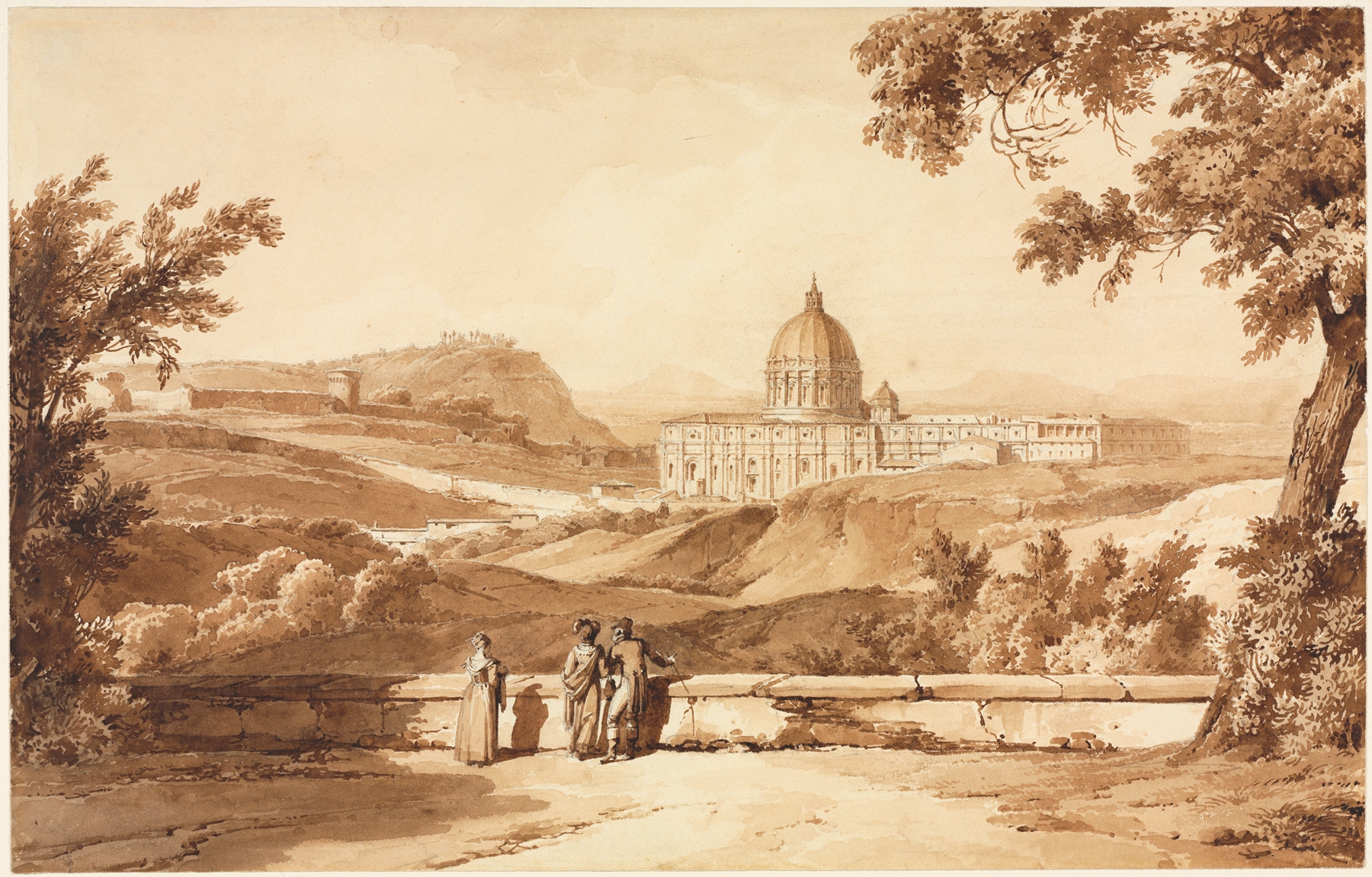
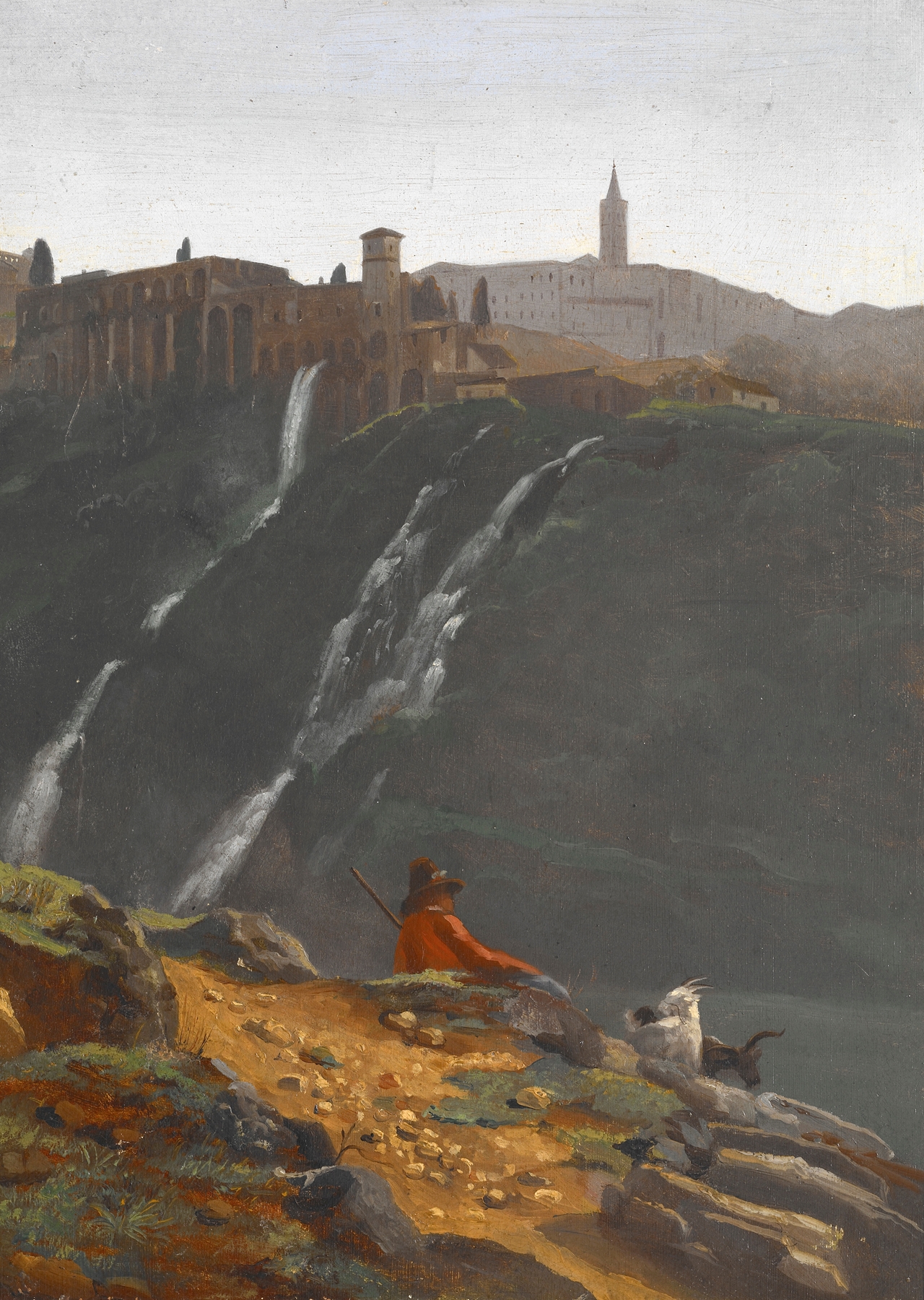
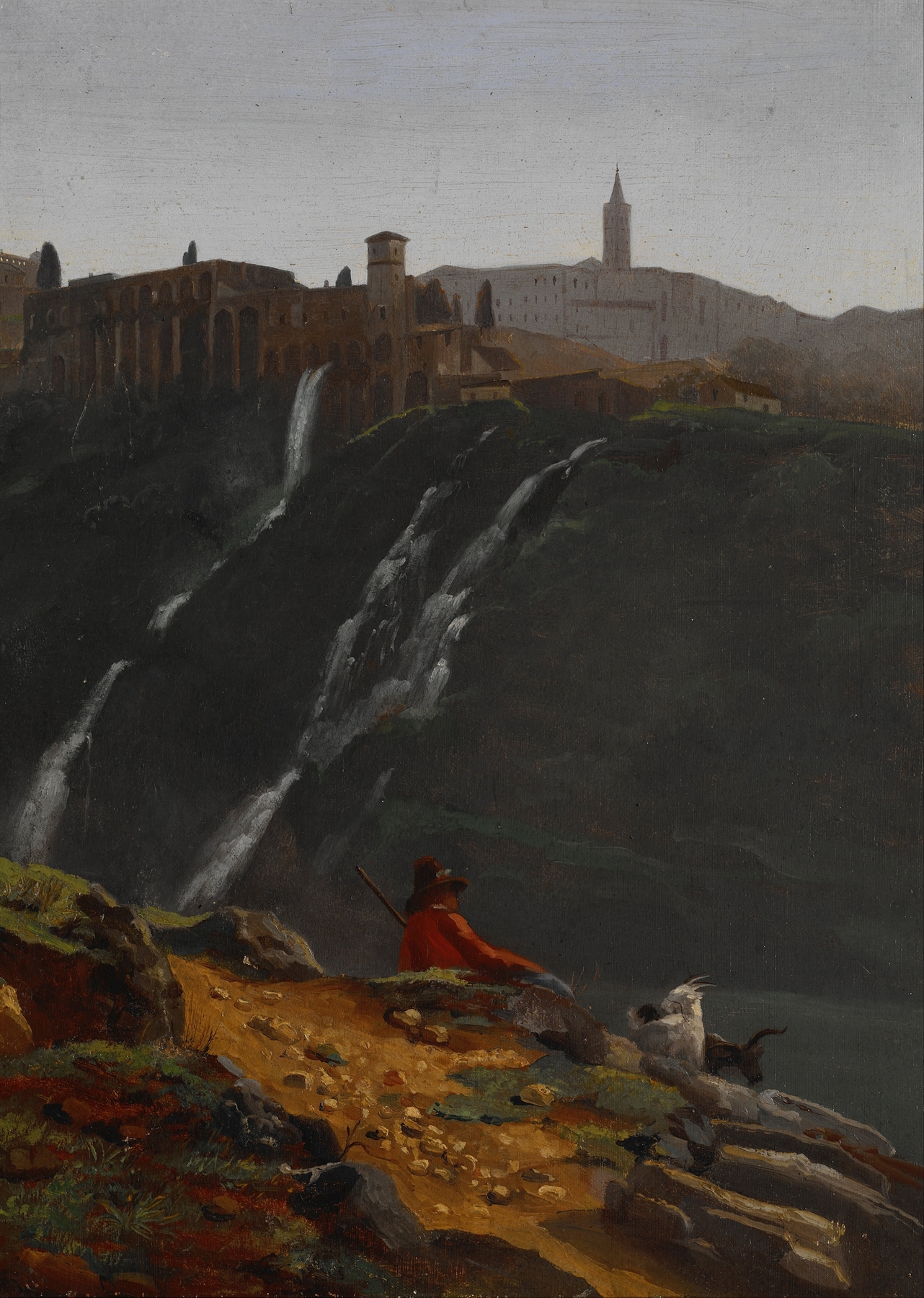
“Between color and silence, truth hides.” In the interplay of light and shadow, the fate of landscapes unfolds, beckoning viewers to explore deeper realms of existence. Look to the left at the majestic castle, its structure rising against a backdrop of rolling hills. The warm hues of ochre and burnt sienna invite you into the pastoral scene, while the soft blues of the sky contrast with the earth below. Notice how the figures of shepherds, small yet significant, dot the foreground, their presence defined by broad strokes that evoke both movement and stillness.
The soft blending of colors creates an atmosphere where time seems suspended, allowing the viewer to dwell in the tranquil beauty of nature. As you observe closely, the contrasting elements within the painting reveal a narrative of destiny. The towering castle symbolizes ambition and the human endeavor, standing resolute against the ephemeral nature of the shepherds’ fleeting lives. The shepherds, depicted in a gentle light, reflect the simplicity and purity of rural life—a stark contrast to the grandeur of the castle, hinting at the complexities of societal hierarchy and the inevitable passage of time.
The shadows cast by the trees suggest an unseen presence, perhaps the weight of history and the choices that shape our paths. In 1814, Michallon created this work while living in Paris, a city teeming with artistic innovation and romantic fervor. The early 19th century was marked by a growing fascination with nature and the sublime, as well as a burgeoning appreciation for landscape painting. It was a time when artists were beginning to explore the emotional depth of landscapes, and Michallon, influenced by his contemporaries, sought to capture not just the visual beauty, but also the deeper truths that lie beneath the surface.