View of a Waterfall through a Ravine — History & Analysis
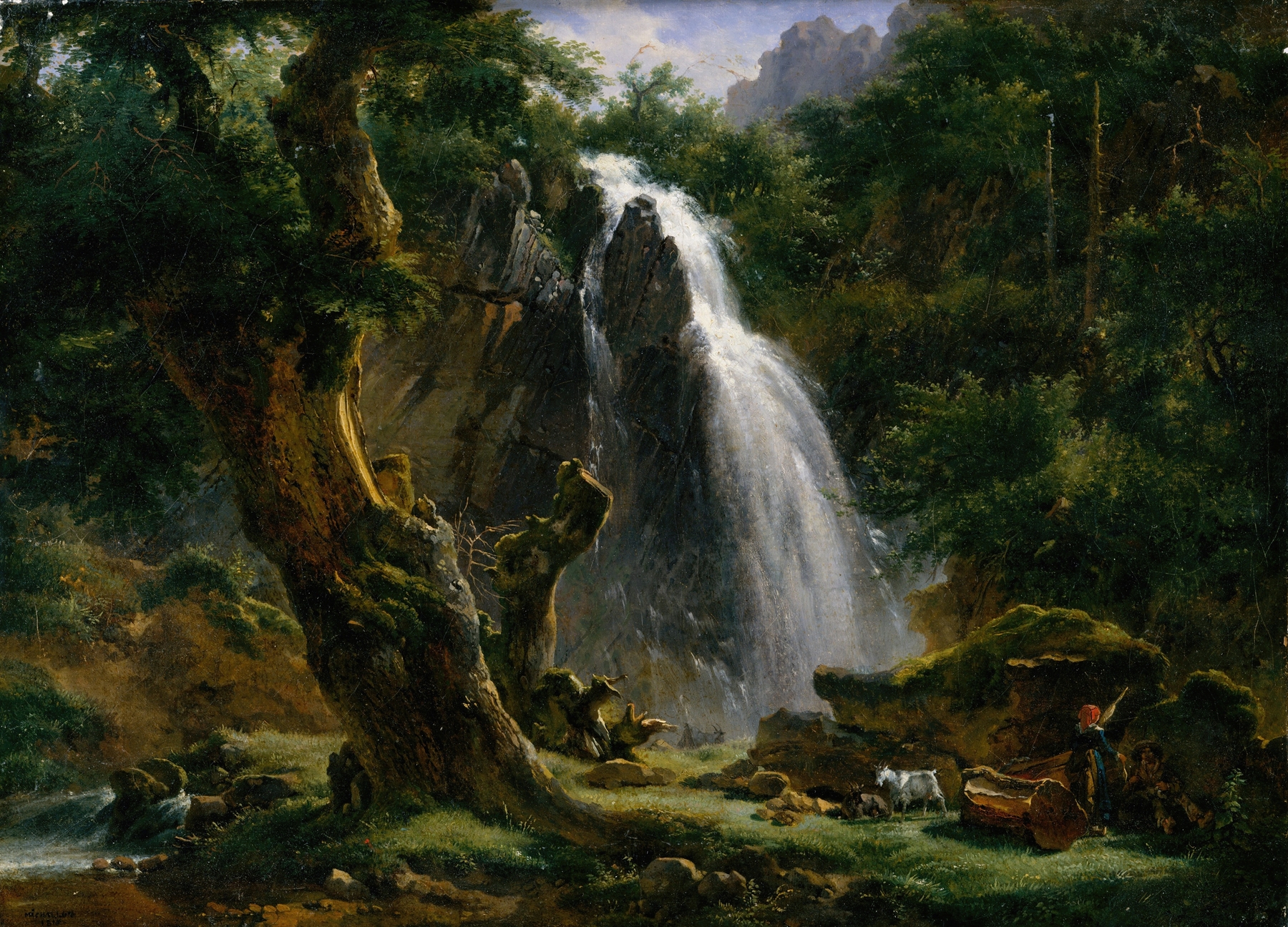
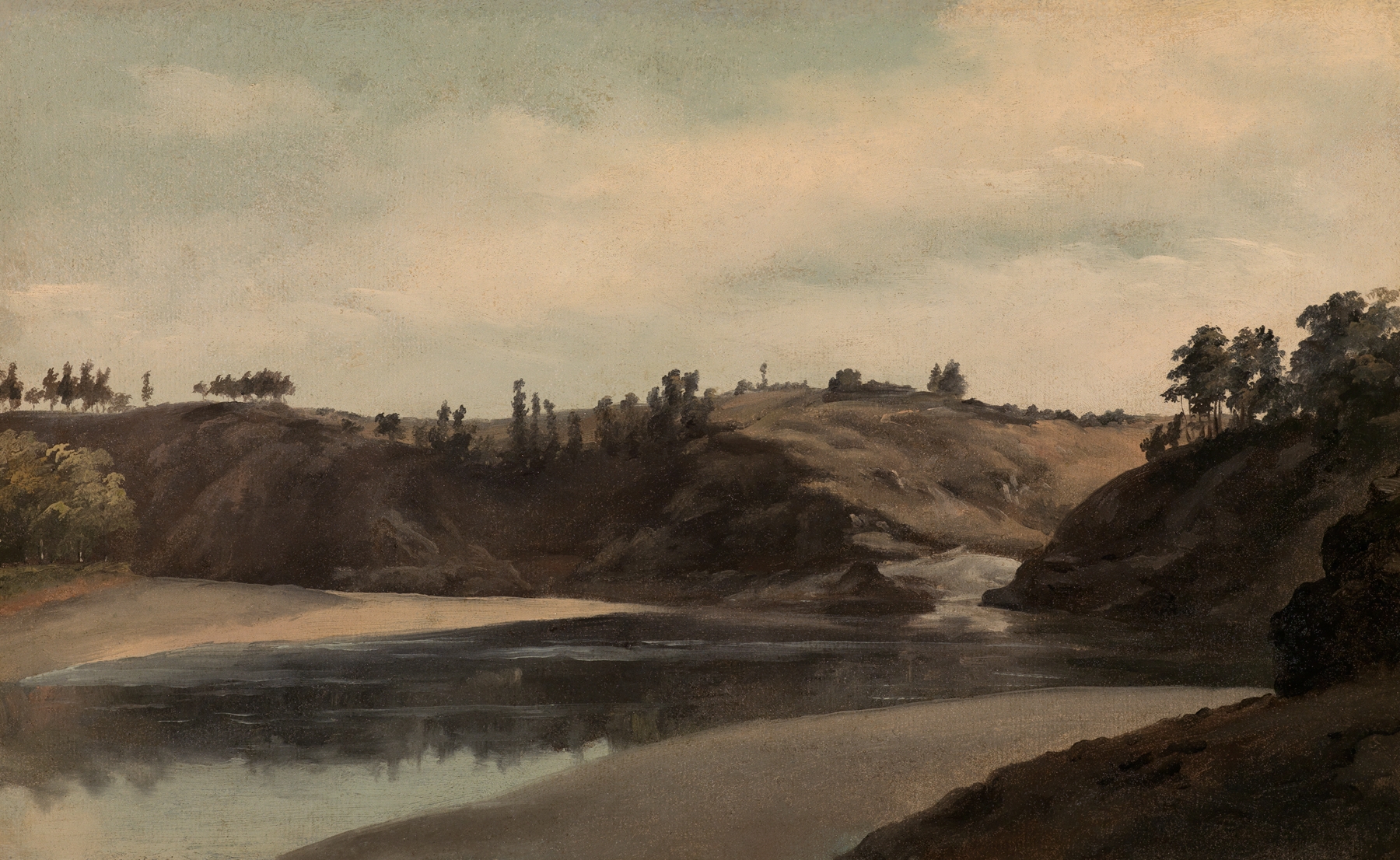
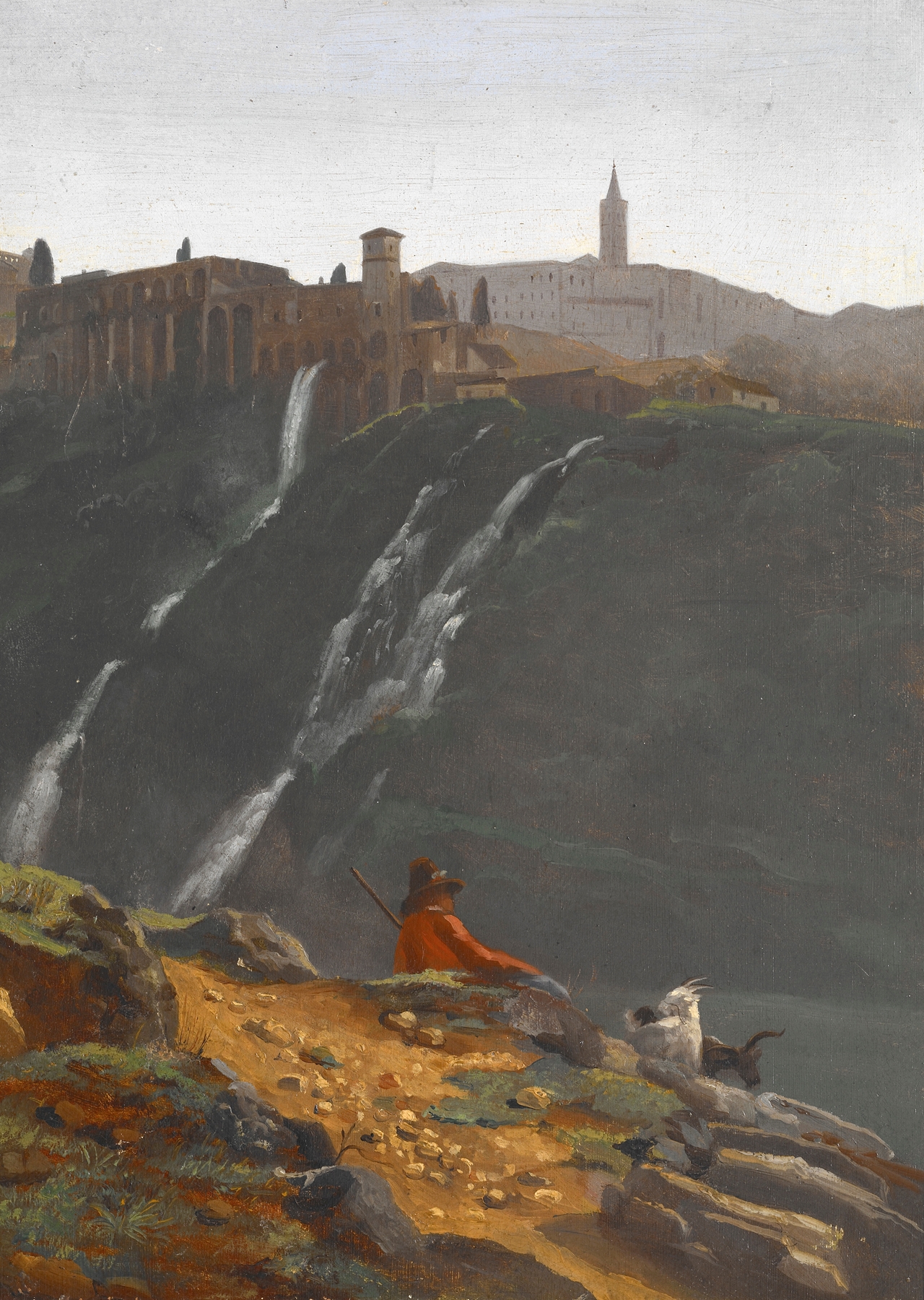
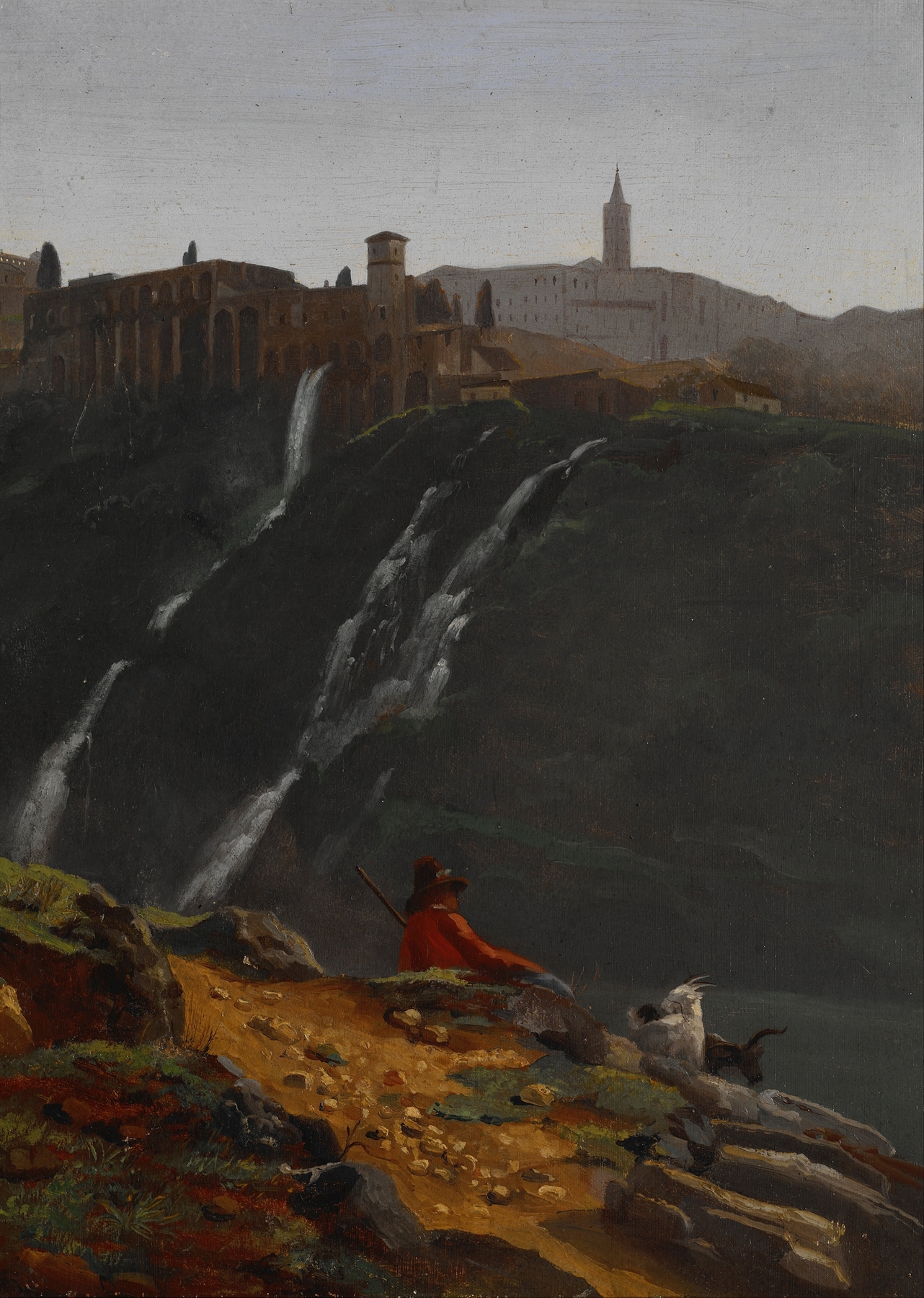
Who listens when art speaks of silence? In View of a Waterfall through a Ravine, beauty and tranquility converge, inviting one to pause and reflect. The painting captures a serene moment where nature speaks in hushed tones, beckoning the viewer to delve into its depths. Look to the left of the canvas, where a cascading waterfall plummets into a rocky pool below, the water rendered with delicate brushstrokes that evoke movement and sound.
Notice how the sunlight filters through the canopy overhead, casting dappled shadows upon the ravine's walls, creating a contrast between light and dark that enhances the scene's drama. The colors, a palette of soft greens and muted blues, harmonize with the textured rocks and foliage, inviting the gaze to wander and explore the intricate details of the landscape. The interplay of light and shadow serves not only to depict realism but also to evoke emotions of solitude and contemplation. The viewer may sense the tension between the rushing water and the stillness of the surrounding nature, suggesting a dialogue between chaos and peace.
Each element of the ravine, from the towering cliffs to the gentle ripples of the water, holds a hidden narrative, whispering stories of resilience and beauty in an untouched world. Achille Etna Michallon painted this landscape during the early 19th century, a period characterized by Romantic ideals that celebrated nature's majesty. As an artist based in France, he was immersed in a cultural shift that valued emotional expression and the sublime qualities of the natural world. This piece reflects his exploration of these themes, capturing a moment that resonates with both the tranquility of the scene and the complexity of human emotion towards nature.