Francis Barber(?), after Joshua Reynolds — History & Analysis
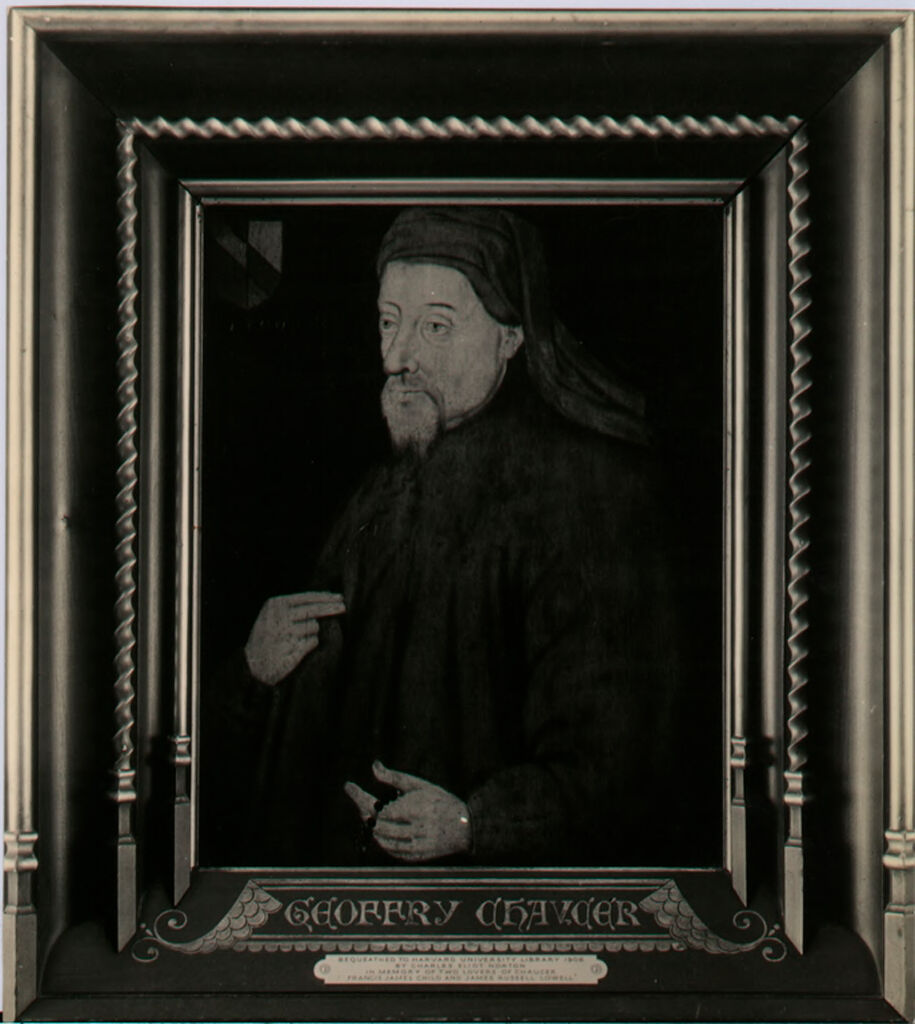
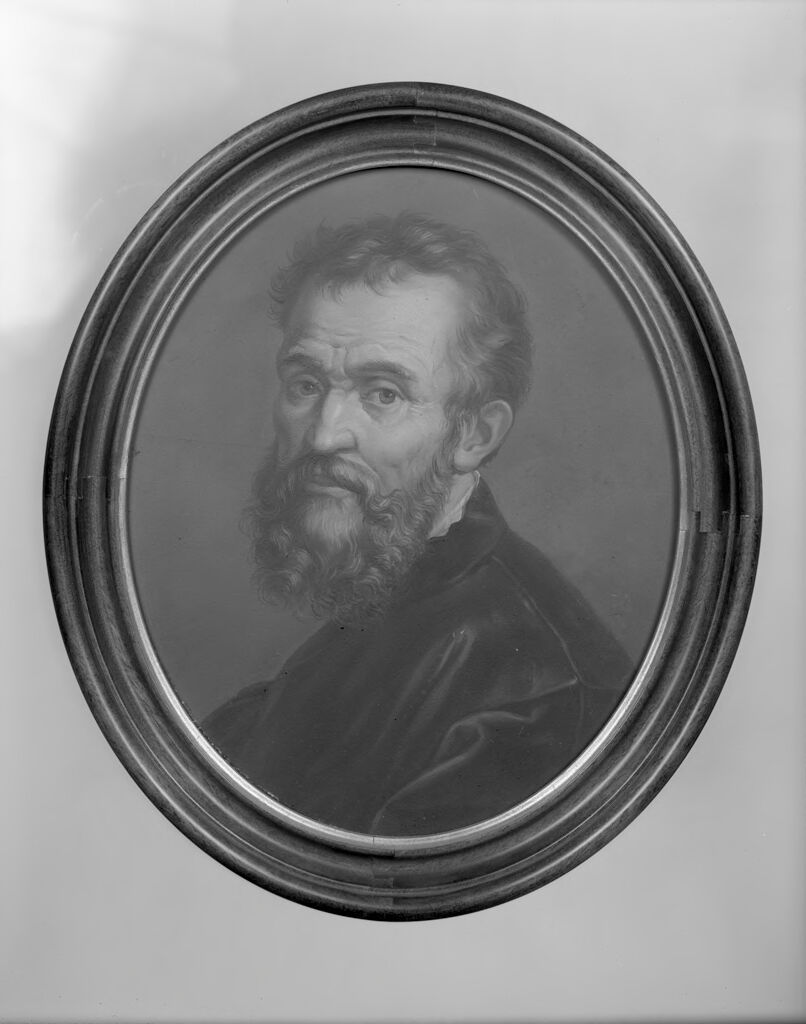
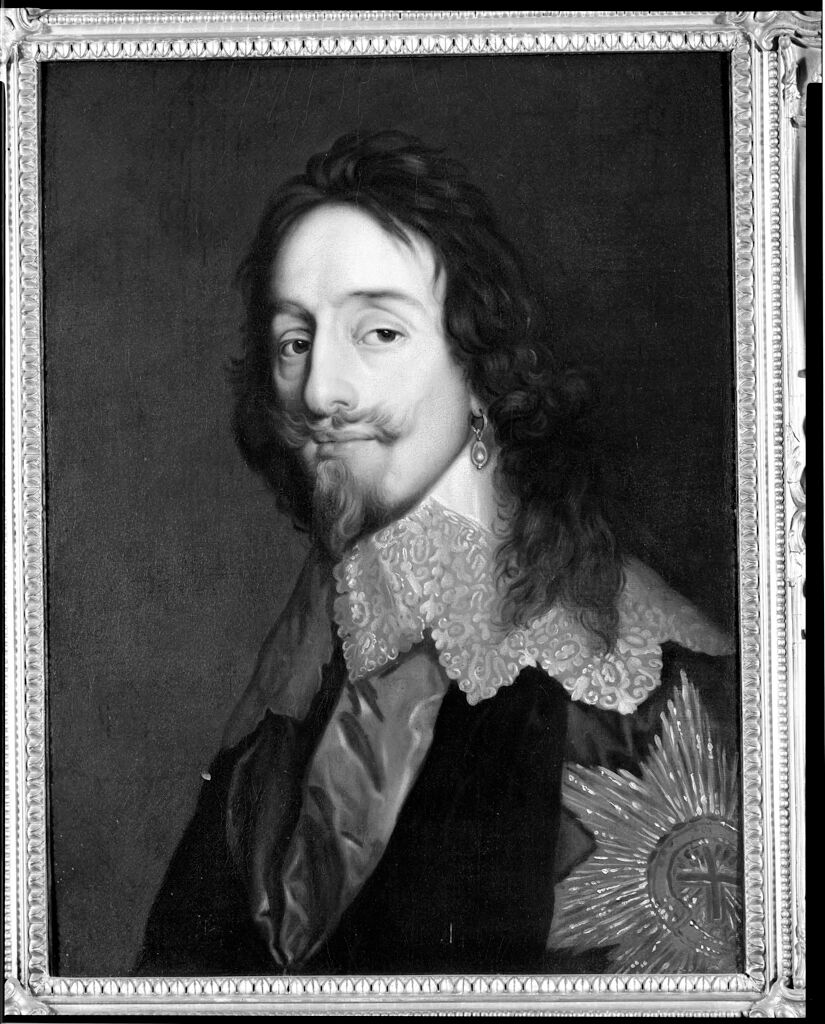
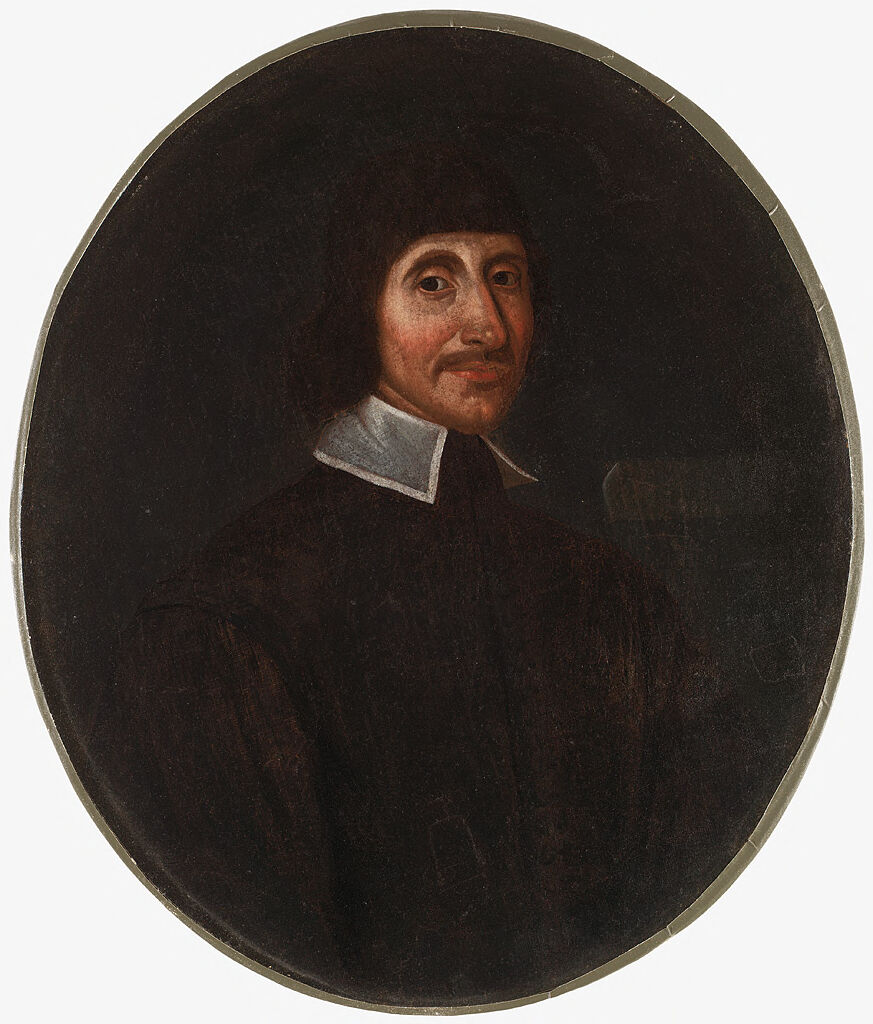
Can paint confess what words never could? In the stillness of this 18th-century portrait, a profound silence hangs in the air, capturing an unspoken dialogue between the subject and the observer. Look to the left at the figure's pensive gaze, seemingly lost in thought. The delicate brushwork reveals a mastery of light and shadow, particularly in the way it caresses the contours of the face, illuminating the deep-set eyes that evoke both vulnerability and strength.
The rich, muted colors envelop the figure, suggesting a world of complexity just beneath the surface, while the textured fabric of the clothing adds a tactile dimension that invites the viewer to reach out and touch the past. Within this artwork lies a tension between appearance and reality, where the serene expression belies the tumult of emotions that may lie beneath. The somber hues contrast with the refined details, hinting at an inner struggle or a moment of introspection that echoes the societal expectations of the era. Furthermore, the composition, with its deliberate pose, speaks to the constraints of identity and the facades often worn in public life.
This portrait, attributed to an unidentified artist working after the style of Reynolds, emerged during a time of great change in the art world. The 18th century saw the rise of portraiture as a means to convey not only likeness but also the complexities of character and status. As artists navigated the balance between realism and idealism, this piece reflects the growing importance of individual narrative within the broader tapestry of society.