Mozarts Grab am St. Marxer Friedhof — History & Analysis
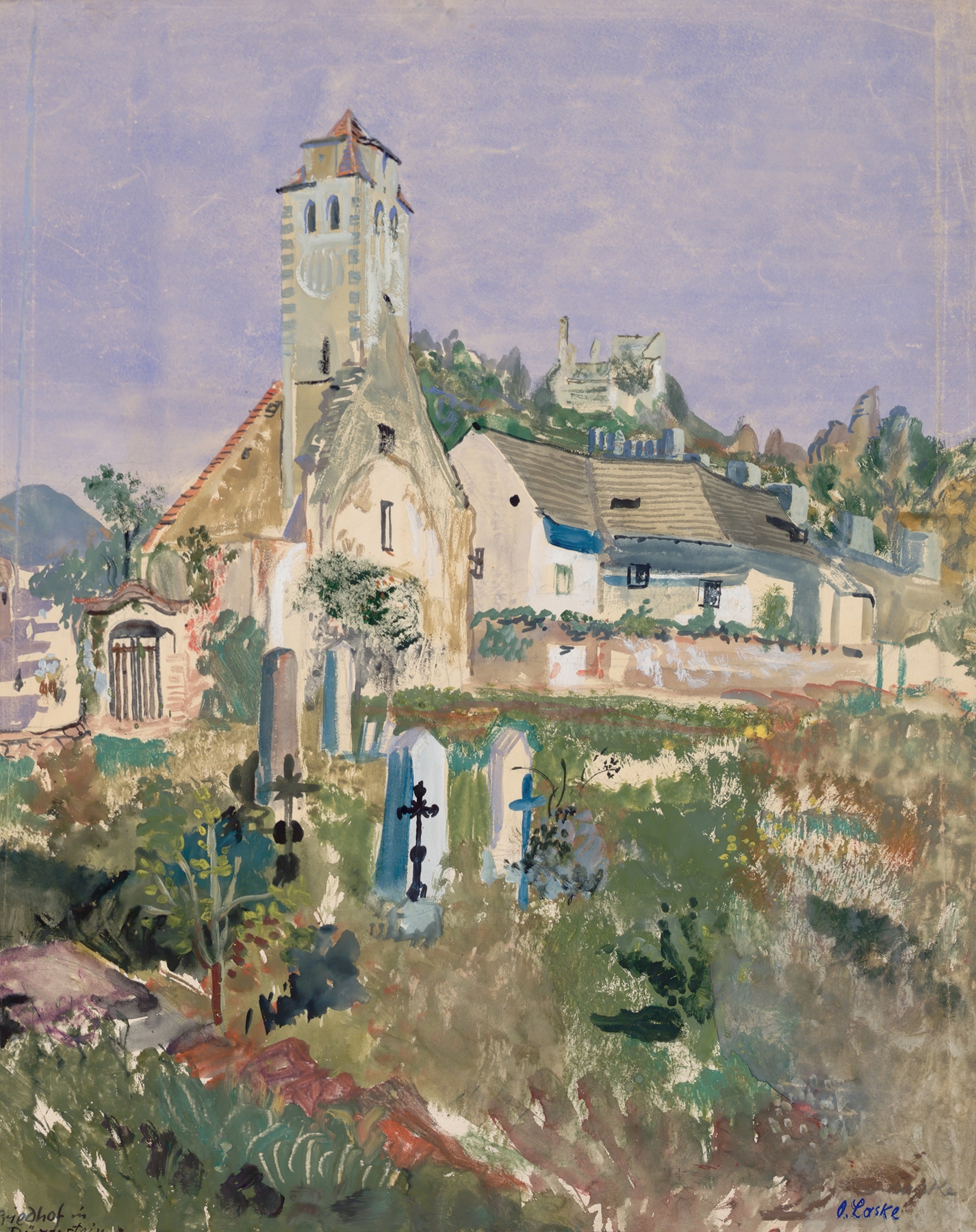
What if silence could speak through light? The interplay of shadows and illumination transforms memory into a tangible experience in this poignant piece. To begin your exploration, look closely at the foreground, where delicate flowers bloom with an ethereal grace. The soft pastels contrast against the somber stone of the grave, and the light that filters through the surrounding trees creates an almost sacred atmosphere. Each brushstroke seems to capture a fleeting moment, inviting the viewer to linger on the juxtaposition of life and death, hope and loss.
Notice how the gentle contours of the grave marker reflect a sense of reverence, grounding the work in a playful yet solemn embrace of nature. Beneath the surface, the painting whispers conversations about innocence and remembrance. The vibrant flora suggests the resilience of the human spirit, a reminder that even in the face of mortality, beauty persists. The tranquil composition evokes a sense of stillness, yet there is a subtle tension between the vibrancy of life and the permanence of death, urging the viewer to contemplate their own connections to those who have come before.
It's this delicate balance that defines the emotional heart of the piece. In 1943, Oskar Laske was navigating the tumultuous currents of war-torn Europe while living in Vienna. The creation of this work occurred during a time when the art world grappled with profound existential themes, reflecting on the fragility of life amid the chaos of conflict. Laske's choice to immortalize this tranquil resting place for one of classical music's greats speaks to both personal and collective loss, capturing a moment in history where the echoes of innocence sought refuge in memory.