From One’s Own Villa — History & Analysis
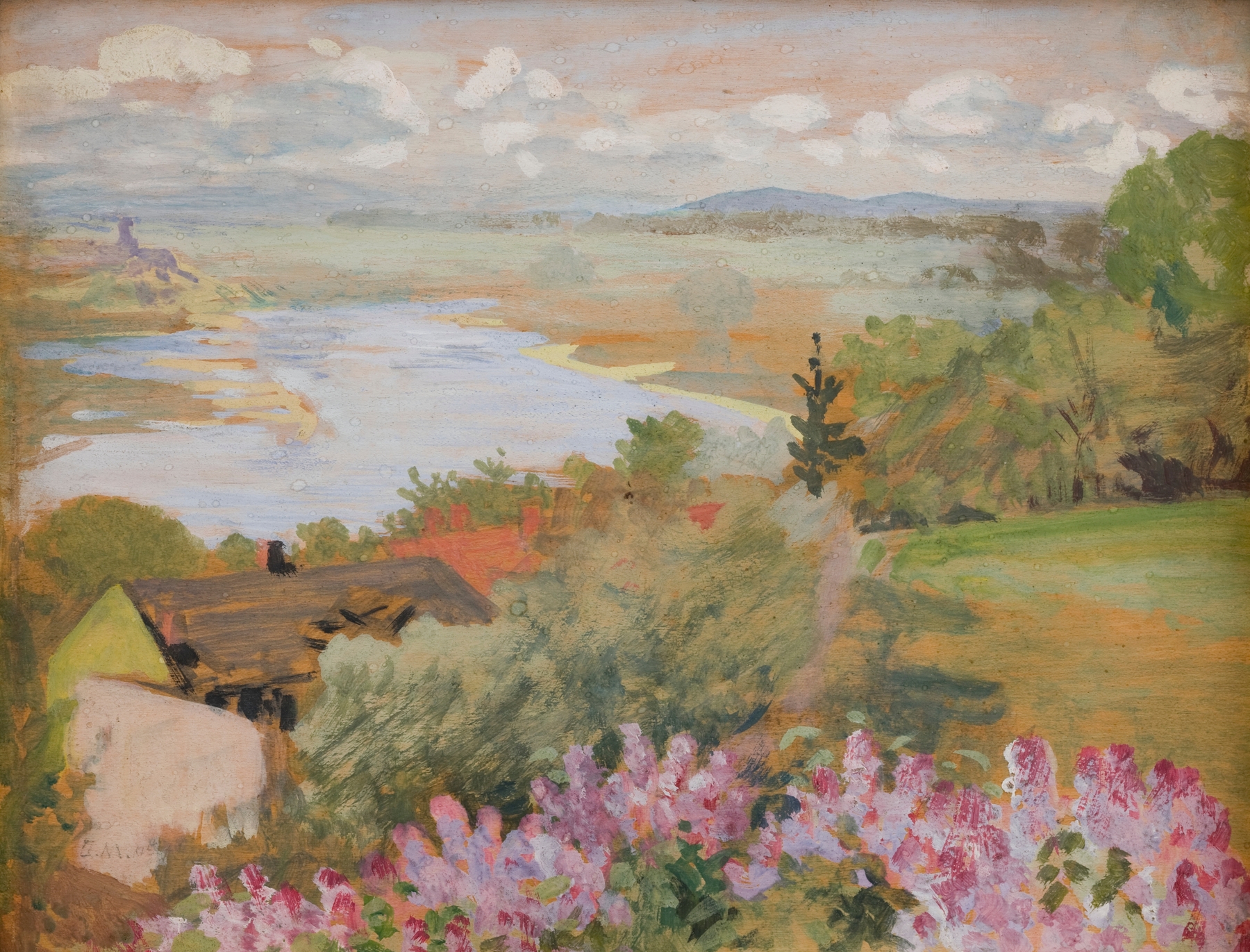
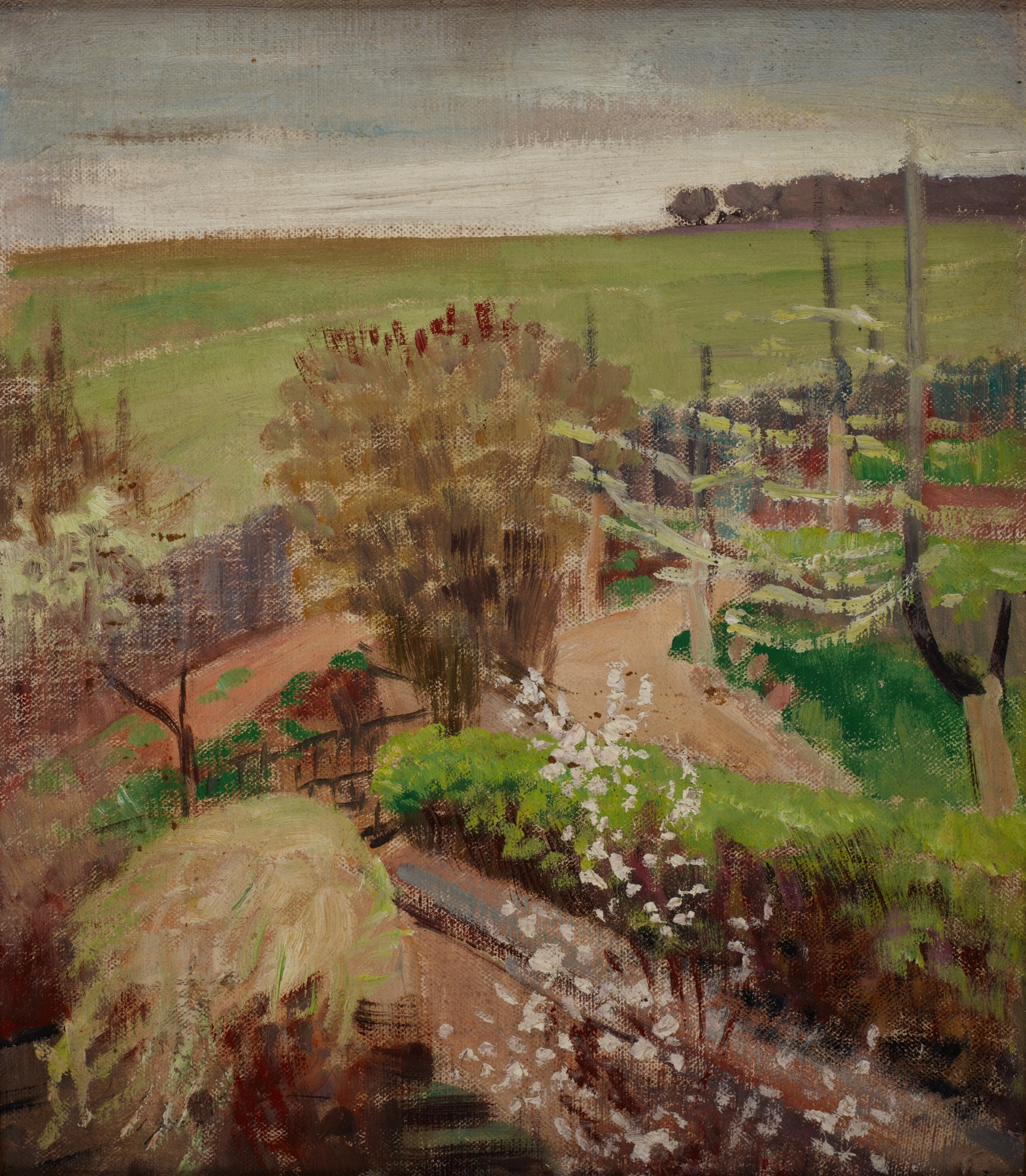
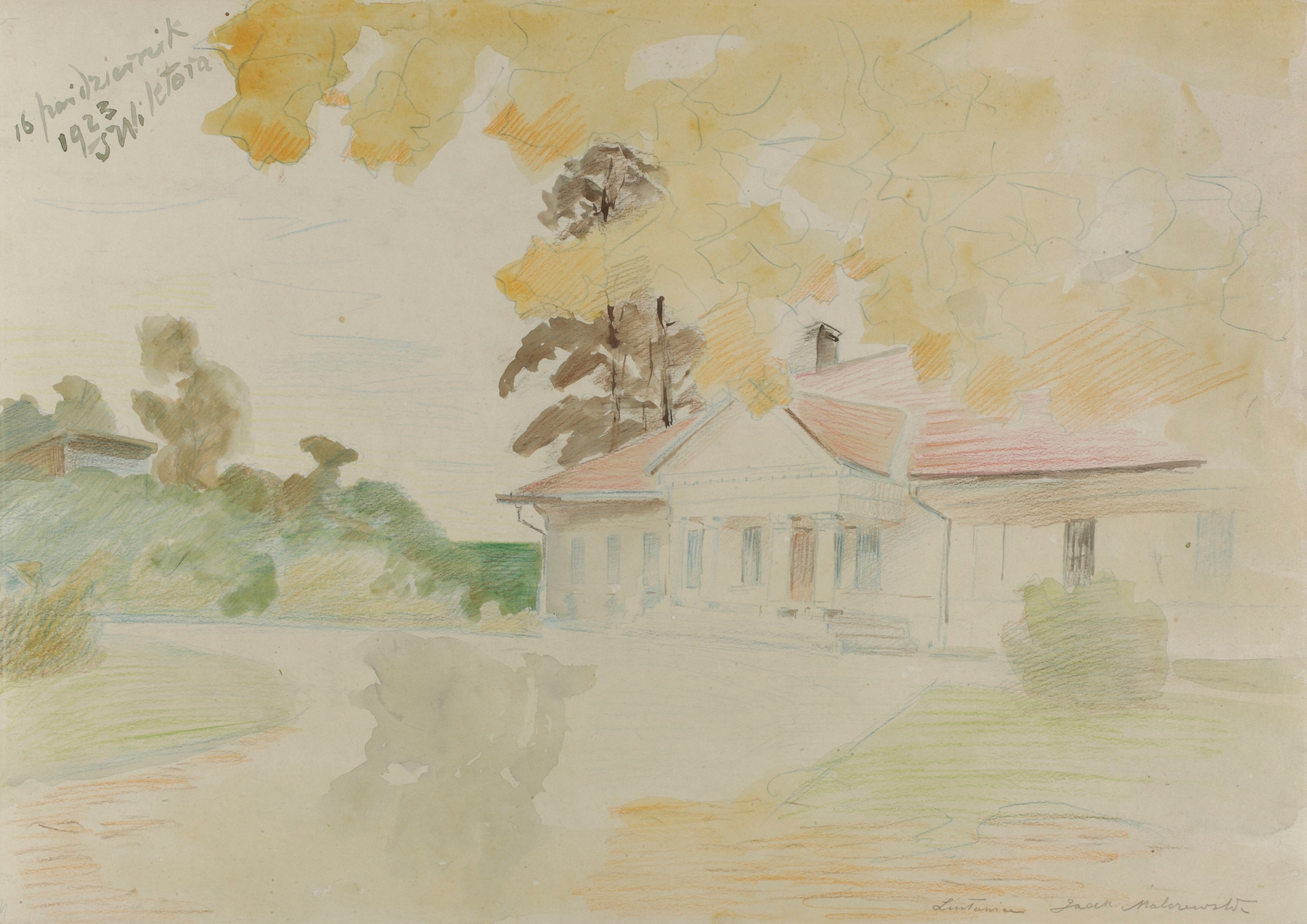
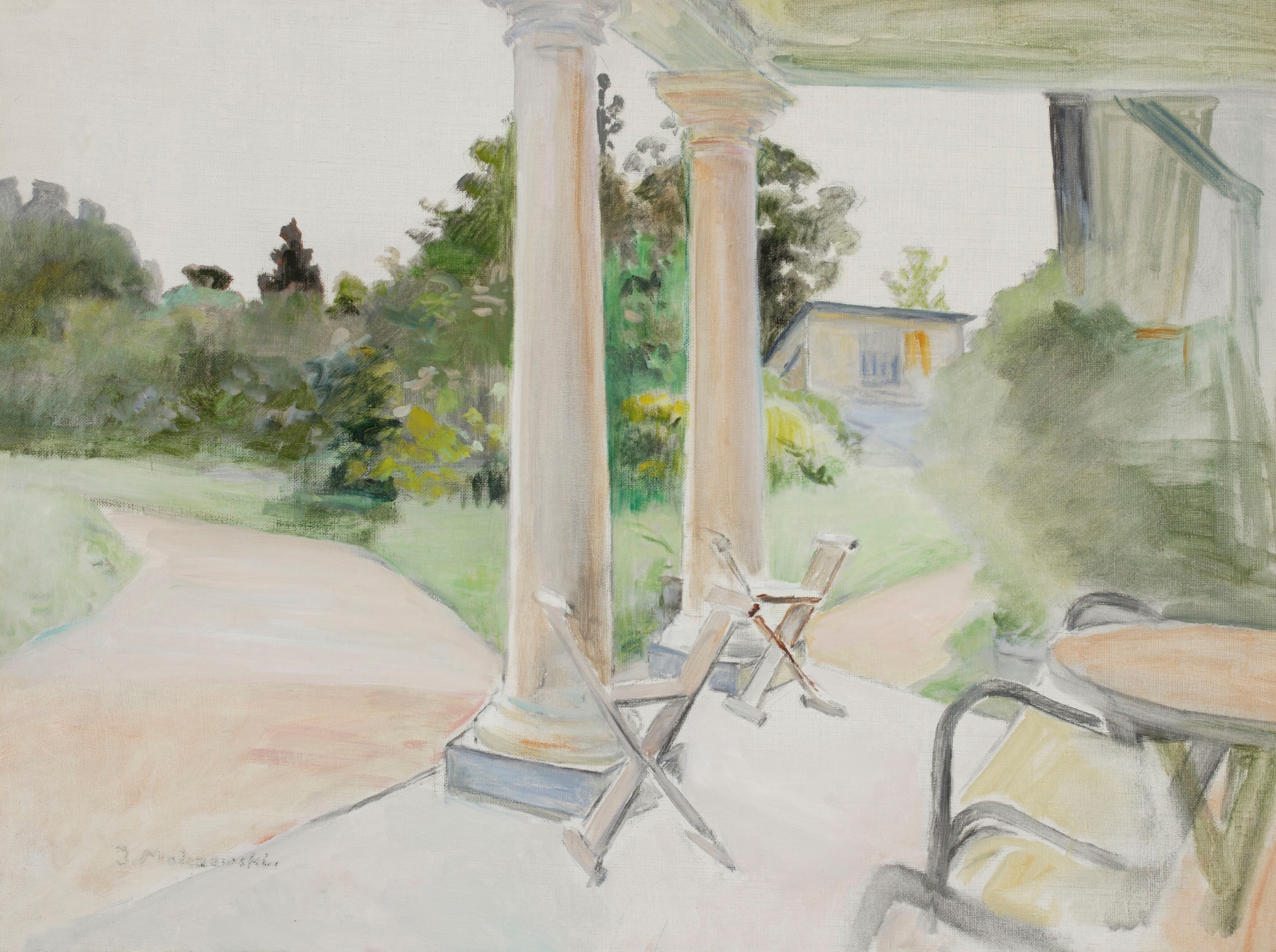
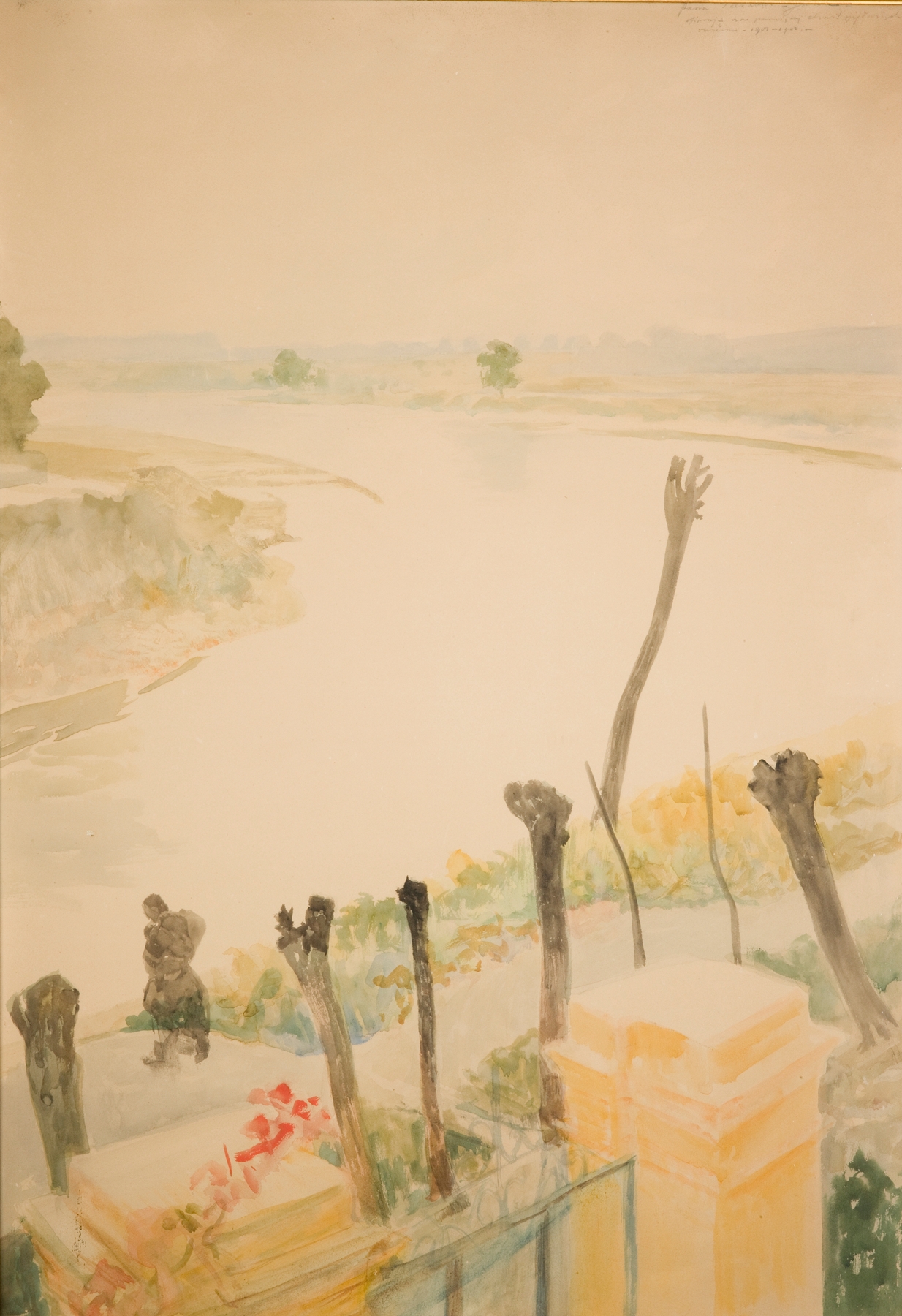
When did color learn to lie? In From One’s Own Villa, the lush hues beckon, inviting the viewer into a realm where beauty is woven with deeper truths and veiled emotions. Focus on the verdant greens and soft pastels that dominate the canvas, creating a serene yet enigmatic atmosphere. Look closely at the intricate details of the villa’s façade, where sunlight dances upon the textured walls, casting playful shadows that suggest a quiet but compelling story.
Notice how the vibrant blossoms in the foreground draw the eye, their colors almost too perfect, hinting at nature’s façade of beauty while concealing the complexities of life beneath. In this painting, the juxtaposition of the idyllic landscape and the looming villa evokes a sense of nostalgia and introspection. The flowers, while strikingly beautiful, may symbolize fleeting moments, reminding us that beauty often masks deeper sorrows. The villa itself stands as a metaphor for the artist’s own experiences—an emblem of both sanctuary and confinement, inviting viewers to reflect on their own perceptions of home and belonging.
The serene surface belies the tumult of emotions that the artist sought to express. In 1910, Jacek Malczewski created this work during a time when Poland was under partitions, reflecting a complex interplay of national identity and personal expression. Living in a period of artistic innovation, he engaged with symbolism and the exploration of inner visions, which became a hallmark of his style. This painting encapsulates both his artistic ambitions and the broader cultural currents of the time, revealing the profound connections between personal aesthetics and collective history.