Front of the New Mills — History & Analysis
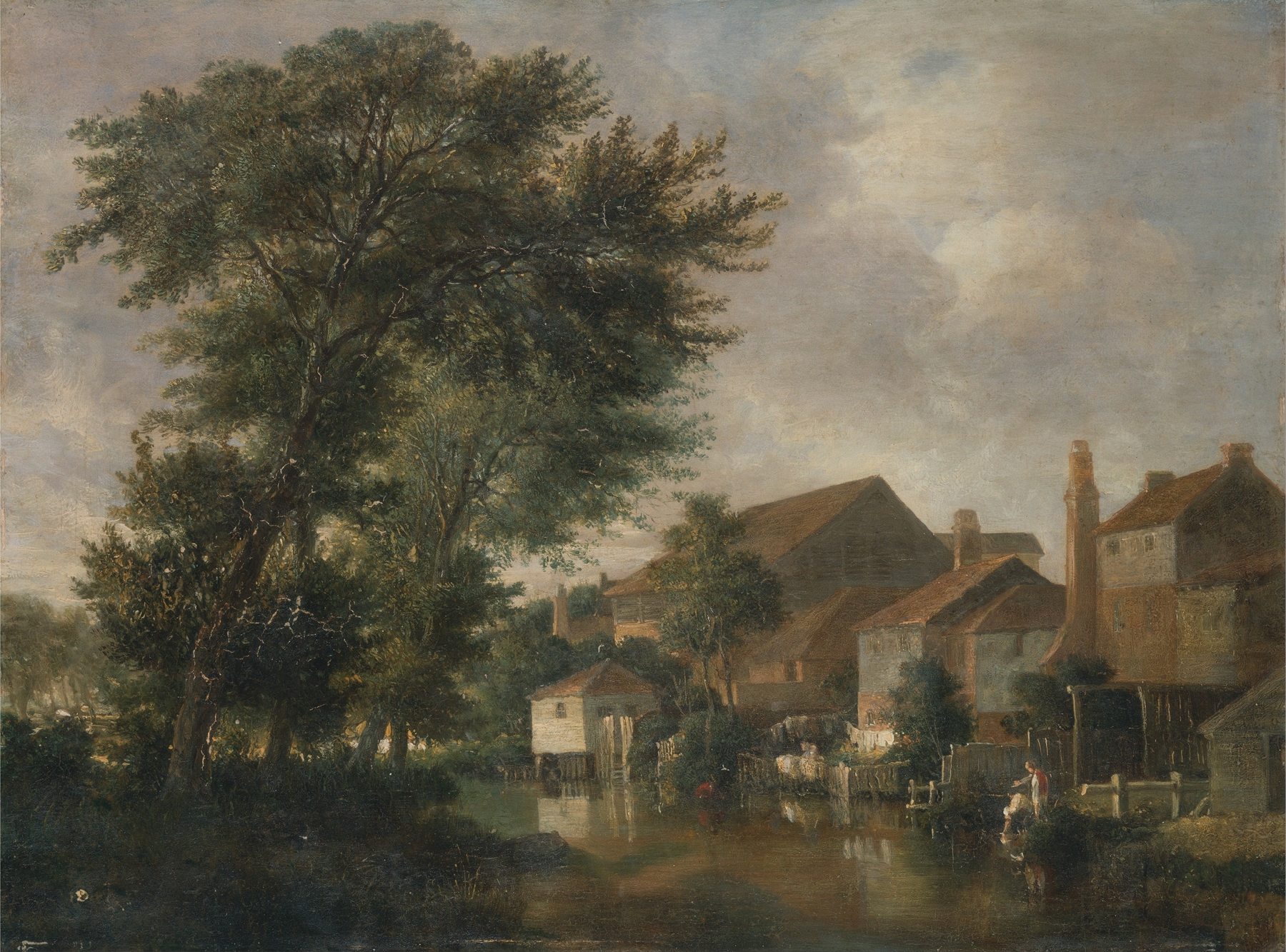
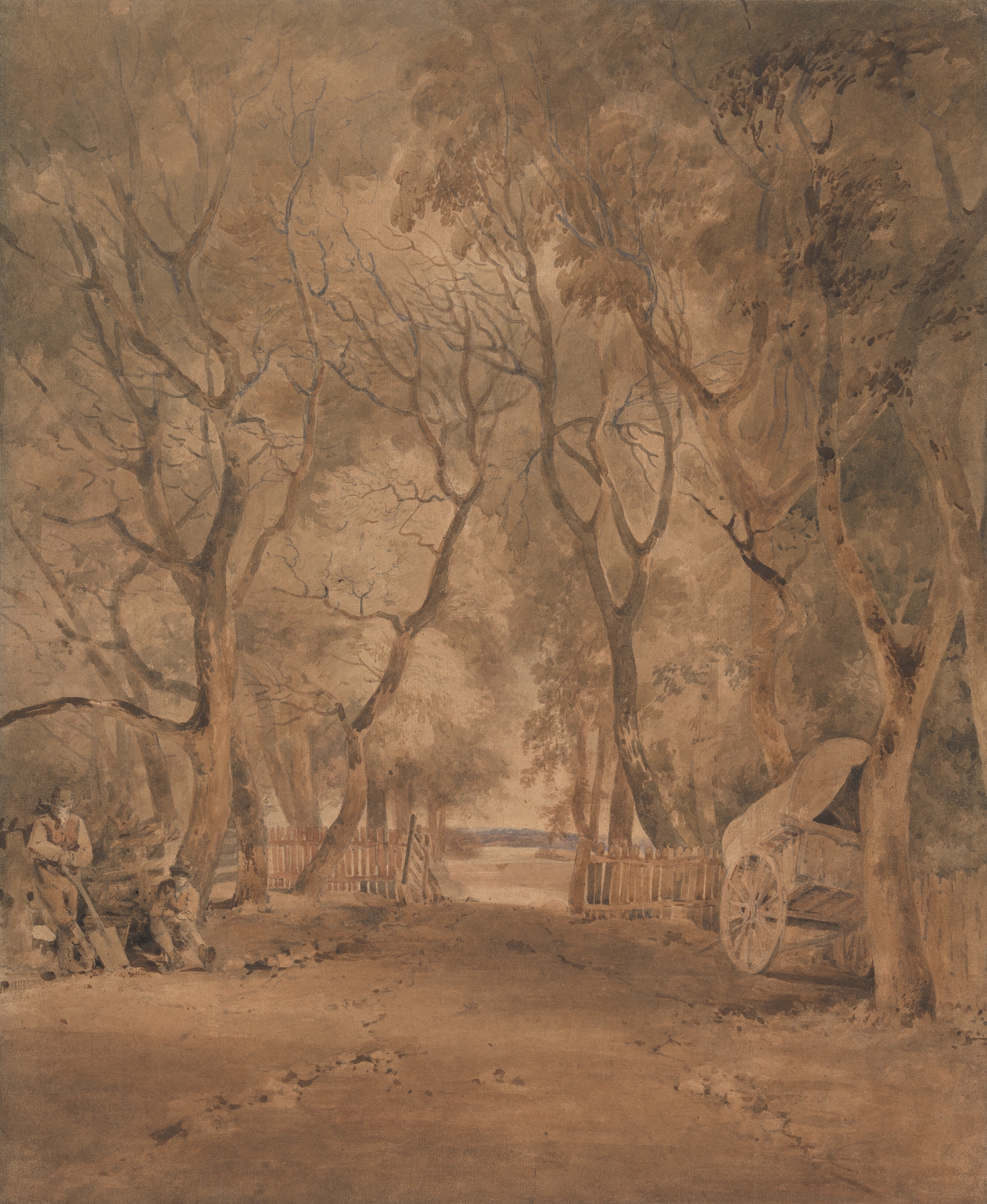
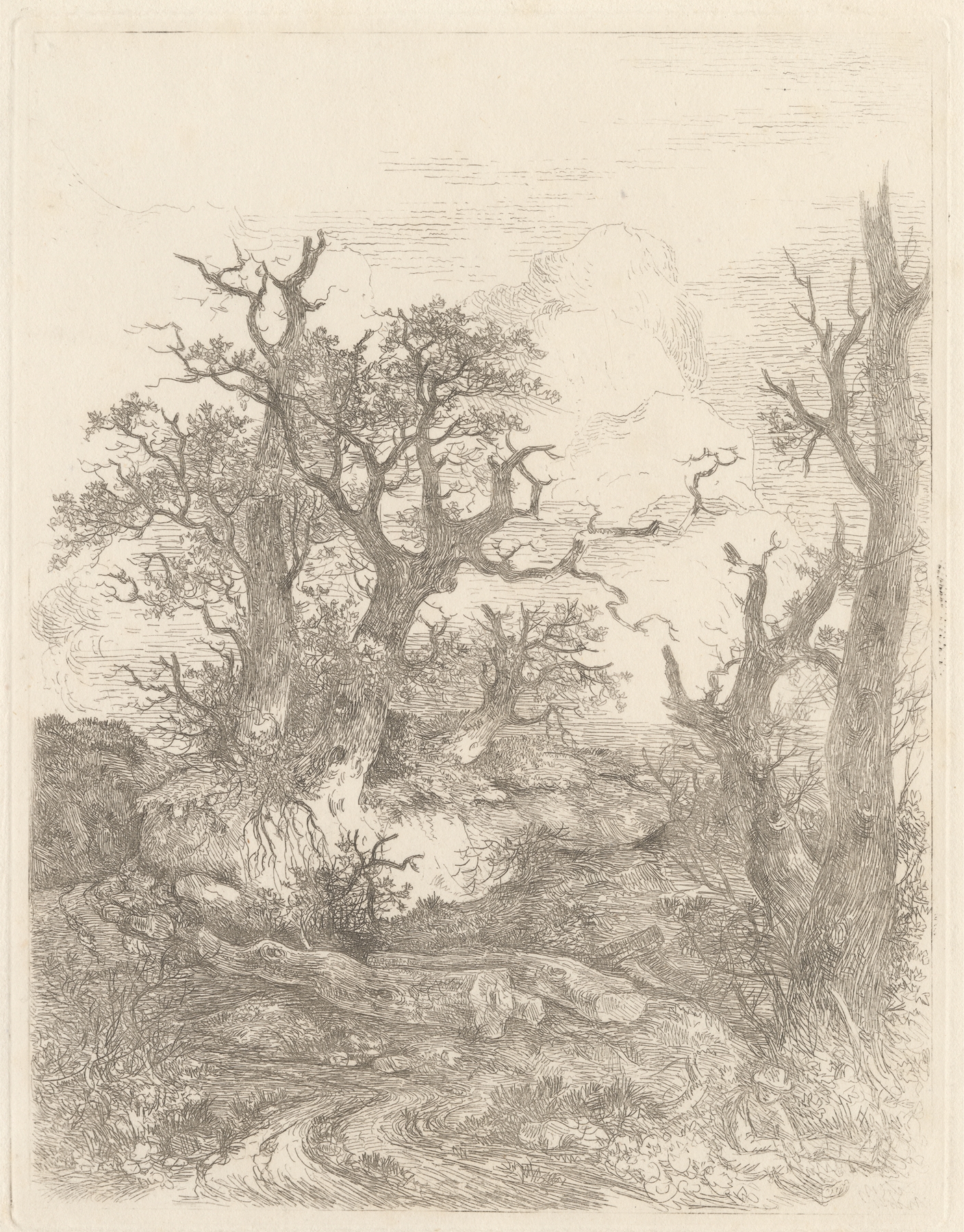
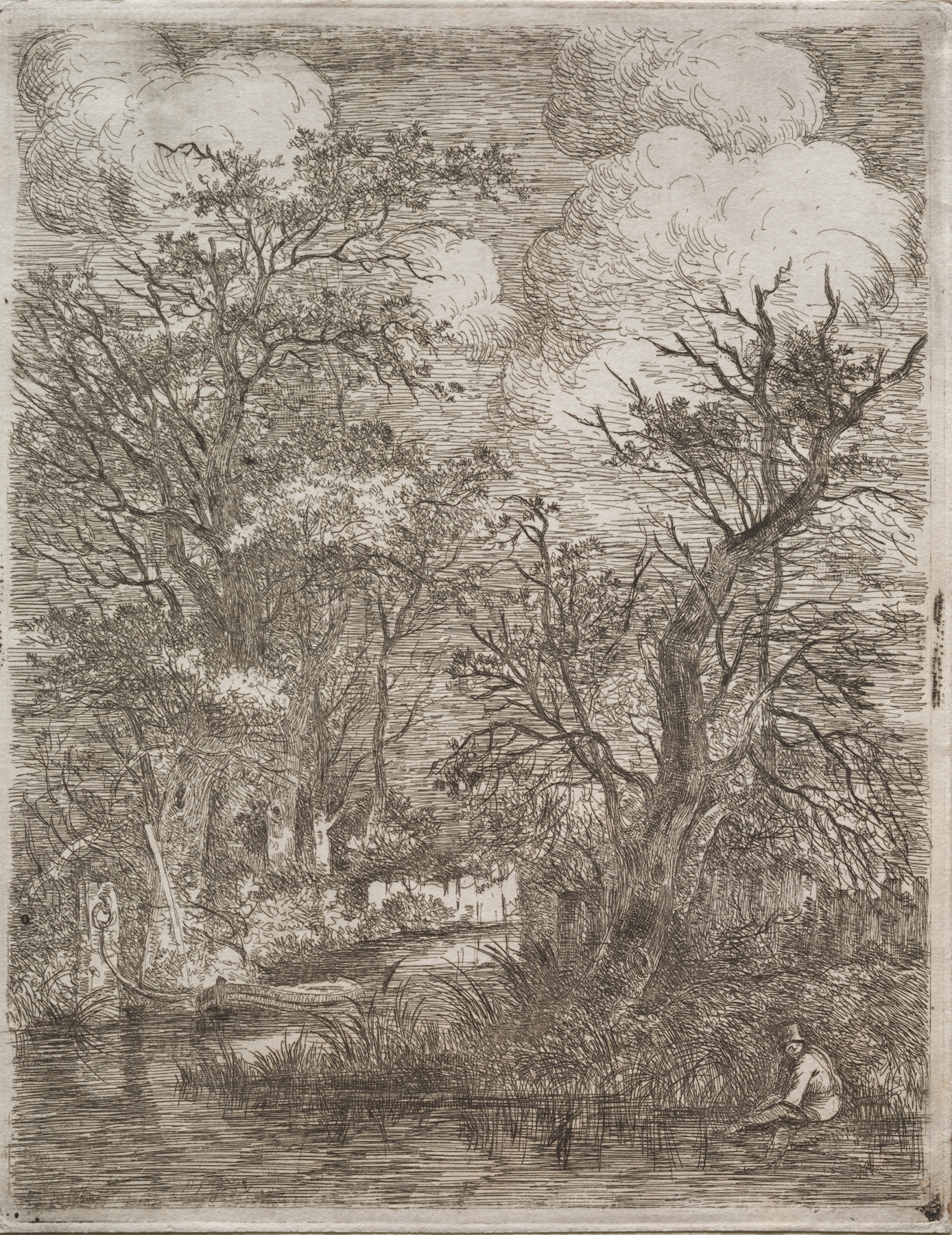
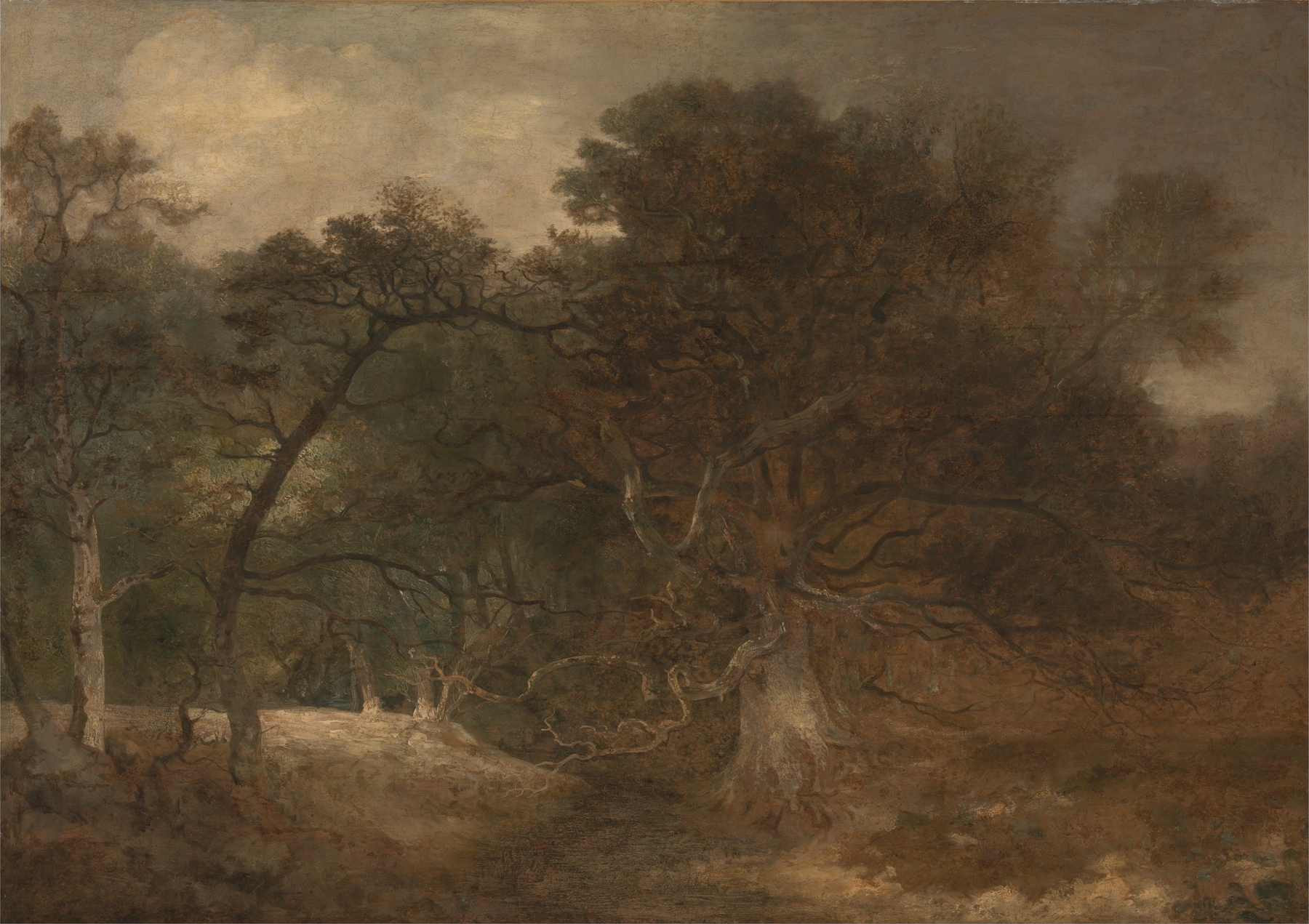
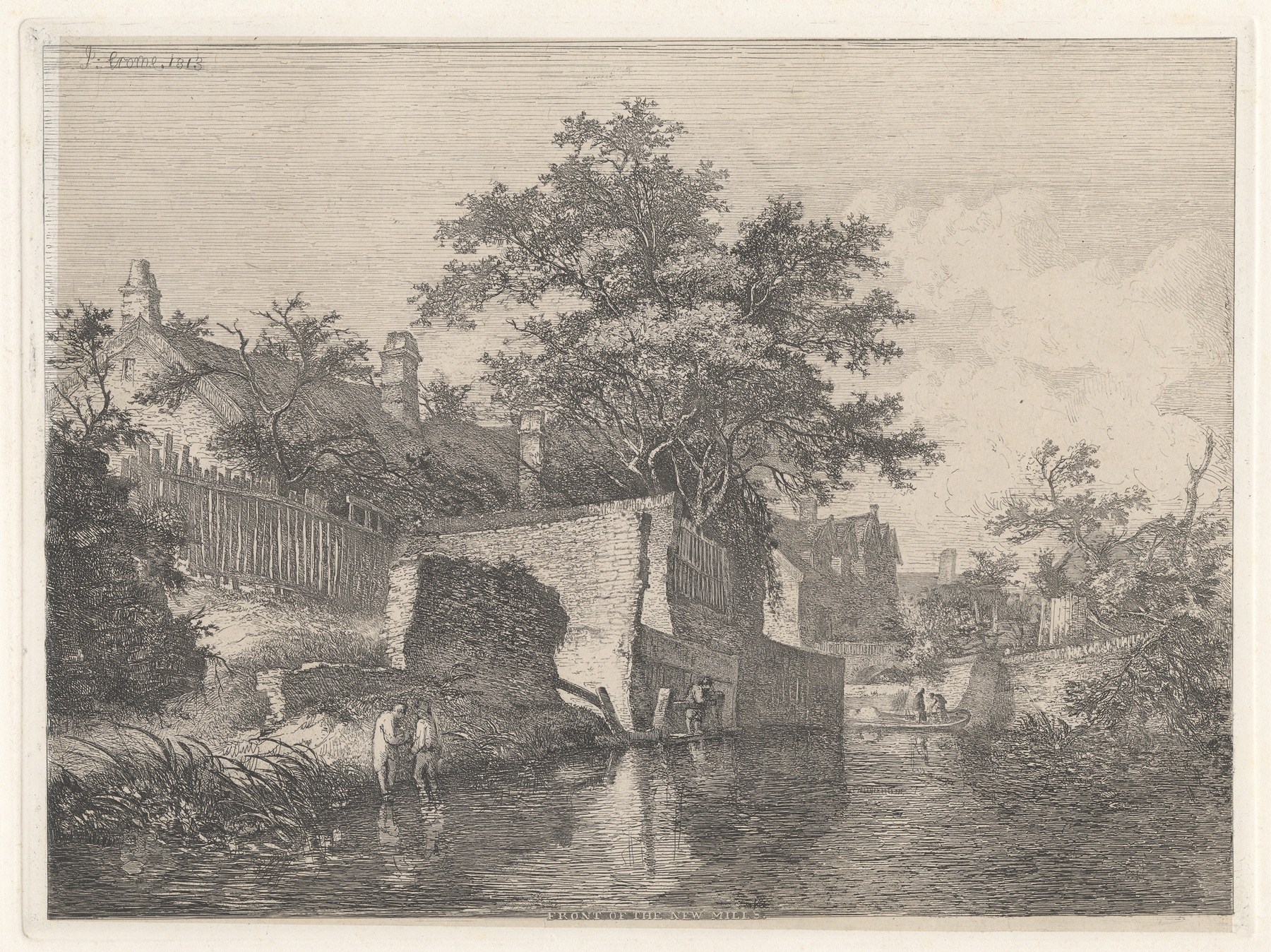
“Under the brush, chaos becomes grace.” Art has the extraordinary power to encapsulate profound emotions, transcending time and space; nothing illustrates this better than the quiet sorrow woven into Front of the New Mills. Look to the center, where the textured strokes of the foliage create a harmonious yet restless interplay of green and earthy tones. The mills tower in the background, their stoic presence juxtaposed against the gentle ripples of the water below. Notice how the light filters through the trees, casting dappled shadows that evoke a sense of nostalgia.
Each brushstroke tells a story of labor and community, encapsulating a moment where nature converges with human endeavor. The contrast between the serene riverbank and the industrious mills hints at a deeper narrative of loss and progress. The gentle water reflects a stillness that stands in stark opposition to the mechanical presence of the mills, suggesting a melancholic tug-of-war between nature and industrialization. Crome’s choice of muted colors and soft textures conveys a mourning for a simpler past, urging viewers to ponder what has been sacrificed in the name of advancement.
In 1813, John Crome painted this piece in Norwich, a bustling hub of the early industrial revolution, where he witnessed the transformation of the English landscape. Crome was deeply influenced by the effects of industrialization on his beloved countryside, and this painting reflects both his love for nature and his grief at its changing face. As one of the key figures in the Norwich School, he sought to capture the essence of his surroundings during a period of significant transition in art and society.