Gegend bei Ischl — History & Analysis
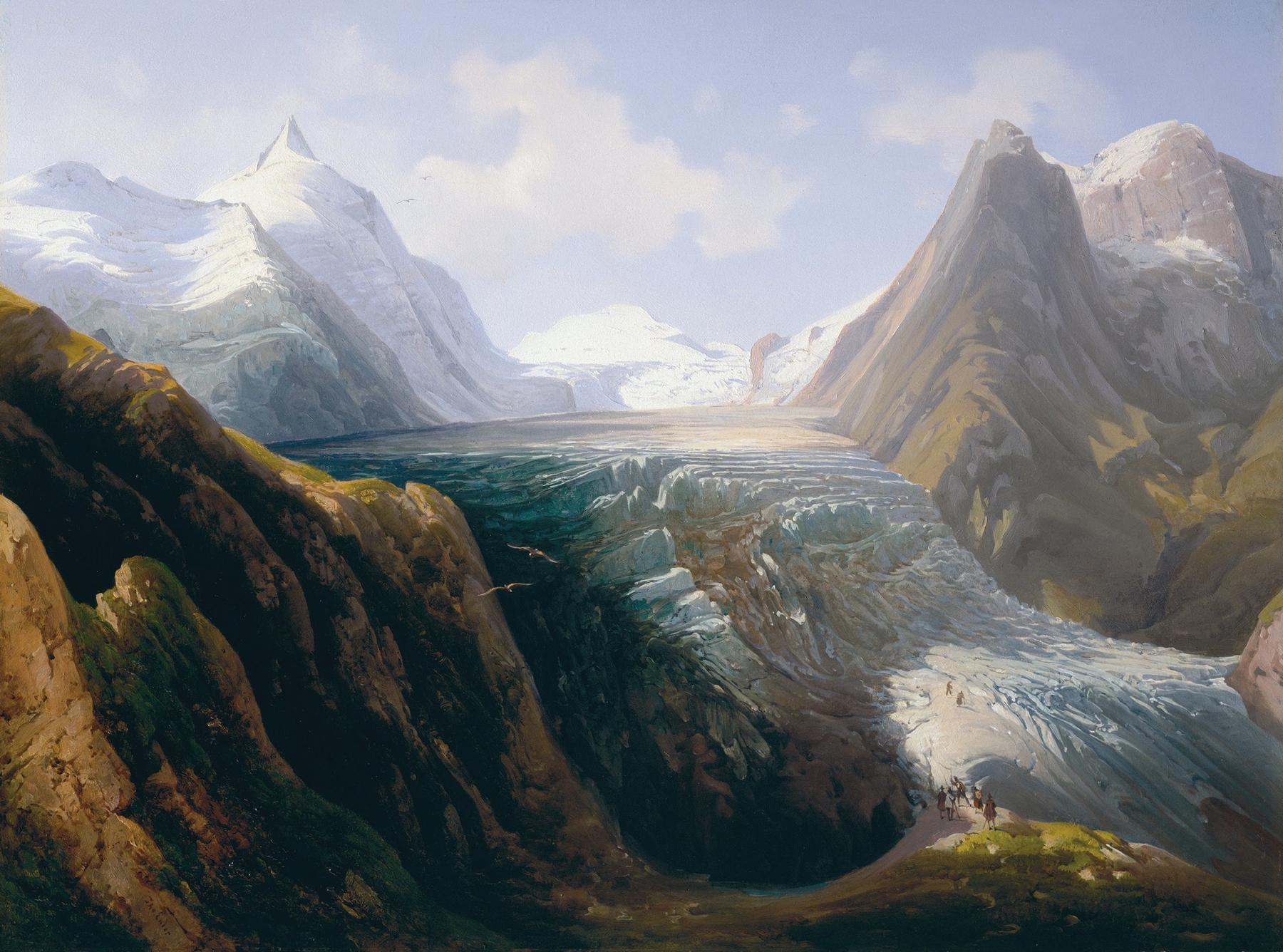
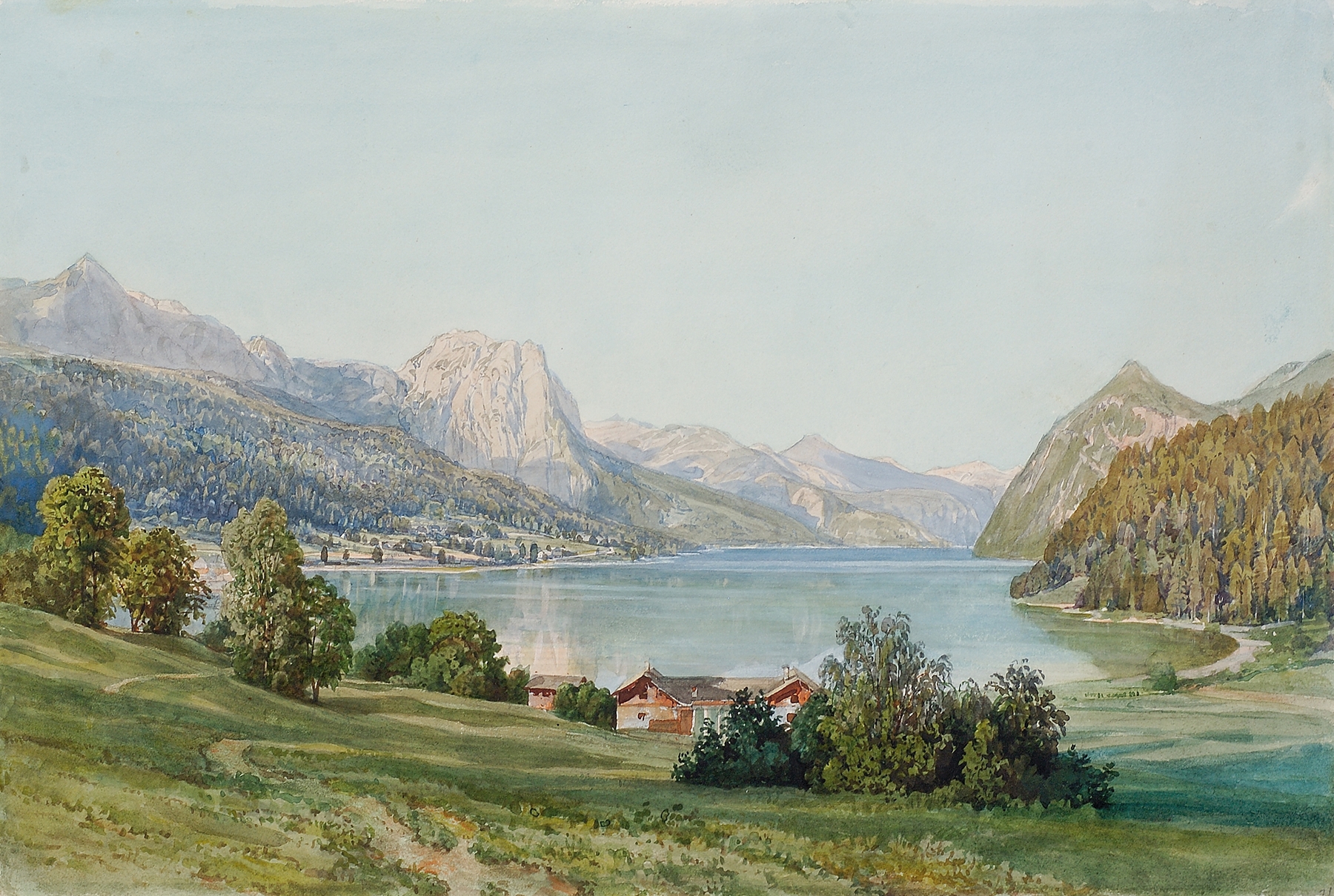
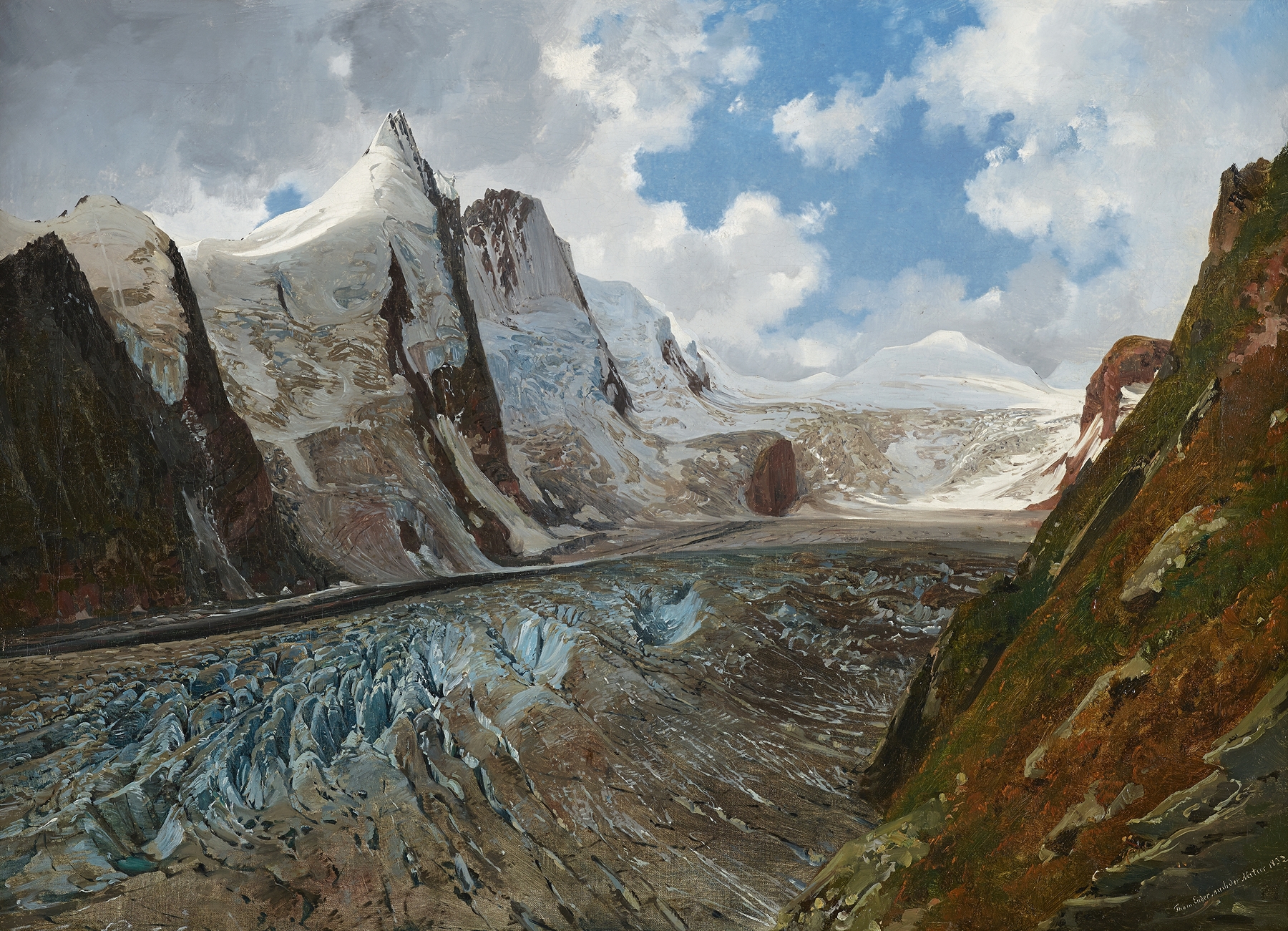
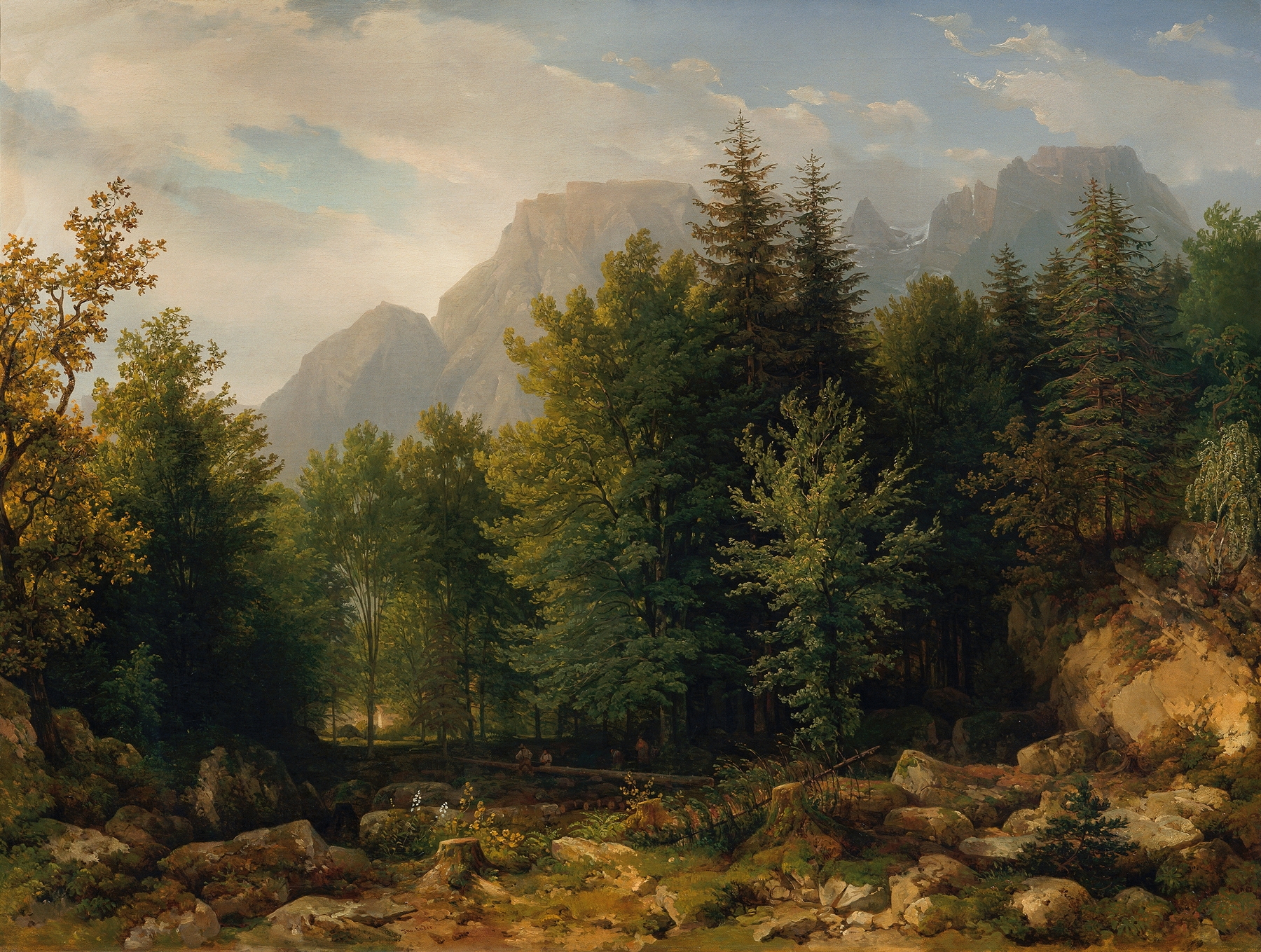
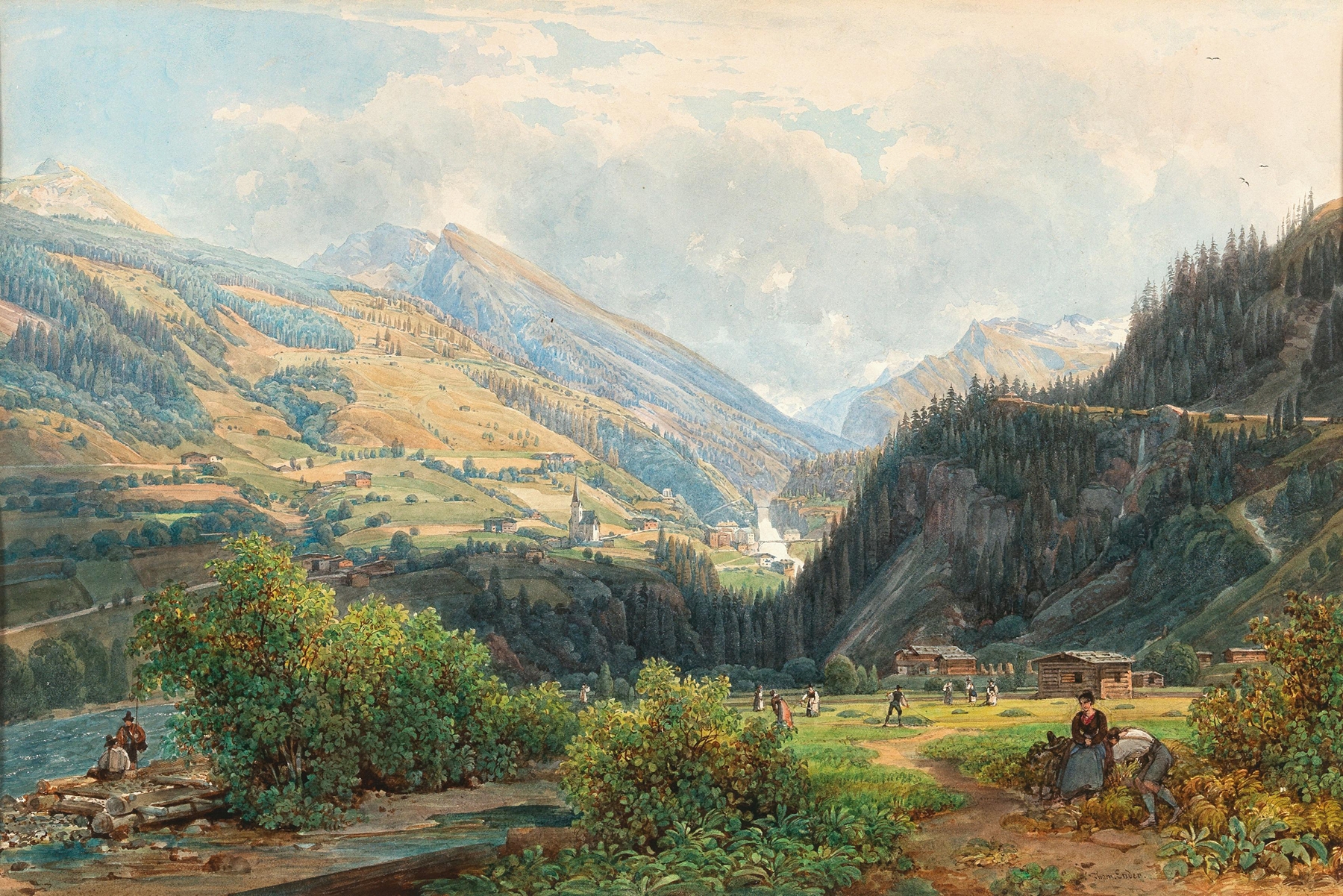
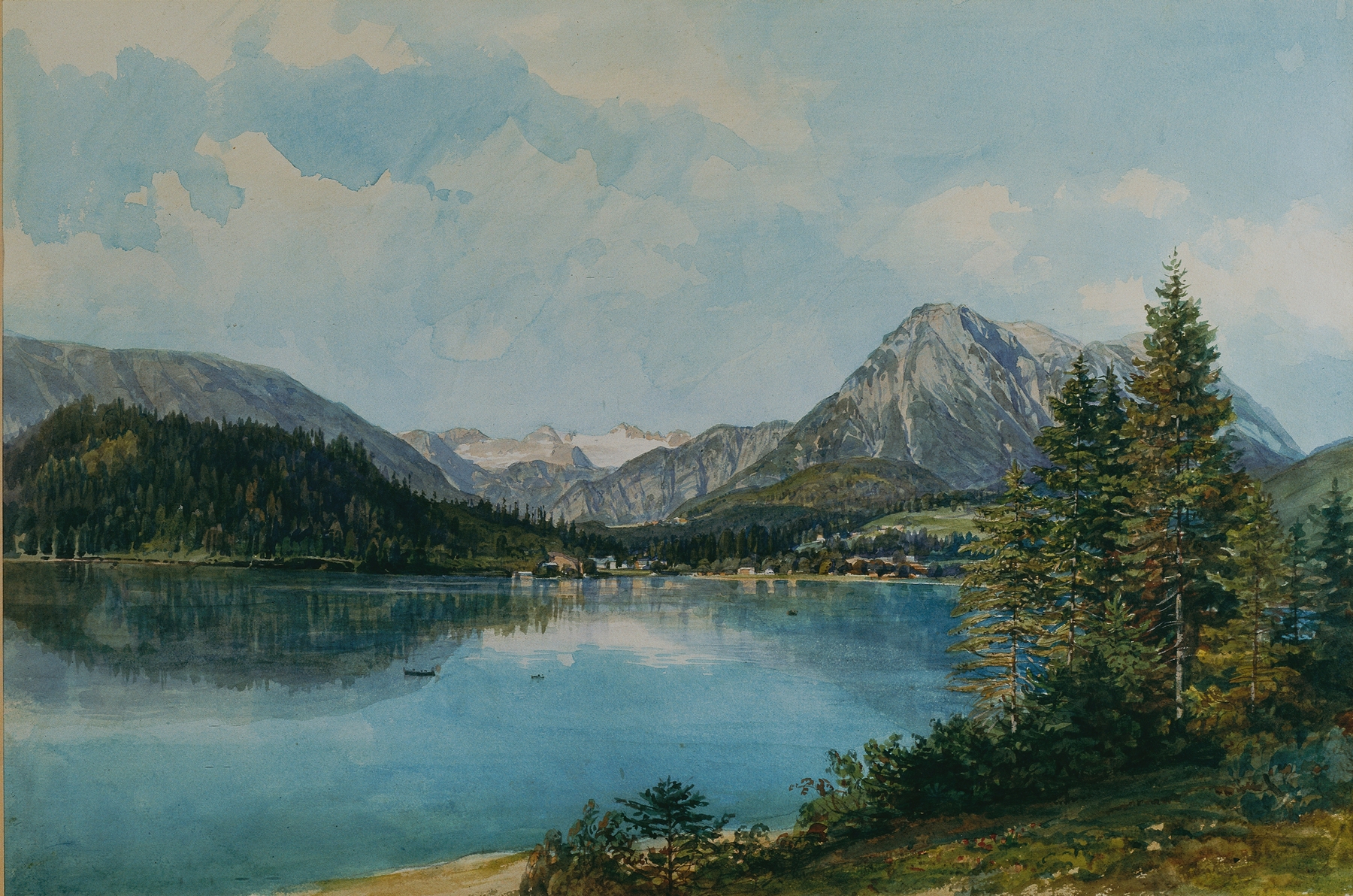
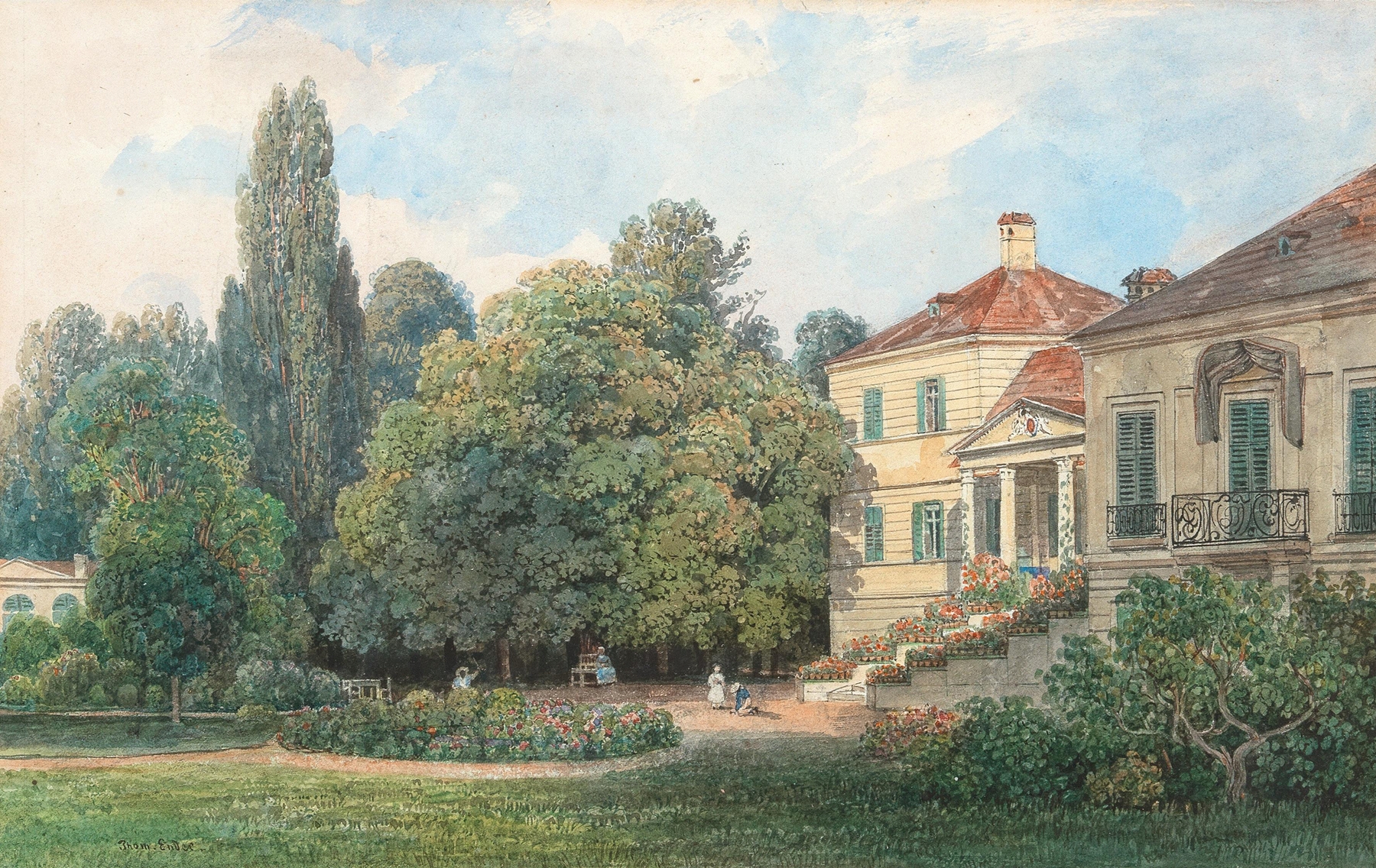
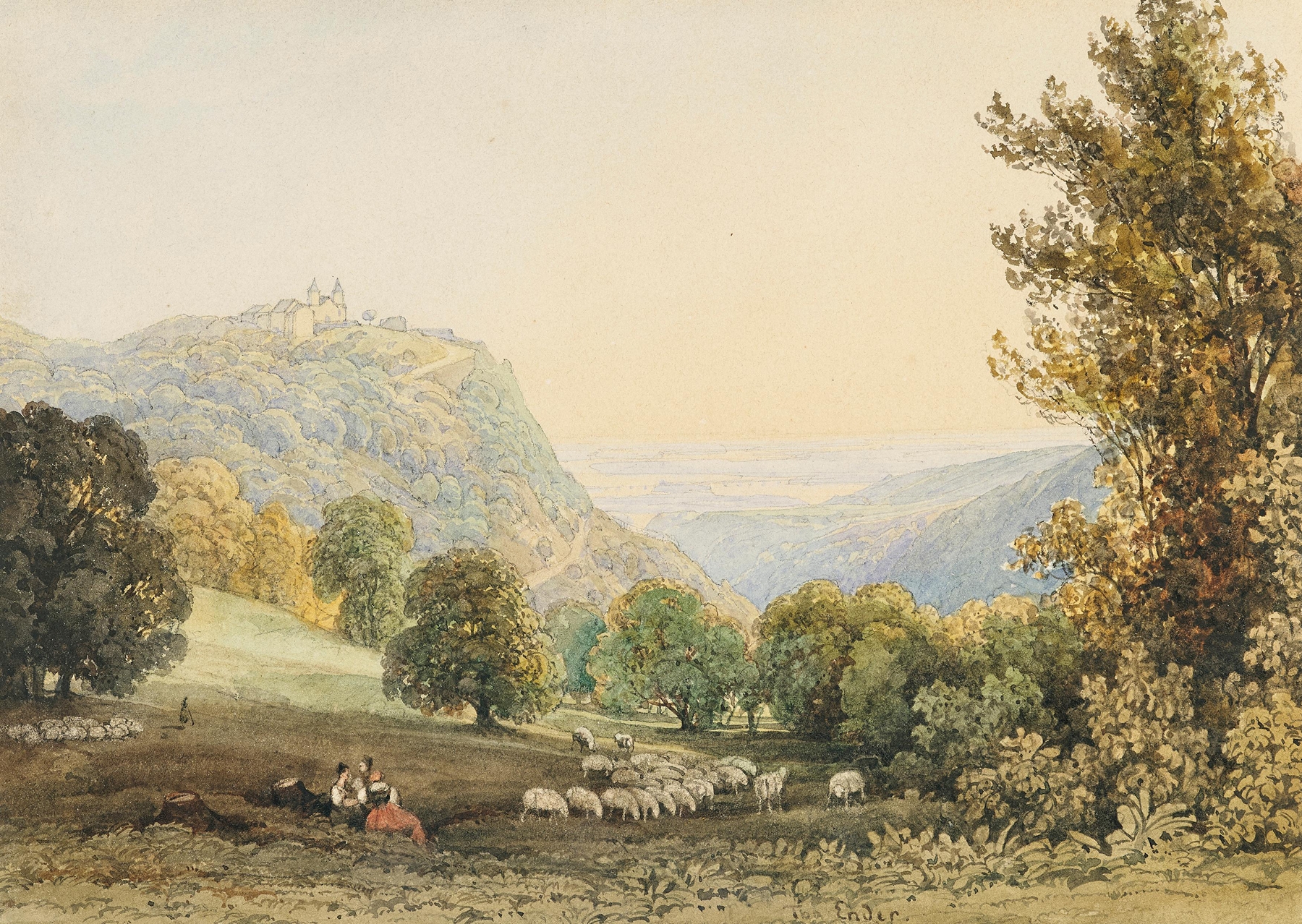
Can beauty exist without sorrow? In Gegend bei Ischl, the delicate interplay of light and landscape invites viewers to ponder the duality of existence, revealing hope nestled within the shadows of nature's splendor. Look to the left at the ethereal mist that clings to the valleys, almost as if the earth breathes in the quiet of dawn. The rolling hills recede into a soft, muted palette of greens and blues, while vibrant strokes illuminate the foreground, suggesting the warmth of sunlight breaking through the cool morning air.
Bold brushwork captures the texture of the trees and the undulating landscape, guiding your gaze through the harmonious composition, where nature's bounty unfolds with serene grace. Yet, beneath this tranquil surface lies a poignant tension: the contrast between the vibrancy of life and the subtle hints of melancholy in the shadows. The juxtaposition of light and dark suggests an unspoken story—perhaps of the passage of time or the inevitability of change. Each element, from the distant mountains to the still waters, resonates with an emotional depth that evokes a sense of longing, a reminder that beauty is often intertwined with the complexities of existence.
In 1828, when this piece was created, Thomas Ender was immersed in the Romantic movement, seeking to capture the sublime aspects of nature. Working in his native Austria, he was surrounded by a world that balanced burgeoning industrialization with the timeless beauty of the natural landscape. This was a period of both personal exploration and artistic evolution for him, as he aimed to convey the spiritual connection humans have with their environment, reflecting the broader characteristics of his contemporaries in the art world.