Gezicht in een tuin met een vijver, een fontein en een pauw — History & Analysis
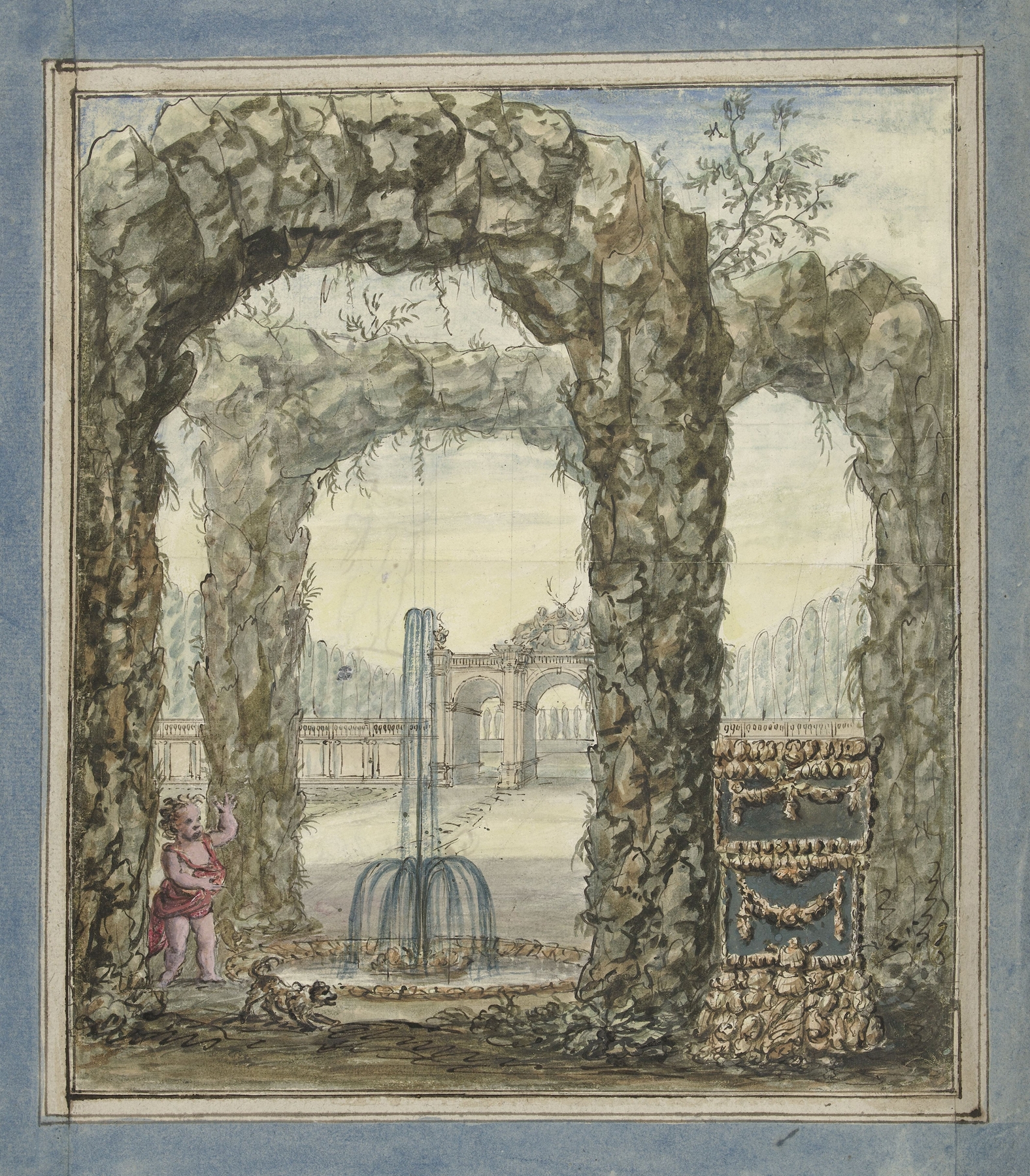
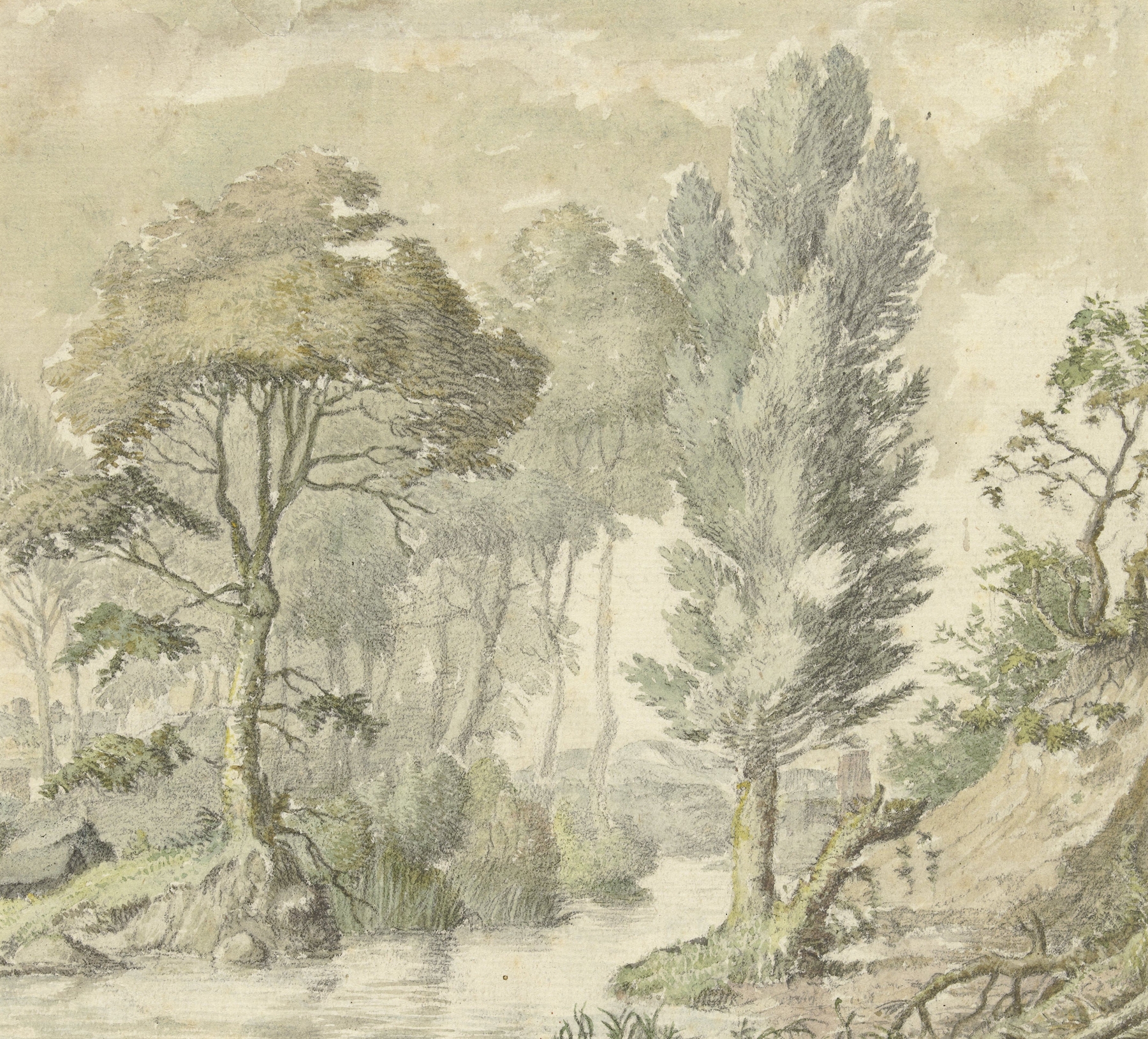
“The canvas doesn’t lie — it simply waits.” In the stillness of a garden, every brushstroke whispers the secrets of awe and beauty. Here, nature unfolds in untamed splendor, inviting the observer to step closer and breathe in the vivid arrangements of life. Look to the left at the delicate fountain, its water cascading in shimmering arcs that catch the light like diamonds against a backdrop of lush greenery. Notice how the rich greens envelop the vibrant plumage of the peacock, its feathers sprawled in a stunning display of color, contrasting with the soft hues of the garden.
The composition, with its balanced yet dynamic interplay of flora and fauna, draws the eye into a realm where elegance reigns, each element meticulously rendered to evoke a sense of serenity. Beneath the surface of this picturesque scene lies a deeper interplay between nature and artistry. The peacock, a symbol of pride and beauty, stands as a testament to the transitory nature of glory—a reminder that all splendor fades. The carefully arranged elements suggest a harmony in chaos, as if the garden reflects the artist’s own emotions, caught between admiration for the natural world and an awareness of its ephemeral nature.
Elias van Nijmegen painted this enchanting scene in the 17th century, during a time when the Netherlands was flourishing in the arts, yet grappling with the complexities of identity and culture. His work often bridged the gap between the natural and the cultivated, revealing the artist's profound connection to the beauty around him and the artistic innovations of the period. This painting captures a moment in time—a quiet reflection of life’s wonders amid the changing tides of history.