Gezicht op Acquoy aan de Linge — History & Analysis
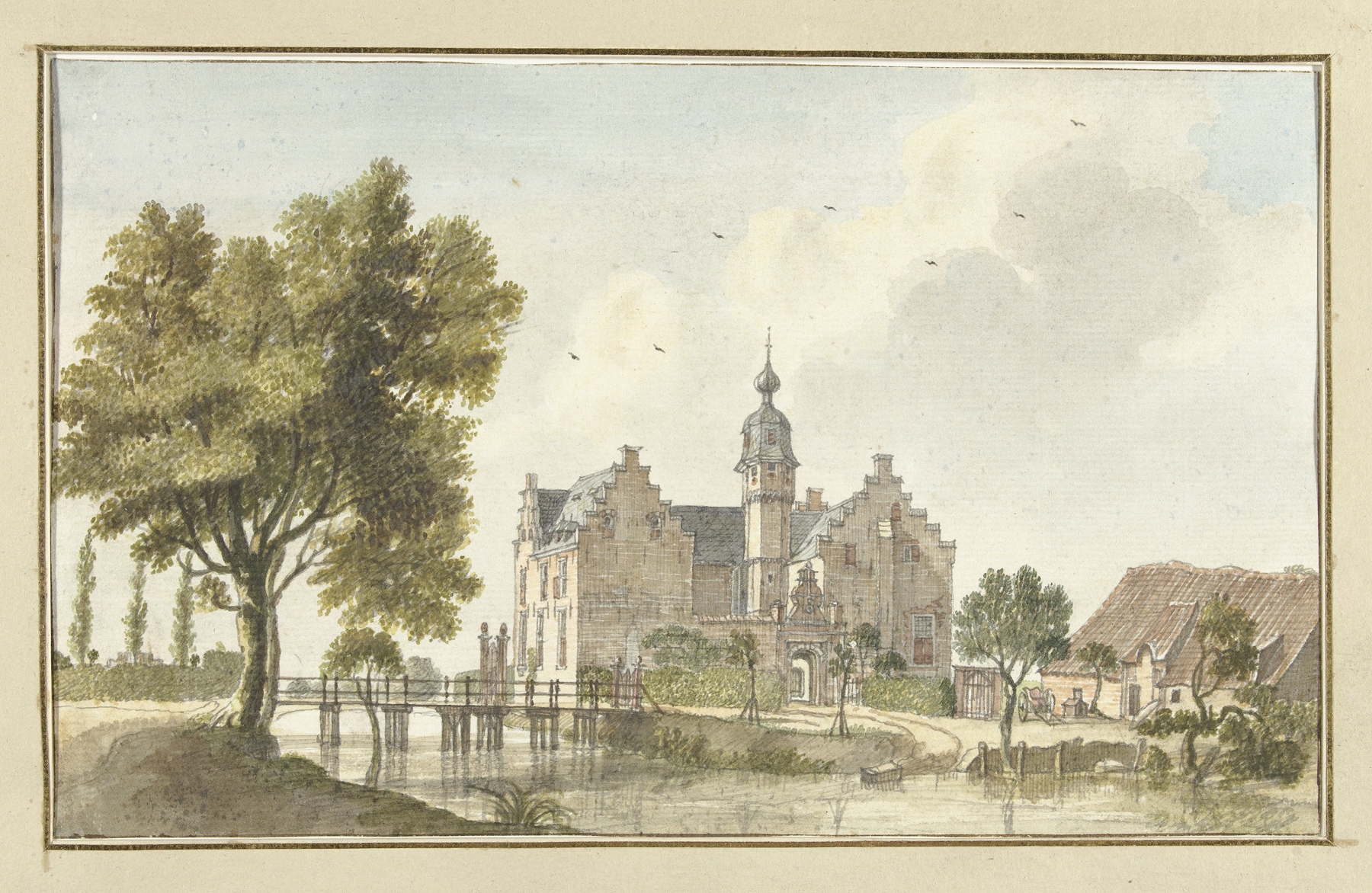
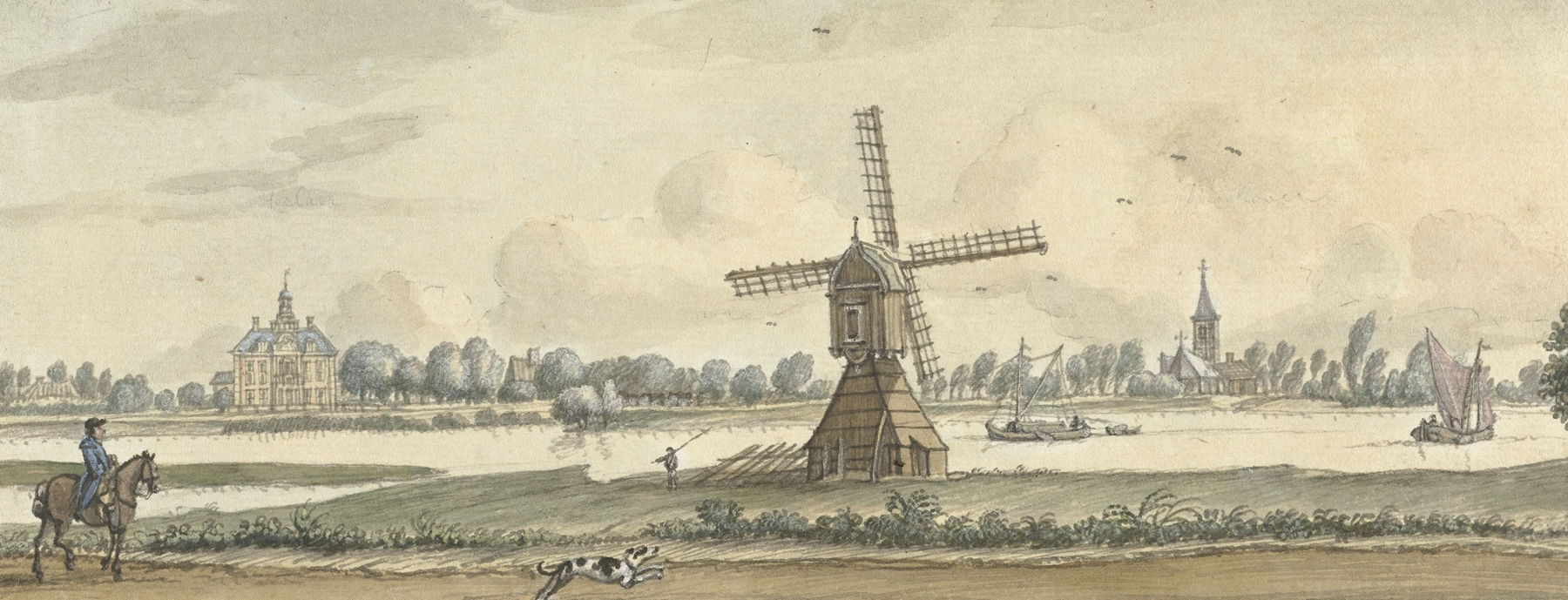
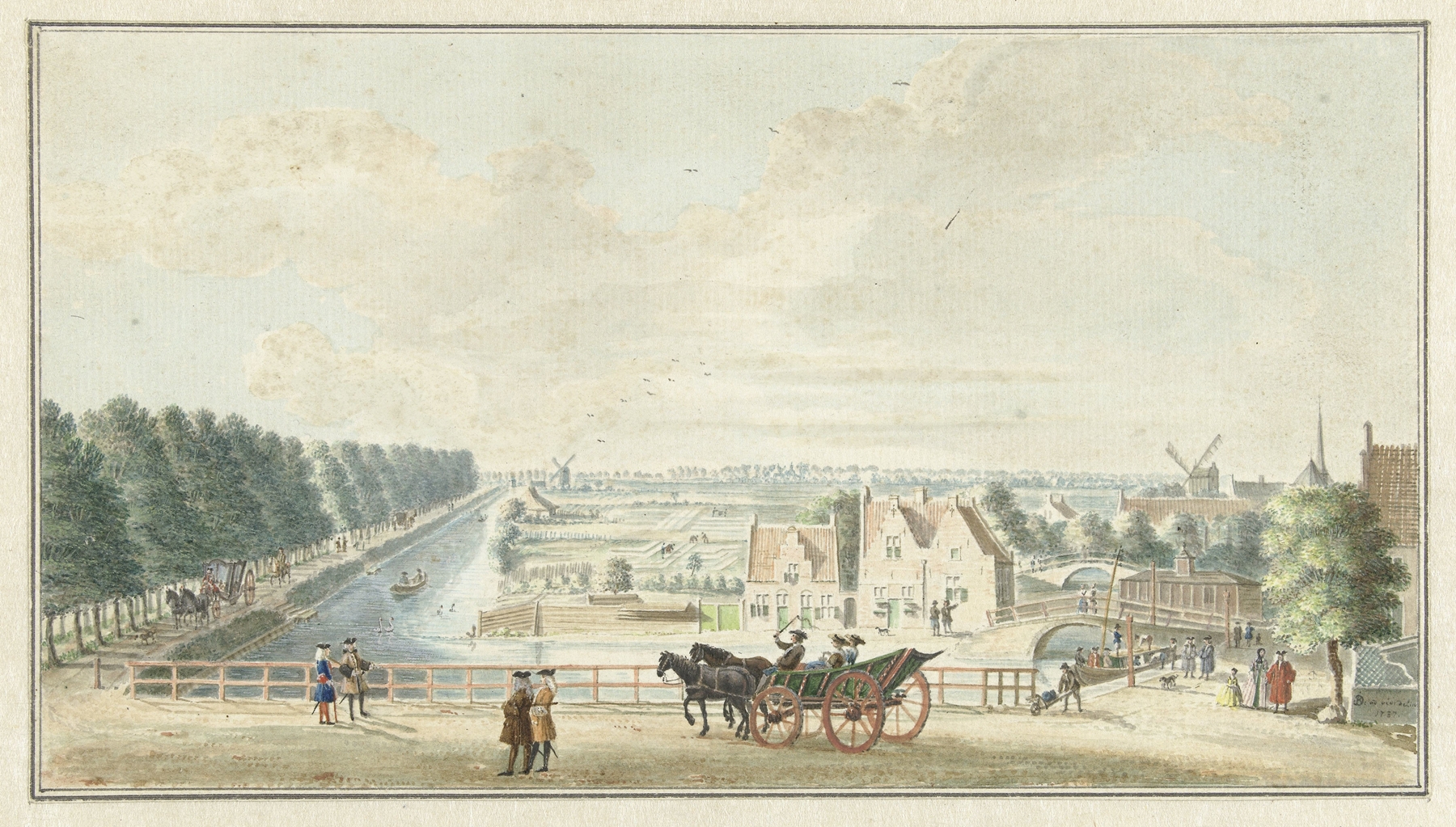
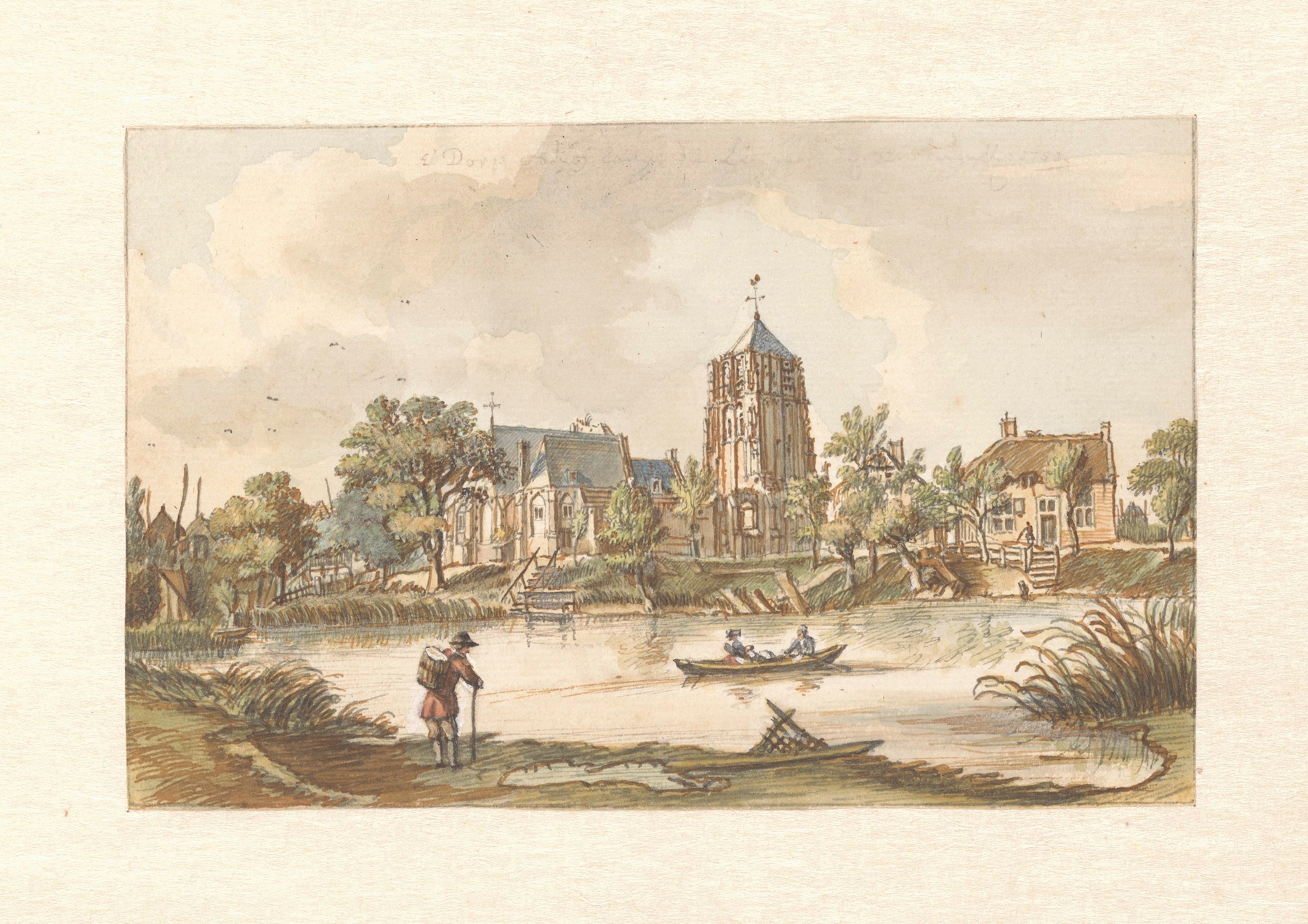
What if beauty was never meant to be finished? In Gezicht op Acquoy aan de Linge, Jan de Beijer captures the essence of transformation, inviting viewers to ponder the fleeting nature of tranquility and change. Look to the foreground where the gentle curve of the Linge River weaves through the landscape, reflecting a pastel sky brushed with delicate hues of pink and blue. Notice how the quaint village of Acquoy nestles against the horizon, its buildings framed by lush greenery.
The artist employs a soft palette, infusing each stroke with warmth, while the interplay of light and shadow adds depth, drawing our eyes along the river’s meandering path. Delve deeper into the composition, and you’ll find hidden contrasts that echo the theme of transformation. The serenity of the waters juxtaposes the vigor of the trees bending in the breeze, suggesting an ever-evolving world. The figures dotting the shoreline appear to engage in quiet activities, yet their postures and gestures hint at a collective anticipation—perhaps of a coming storm or change on the horizon.
Each detail speaks to the transient beauty of the moment, urging us to embrace both stillness and flux. In 1750, Jan de Beijer was immersed in the artistic climate of the Dutch Golden Age, a time when landscape painting flourished alongside burgeoning interest in naturalism. Working in the Netherlands, he sought to capture local scenes with a unique sensibility, combining realism with a poetic gaze. This painting reflects the artist's dedication to portraying not just the beauty of the landscape, but its evolving character over time.