Het stadhuis van Leiden — History & Analysis
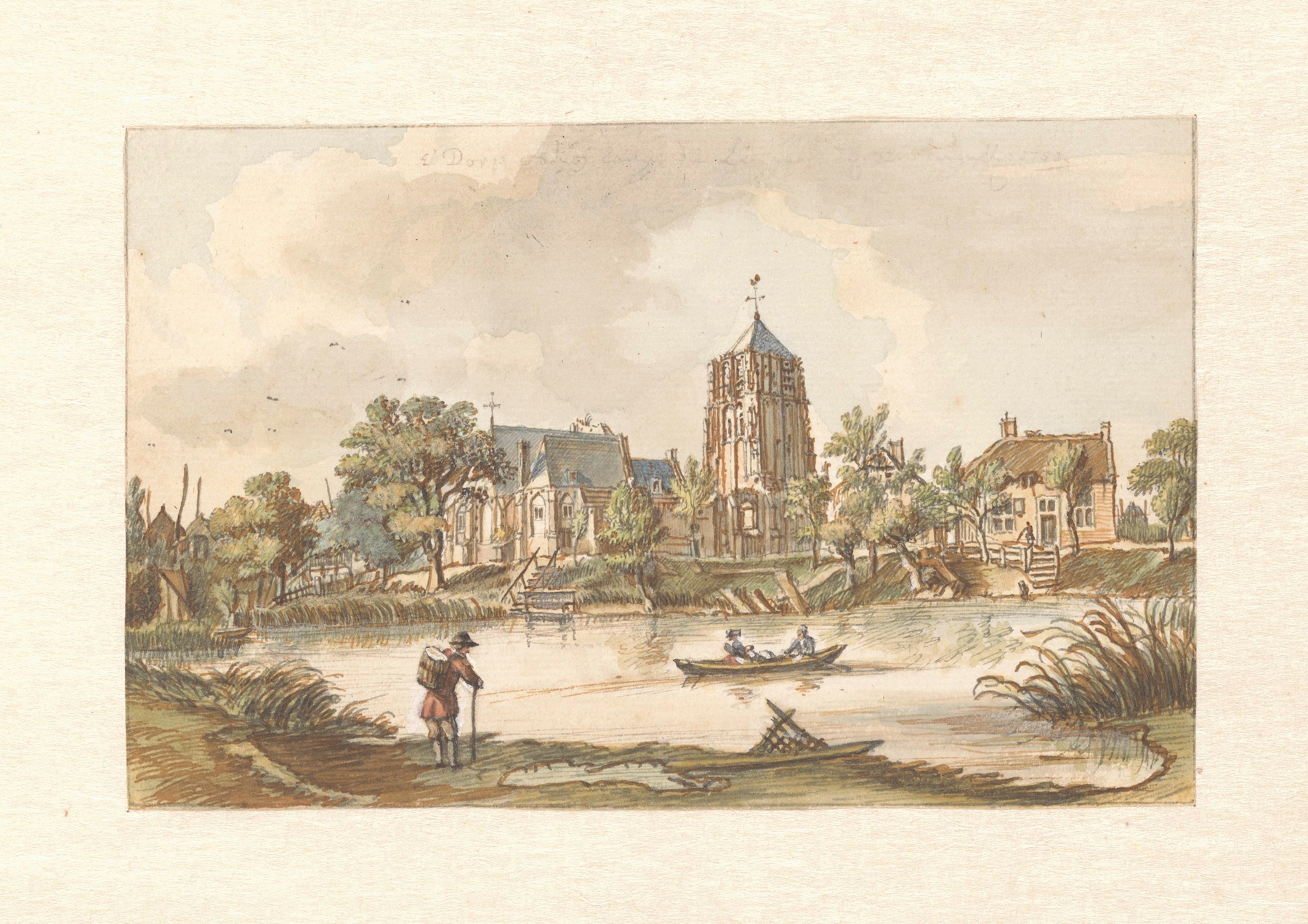
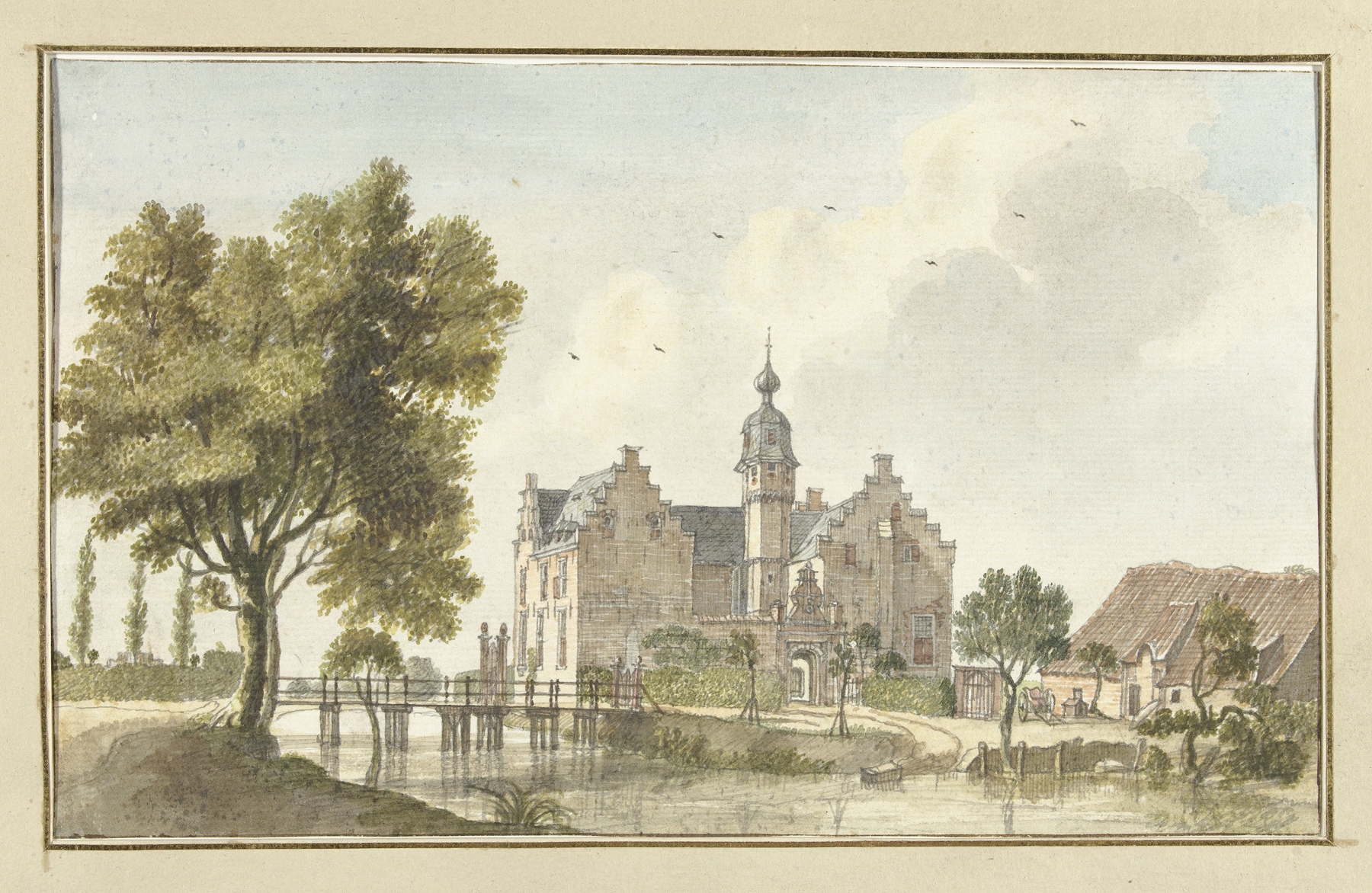
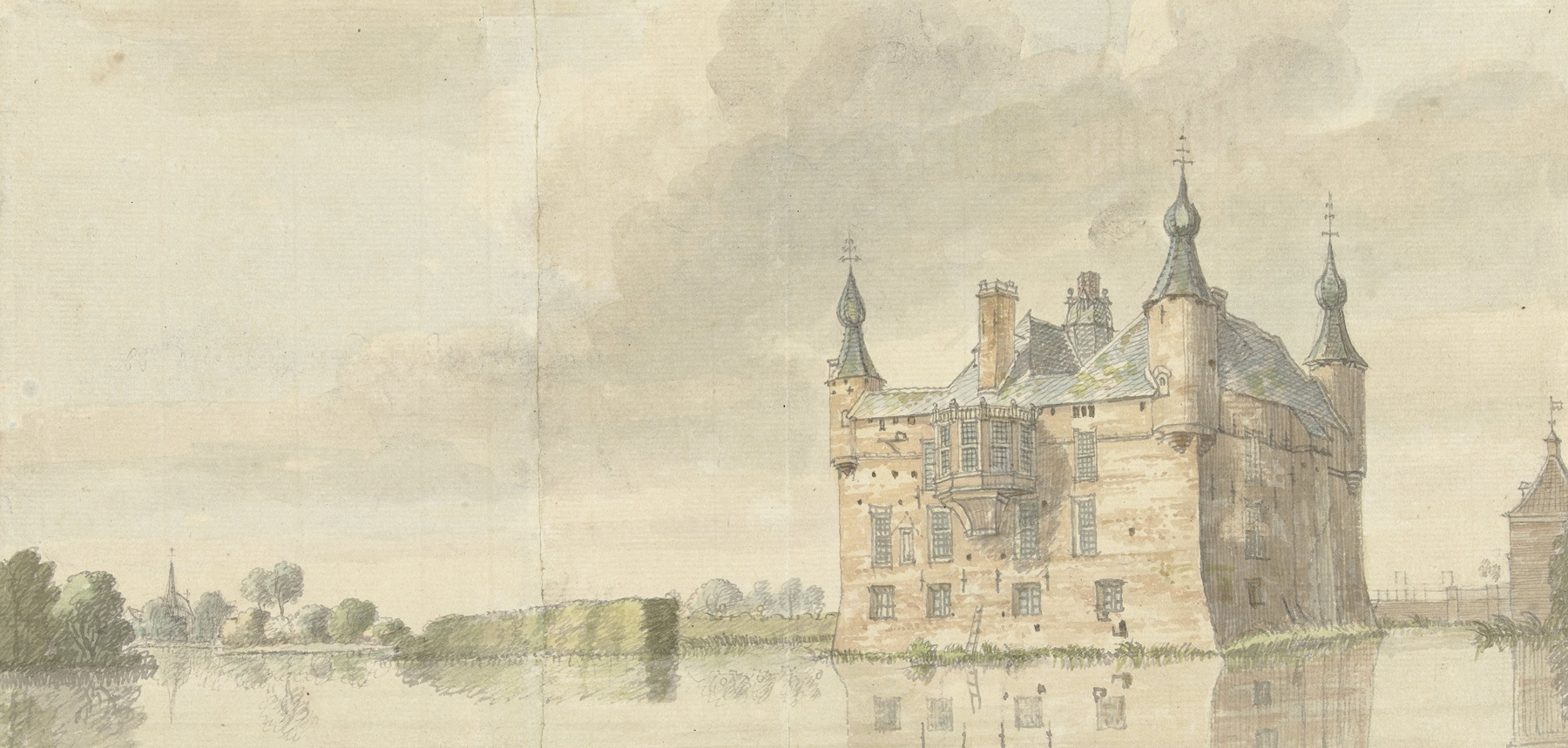
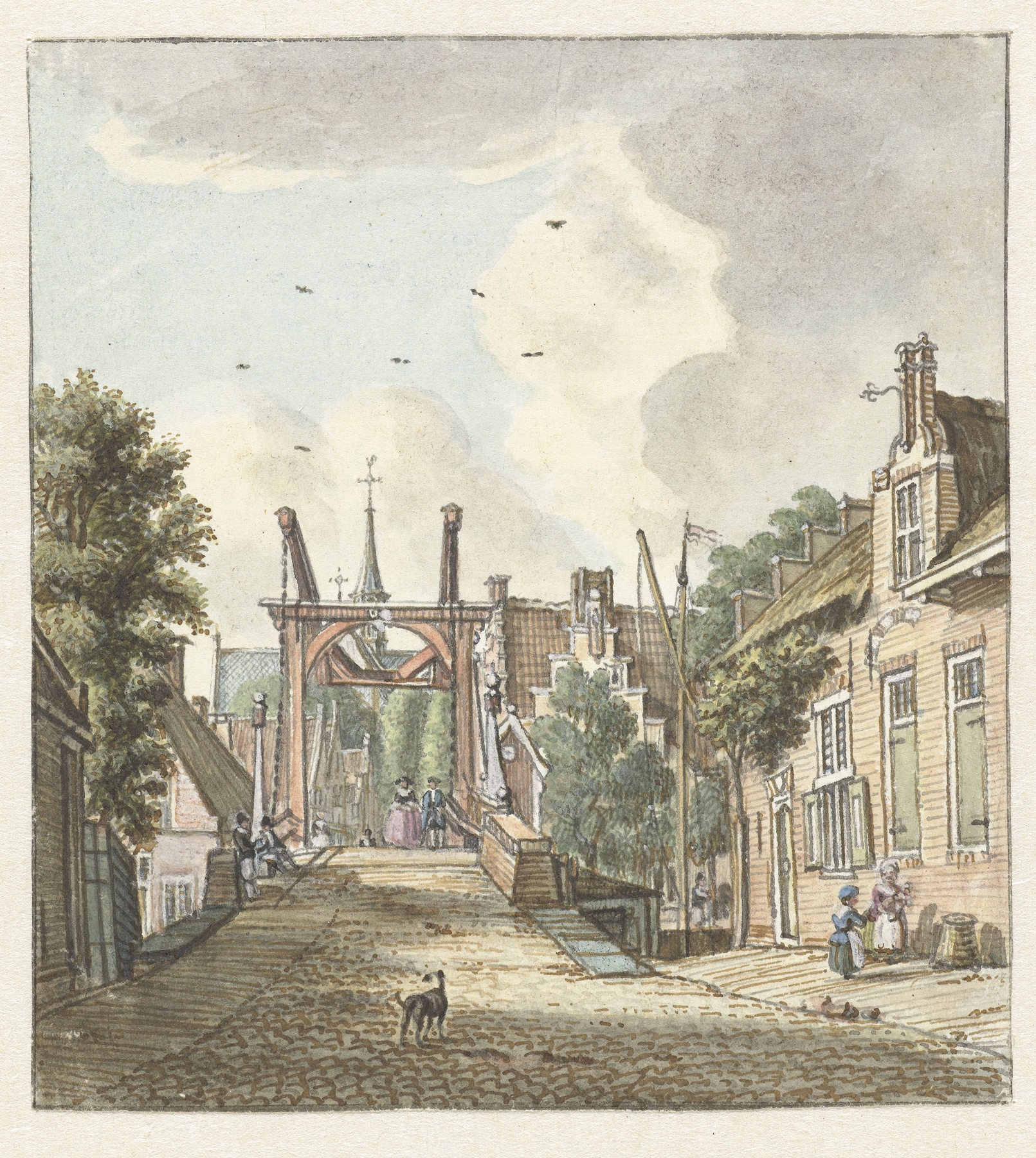
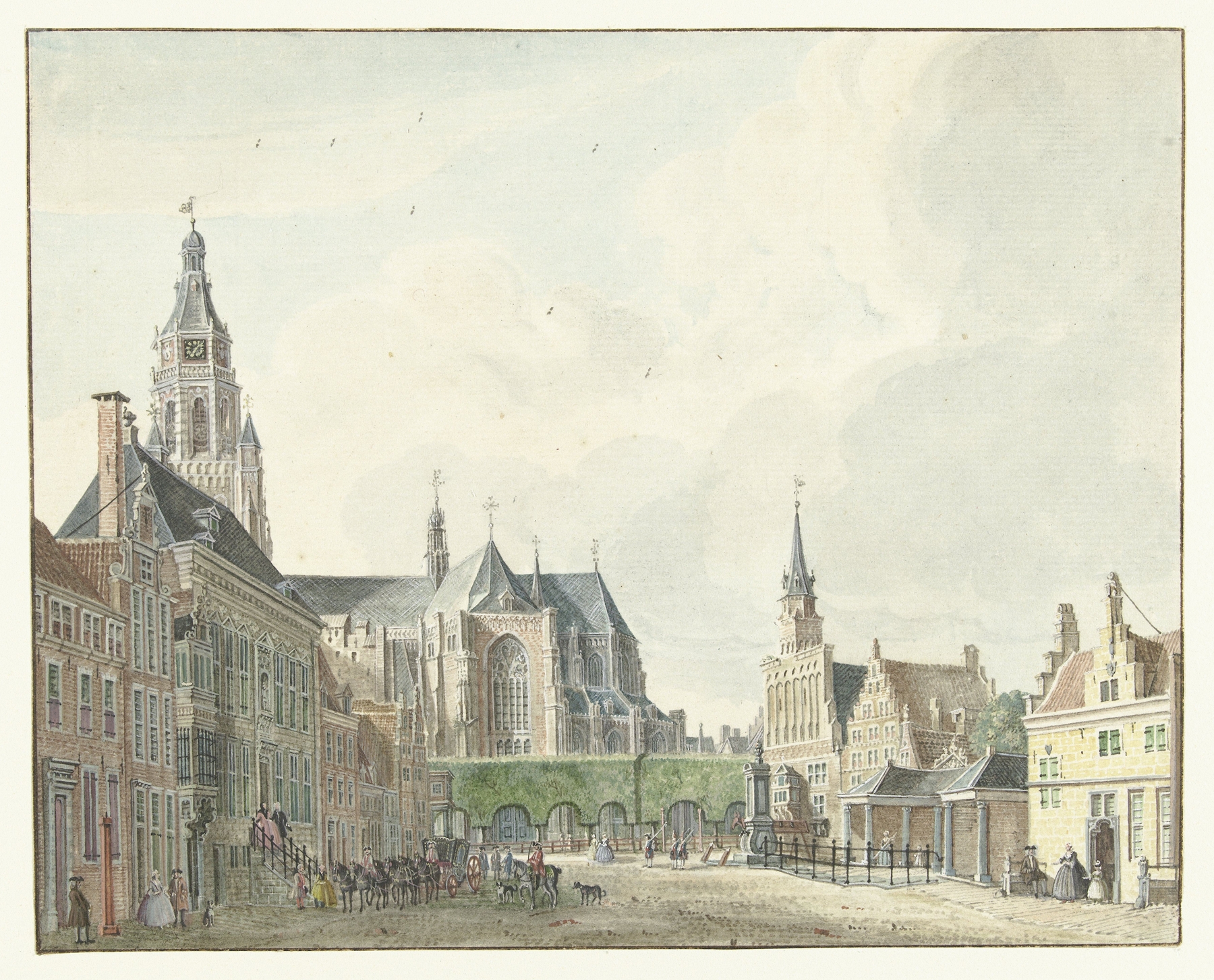
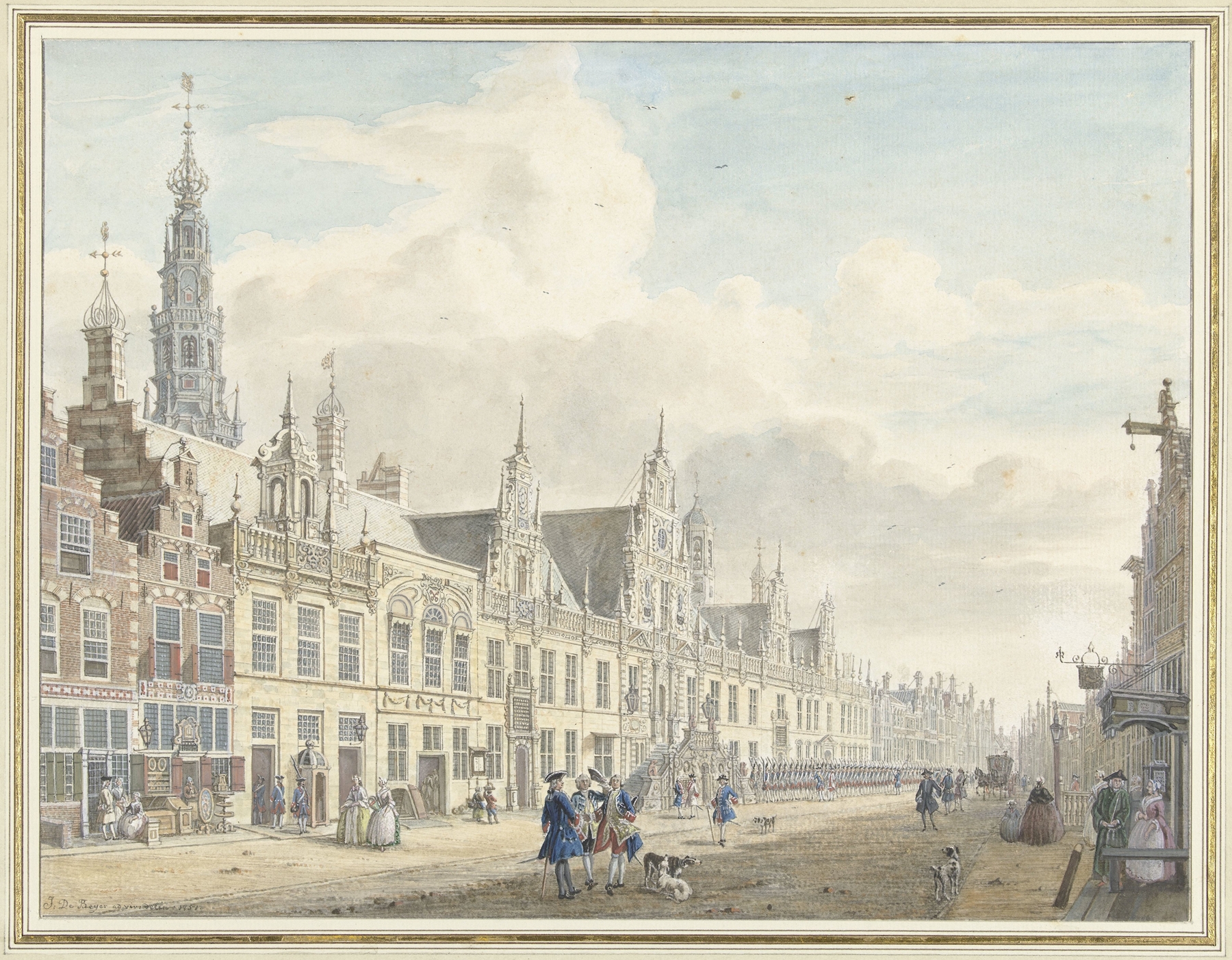
“The canvas doesn’t lie — it simply waits.” In the stillness of a moment captured, innocence and truth collide, whispering to us from the past. A vision unfolds, revealing the architectural grace and societal heartbeat of a city where history breathes through every stone. Look to the center of the canvas, where the magnificent town hall of Leiden stands proud under a gentle sky. The building's intricate façade, rendered in warm browns and soft whites, showcases meticulous attention to detail, drawing the eye upward.
Notice how the sunlight bathes the structure, illuminating its ornate features while casting elongated shadows that stretch across the cobblestone square. Surrounding trees frame this monumental scene, their lush greens offering a serene contrast to the solid, man-made edifice. As you delve deeper into the composition, notice the figures that dot the square, each representing the fabric of daily life – merchants, townsfolk, and children engaged in innocent play. Their presence conveys a sense of community, yet hints at the complexities of social dynamics coexisting within this idyllic setting.
The interplay of light and shadow suggests the passage of time, while the vibrant hues speak to the vitality of the human spirit, reminding us of the fragility intertwined with innocence. In 1751, Jan de Beijer painted this detailed view of Leiden amidst the burgeoning Dutch Golden Age, a period marked by prosperity and cultural flourishing. Navigating the dualities of reality and representation, he sought to document the essence of his surroundings. At this time, the art world was grappling with new perspectives, and de Beijer’s work reflected an evolving understanding of both landscape and urban life.