Het stadhuis van Venlo — History & Analysis
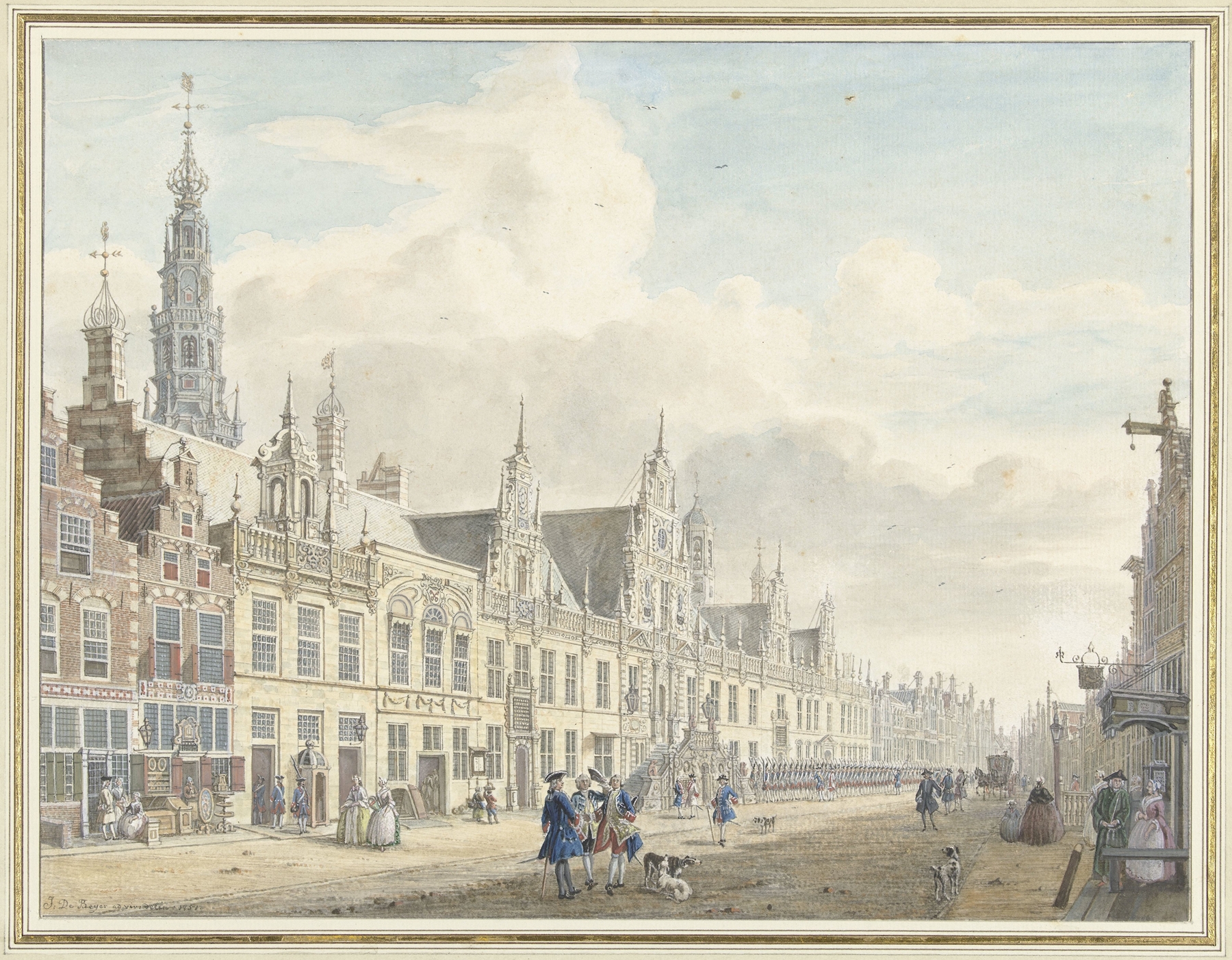
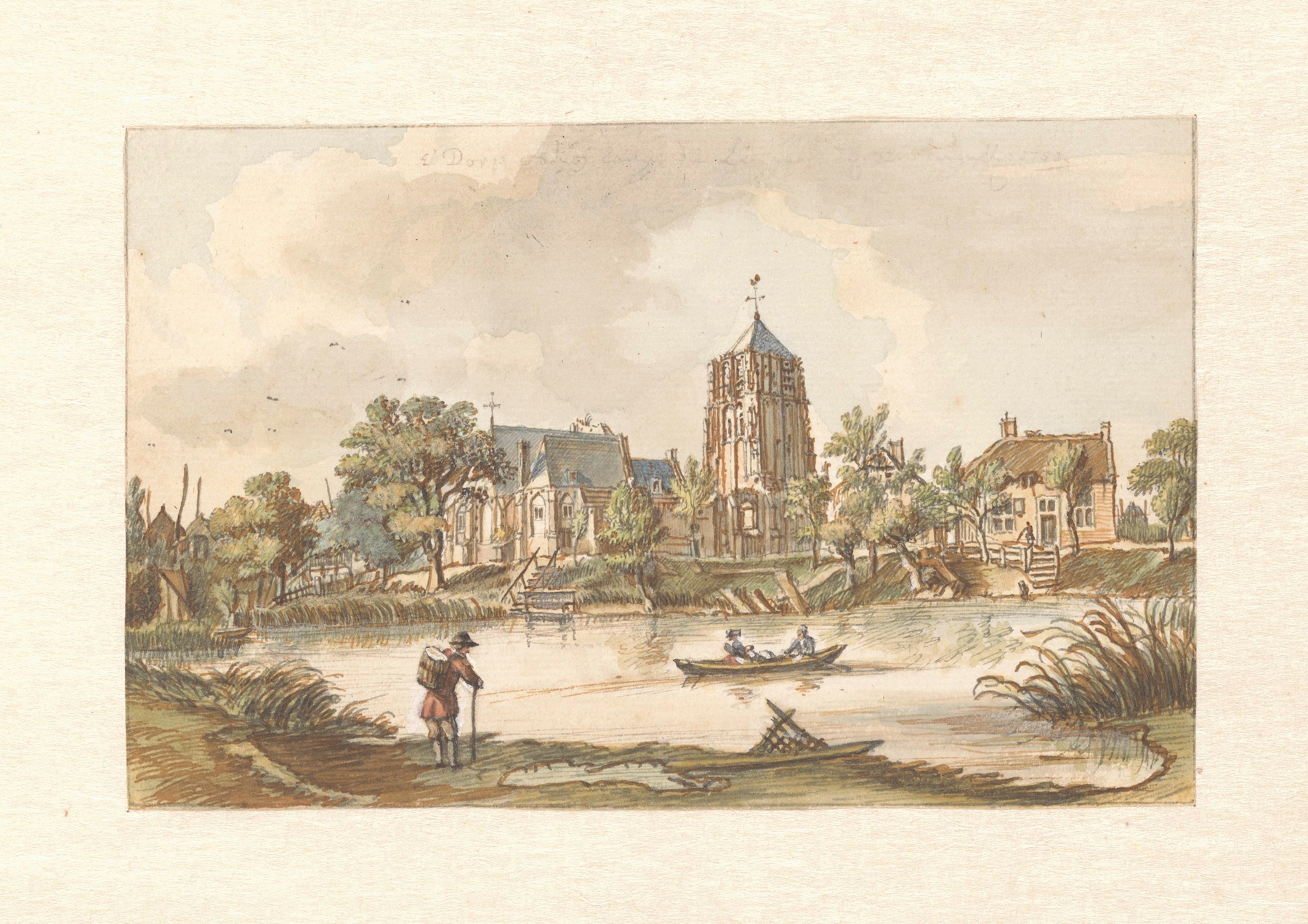
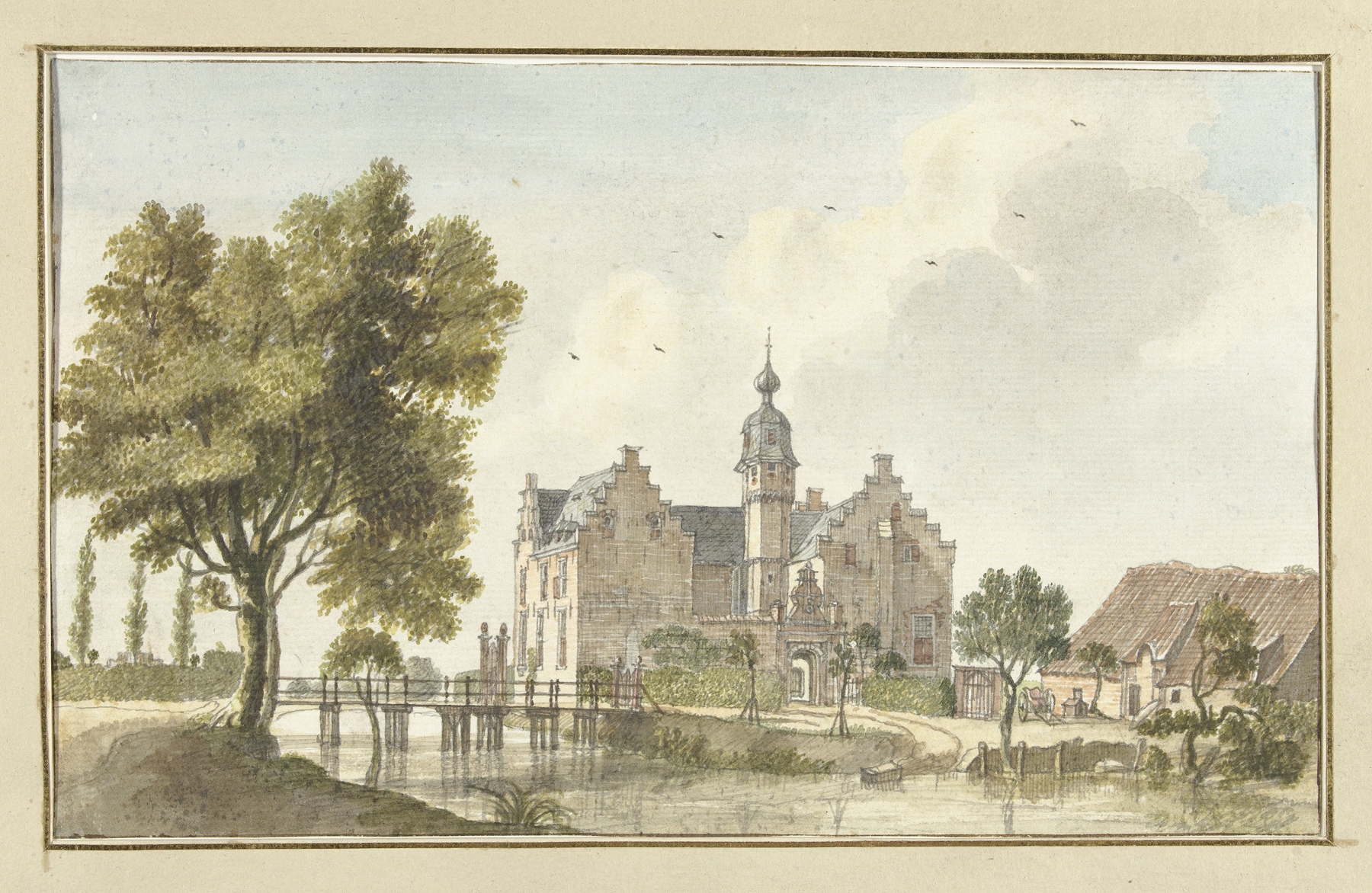
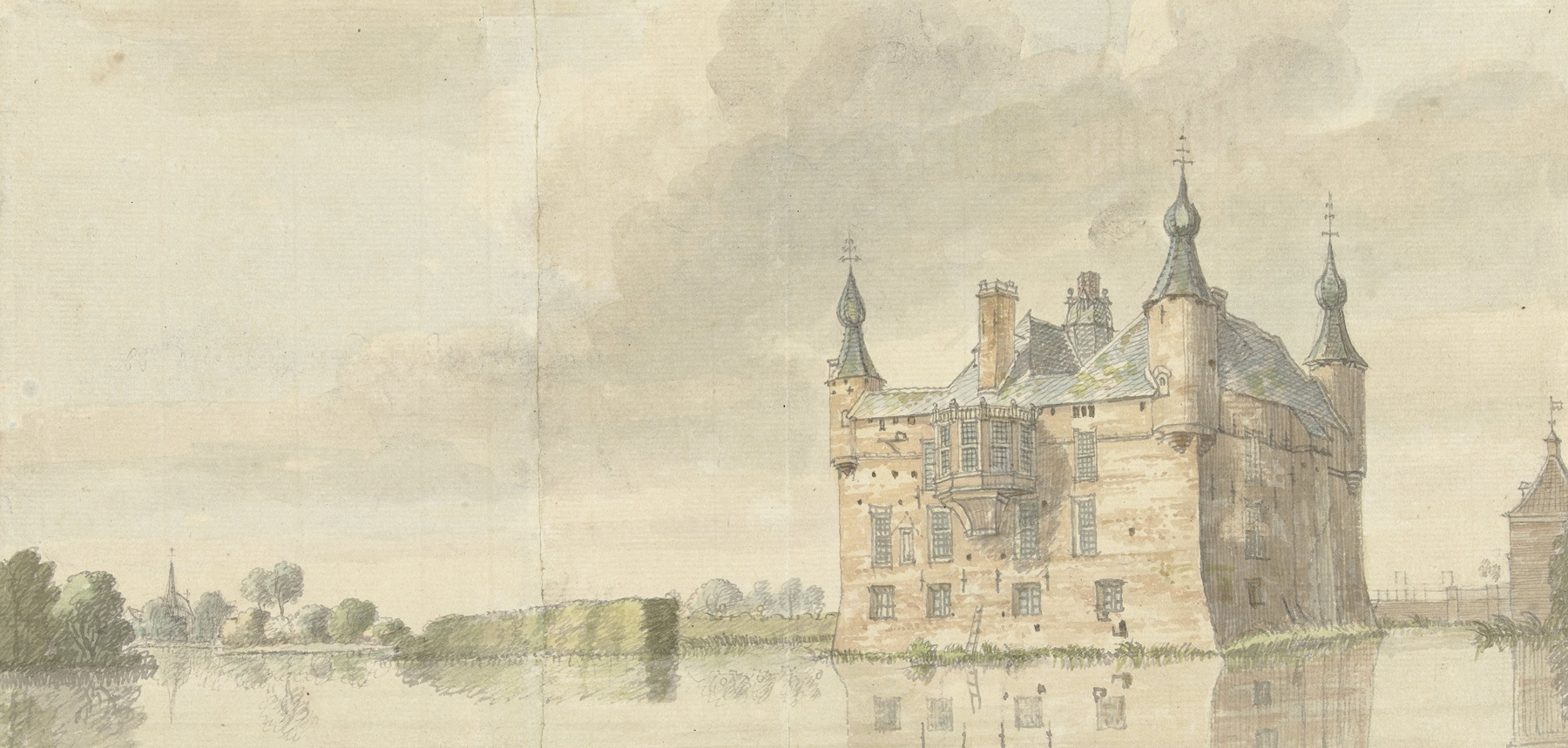
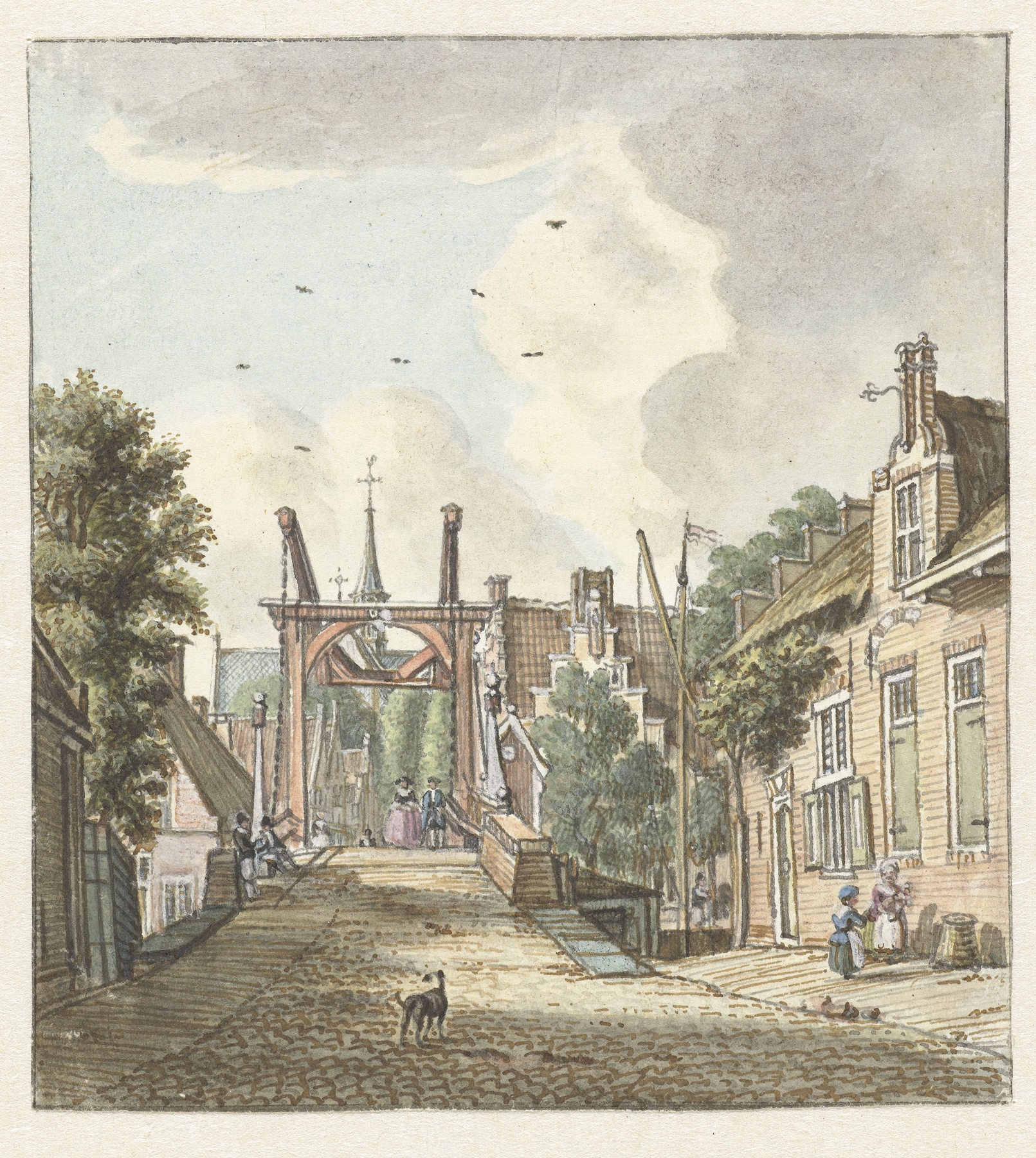
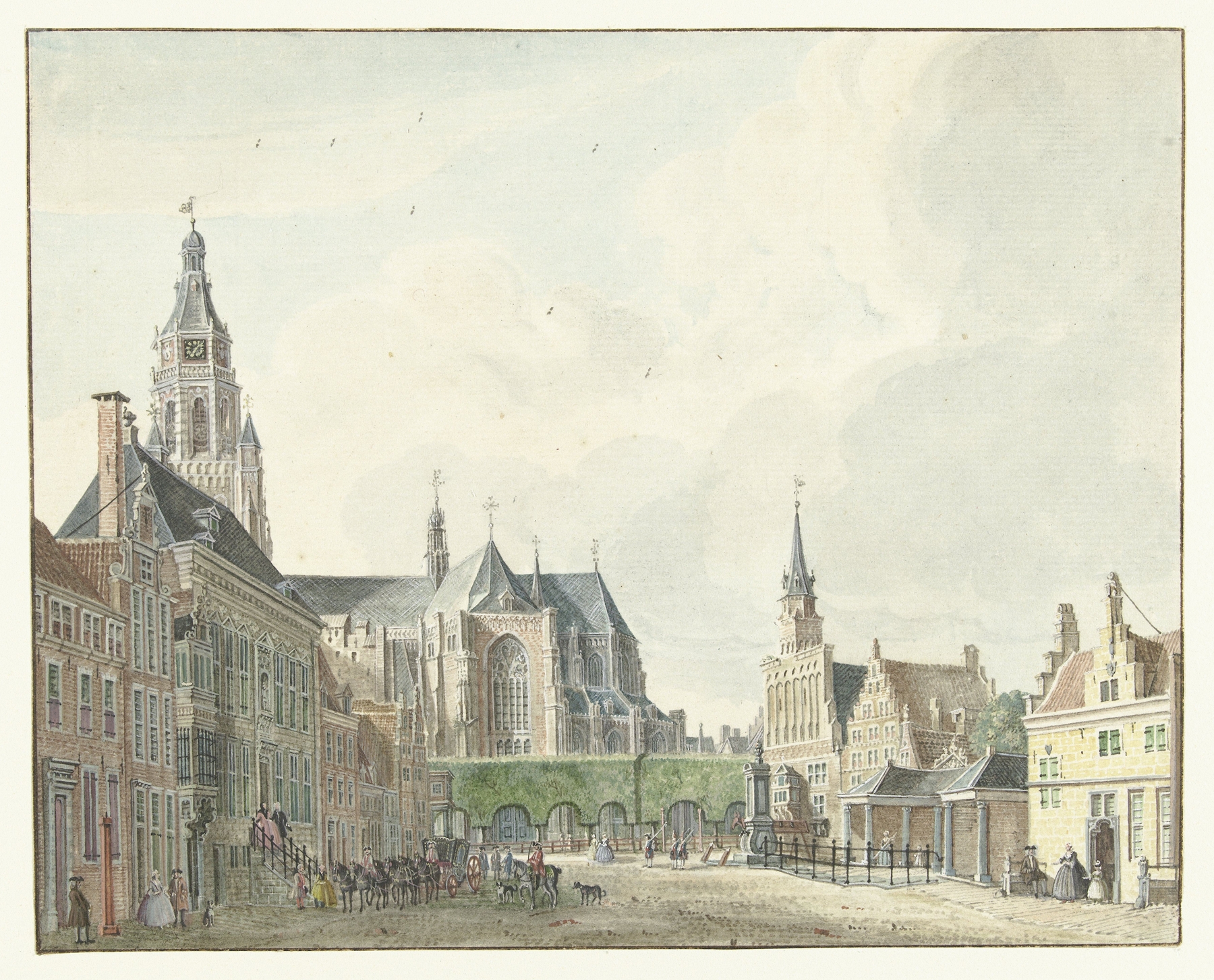
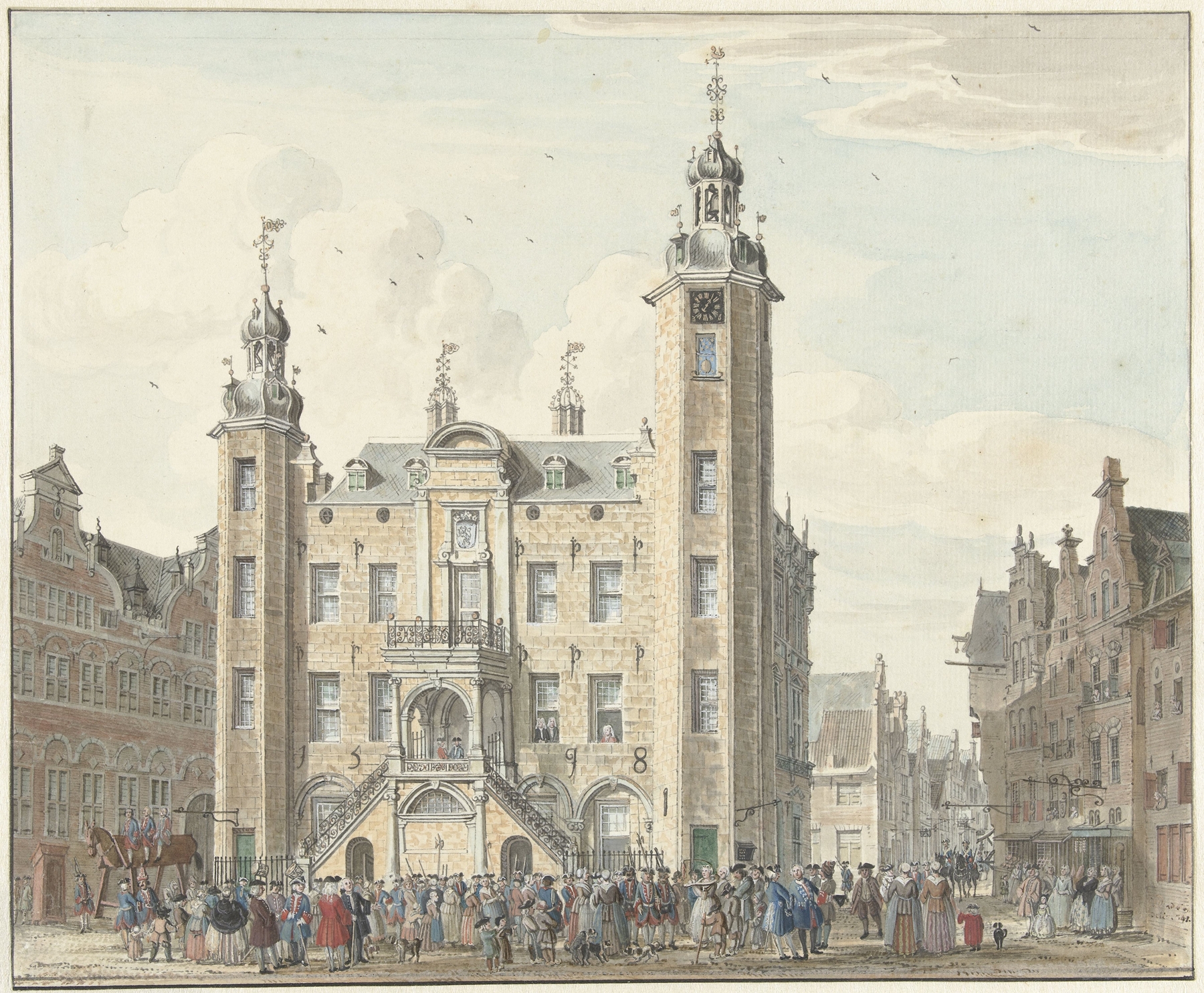
“Between color and silence, truth hides.” This sentiment echoes in the heart of Jan de Beijer's Het stadhuis van Venlo, where the whisper of history intertwines with the delicate brushstrokes of legacy. Every hue bears witness, and each shadow whispers stories long forgotten. Look to the grand façade of the town hall, where the warm ochres and muted blues converge to create a compelling harmony. Notice how the light cascades across the building, highlighting intricate details in the architecture that speak of a time when craftsmanship was revered.
The well-defined lines of the structure invite the eye, while the contrasting tones evoke a sense of time elapsed—both present and past cohabitating within the canvas. Beneath the surface, this painting reflects a deeper dialogue about legacy and identity. The town hall stands not just as a municipal center but as a symbol of civic pride and resilience. Interspersed clouds stretch across the sky, hinting at the inevitable changes and challenges that have shaped this locale.
De Beijer captures a moment frozen in time, revealing the juxtaposition between the stability of the building and the ephemeral nature of the world that surrounds it. In 1741, while residing in the Netherlands, the artist painted this work at a time when the country was grappling with the aftermath of economic fluctuations and political shifts. The art scene was moving towards the Rococo style, with artists embracing the elegance of lightness and ornamentation. For De Beijer, this painting marked a significant moment in his journey as he sought to capture the essence of Dutch heritage amidst a changing landscape.