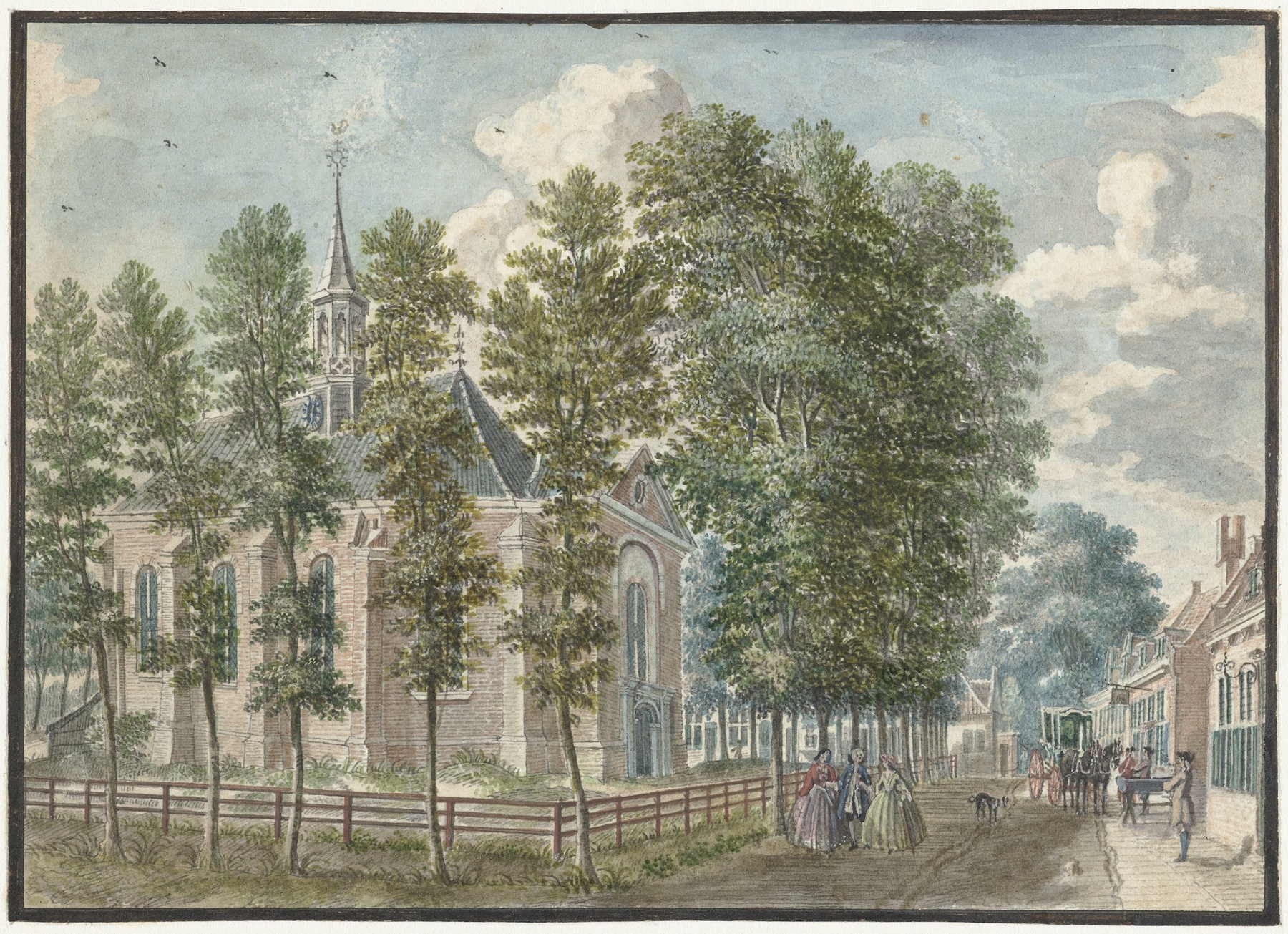
Gezicht op de kerk van Bloemendaal — History & Analysis
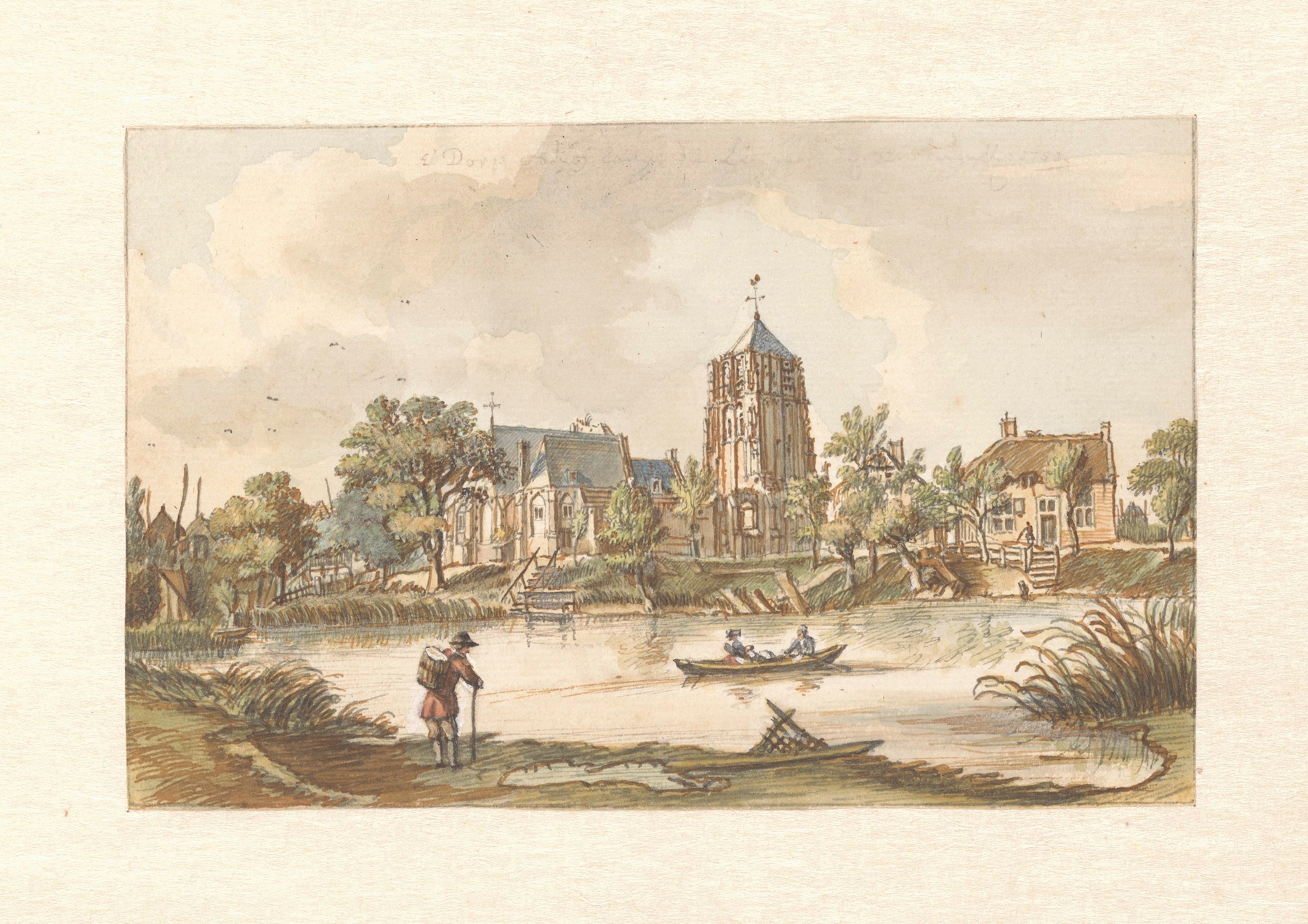
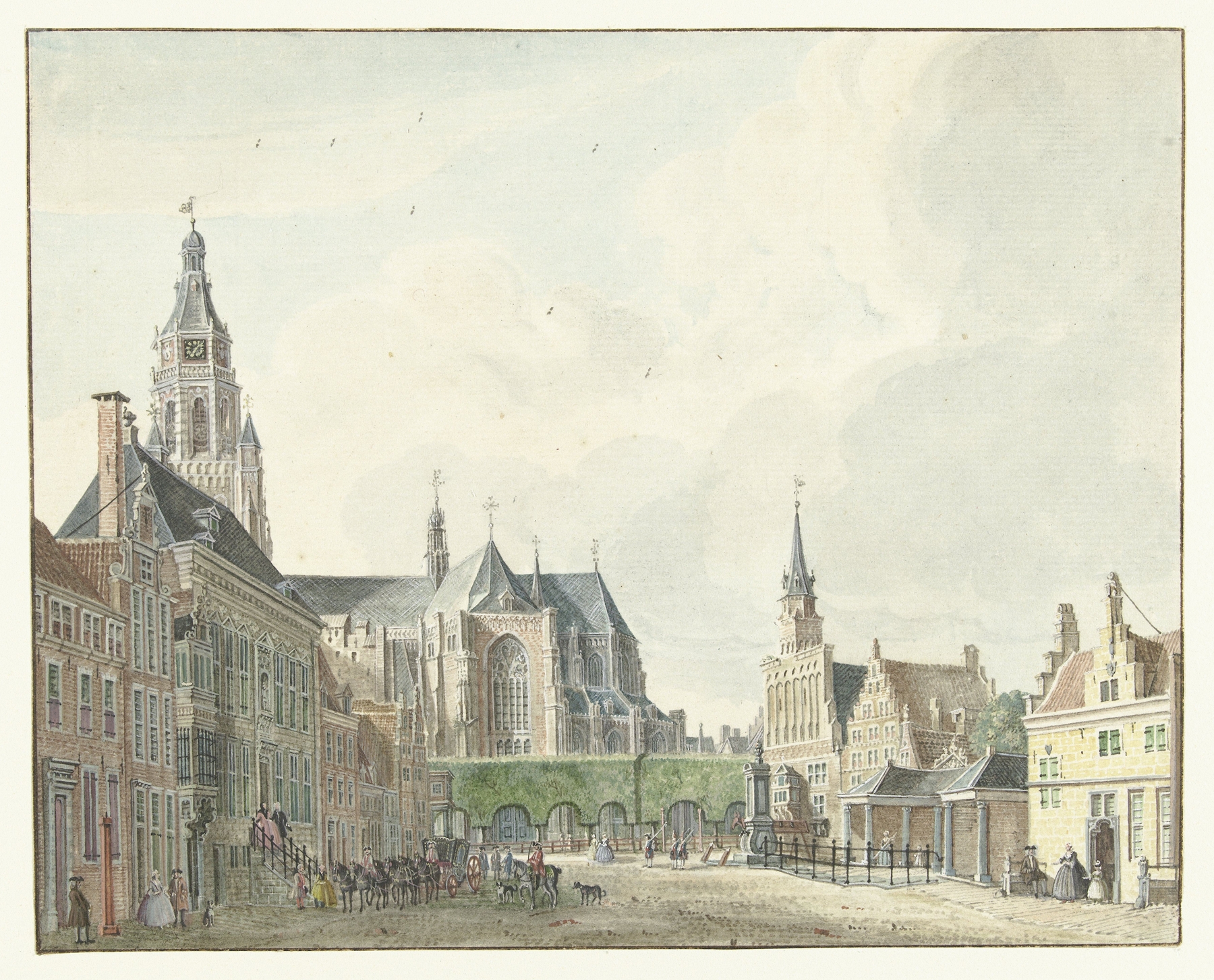
When did color learn to lie? In a world where hues evoke deeper truths, the palette of this artwork whispers of destiny intertwined with the architecture of faith. Look to the center of the canvas where the church rises, its steeple piercing the sky, a beacon amidst the gentle landscape. The interplay of warm and cool tones creates a sense of balance, while the clouds, painted with a delicate touch, hint at the transient nature of existence.
Notice how the light falls upon the church’s façade, illuminating details that speak of its storied past, inviting the viewer to contemplate what lies beyond the visible. At the foreground, the lush greenery creates a contrast to the rigid structure of the church, suggesting the tension between nature's fluidity and man's attempt to encapsulate eternity within stone. Each brushstroke captures a moment in time, fostering a dialogue between the viewer and the scene, revealing layers of emotion—perhaps longing or reverence.
The distant figures, mere silhouettes, represent the collective hopes and prayers of a community tethered to this sacred place, implying that destiny is not only personal but shared. Created during a period of artistic evolution in the Netherlands, this work emerged as Jan de Beijer navigated the transition from Baroque to a more subdued, yet expressive, style in the 18th century. He painted during a time when the Dutch were rediscovering their landscape, merging personal narrative with a broader cultural ethos, all while the echoes of the Enlightenment stirred new ways of seeing and understanding the world.