Gezicht te Alphen aan de Rijn — History & Analysis
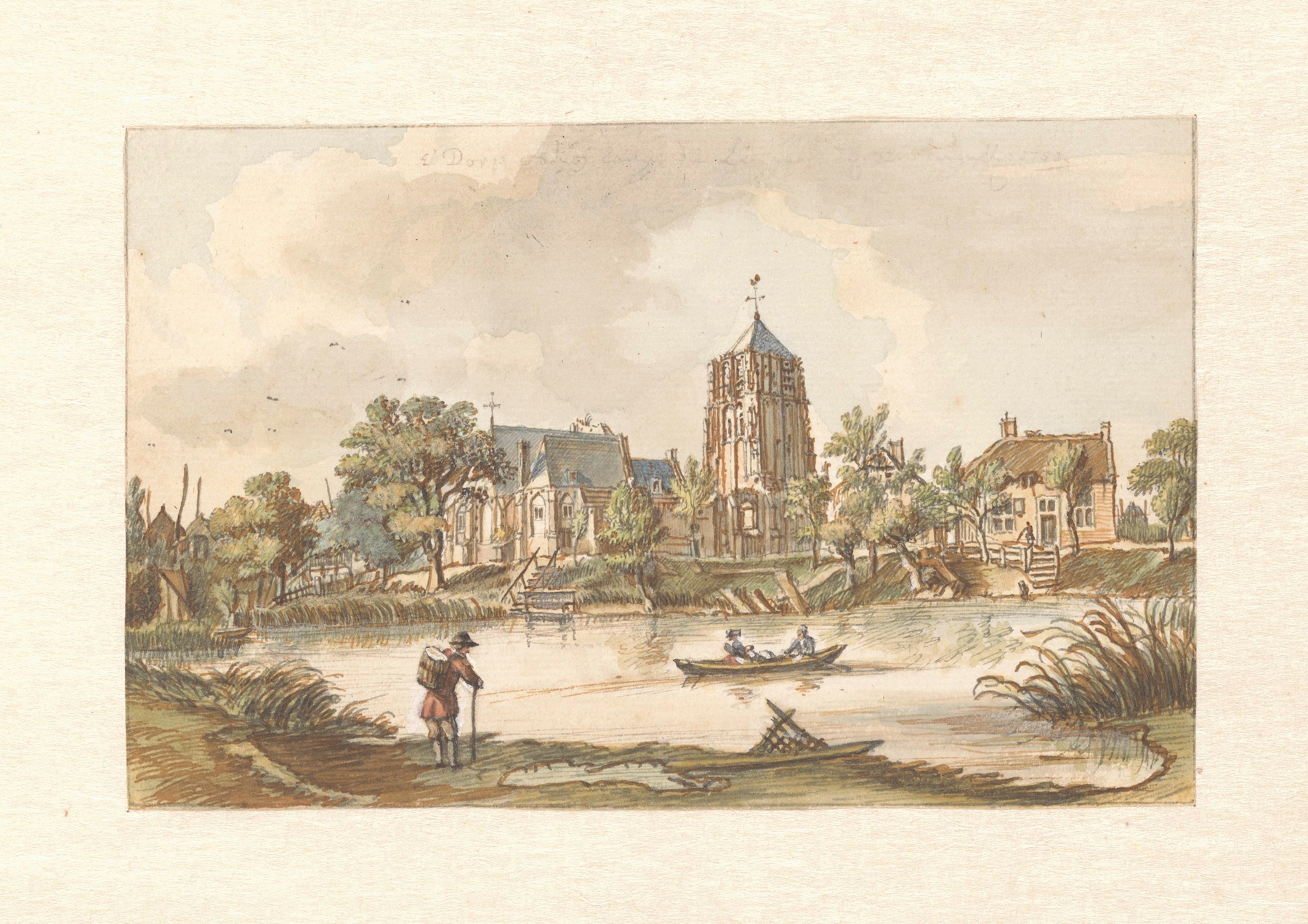
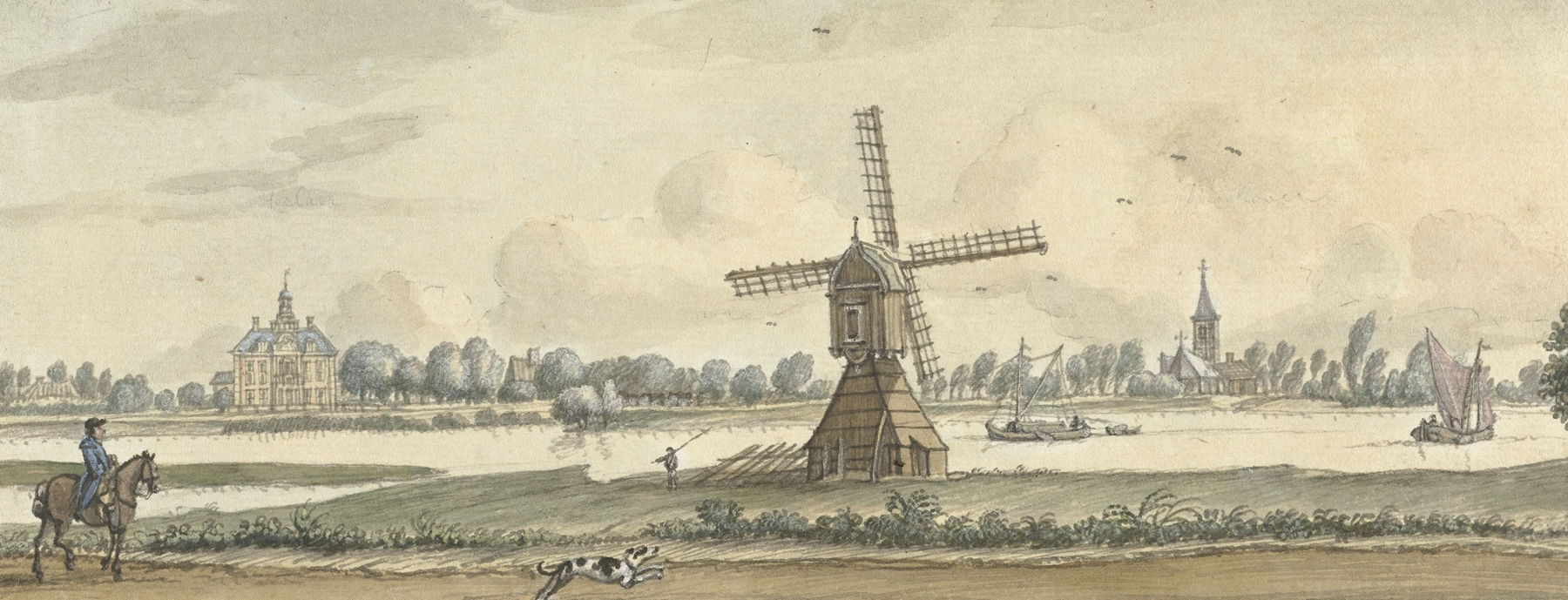
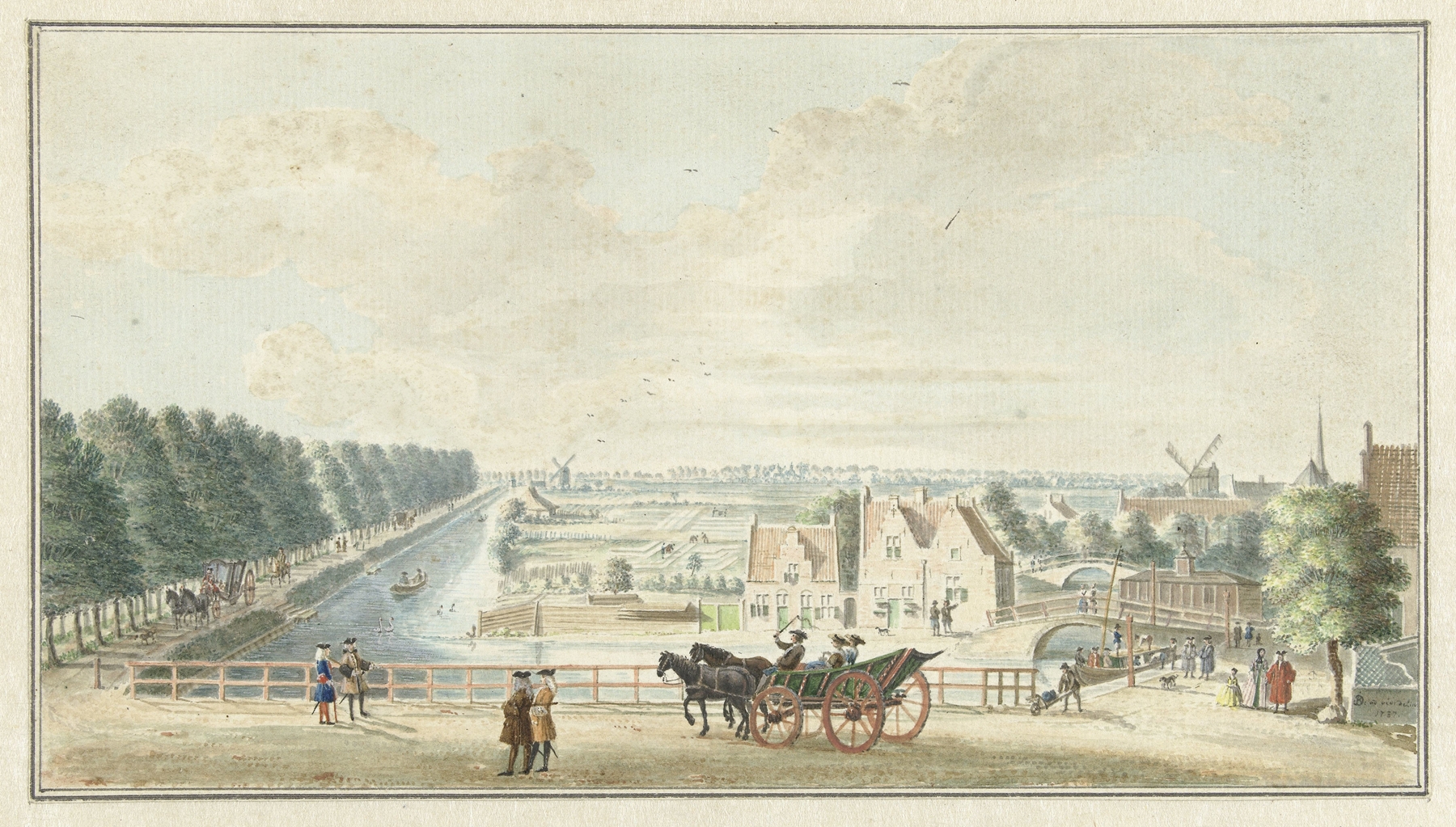
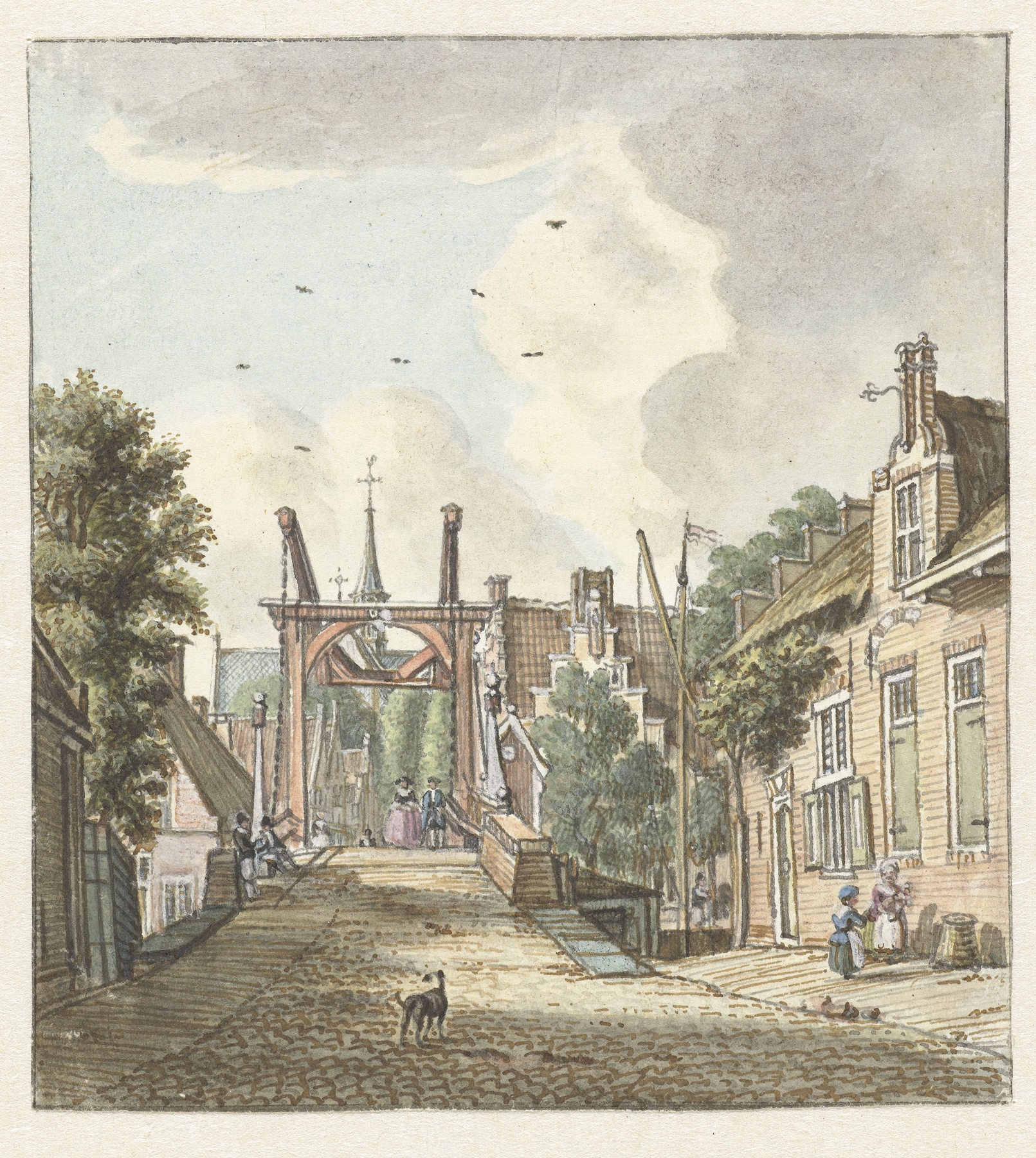
Can beauty exist without sorrow? This question lingers in the air as one gazes upon Jan de Beijer's Gezicht te Alphen aan de Rijn, a painting that captures the delicate balance between joy and unease in the natural world. Look closely at the horizon, where soft, sweeping clouds cradle the warm light of the setting sun. The river, a shimmering ribbon of silver, snakes through the landscape, inviting the eye to wander. Notice the gentle undulations of the land, a serene backdrop for the figures engaged in their daily lives.
The palette melds earth tones with the brilliant blues of the sky, creating a harmonious yet poignant atmosphere that hints at the complexities of existence. As you absorb the scene, consider the juxtaposition of bustling activity against the tranquil countryside. The figures are animated, yet their expressions carry an undercurrent of apprehension—perhaps a reflection of the uncertainties in life. The interplay of light and shadow reveals a deeper tension; while the sun bathes the landscape in warmth, it simultaneously casts long shadows that evoke a sense of foreboding.
Here, nature's beauty is interconnected with the human condition, embodying both joy and an unspoken fear of what lies ahead. Created in 1749 during a time of social and economic flux in the Netherlands, this work reflects Jan de Beijer's keen observation of the world around him. As he painted in Alphen aan de Rijn, the art scene was evolving, moving toward a richer exploration of landscapes and daily life. The artist sought to capture not only the picturesque beauty of his surroundings but also the nuanced emotions that accompany such serene vistas.