Gezicht op de krater van de Vesuvius, Italië — History & Analysis
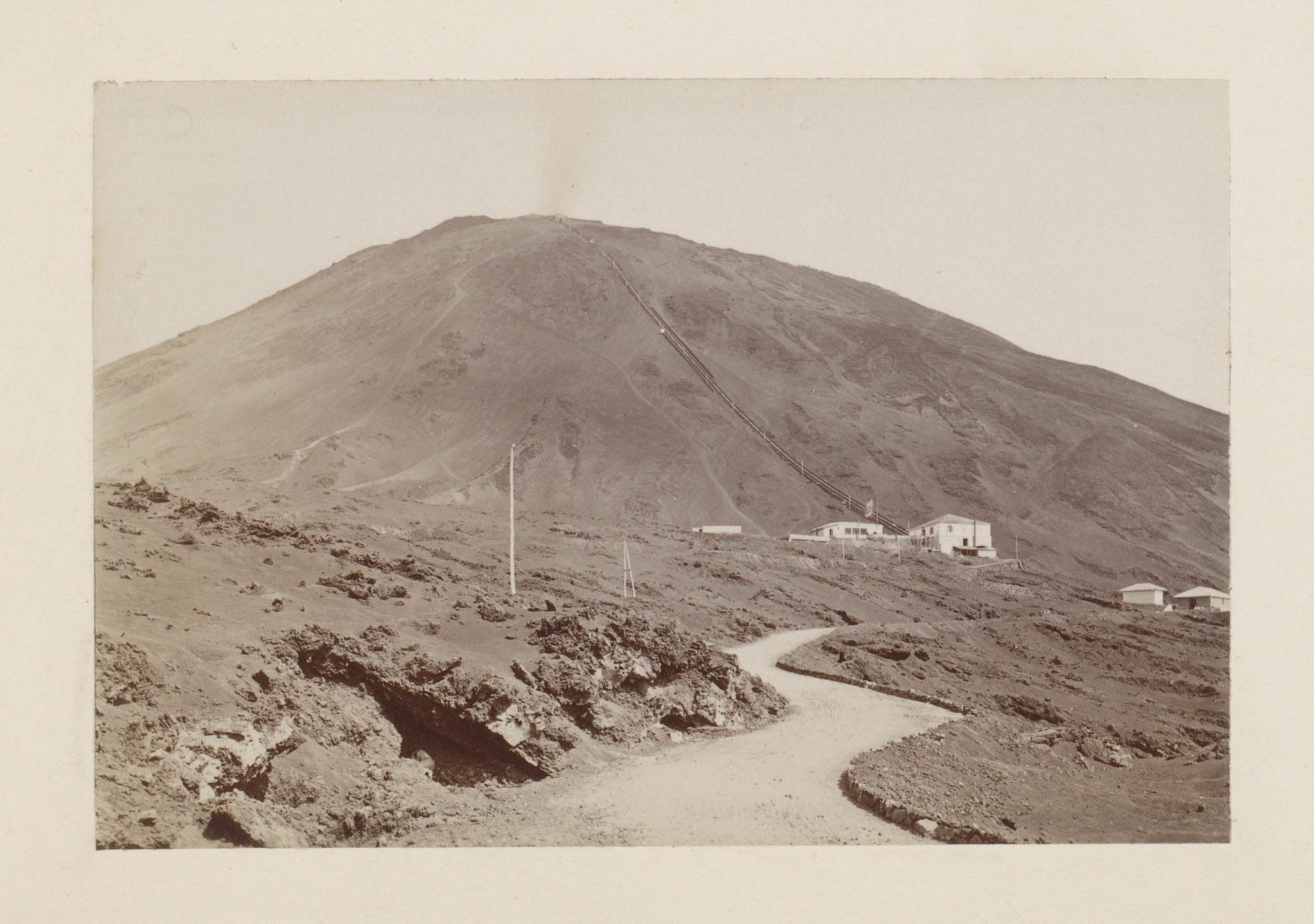
What if silence could speak through light? In Gezicht op de krater van de Vesuvius, Italië, the quiet fury of nature is captured in a moment of ecstatic stillness, where the volcano holds its breath, teetering between serenity and potential eruption. Look to the foreground, where the lush greenery contrasts sharply with the ashen gray of the Vesuvius crater. Notice how the delicate strokes of Brogi’s brush create a shimmering effect on the surface of the hills, as if inviting you into the scene.
The light cascades downward, illuminating the scene with a golden hue that bathes the landscape in warmth, drawing your eyes upward toward the mountain’s solemn silhouette against a clear blue sky. In this artwork, the juxtaposition of life and threat resonates powerfully. The vibrant flora symbolizes vitality and growth, while the ominous presence of the volcano suggests an underlying tension, a reminder of nature's fierce unpredictability. The harmony of the scene belies the ecstatic chaos that could erupt at any moment, presenting a captivating dialogue between tranquility and turmoil.
Created between 1880 and 1881, this piece emerged during a period when Brogi was deeply engaged with the Italian landscape, often focusing on its historical and geological significance. At the time, the fascination with Vesuvius and its dramatic eruptions had taken hold in both art and popular culture, reflecting a growing curiosity about the natural world's power and beauty. This painting stands as a testament to Brogi's ability to blend observation with emotional depth, capturing a fleeting moment of sublime awe.