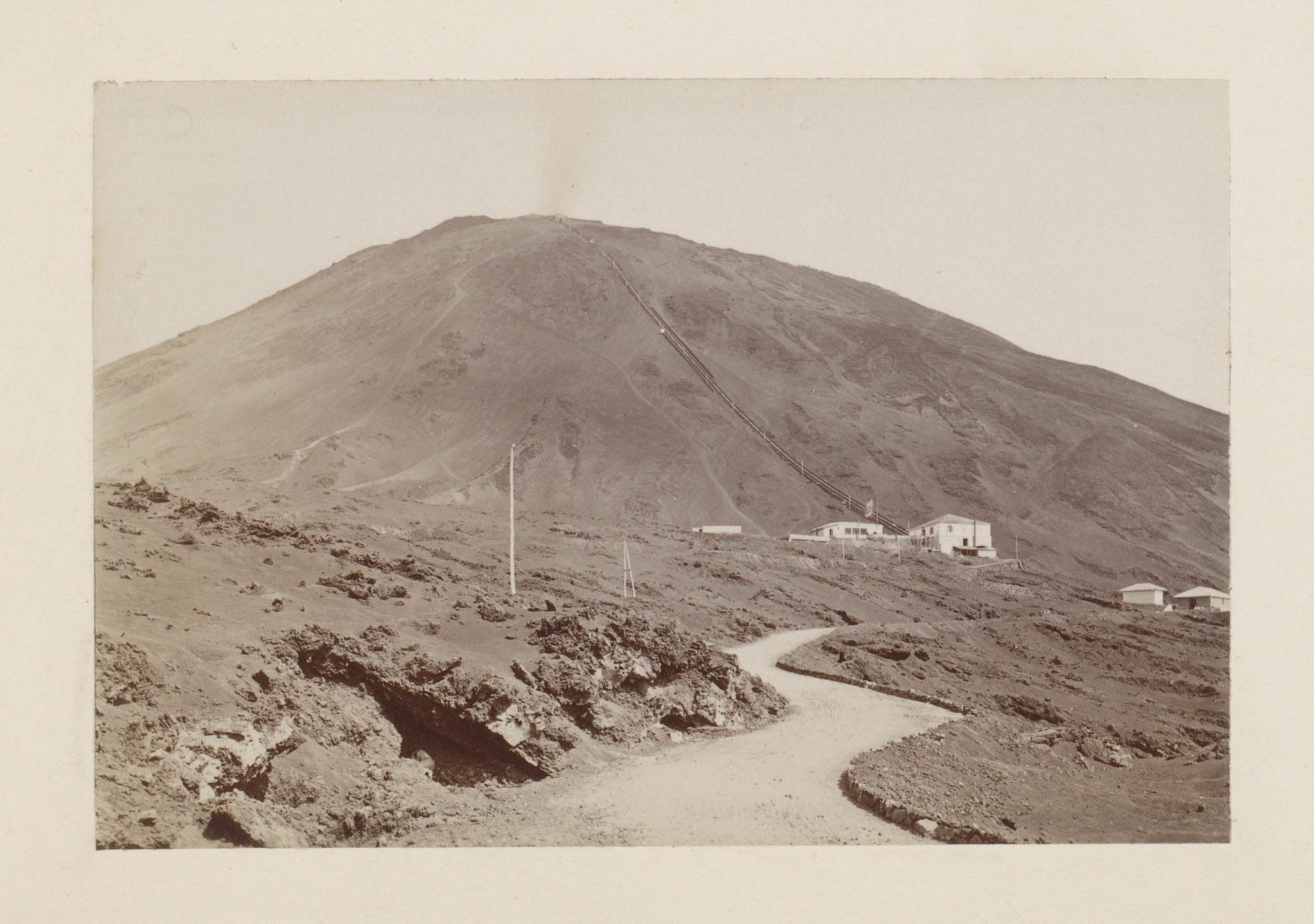
Gezicht op het Colosseum te Rome, Italië — History & Analysis
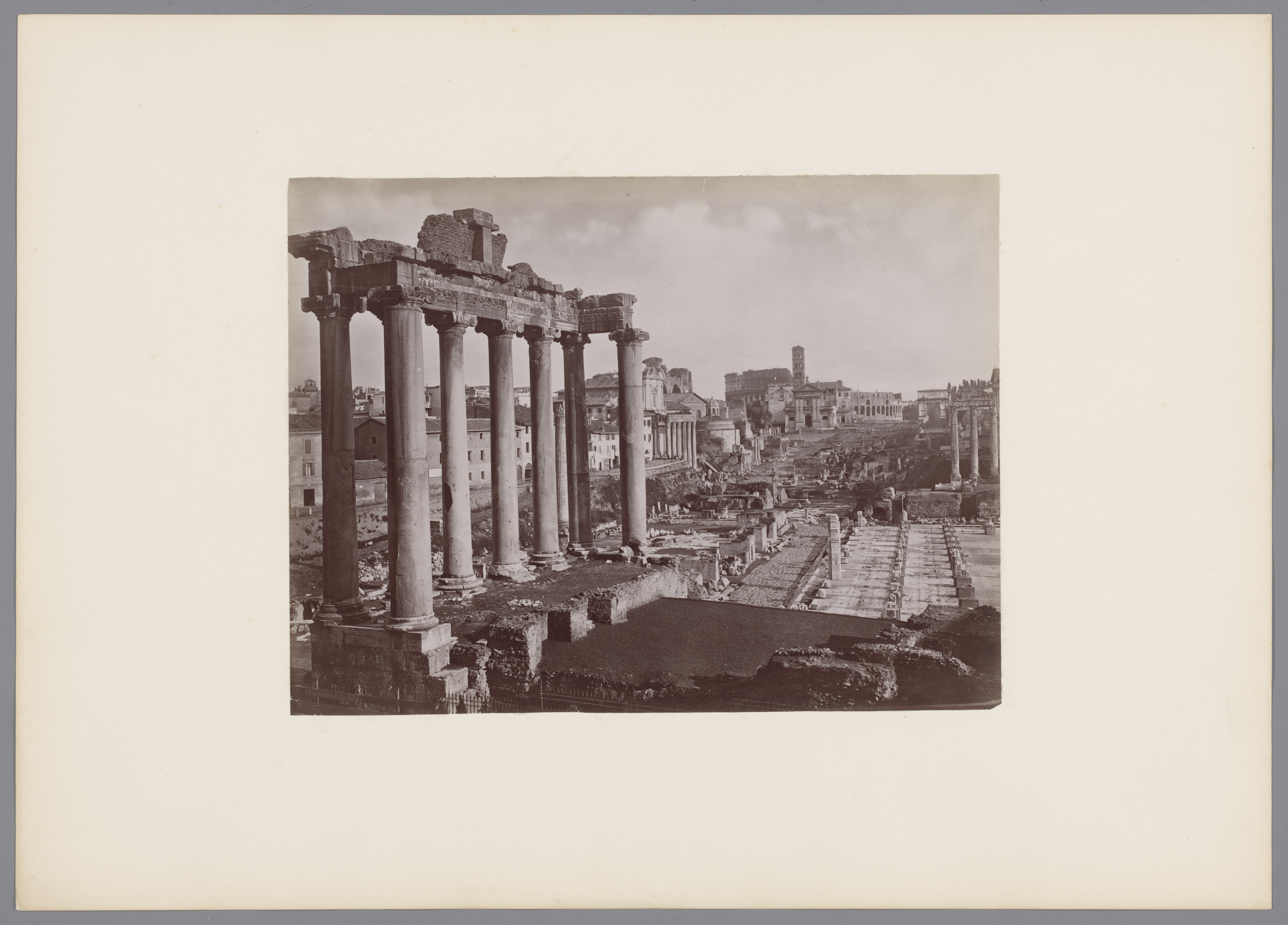
Can beauty exist without sorrow? In the shadows of antiquity, where triumph and tragedy intertwine, the Colosseum stands as a testament to both hope and despair. Look to the left at the majestic archways, where light filters through, illuminating weathered stones that tell tales of gladiators and the passage of time. The vibrant palette of ochres and earthy tones evokes the warmth of the Italian sun, while the fractured surfaces highlight the impacts of history. Your gaze should trace the arches upward, following the intricate details, as they draw you into the heart of this monumental structure, a silent guardian of Rome's legacy.
Notice how the contrasting elements of grandeur and decay reflect a deeper narrative within the canvas. The sturdy silhouette of the Colosseum embodies resilience against the inevitable march of time; yet, the cracks and erosion serve as reminders of vulnerability. This tension invites contemplation on the nature of human endeavors—how they rise to glorious heights, only to be softened by the inevitable passage of years. In that juxtaposition lies a flicker of hope amidst sorrow, a reminder that beauty persists even in decline.
Giacomo Brogi painted this evocative scene between 1864 and 1881, during a period of significant artistic and cultural resurgence in Italy. The Romantic movement was in full bloom, emphasizing emotion and historical reflection. Brogi, a prominent photographer and painter, sought to capture the essence of Italy's storied past, aiming to evoke admiration and introspection in those who beheld his works. In this era, the fascination with ruins was prevalent, as artists grappled with the dualities of time and memory, bridging the gap between past glory and present reality.