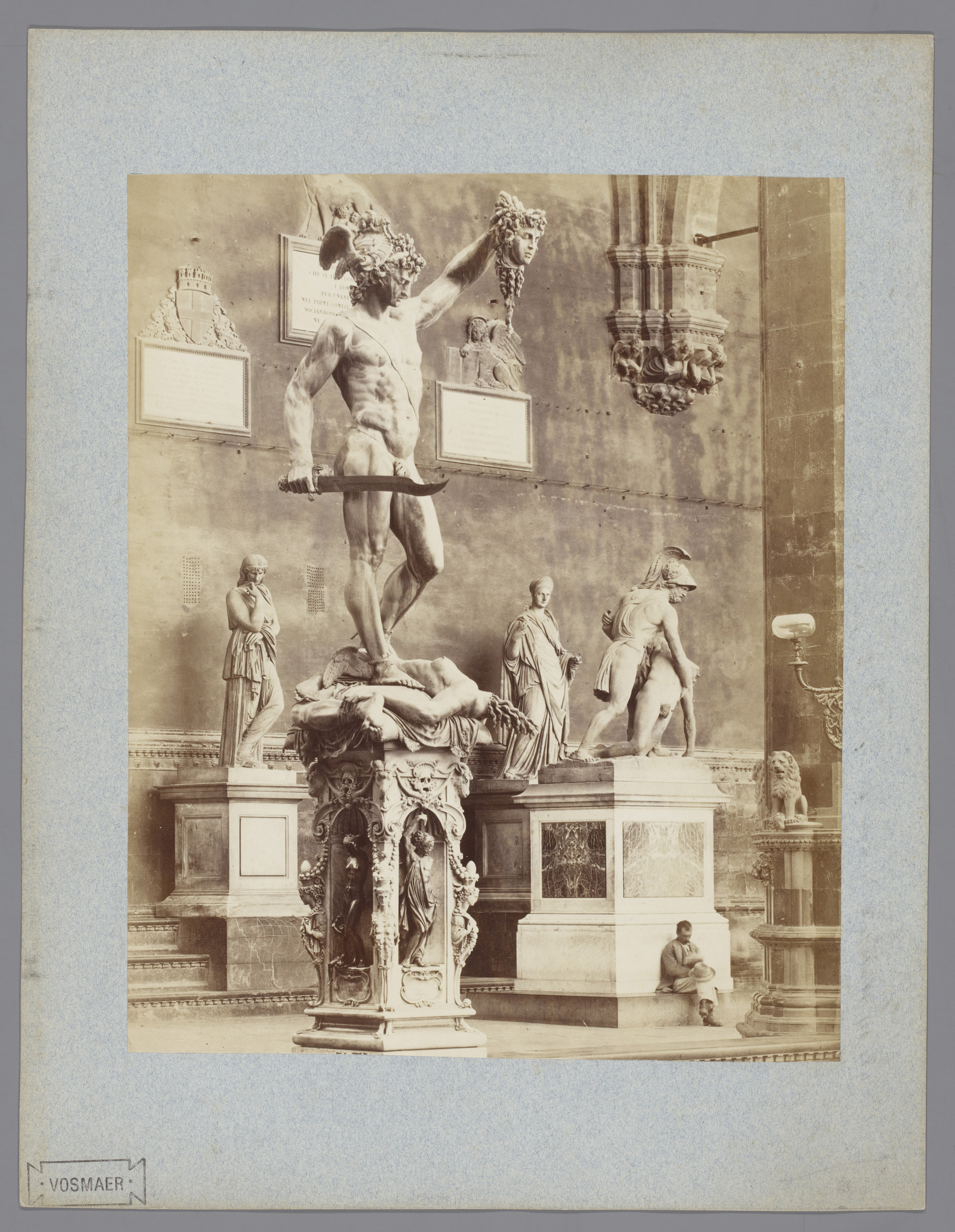
Sculptuur van Perseus met het hoofd van Medusa door Benvenuto Cellini in de Loggia dei Lanzi te Florence — History & Analysis
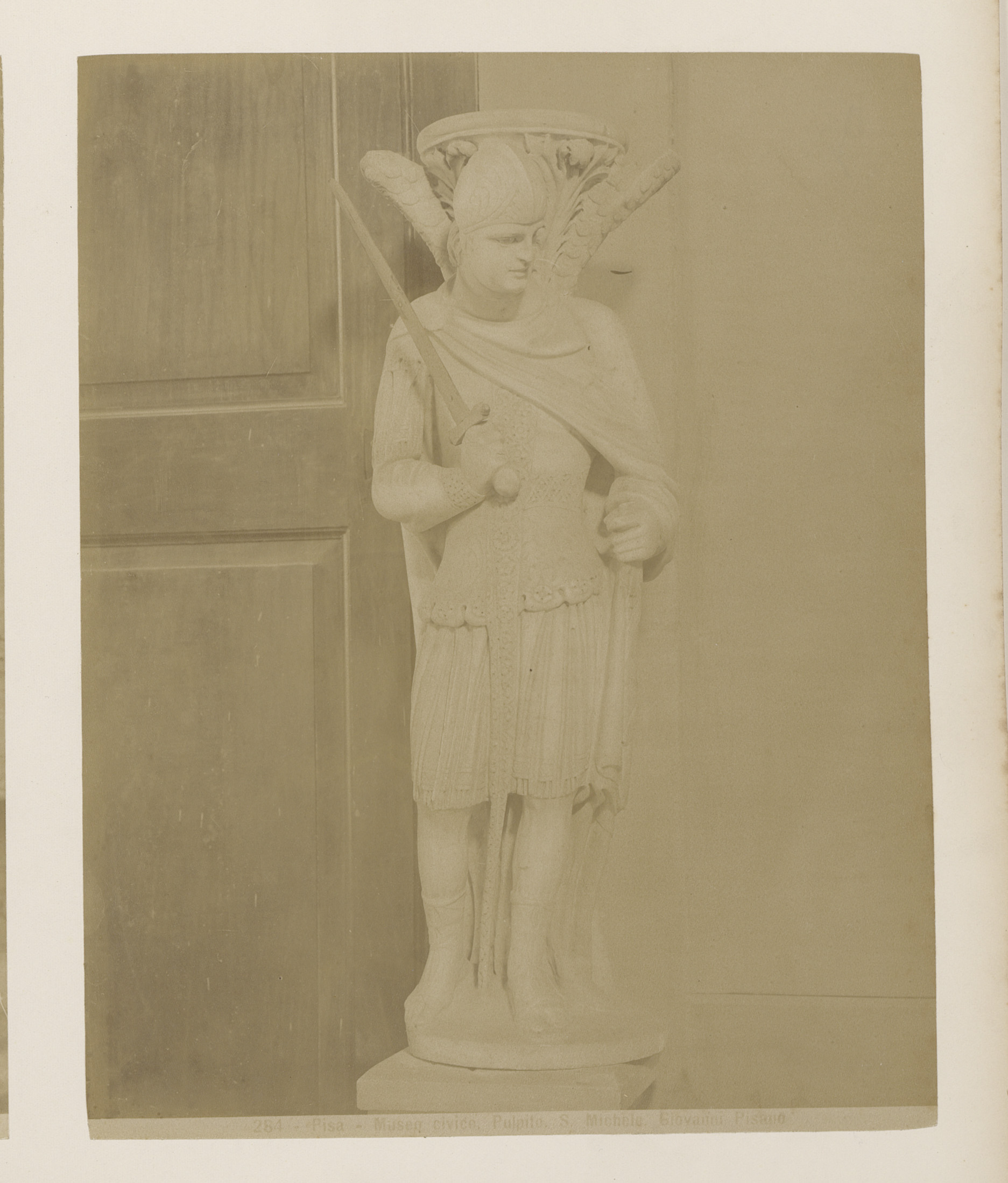
Can beauty exist without sorrow? The shadow of Medusa’s head looms large over the dignified figure of Perseus, a poignant reminder of triumph intertwined with tragedy. Look closely at the intricate details of the sculpture. Notice how the light dances across Perseus's muscular form, illuminating his fierce expression while casting dramatic shadows that echo the depth of his conquest. The stone glistens under the sunlight, each chiseled feature exuding strength and determination.
Focus now on the head of Medusa, her serpentine locks twisted in eternal torment, frozen in a moment that speaks volumes. This juxtaposition of elegance and horror is rendered with precision, reflecting the duality of the human experience. Within this composition lies a rich tapestry of emotional tension. The interplay of light and shadow serves not only to highlight physical artistry but also to evoke the inner battles of courage and fear. Medusa’s gaze, though lifeless, remains haunting, conveying the sorrow of a victim turned monster.
As Perseus stands triumphantly, his victory is tinged with the knowledge of the price paid in pain and violence, a representation of beauty birthed from darkness. This work was captured by Giacomo Brogi in the late 19th century, during a period of renaissance in Italian sculpture. Brogi, a prominent photographer, aimed to bring to life the ancient stories depicted in marble. The world was witnessing a revival of classical themes, and in his lens, he sought to bridge the past with contemporary appreciation, highlighting how the echoes of ancient myths continue to resonate within the hearts of modern audiences.