Palazzo Pitti te Florence, Italië — History & Analysis
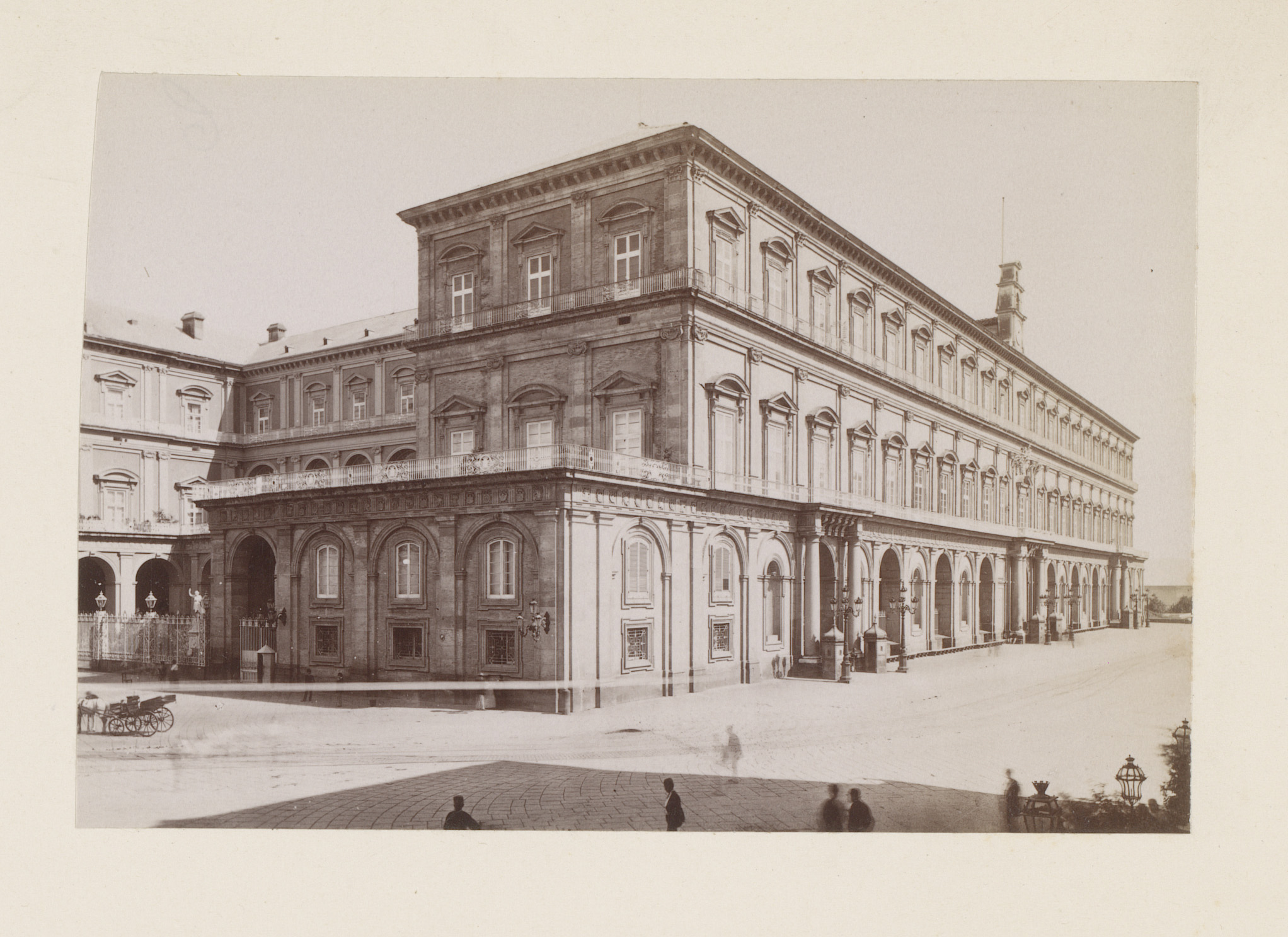
Could a single brushstroke hold eternity? In Palazzo Pitti te Florence, Italië, the artist challenges the viewer to confront the vastness of emptiness and architectural grandeur. Look to the foreground where the majestic Palazzo Pitti stands, its imposing structure rendered in rich earth tones that evoke a sense of solidity and history. Notice how the light, diffused by a gentle haze, softens the edges of the building, creating an illusion of depth that invites exploration.
The delicate strokes capture the play of shadow and light across the façade, while subtle nuances in color draw attention to the intricate details of windows and arches, revealing the artist's mastery in portraying both stillness and life. Yet, within this grandeur lies a profound emptiness—a silent echo of life uninhabited. The absence of figures creates an unsettling serenity, allowing the viewer to feel the weight of history without distraction. The juxtaposition of the solid architecture against the vast, unpopulated landscape hints at a deeper narrative of solitude amidst opulence.
Here, emptiness is not merely a void but a canvas for reflection, urging us to contemplate the stories that once filled these spaces. Created between 1864 and 1881, this work emerged during a transformative period in Italy, marked by the unification of the country and a renewed interest in its cultural heritage. Giacomo Brogi, a prominent photographer and painter, sought to capture both the beauty and the essence of Italian landmarks, utilizing a style that blended realism with romanticism. His works from this era reveal a deep engagement with the themes of identity, memory, and the passage of time, reflecting the collective consciousness of a nation in transition.