Gezicht op de Vesuvius met kabelspoorbaan, Italië — History & Analysis
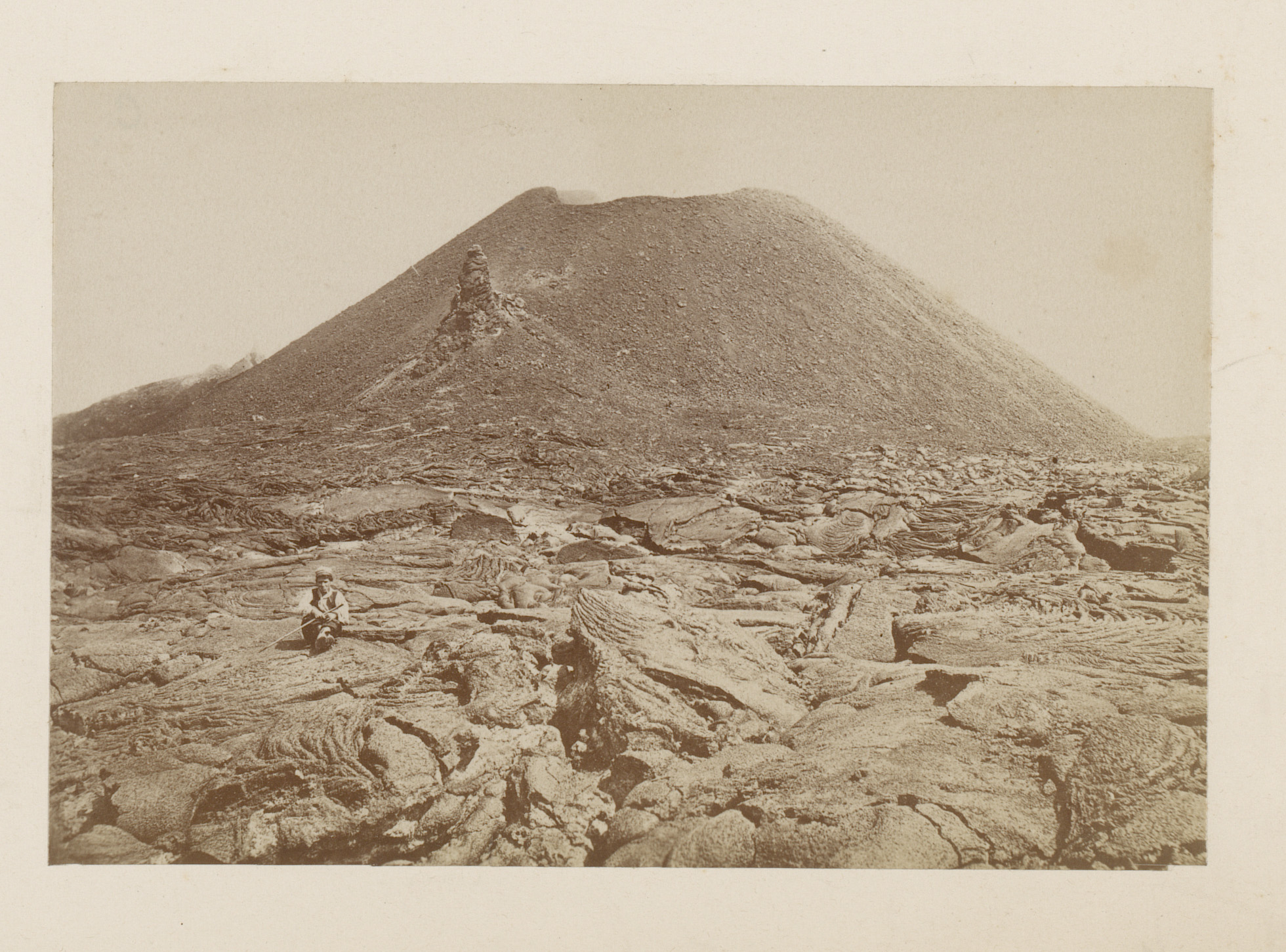
Who listens when art speaks of silence? In Gezicht op de Vesuvius met kabelspoorbaan, a haunting stillness envelops the landscape, whispering stories of decay and resilience beneath the shadow of the mighty volcano. Look to the left where the cable car ascends, its thin line cutting through the lush foliage and leading the eye towards the imposing figure of Vesuvius. The earthy tones of the foreground contrast with the cooler blues of the sky and mountain, suggesting a vibrant yet unyielding nature.
Notice the way light cascades down the slopes, illuminating the trees while casting deep shadows that hint at forgotten paths and dormant memories of the land. The painting embodies a delicate balance between nature's grandeur and human intrusion. The cable car, a symbol of human ingenuity, serves as a reminder of fragility against the immense force of the volcano, which has witnessed countless eruptions and transformations.
This juxtaposition speaks to the transient nature of progress in the face of decay, inviting contemplation on the inevitability of time and change. Giacomo Brogi created this work between 1880 and 1881 while in Italy, during a period marked by rapid industrialization. As artists began to explore the dynamics of nature and humanity, Brogi captured a moment where human innovation meets the ancient power of the earth, reflecting the tensions and aspirations of his time.