Giant Redwood Trees of California — History & Analysis
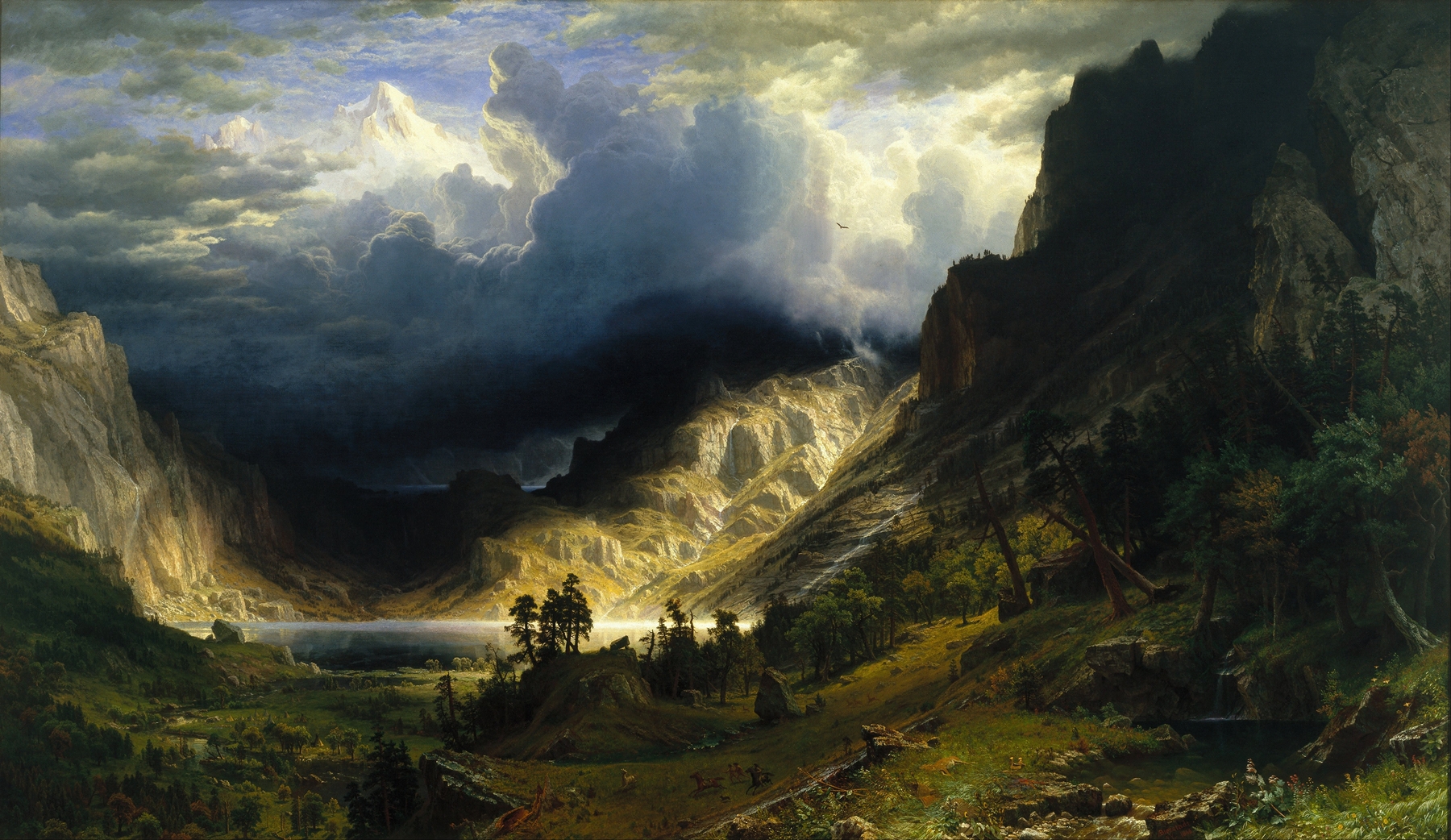
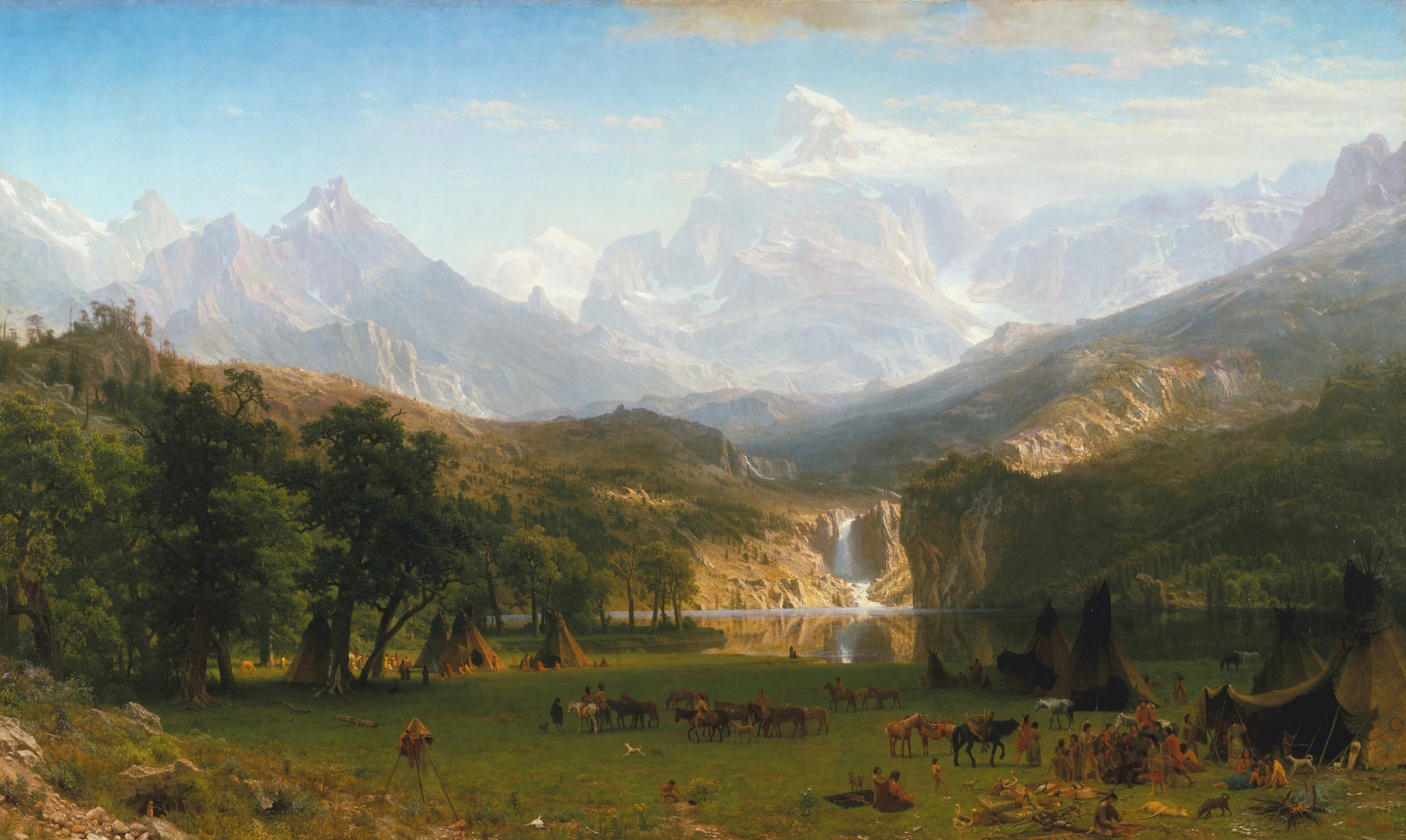
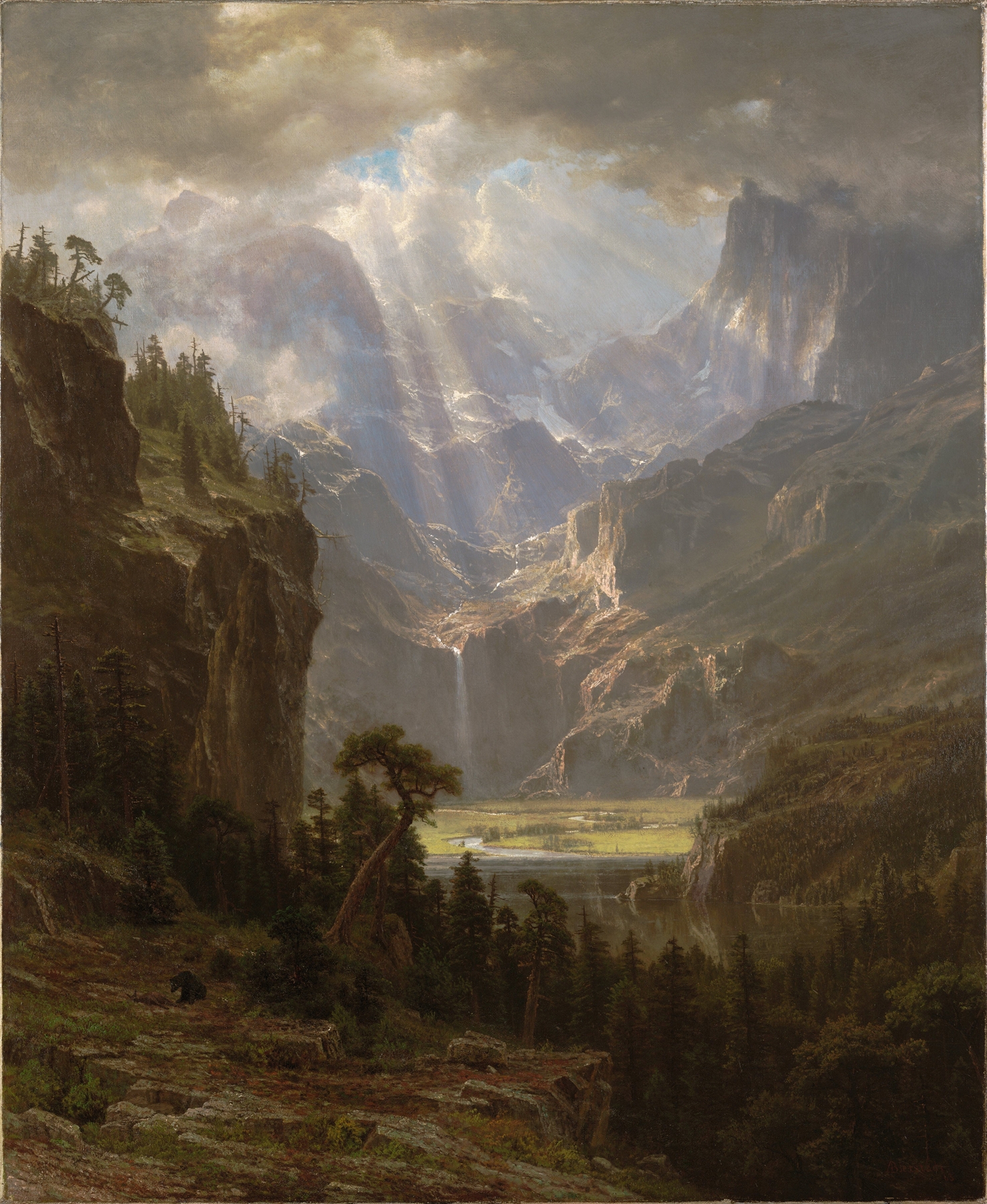
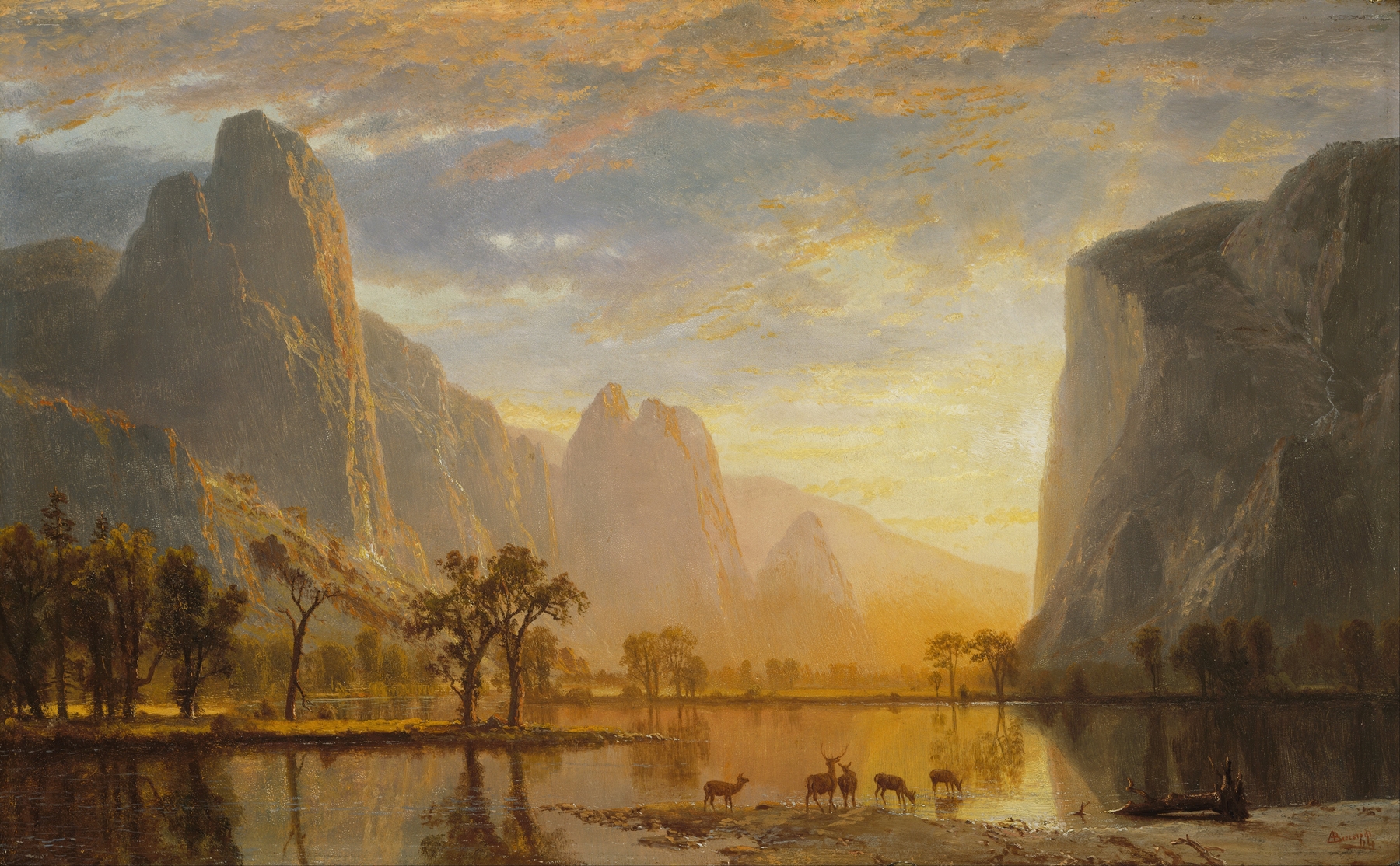
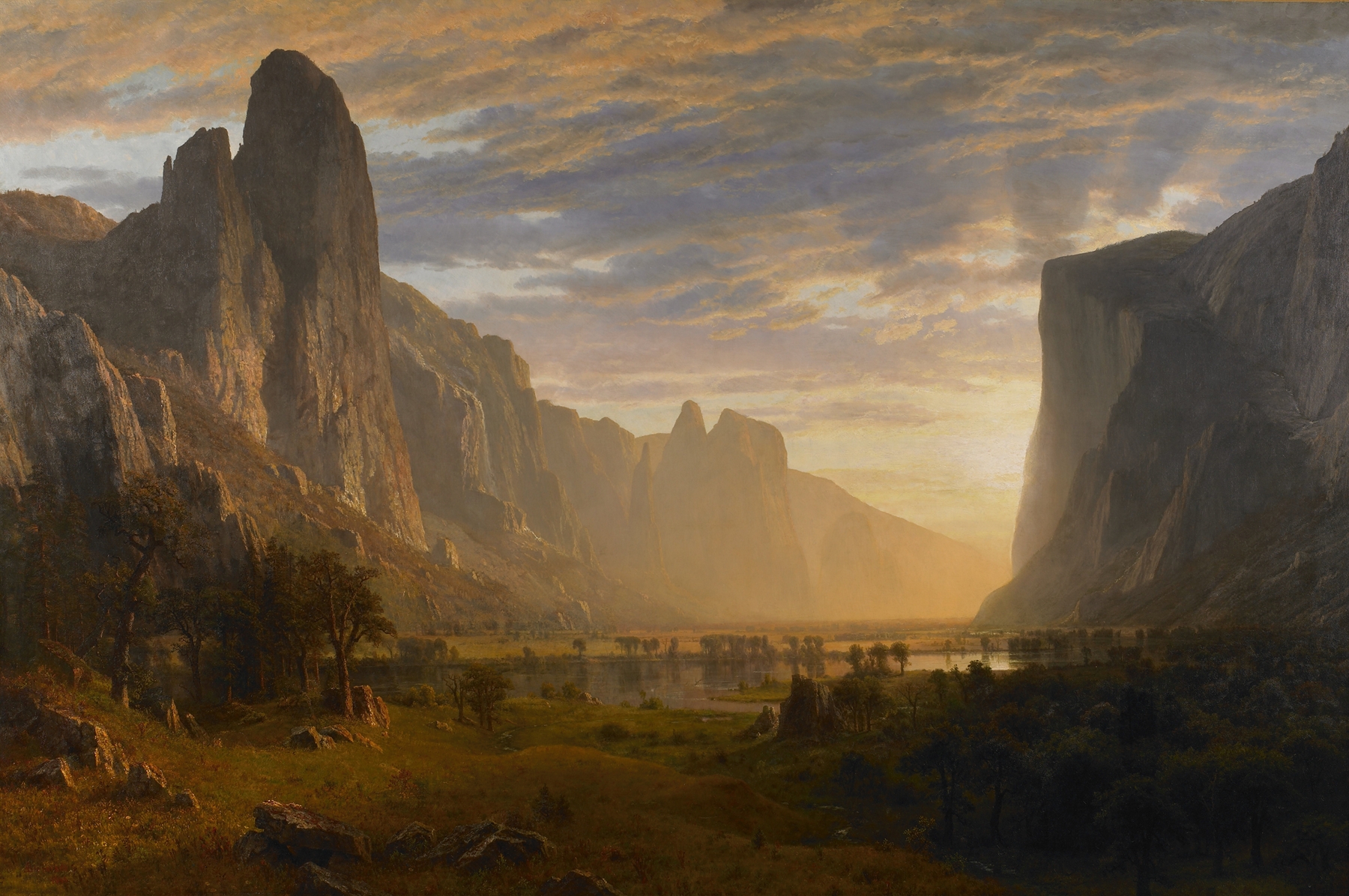
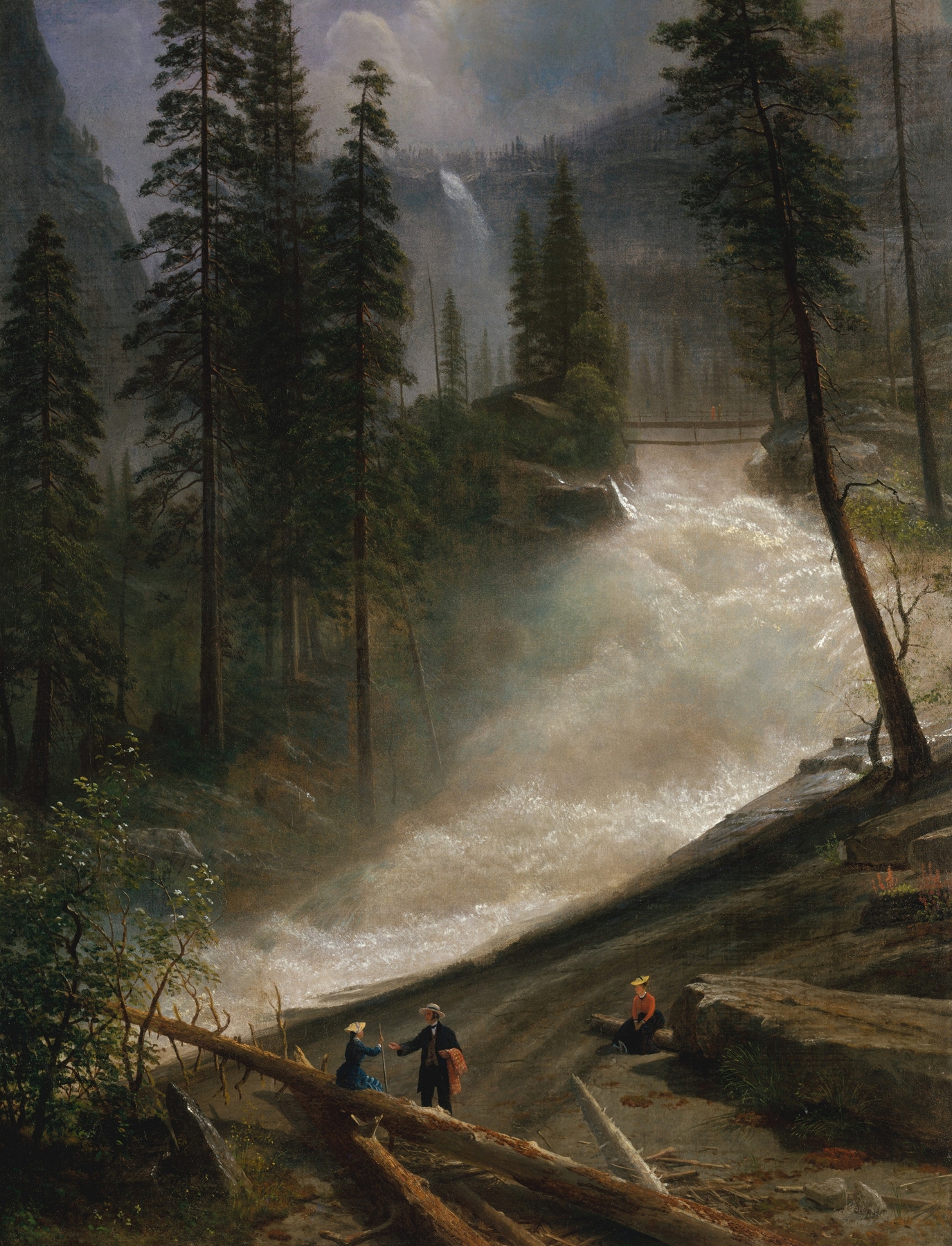
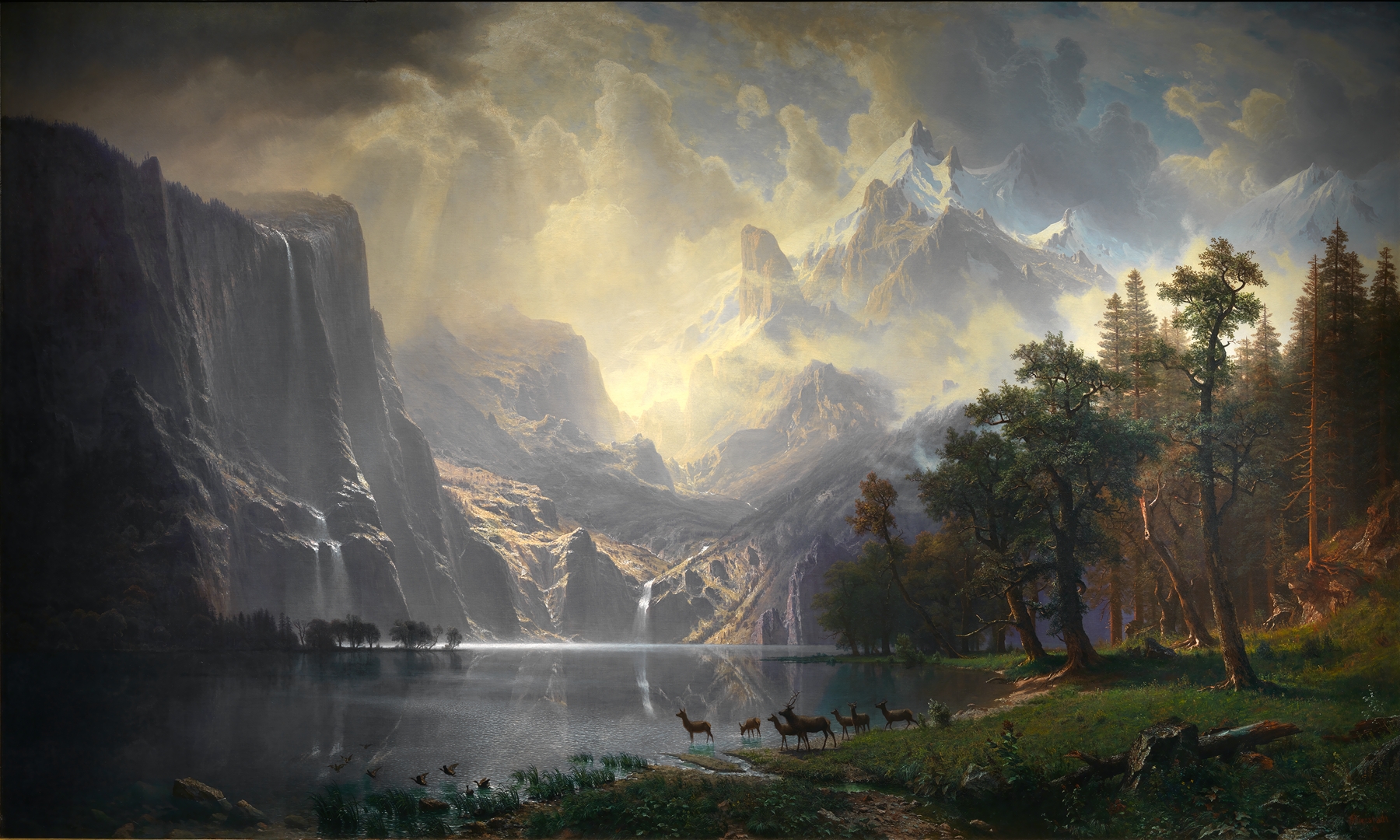
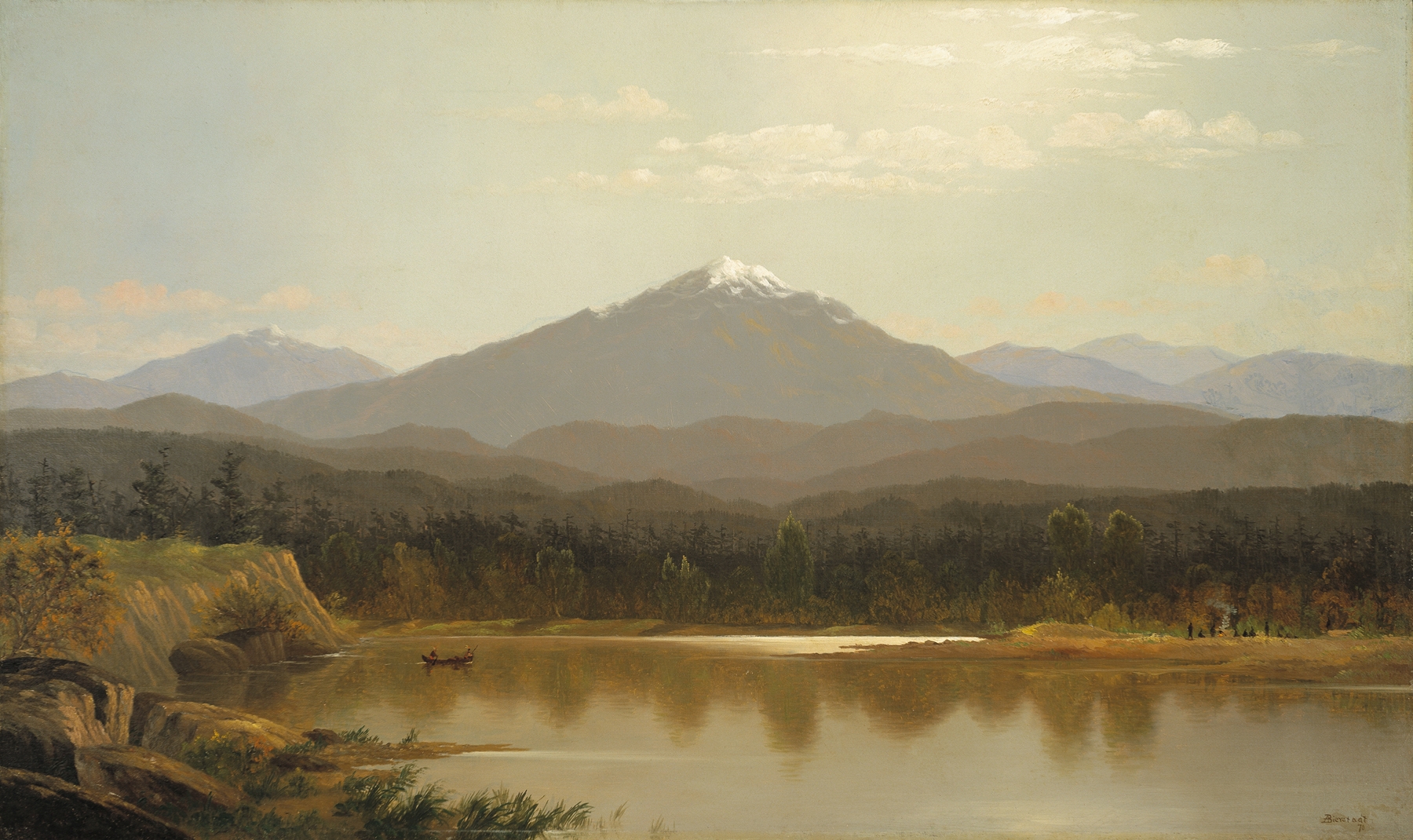
“To paint is to remember what time wants us to forget.” In this dreamy vision, nature stands still, inviting us into its timeless embrace where the past and present intermingle. Look to the center, where majestic giant redwoods stretch towards the sky, their trunks thick and gnarled, commanding respect and reverence. The soft, diffused light filters through the leafy canopy, casting intricate shadows on the forest floor. Rich greens and earthy browns dominate the palette, while touches of soft blue in the sky offer a sense of tranquility.
The composition draws the eye upward, emphasizing the towering height of the trees, creating a feeling of both awe and insignificance in the viewer’s presence. The painting conveys a deep sense of serenity and isolation, capturing not just the grandeur of these natural wonders but also the fragility of life. Notice the play of light and shadow—each beam illuminating the bark’s texture tells a story of endurance. There’s an emotional tension between the expansive wilderness and the viewer's introspective journey, suggesting a yearning for escape, a desire to lose oneself in nature’s vastness.
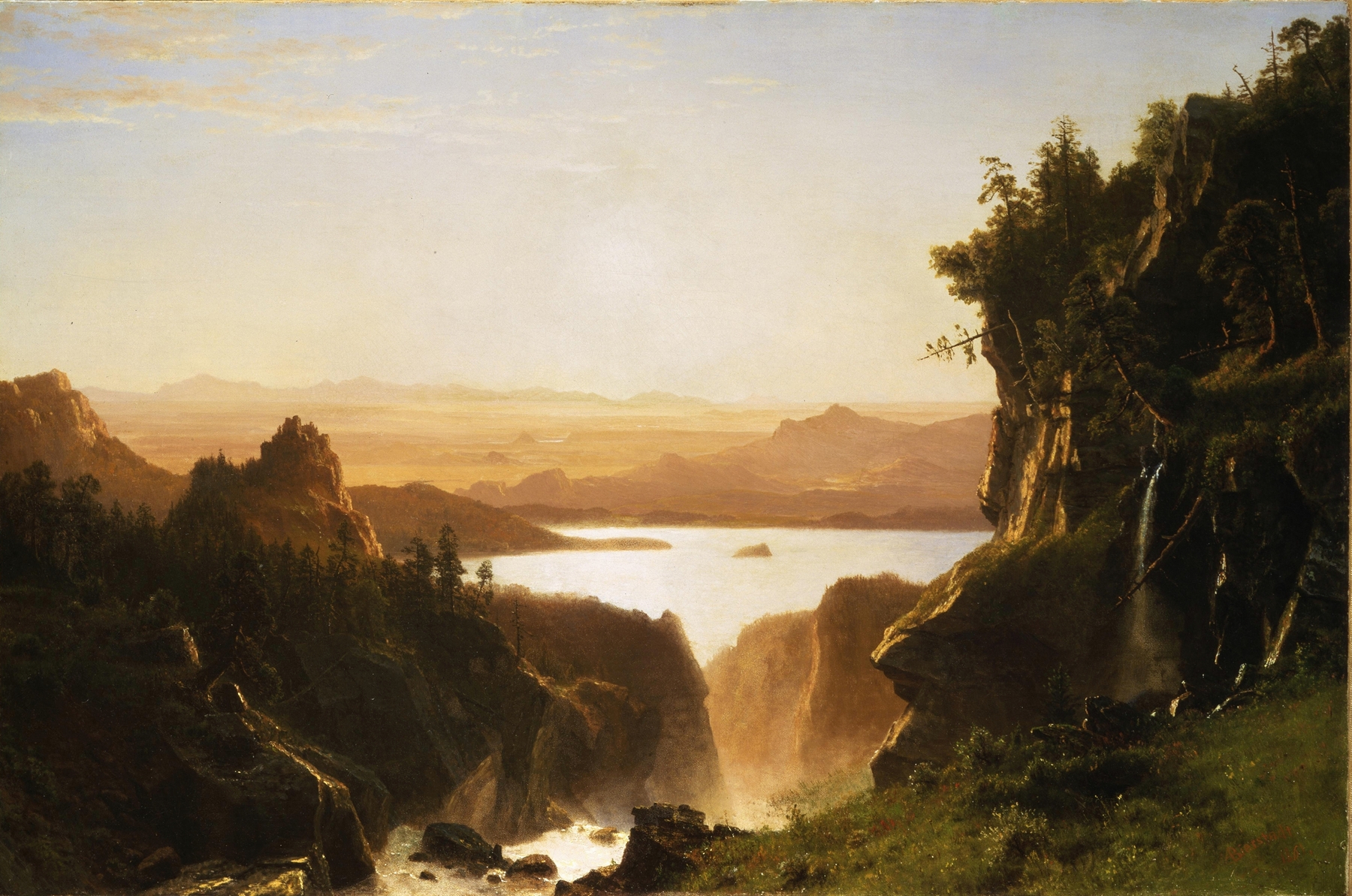
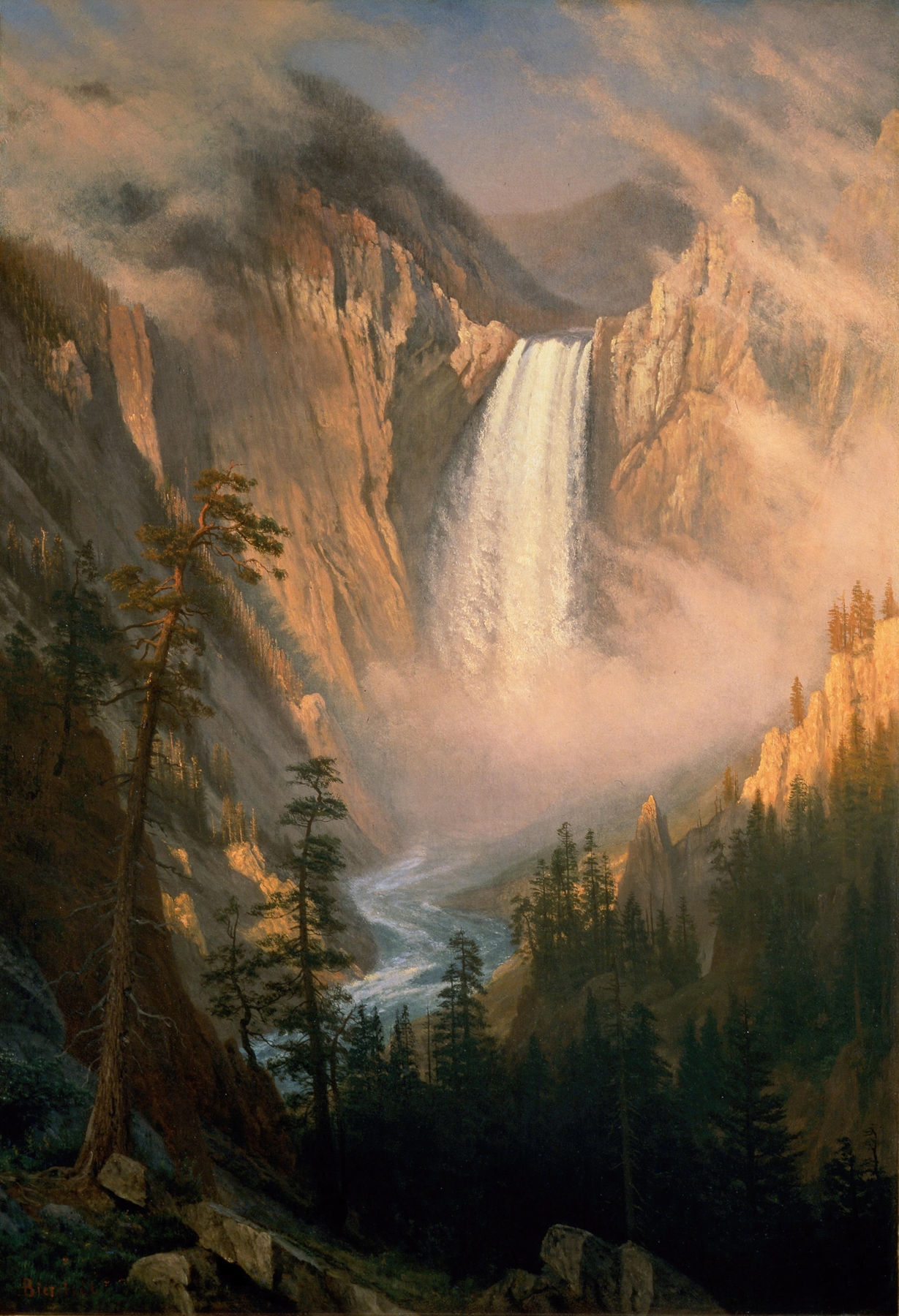
In 1874, during a period marked by the expansion of the American West, the artist immersed himself in the beauty of landscapes, creating works that celebrated the untamed wilderness. At this time, Bierstadt’s reputation was rising, as he was known for his spectacular depictions of the American outdoors. The grandeur of Giant Redwood Trees of California reflects both his artistic vision and the historical context of a nation in awe of its natural heritage.