Graves at the head of the harbour of Balaklava — History & Analysis
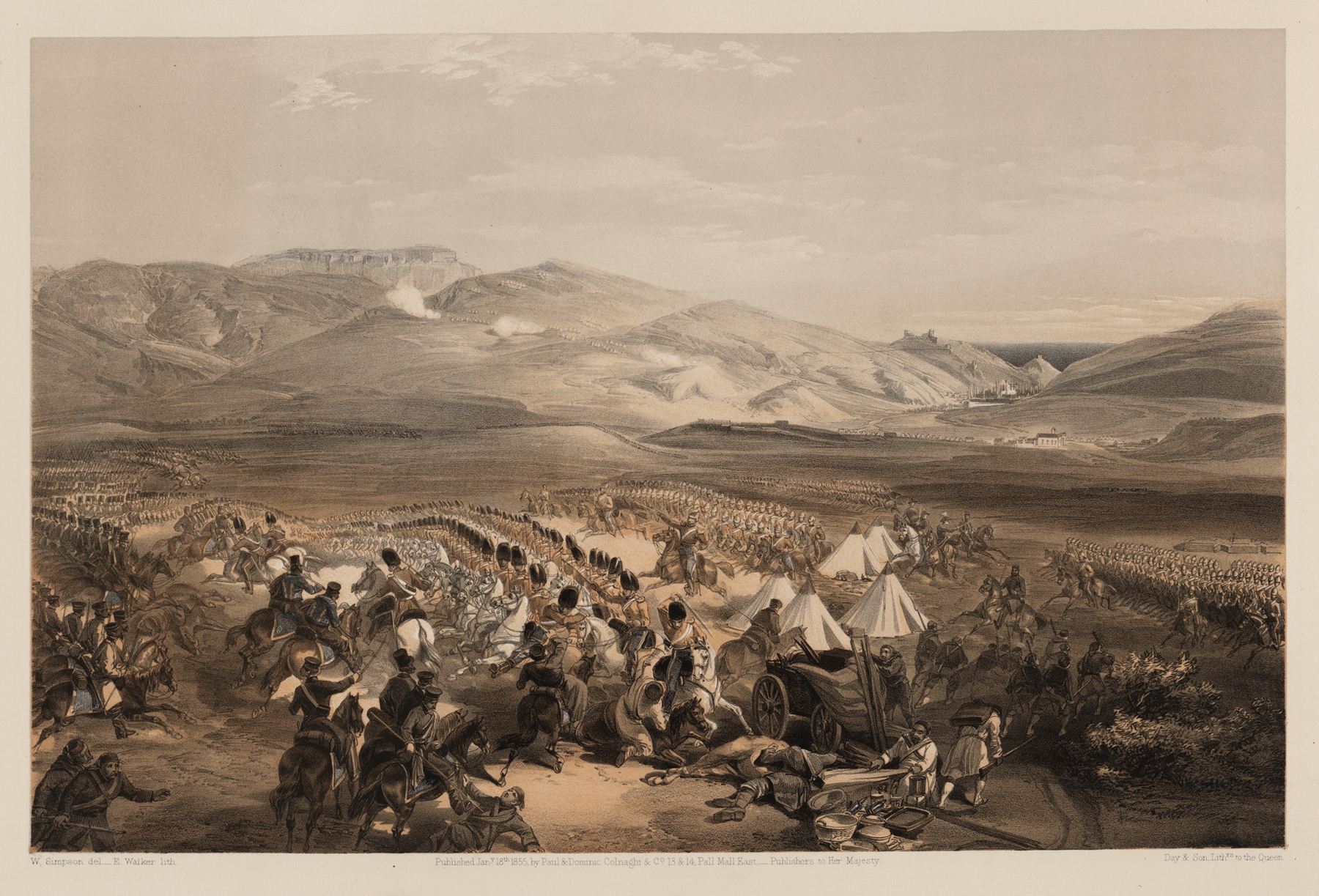
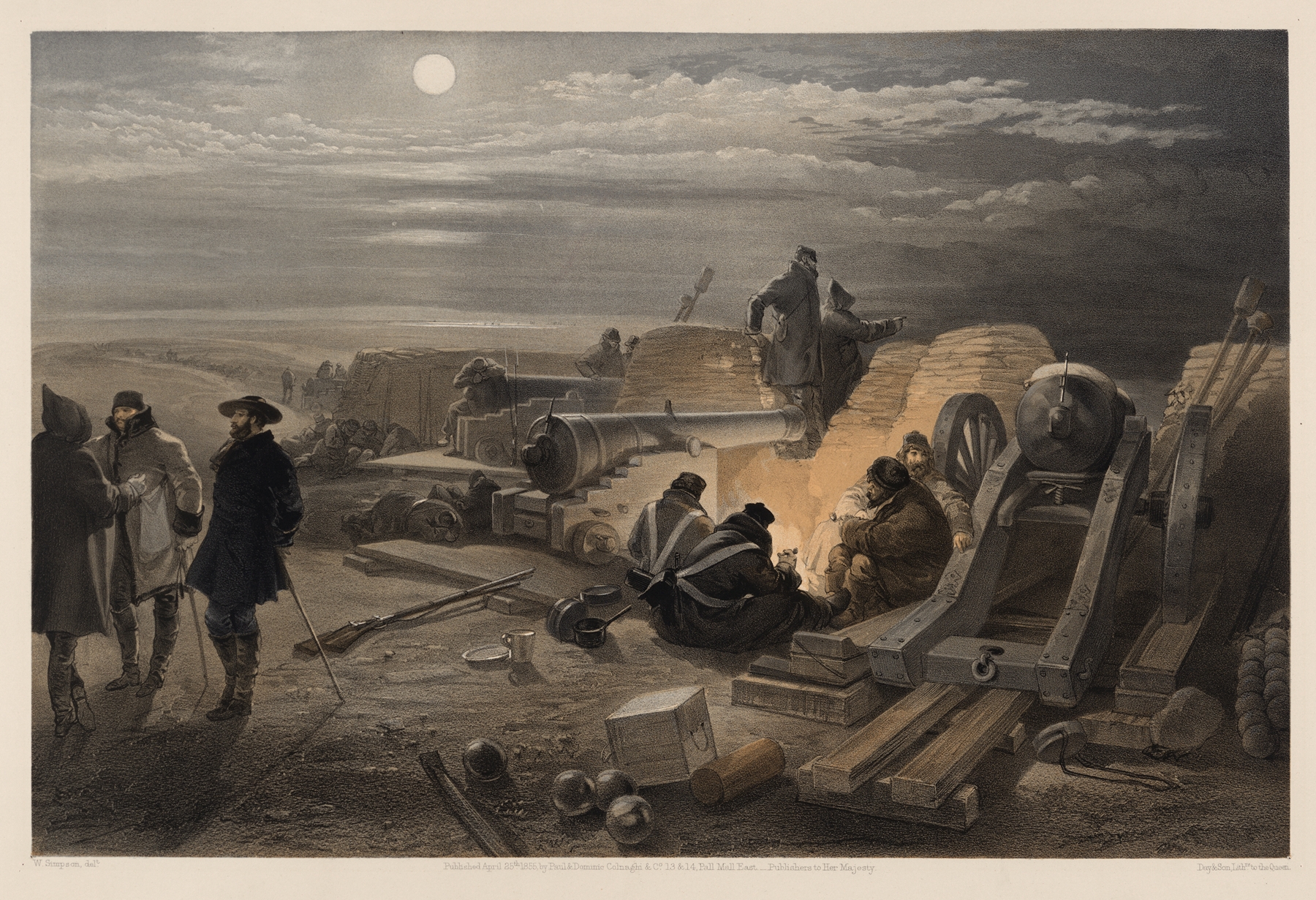
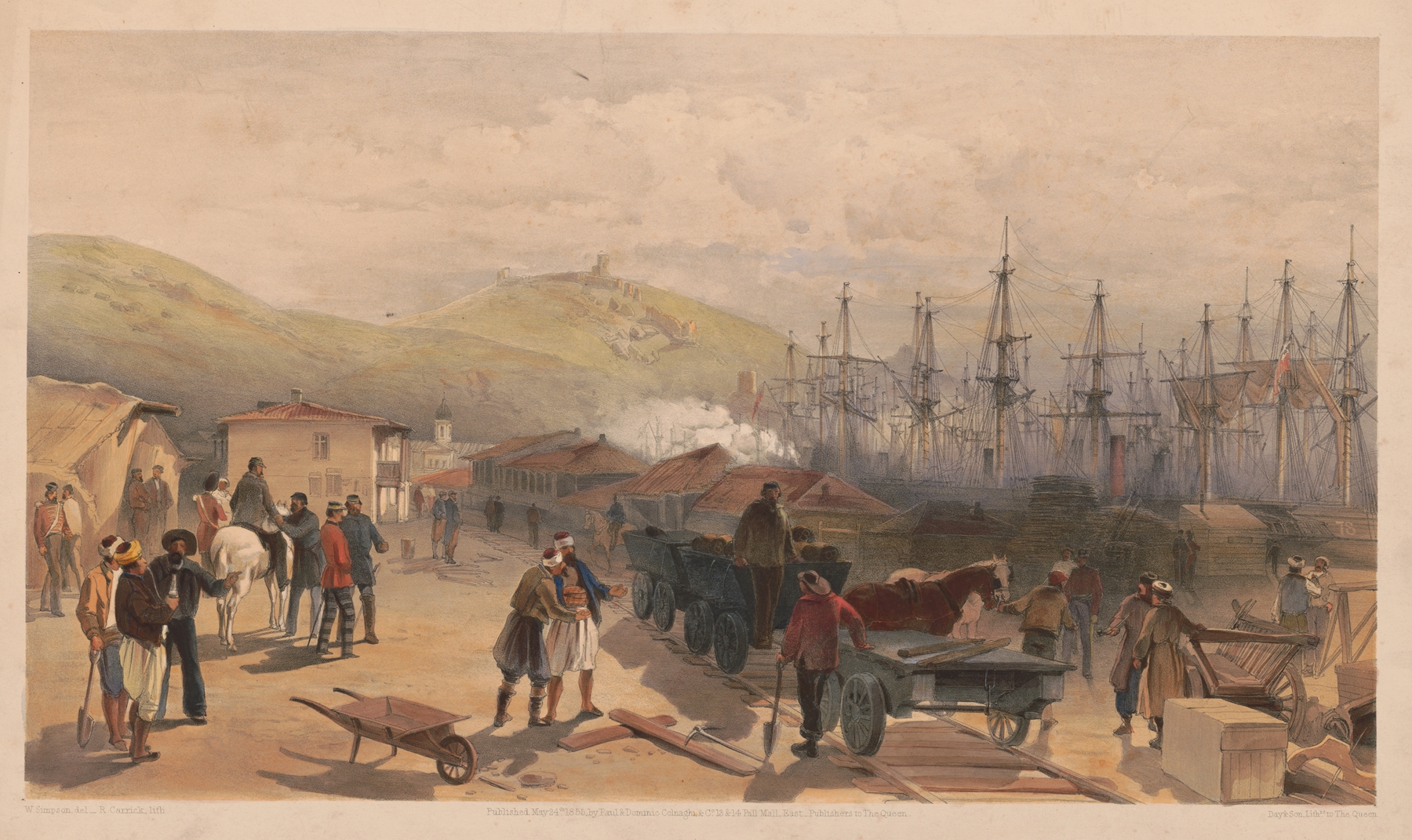
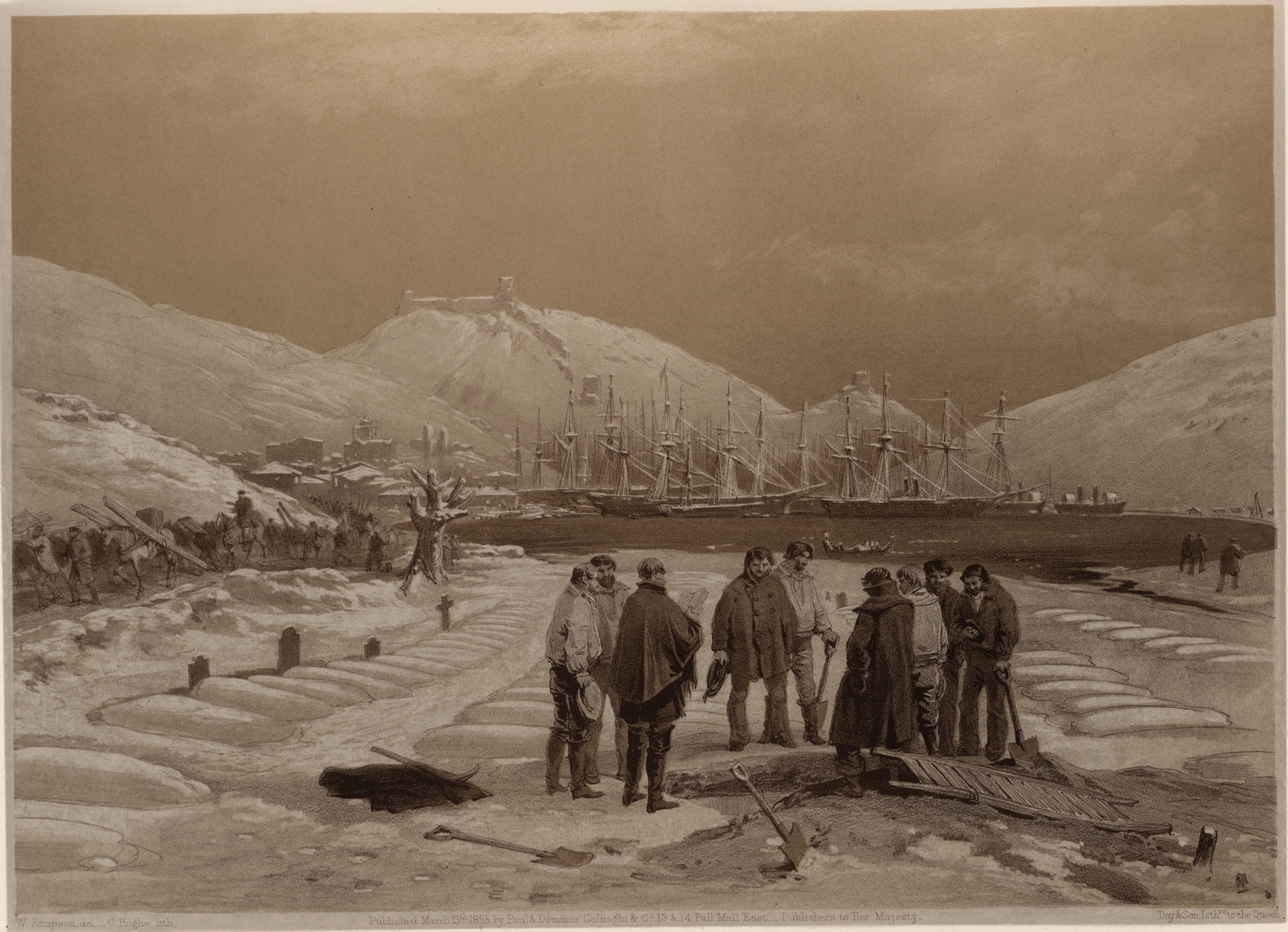
“To paint is to remember what time wants us to forget.” In a world where moments slip into oblivion, art becomes an anchor, a fragile illusion of permanence amid impermanence. Look closely at the foreground of *Graves at the head of the harbour of Balaklava*, where stark white tombstones jut out against a muted, somber landscape. The brushwork conveys a sense of stillness, yet the rolling hills in the background suggest the weight of history. The soft palette of greys and browns evokes an air of melancholy, urging the viewer to confront the quiet dignity of loss. Each grave tells a story, marked not just by granite but by the passage of lives intertwined with the very soil beneath. Yet, there lies a profound contrast in this composition: the serene beauty of nature juxtaposed with the somber reminder of mortality. Notice how the graves, while fixed in their place, seem to recede into the earth, blending slightly with the terrain—a metaphor for how we are all bound to the land, and how memory fades with time. The distant harbour, too, is emblematic, promising life and movement, yet it stands eerily silent against the backdrop of sacrifice. This duality reminds us that while nature persists, human life is fragile and fleeting. In 1855, *William Simpson* painted this work while witnessing the aftermath of the Crimean War, reflecting the tumultuous atmosphere of loss and heroism. At the time, he was in Balaklava, capturing the essence of a battlefield transformed into a place of remembrance. As an artist, Simpson sought to document the brutal realities of war and its lasting impact, creating a poignant reminder of lives lost and stories waiting to be told.