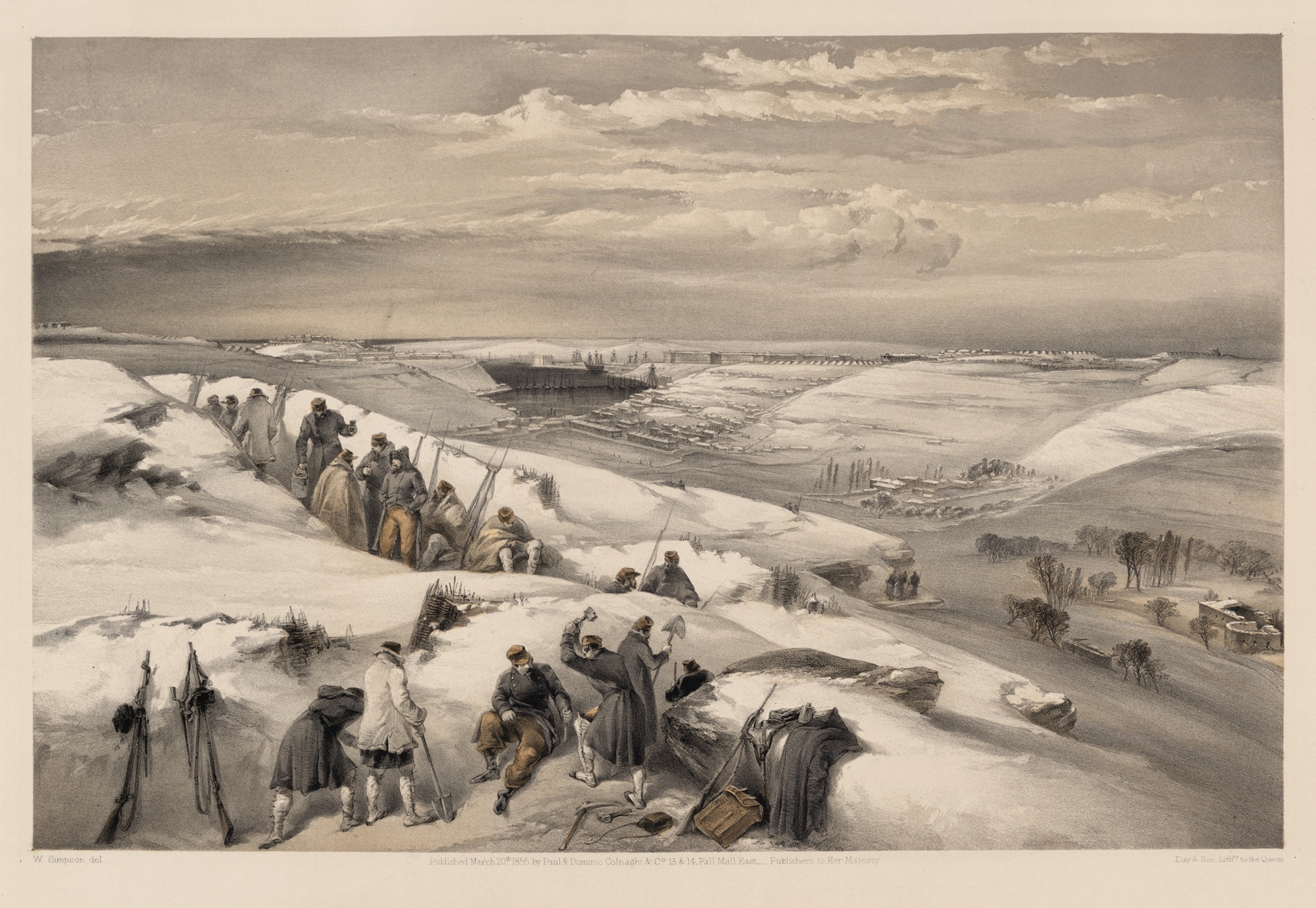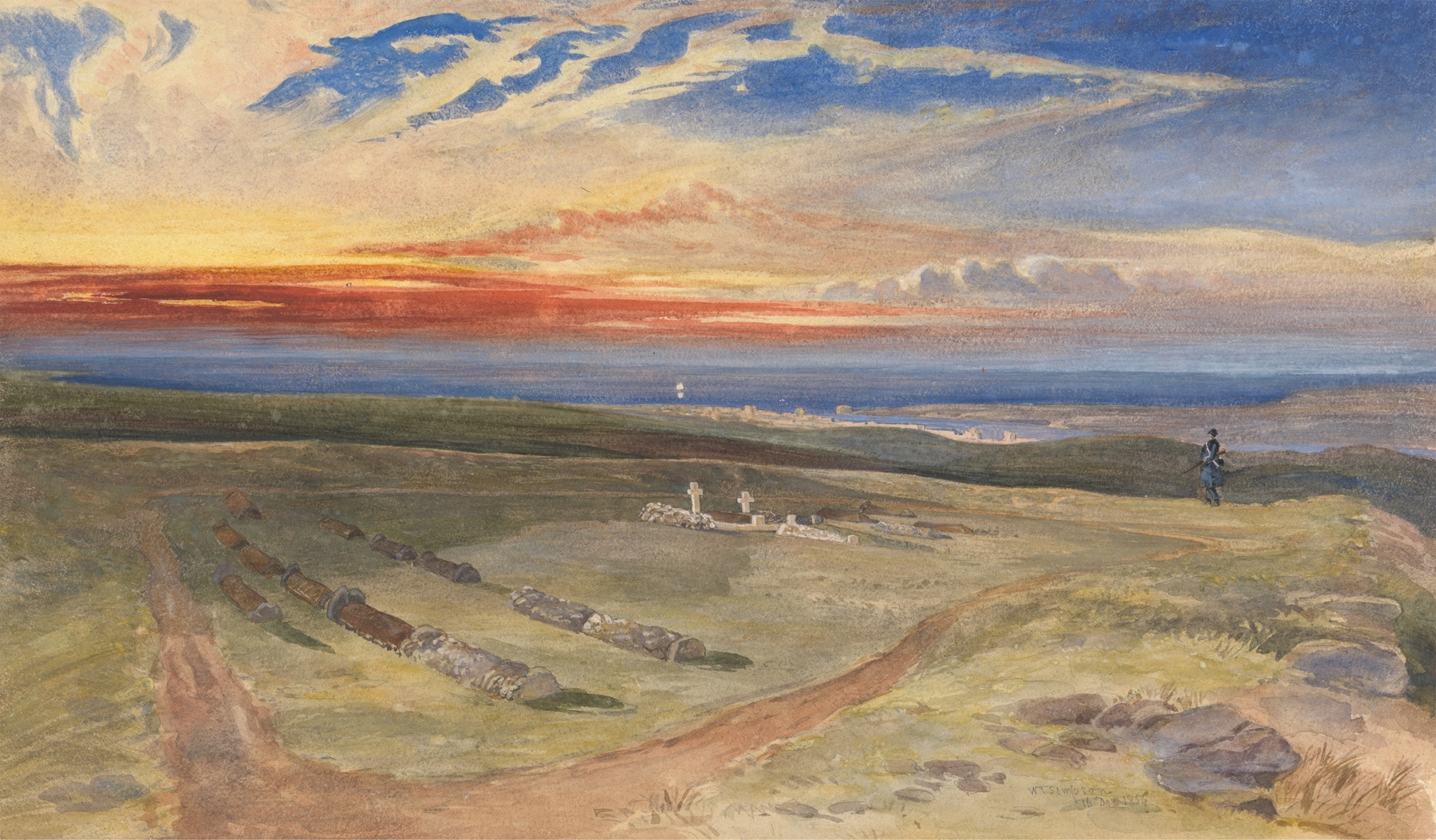
Graves of the Officers in the Fort on Cathcart’s Hill — History & Analysis
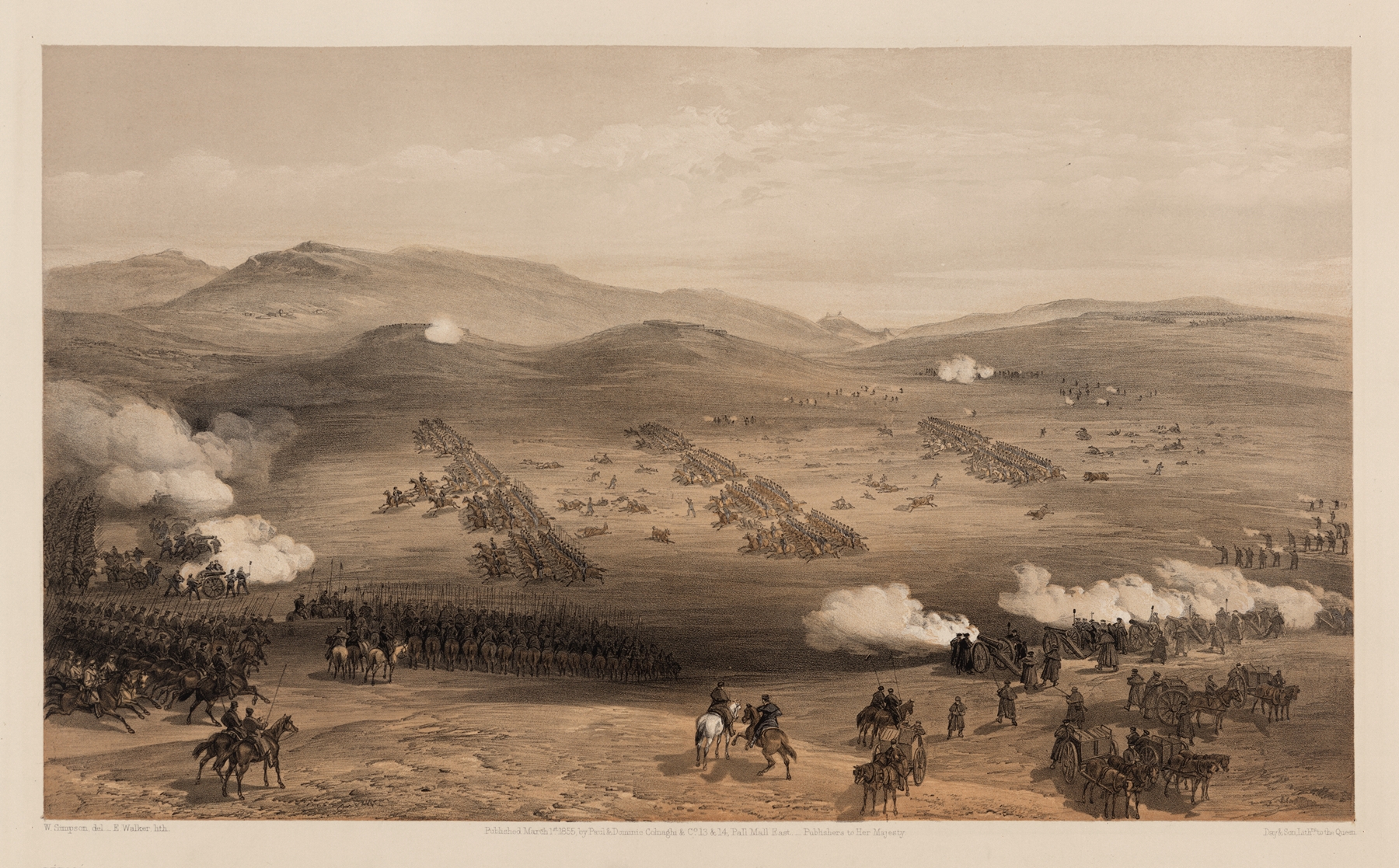
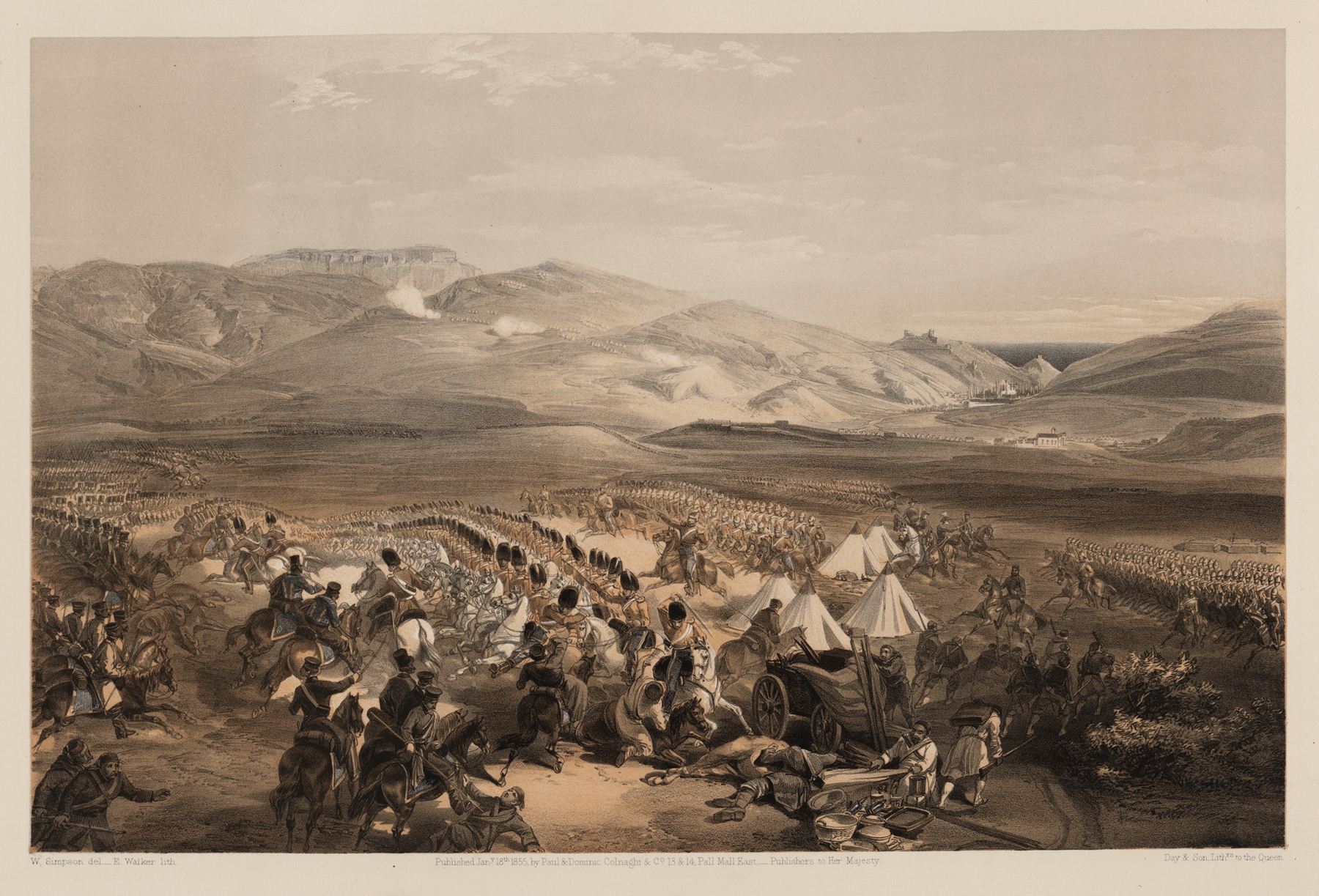
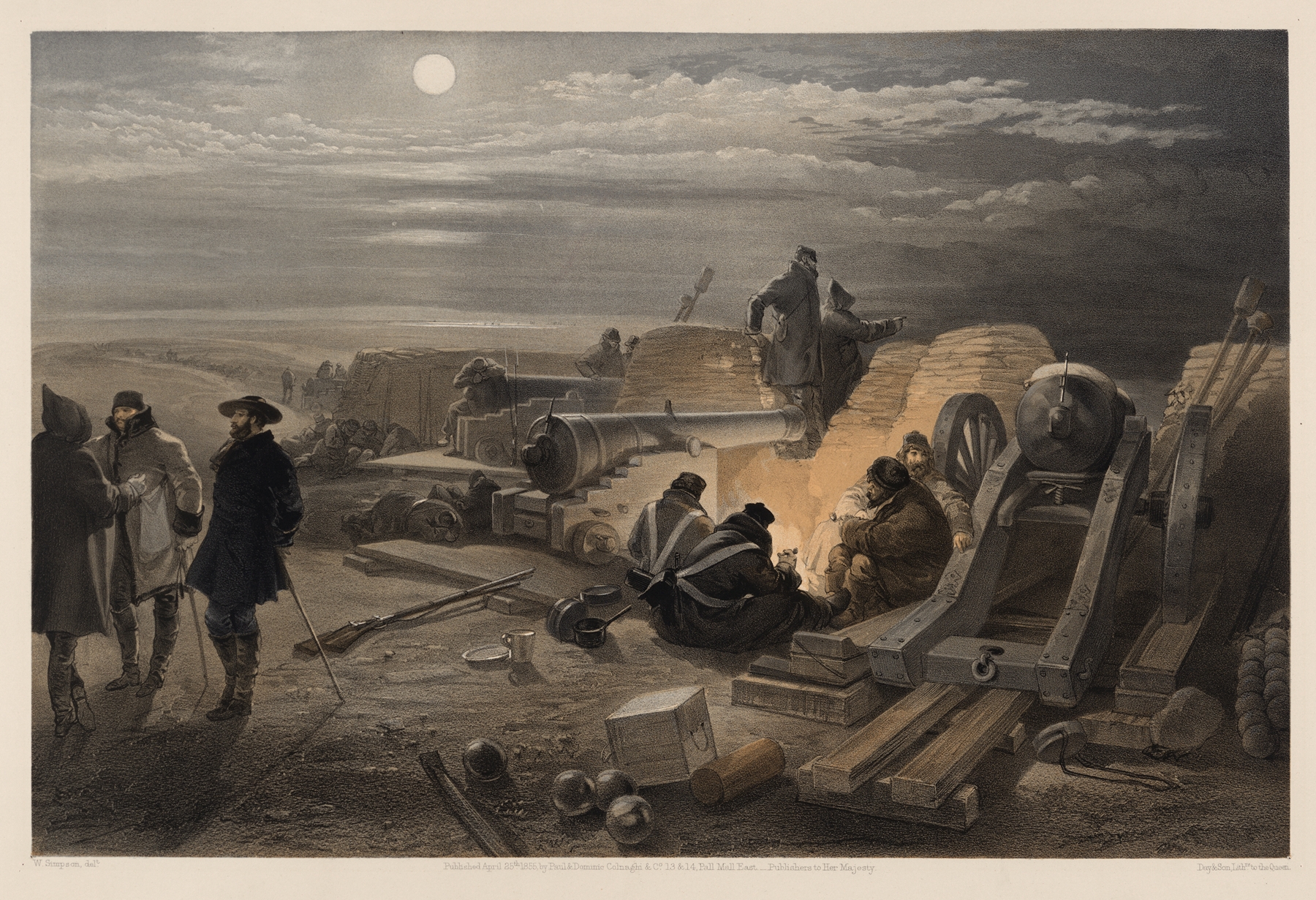
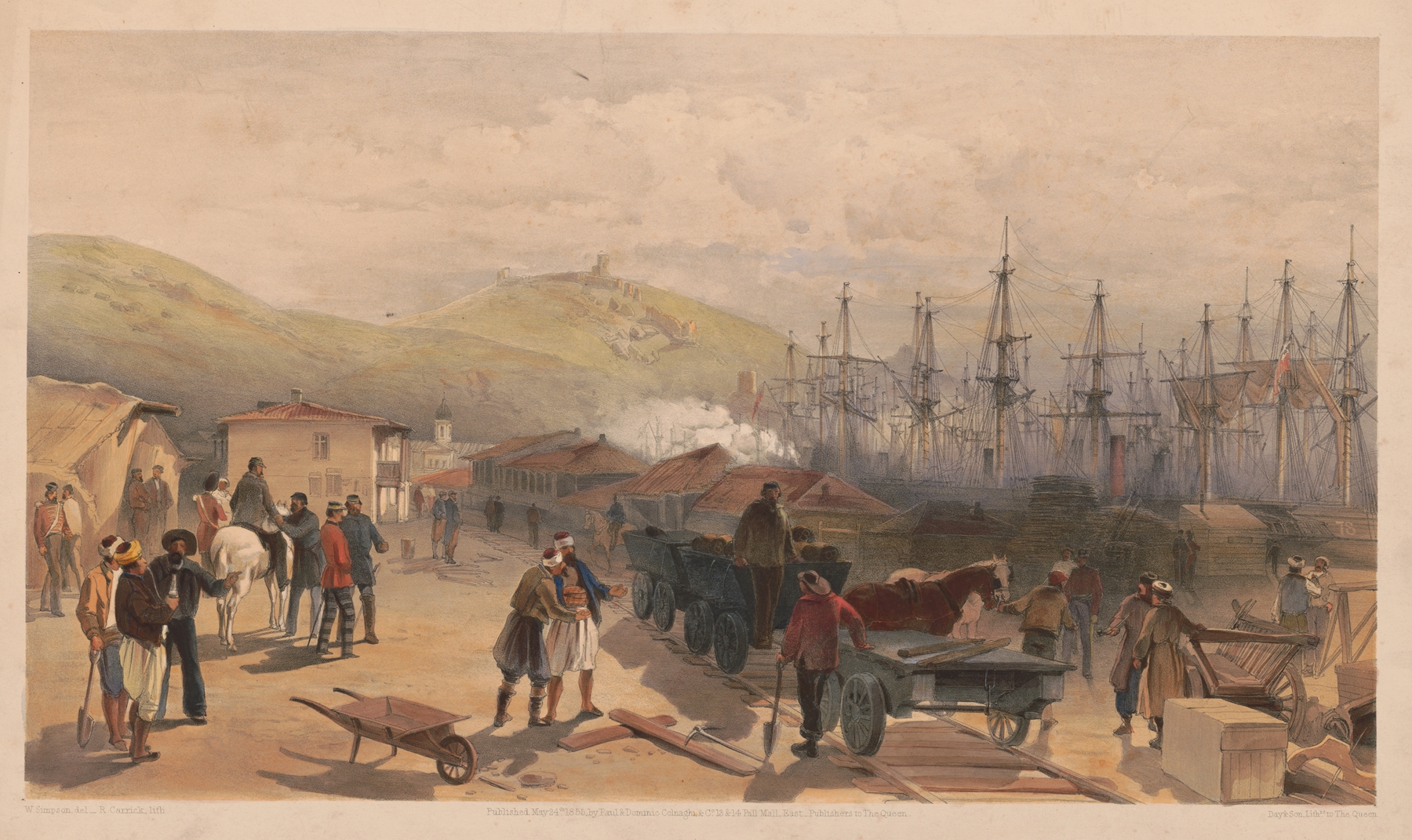
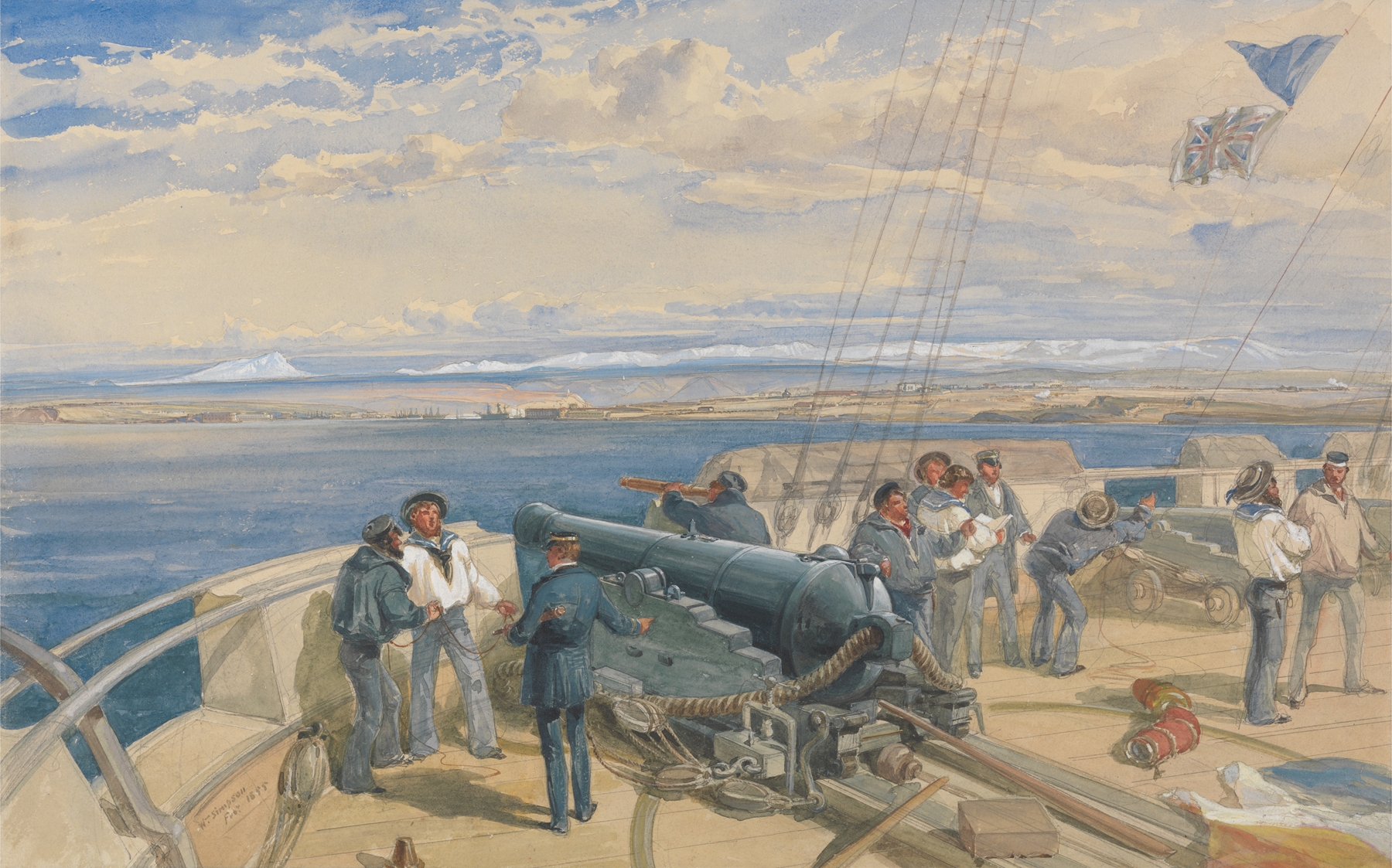
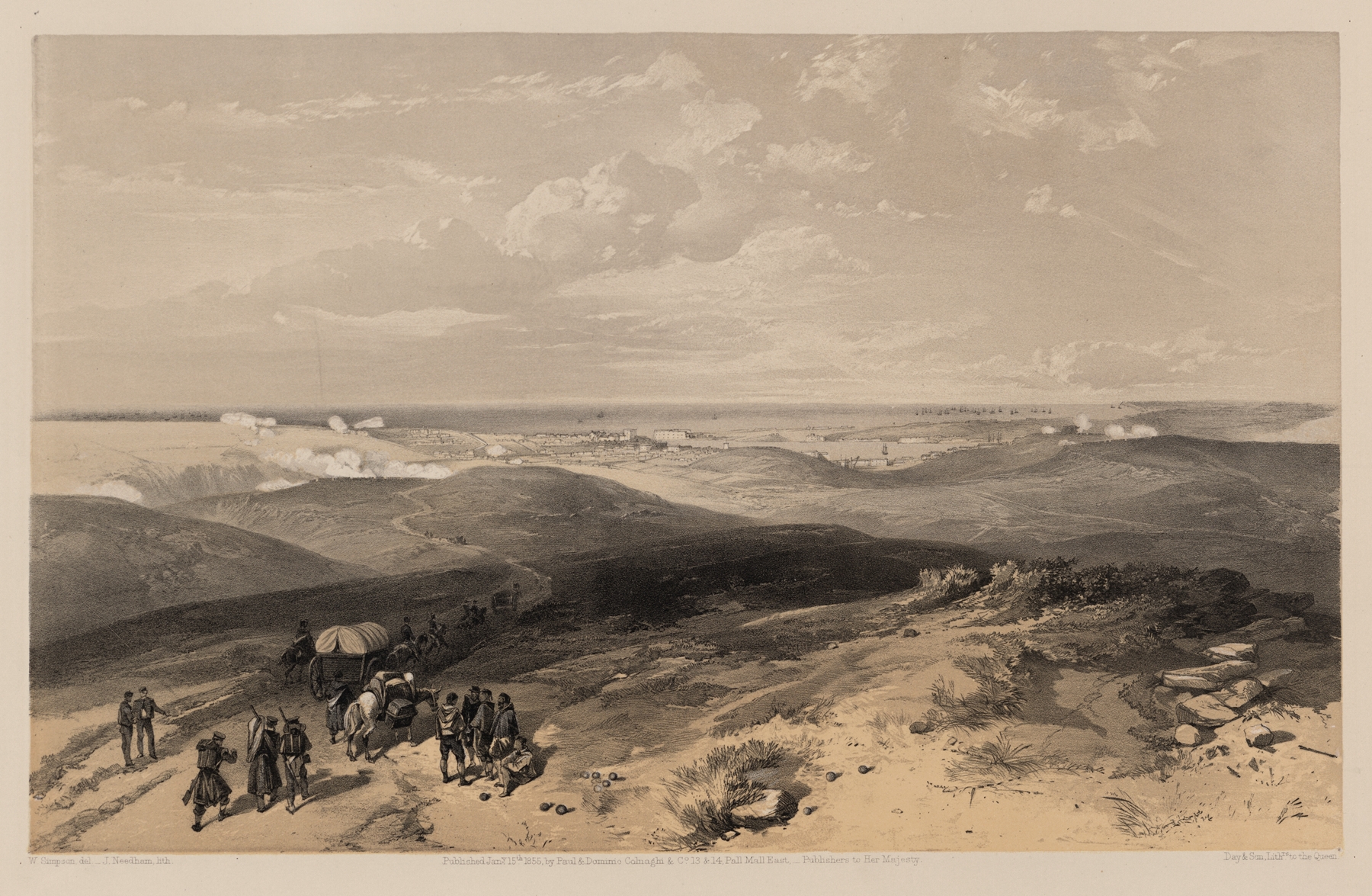
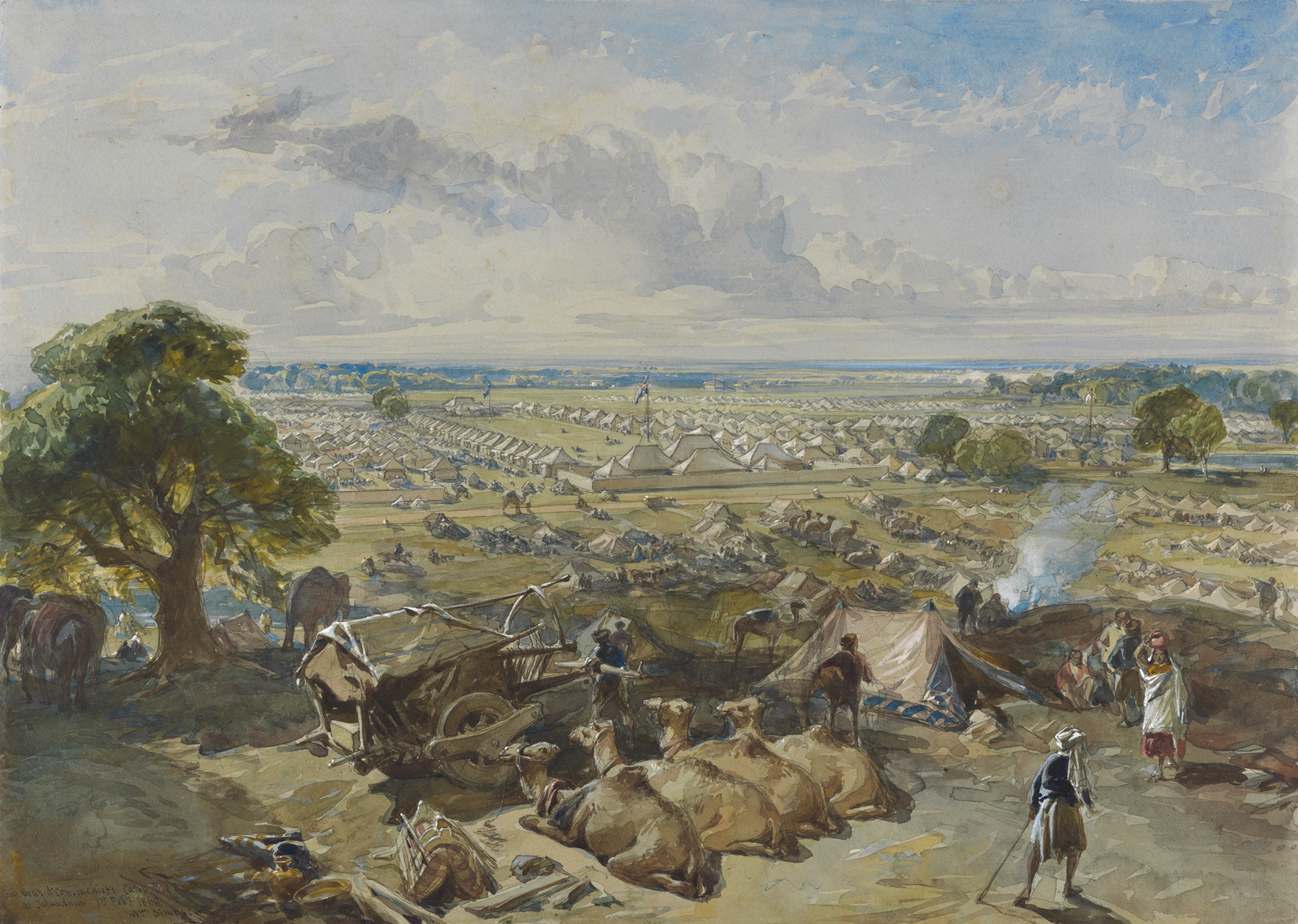
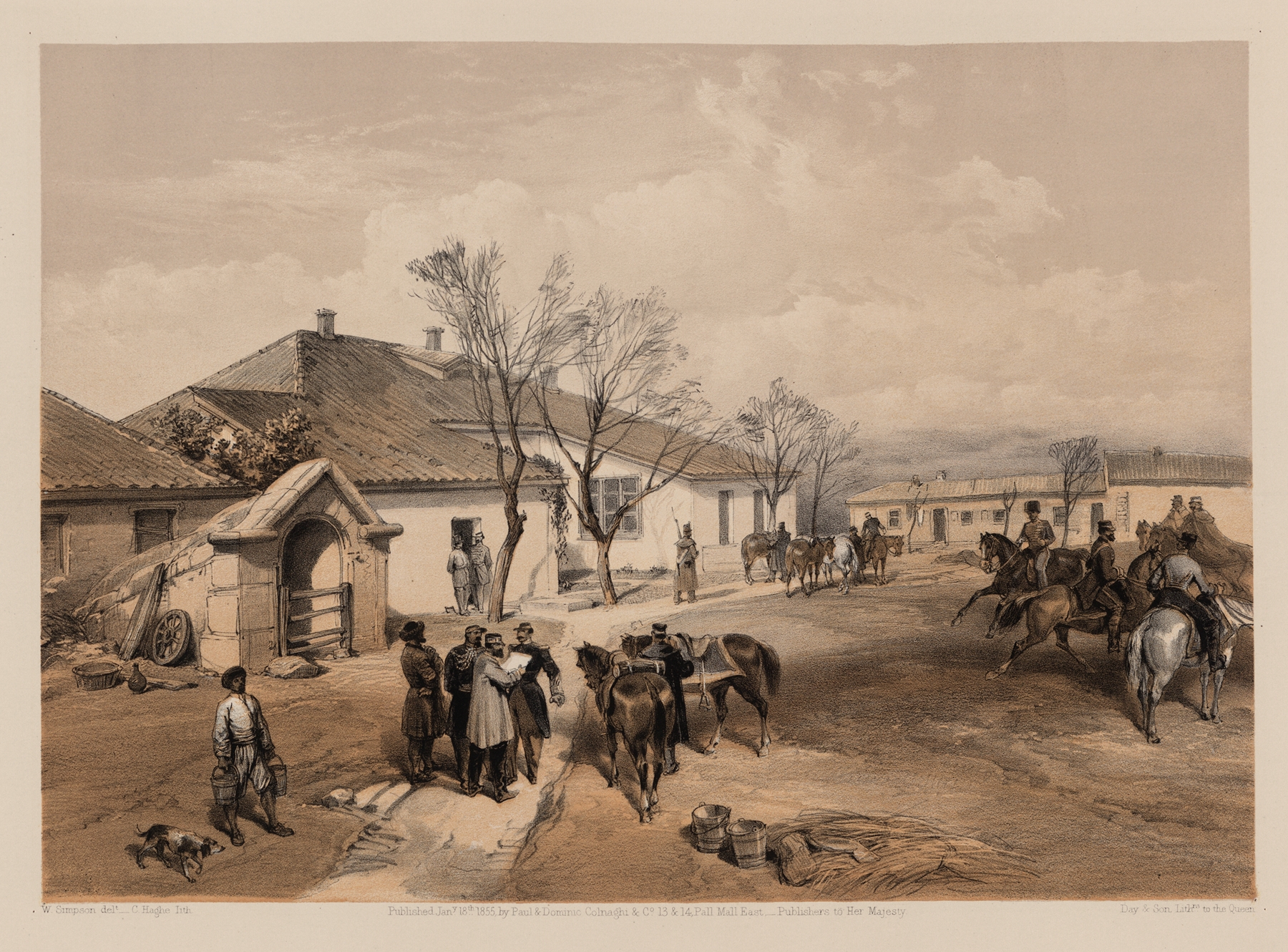
"The canvas doesn’t lie — it simply waits." Each brushstroke holds a truth, a testament to sacrifice and remembrance that whispers through time. To appreciate this work, look to the center where rows of weathered gravestones stand solemnly beneath a muted sky. The artist’s use of a cool palette enhances the somber atmosphere, with greys and blues merging to create a haunting backdrop. Focus on the intricate details etched into the stone; each name is a story, each grave a silent echo of lives once lived, now resting in the shadow of Cathcart’s Hill. Amidst the stillness, there lies a poignant contrast between life and death. The surrounding landscape, though tranquil, feels heavy with the weight of loss. Notice how the distant hills loom like guardians over the graves, while the sparse vegetation seems to mourn, bowing under the gravity of its own existence. This tension between nature’s beauty and human sorrow reveals a deeper narrative about the cost of war and the fragility of life. In 1854, during the Crimean War, the artist found himself in the thick of a conflict that would forever change perceptions of warfare. He was in Balaclava, capturing the stark realities faced by soldiers and their fallen comrades. It was a time when the public was beginning to grasp the grim truths behind battle through the lens of art, and Simpson’s work served not only as documentation but also as a profound reflection on valor, loss, and the enduring memory of sacrifice.