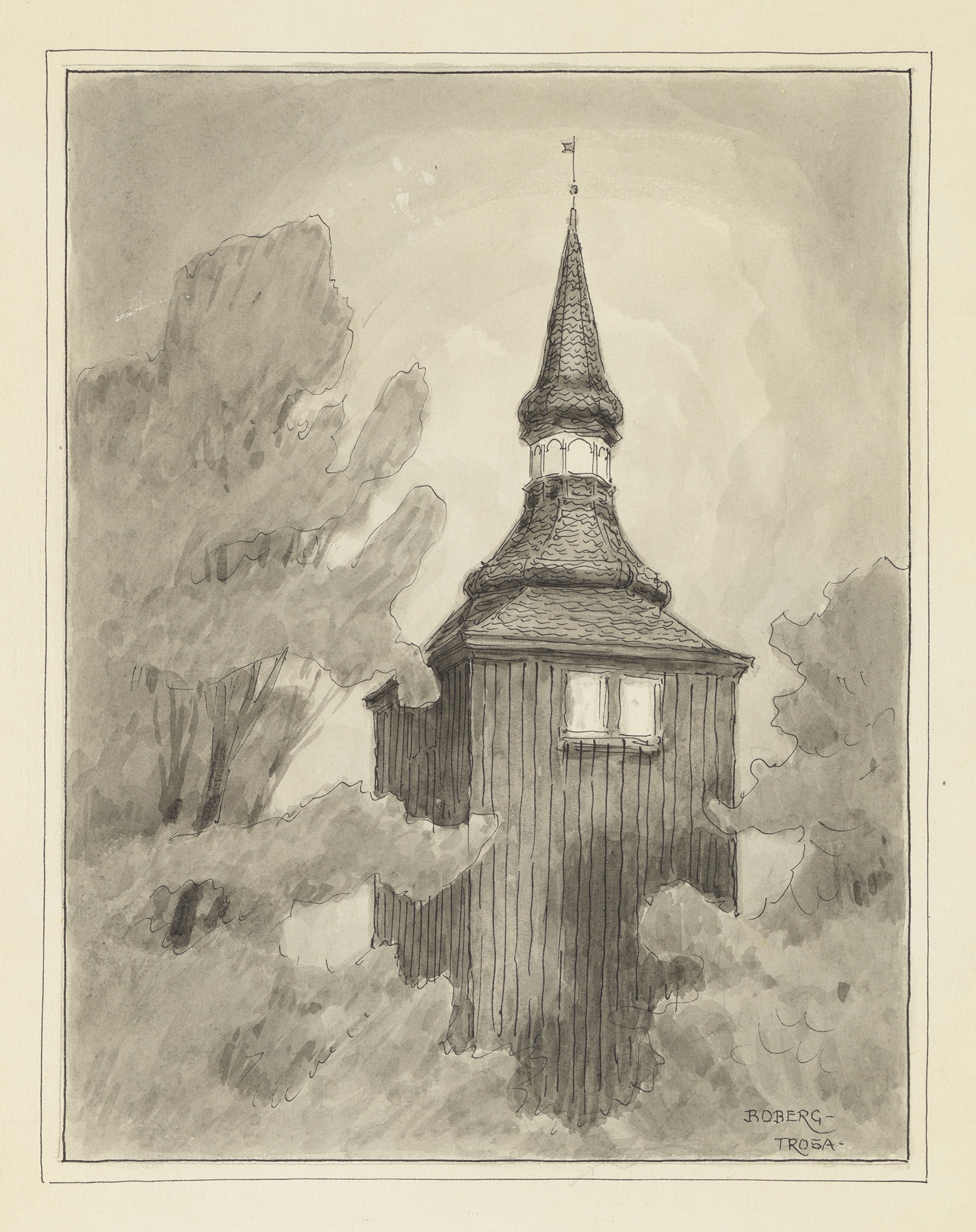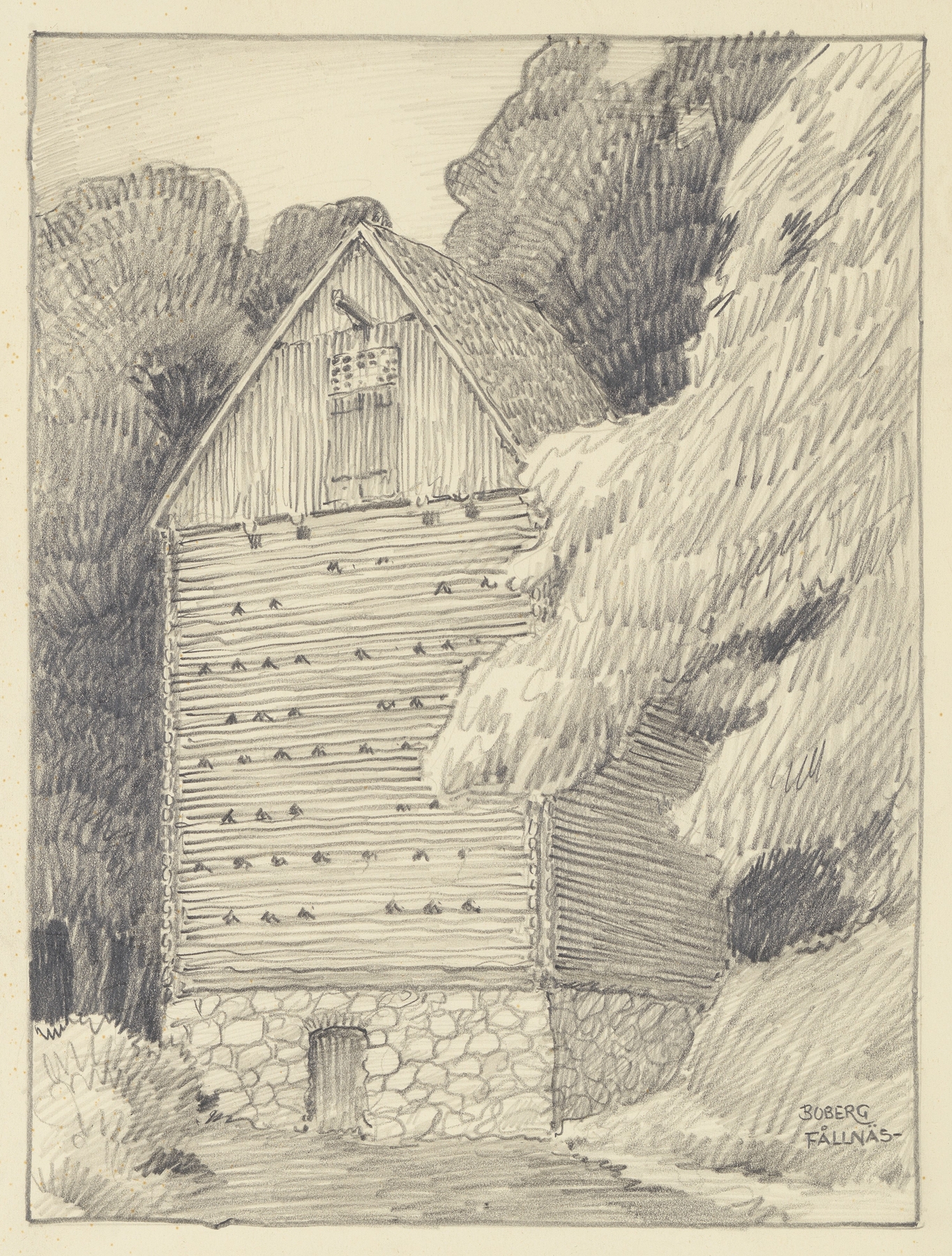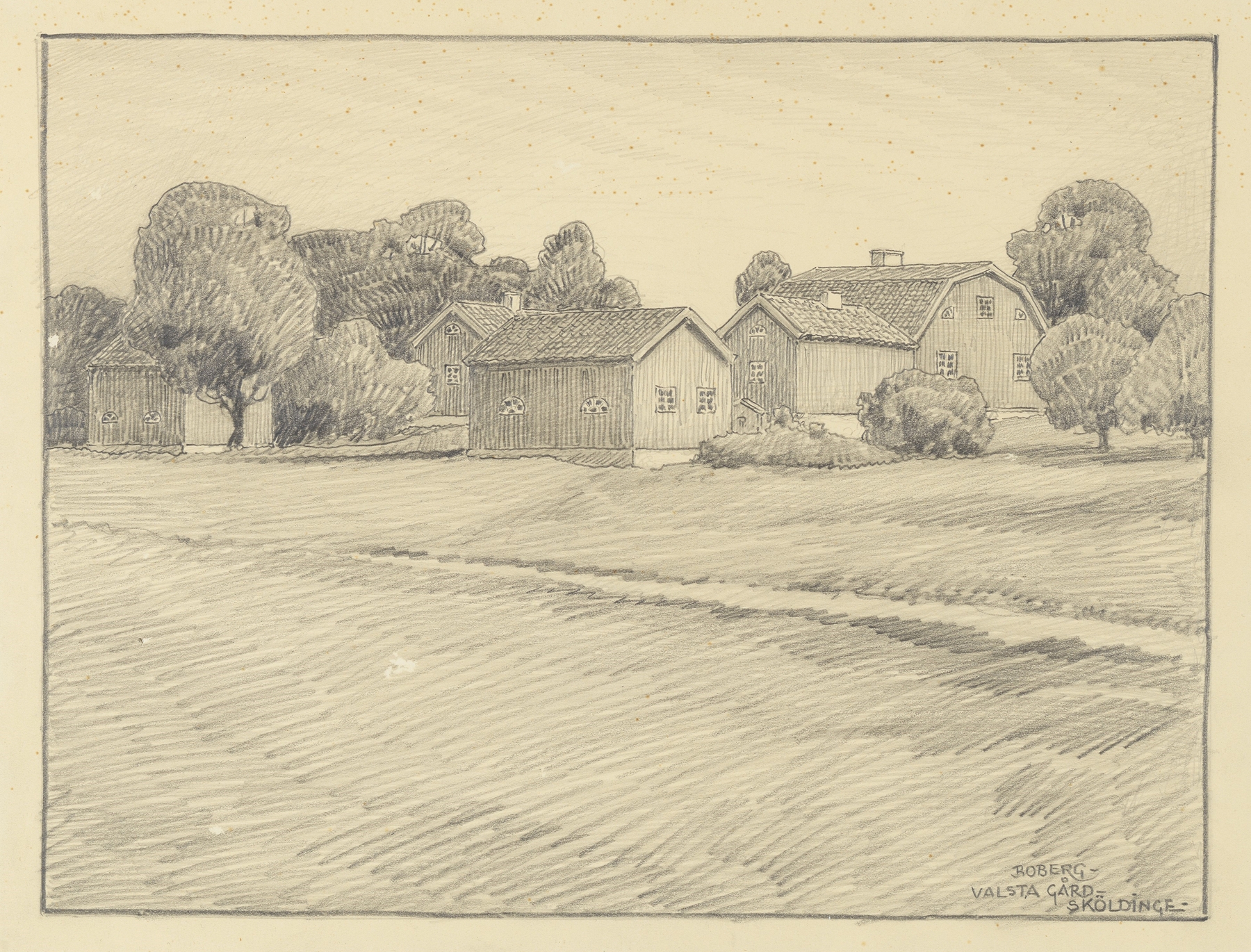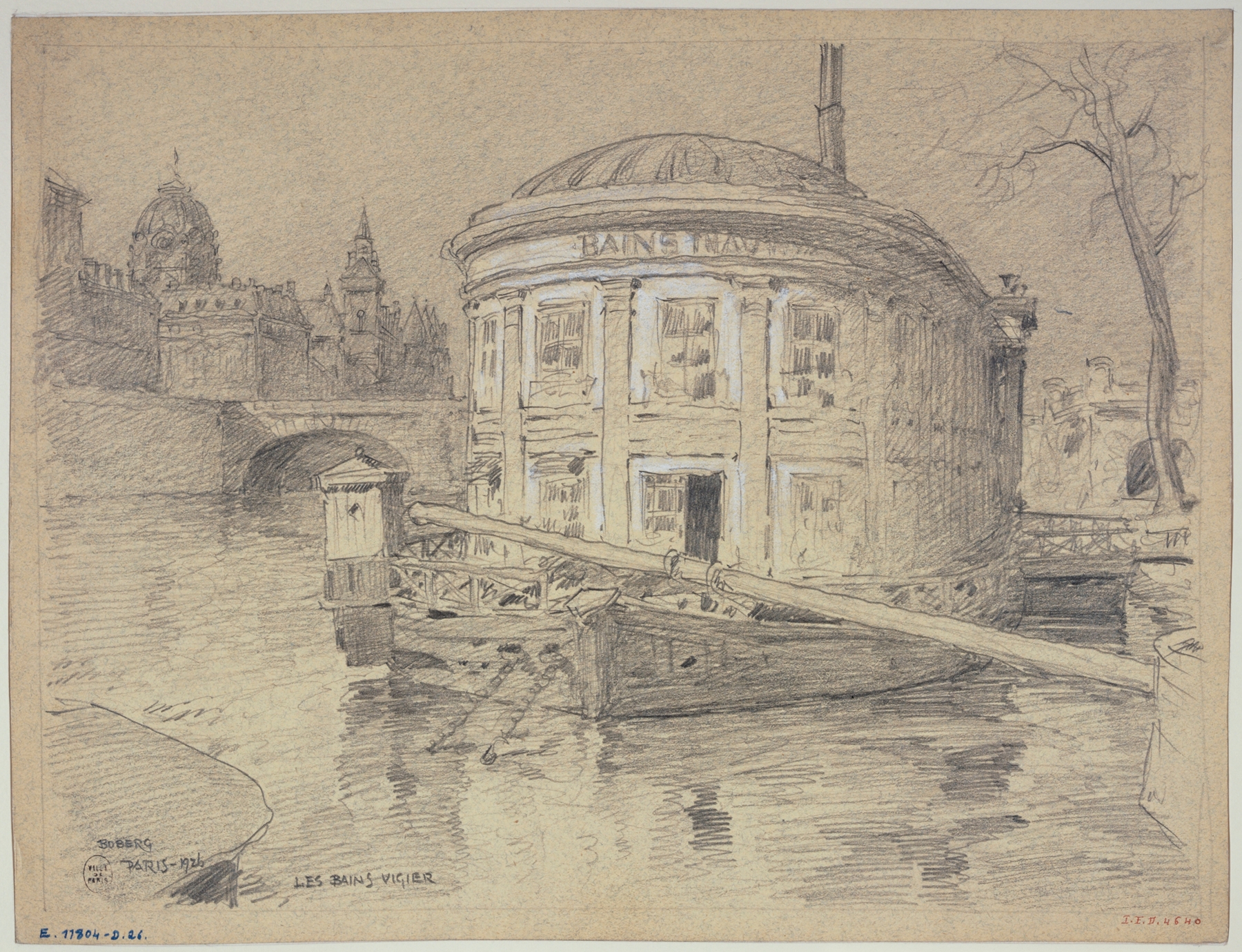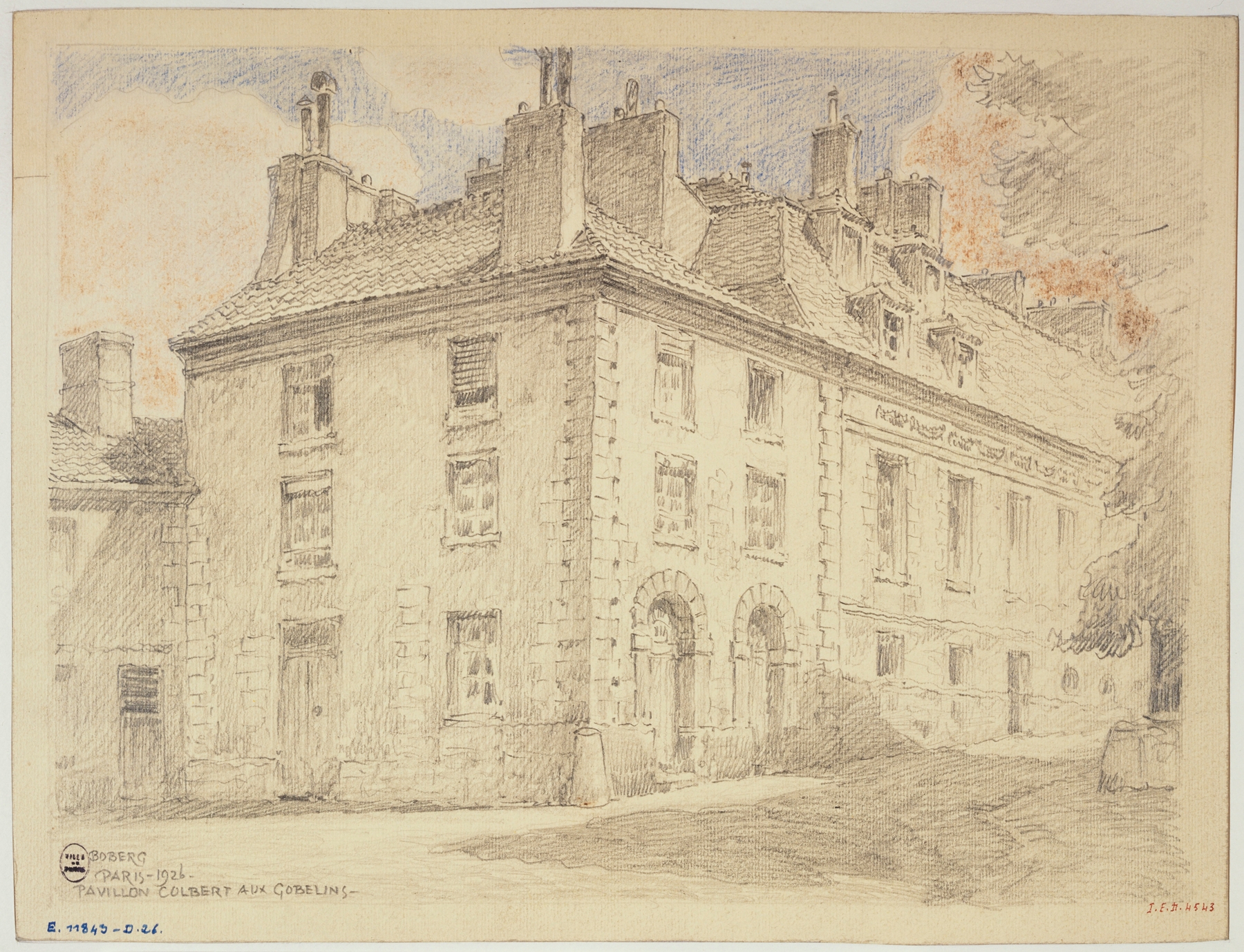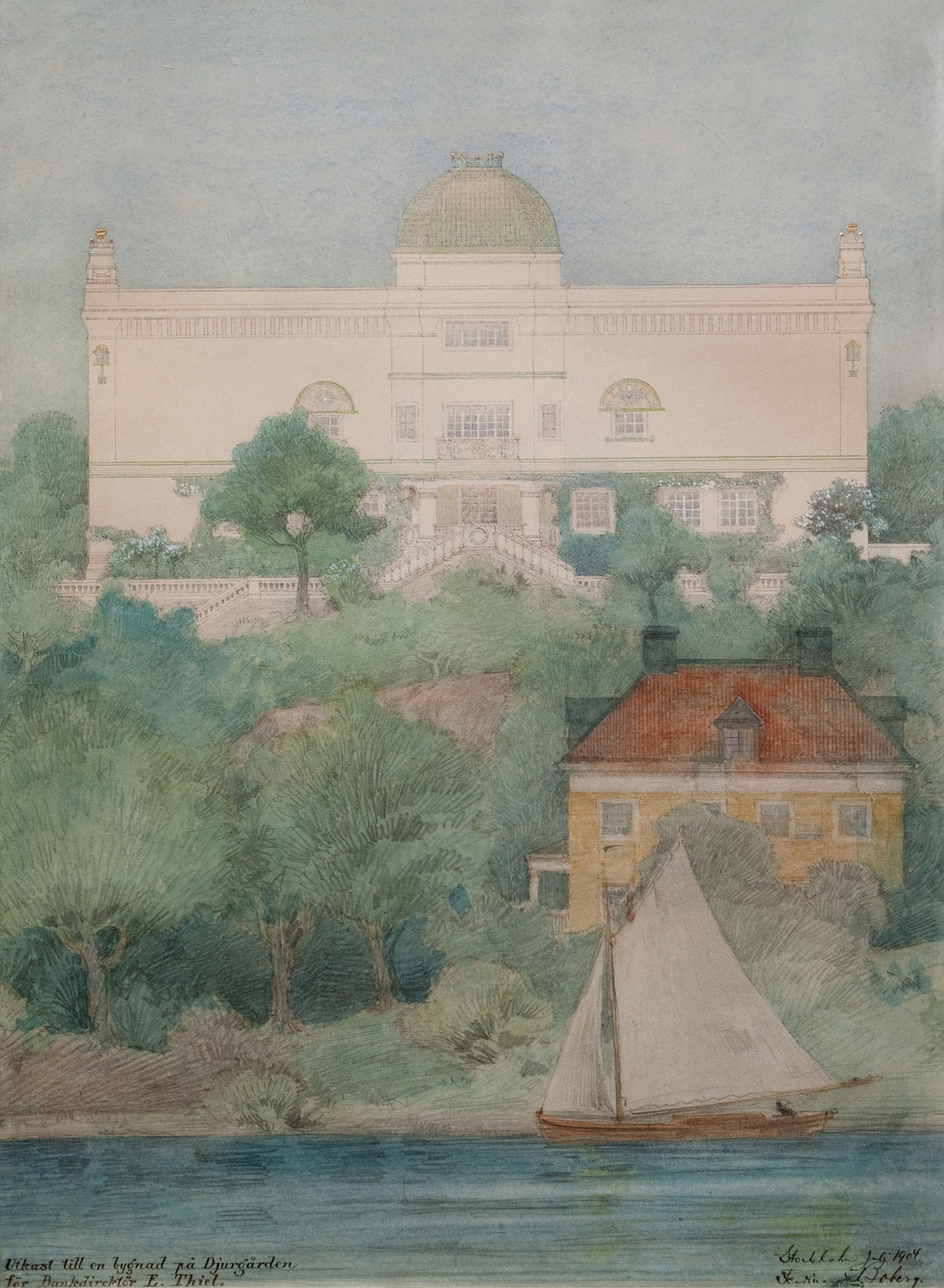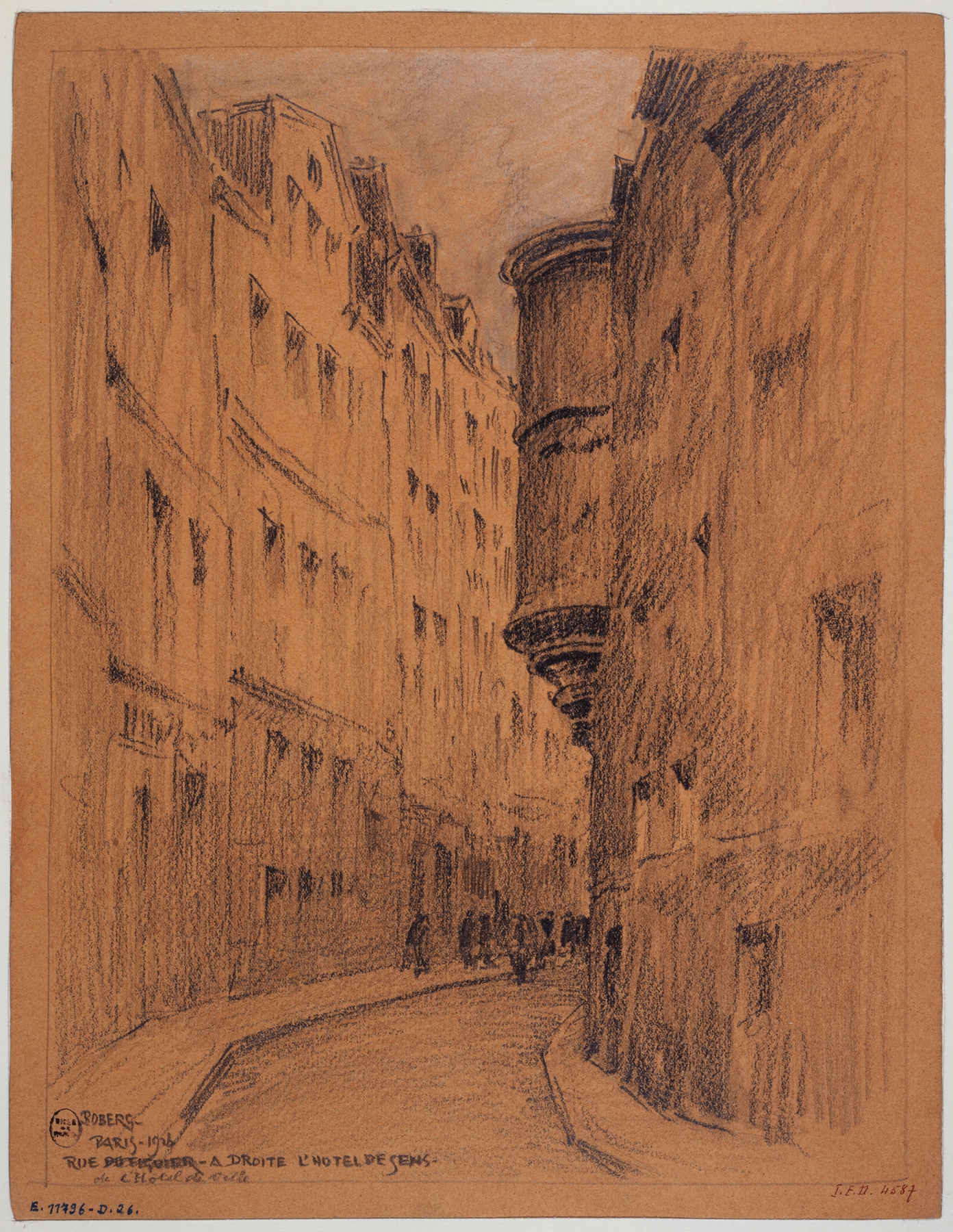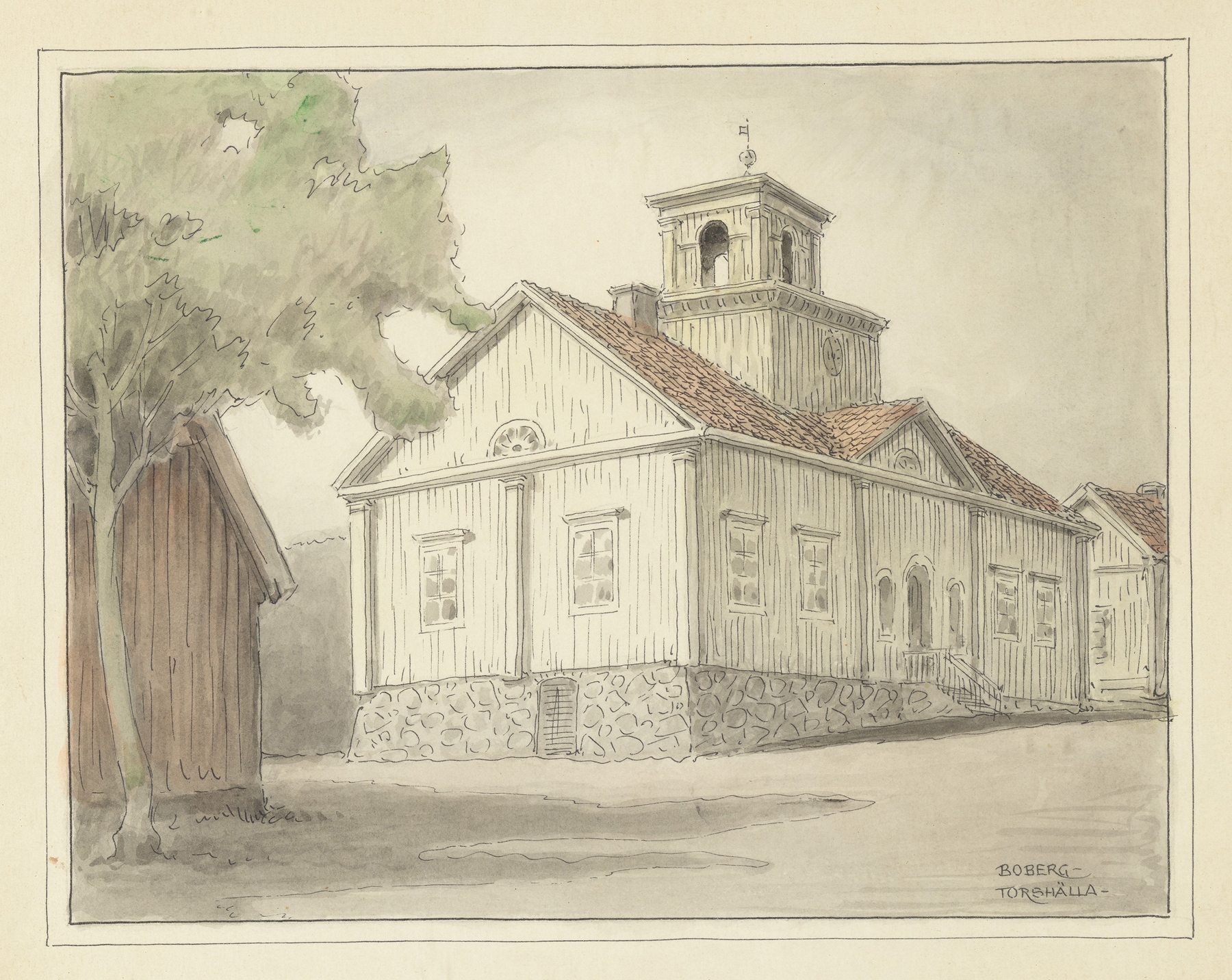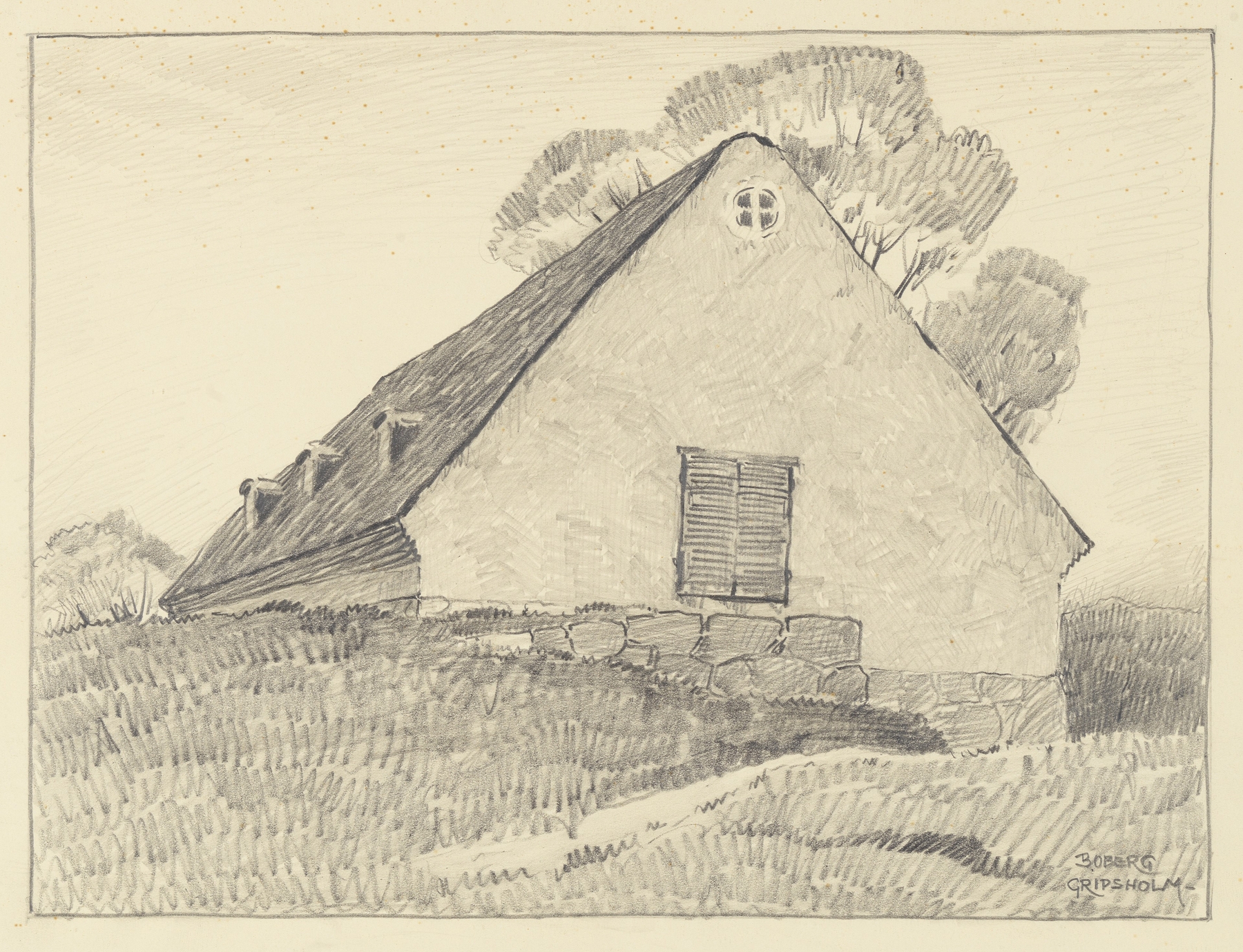
What if silence could speak through light? In the stillness of *Gripsholm*, a palpable void invites contemplation, urging viewers to engage with the spaces between the lines and colors. Look to the upper left, where the soft, muted palette gently transitions from pale cream to soft greens. Notice how the light falls delicately upon the architectural forms, casting long shadows that stretch across the canvas. The composition feels harmonious yet slightly off-balance, as if the weight of unspoken thoughts hangs in the air. Each brushstroke reveals Boberg's meticulous craftsmanship, blending realism with a touch of abstraction, evoking a sense of tranquility that resonates deeply. Beneath its serene exterior lies an exploration of isolation and introspection. The empty spaces convey a longing, a yearning for connection, while the structured forms hint at the paradox of confinement and freedom. The play of light across the surfaces speaks to the fleeting nature of time, where moments of clarity are often ensnared within the confines of silence. This delicate tension between presence and absence is what makes the piece so evocative, prompting viewers to reflect on their own experiences of solitude. During the years 1915 to 1924, Boberg painted *Gripsholm* amid a world recovering from the ravages of World War I. As a Swedish architect and painter, he was deeply engaged in the intersection of art and architecture, reflecting the burgeoning Modernism of that era. This period was marked by a desire for new forms of expression, and his work both embraced and challenged traditional boundaries, resonating with the contemporary longing for meaning in a rapidly changing society.