Hadleigh Castle, The Mouth of the Thames–Morning after a Stormy Night — History & Analysis
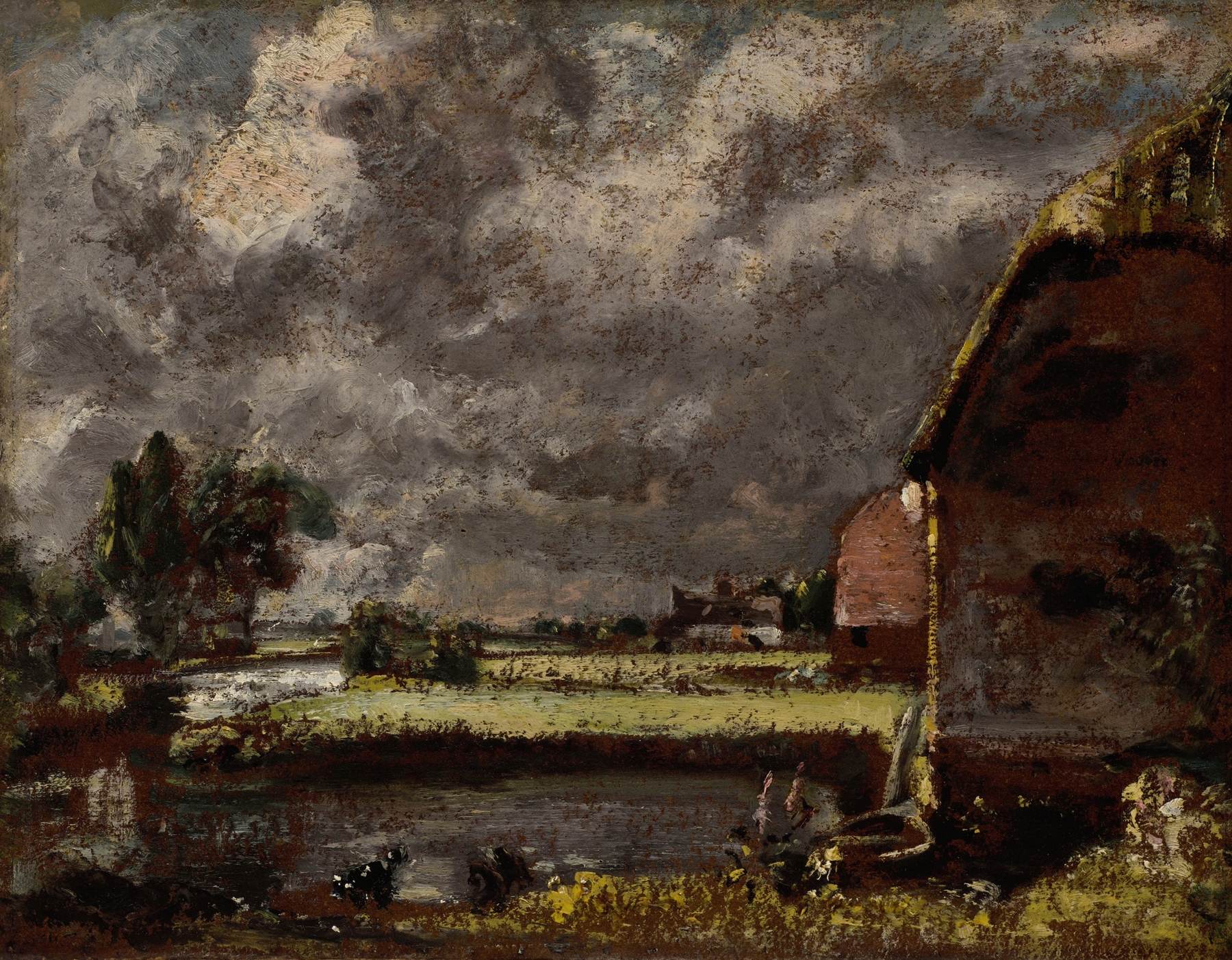
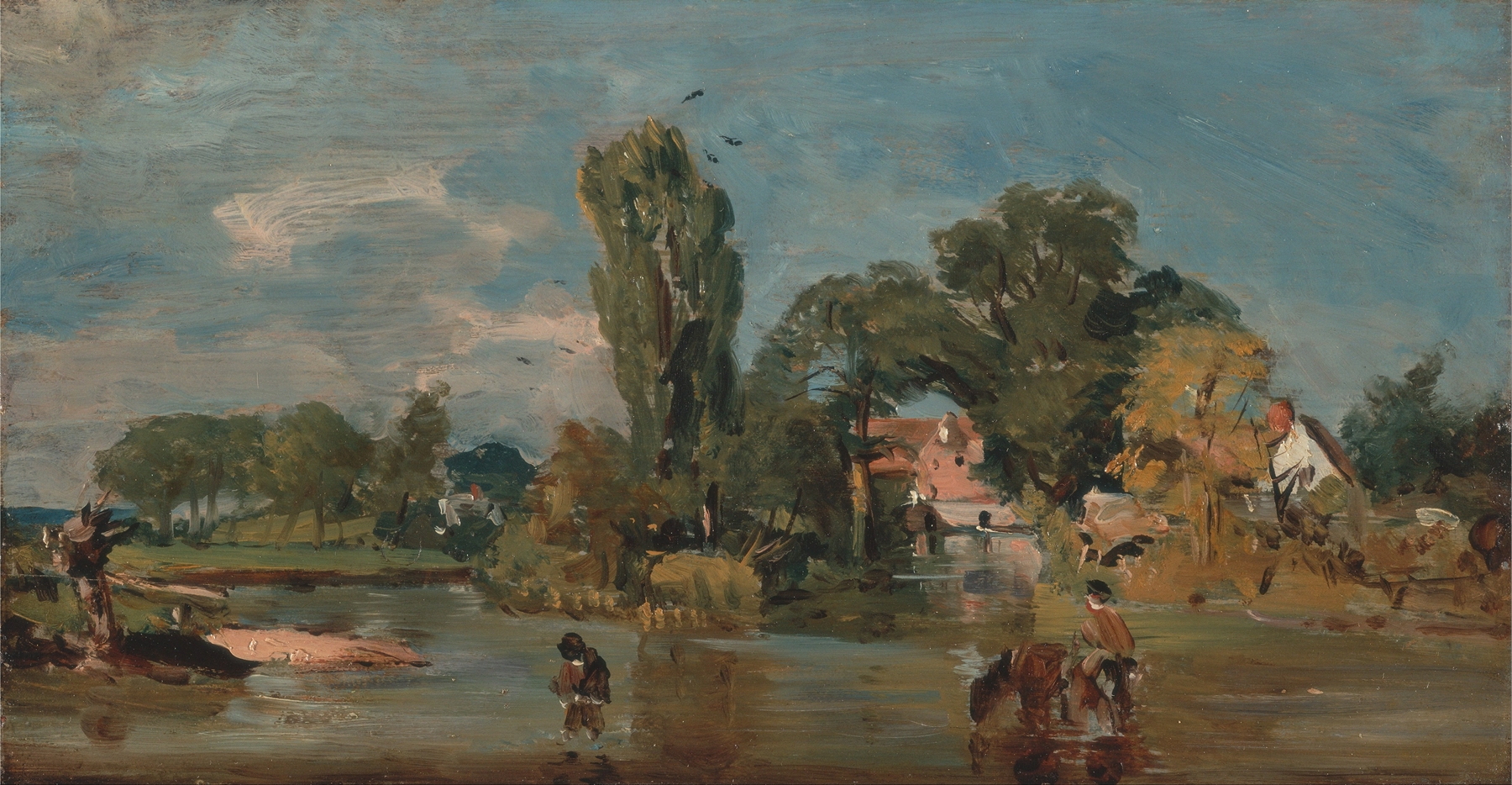
“The canvas doesn’t lie — it simply waits.” In the stillness after a storm, it breathes the promise of serenity amid chaos. Clarity emerges from tumult, revealing a world transformed without the need for a single word. Focus on the foreground, where the gentle undulation of the Thames invites your eyes to trace its path, a silken ribbon soothing the jagged remnants of a storm. Notice how the luminous sky softens the rugged silhouette of Hadleigh Castle, casting a golden glow that dances on the water’s surface.
The interplay of light and shadow captures a fleeting moment, the aftermath of nature's fury tamed by the dawn. Yet beneath this tranquil facade lies a tension of contrasts. The castle, once a bastion of strength, now stands weathered, a reminder of human fragility against nature’s might. The reflective water mirrors not just the sky, but also the emotional residue of a storm endured, evoking a bittersweet sense of resilience.
The greenery in the distance, vibrant yet subdued, suggests renewal — life carries on, despite the upheaval. In 1829, when this piece came to life, John Constable was deeply engaged in exploring the English landscape, seeking to capture its essence with heartfelt authenticity. Having faced personal trials, including the death of his beloved wife, Constable’s works resonated with an emotional depth that reflected his inner turmoil and the shifting tides of the Romantic movement. This painting encapsulates a pivotal moment in his career, where the tumult of life was skillfully transformed into an image of serene resolve.