Hampstead Heath, Looking Toward Harrow — History & Analysis
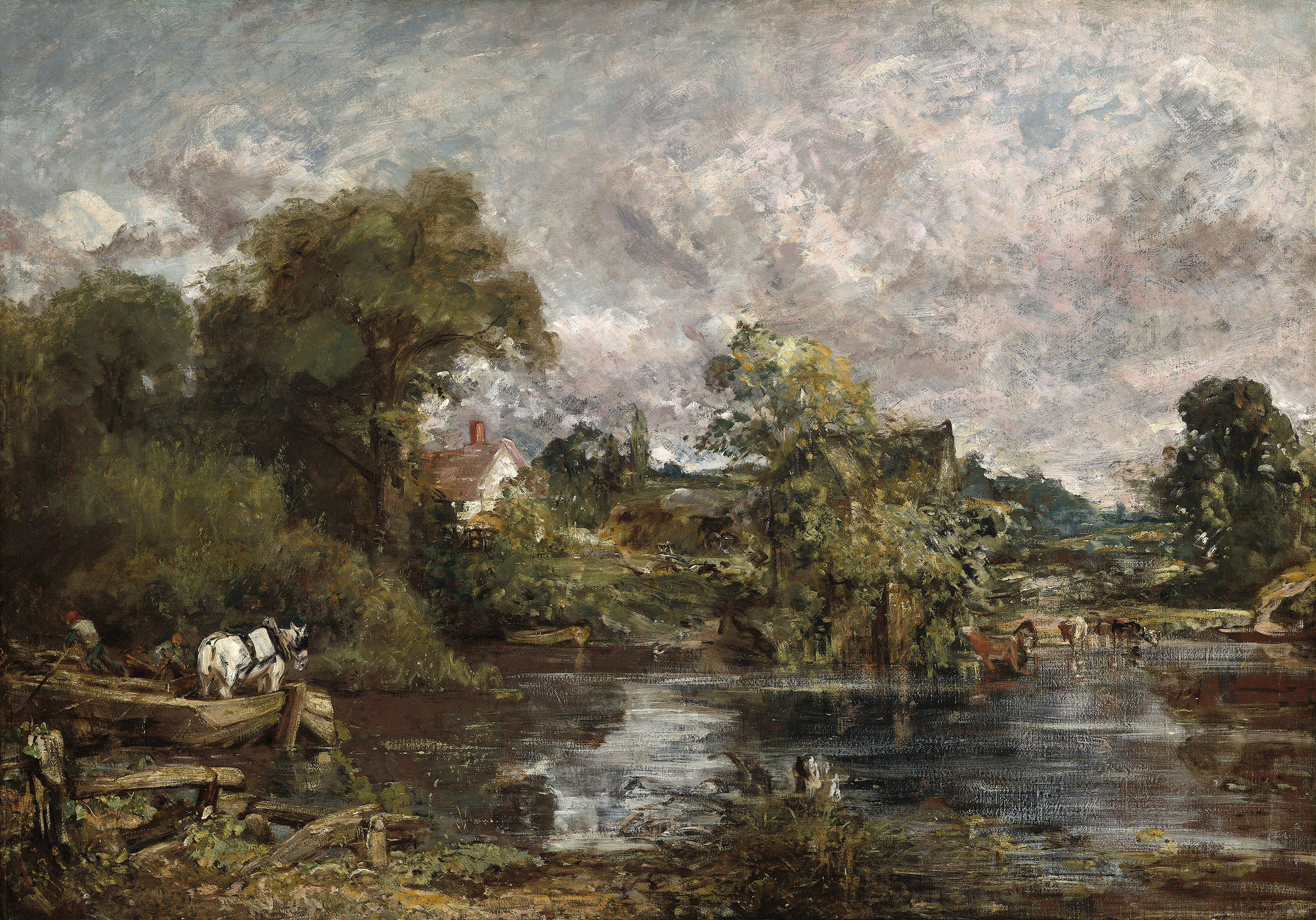
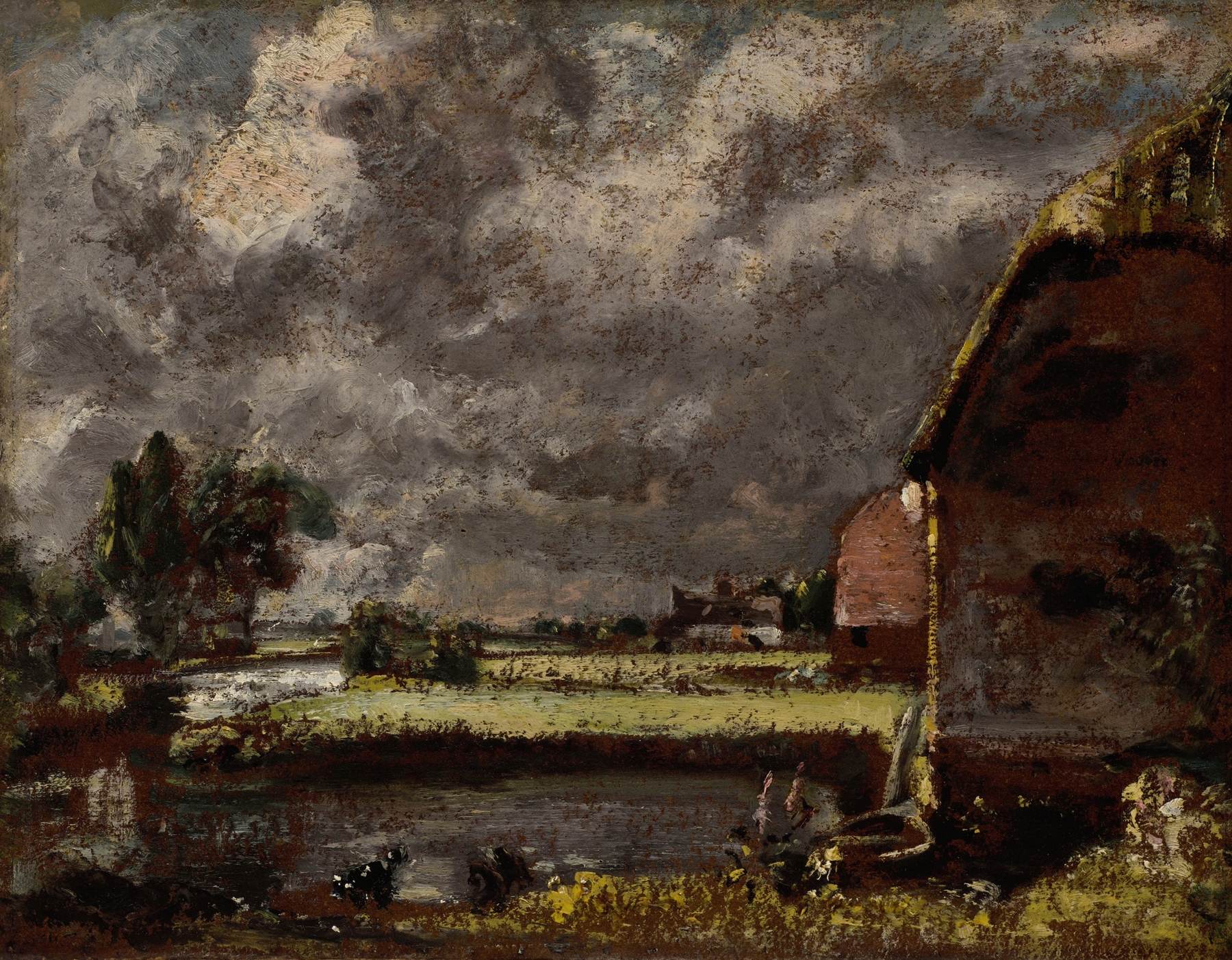
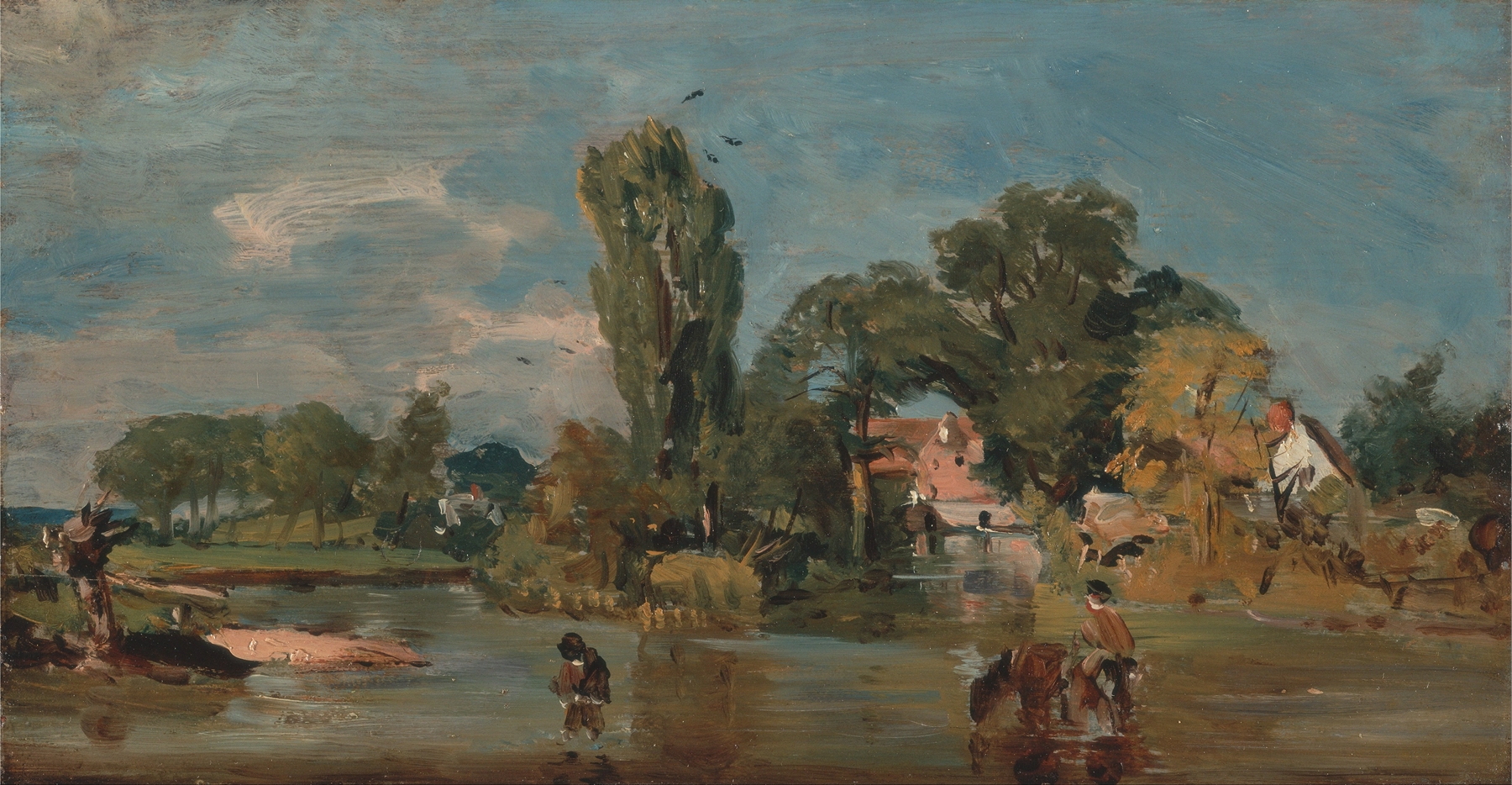
“Between color and silence, truth hides.” In Hampstead Heath, Looking Toward Harrow, decay is painted with both reverence and nostalgia, revealing the transience of nature and life itself. Look to the left where a soft, verdant hill rolls gently into the distance, leading your eye toward a horizon softened by atmospheric blues. The delicate, feathery strokes of green and brown breathe life into the foliage, while the pale clouds above, brushed with whispers of sunlight, create a serene yet ephemeral mood. Each stroke invites you to linger, conjuring a sense of calmness that contrasts the inevitable decline represented in the aging trees and fading landscape.
Beneath the surface lies a profound commentary on the passage of time. The juxtaposition of vibrant greens against muted earth tones speaks to the tension between vibrant life and the slow embrace of decay. The winding path that traverses the scene not only draws the viewer’s gaze but also symbolizes the journey of life, hinting at the choices and moments that lead us toward both beauty and oblivion.
During 1821-1822, while capturing this pastoral scene, Constable was navigating personal tribulations, including the loss of his father and struggles with the art world’s reception of his work. A pivotal figure in British Romanticism, he sought to imbue his landscapes with emotion, aiming to capture the essence of nature. This painting reflects not just the beauty of the British countryside, but also a deeper meditation on time—a reflection of both his life and the world around him.