Harbor Scene — History & Analysis
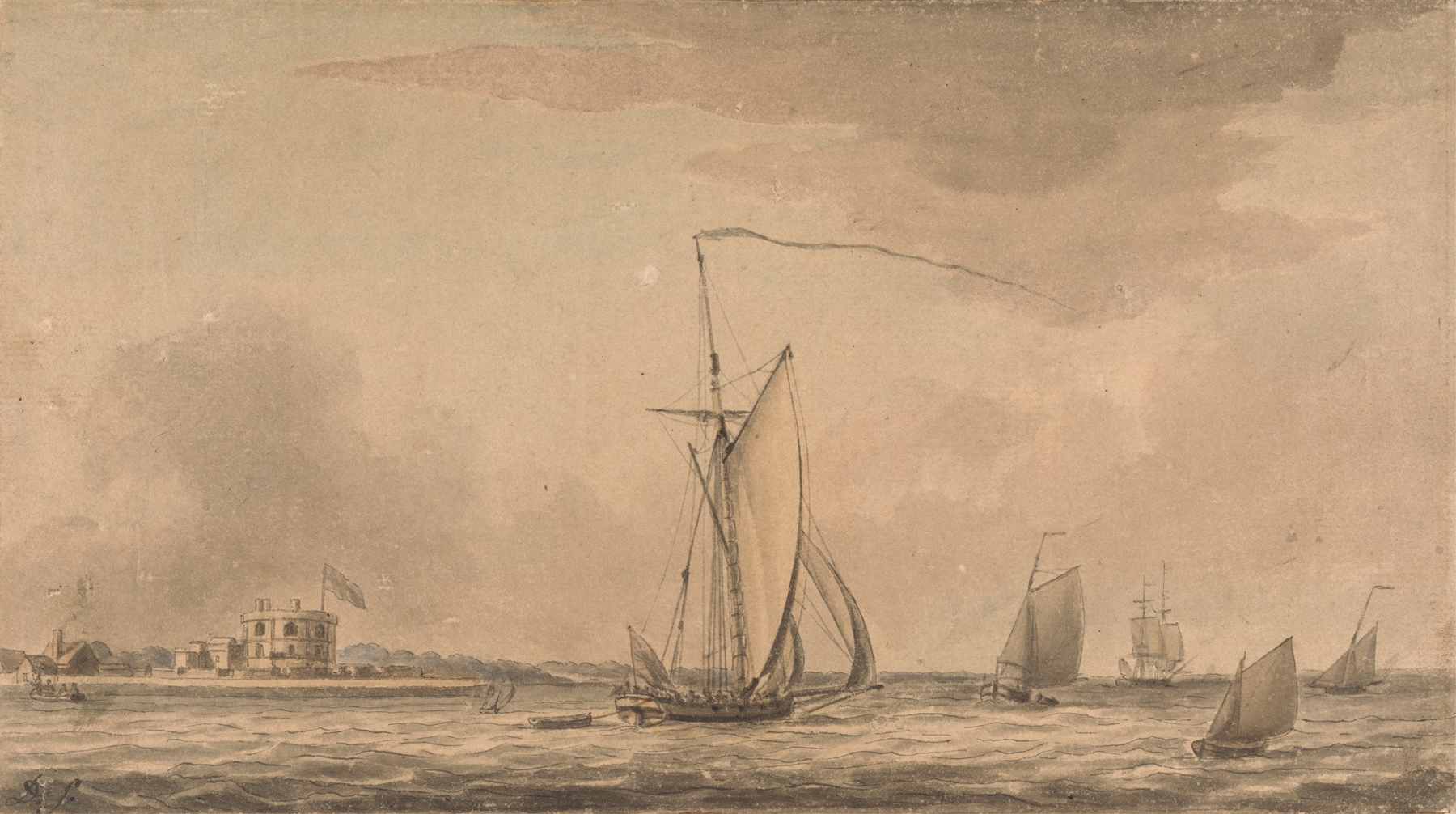
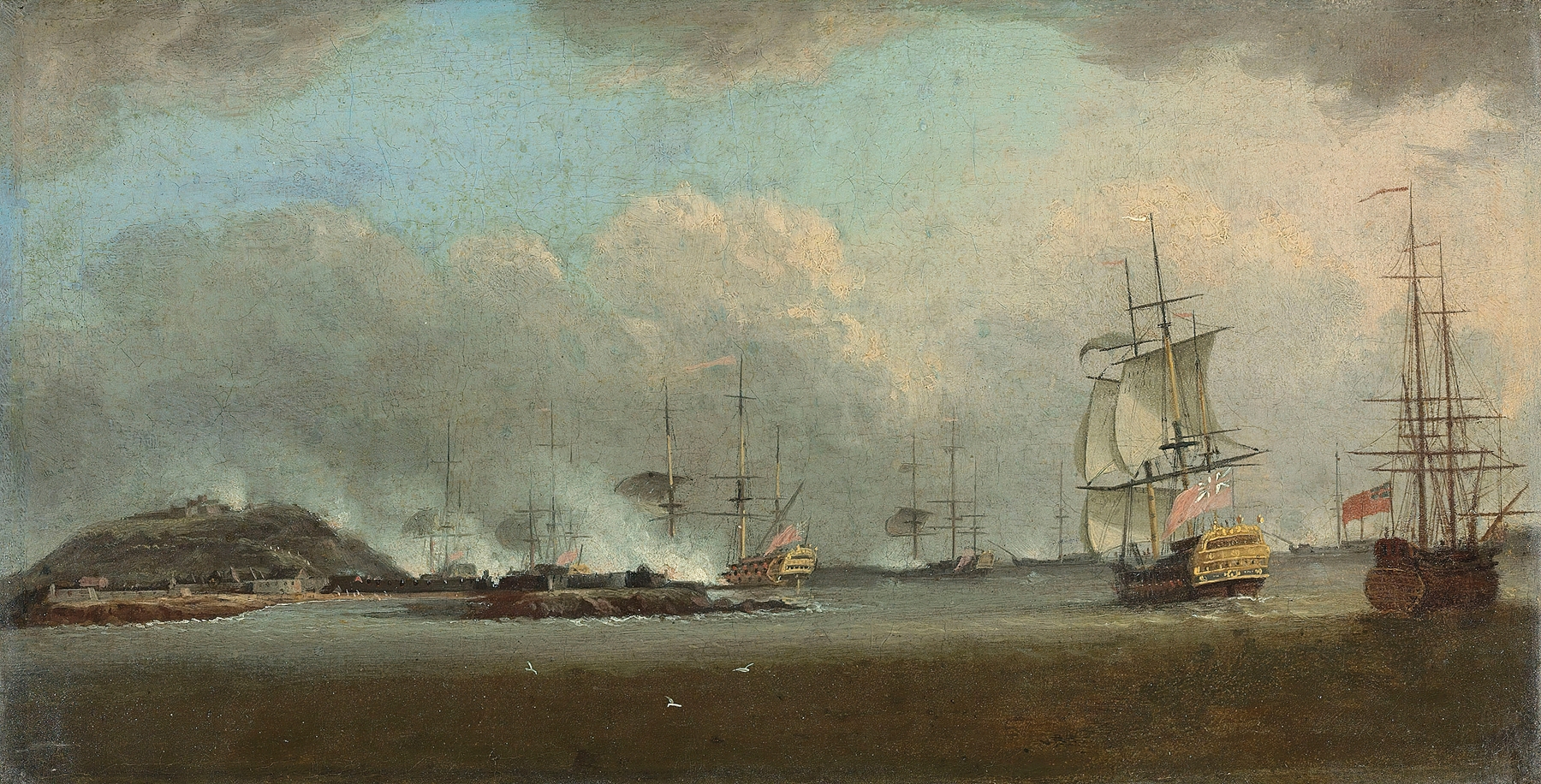
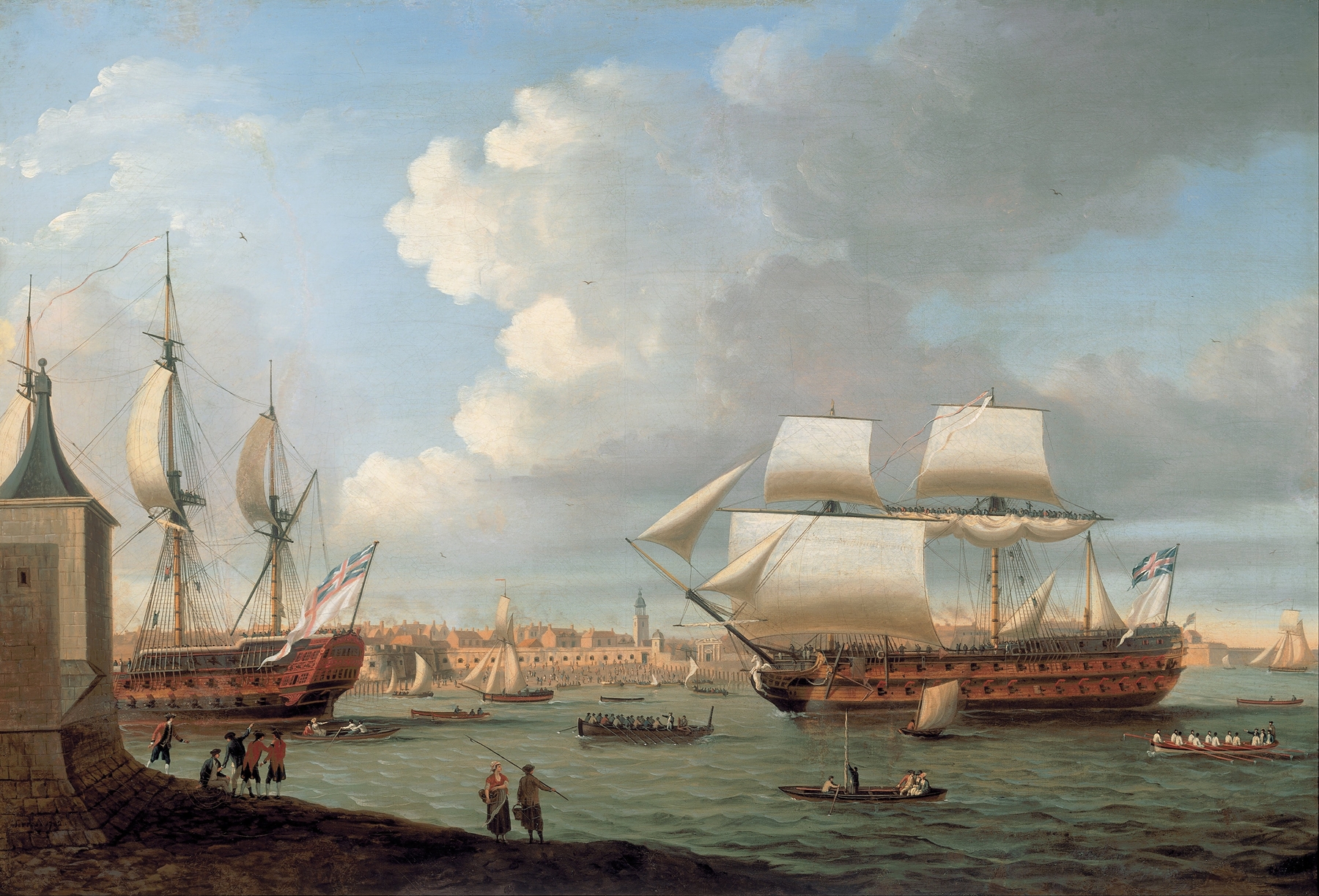
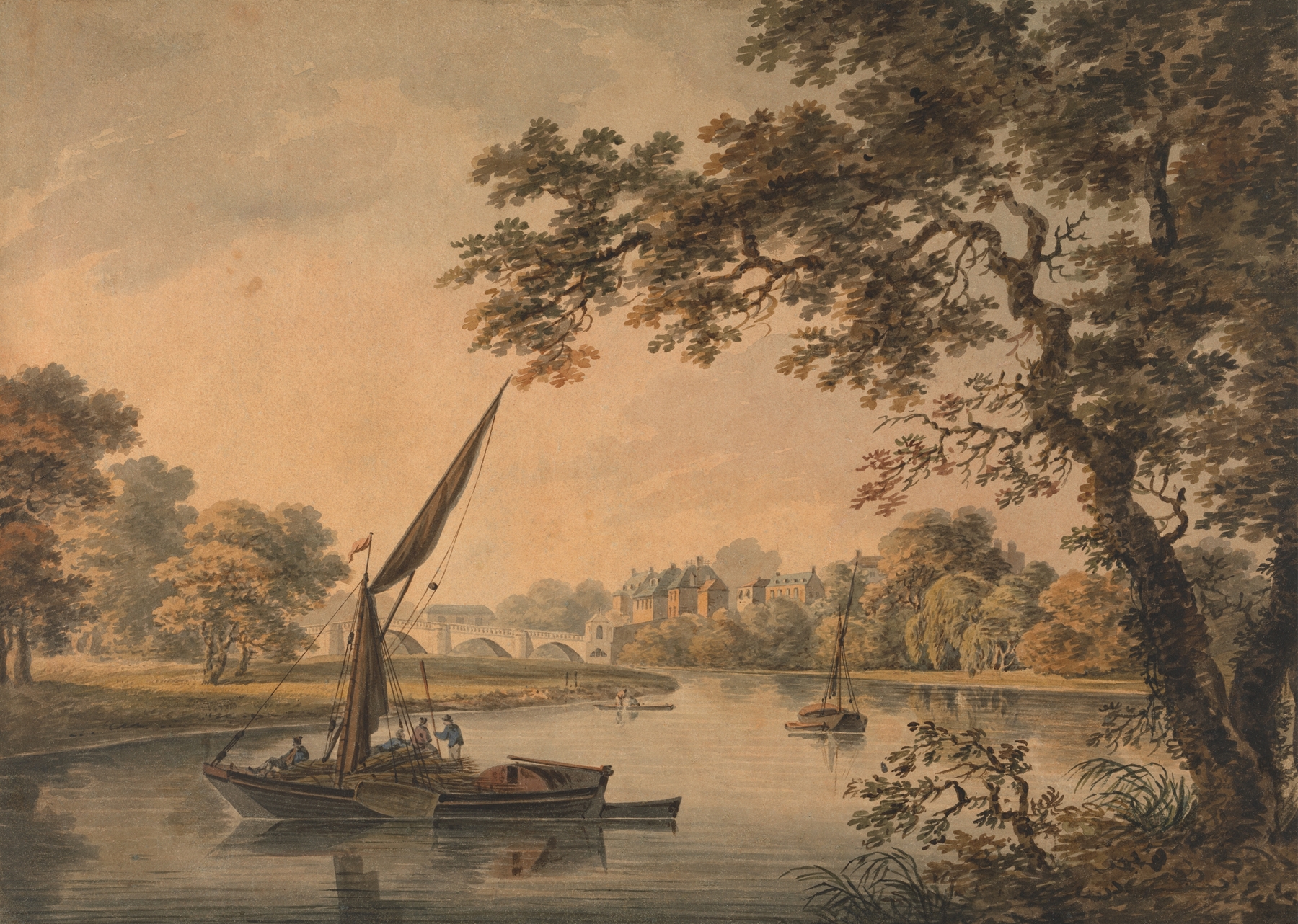
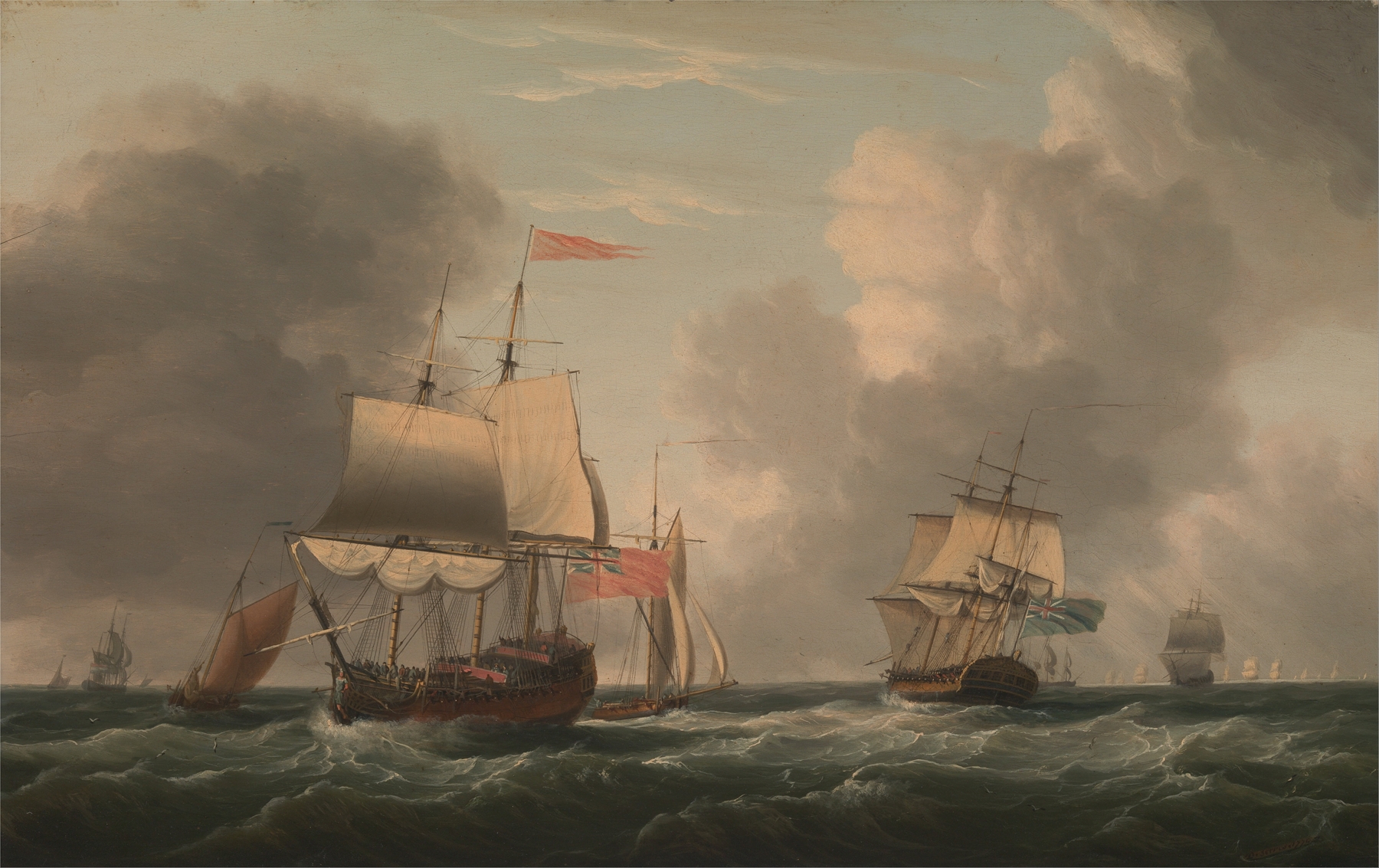
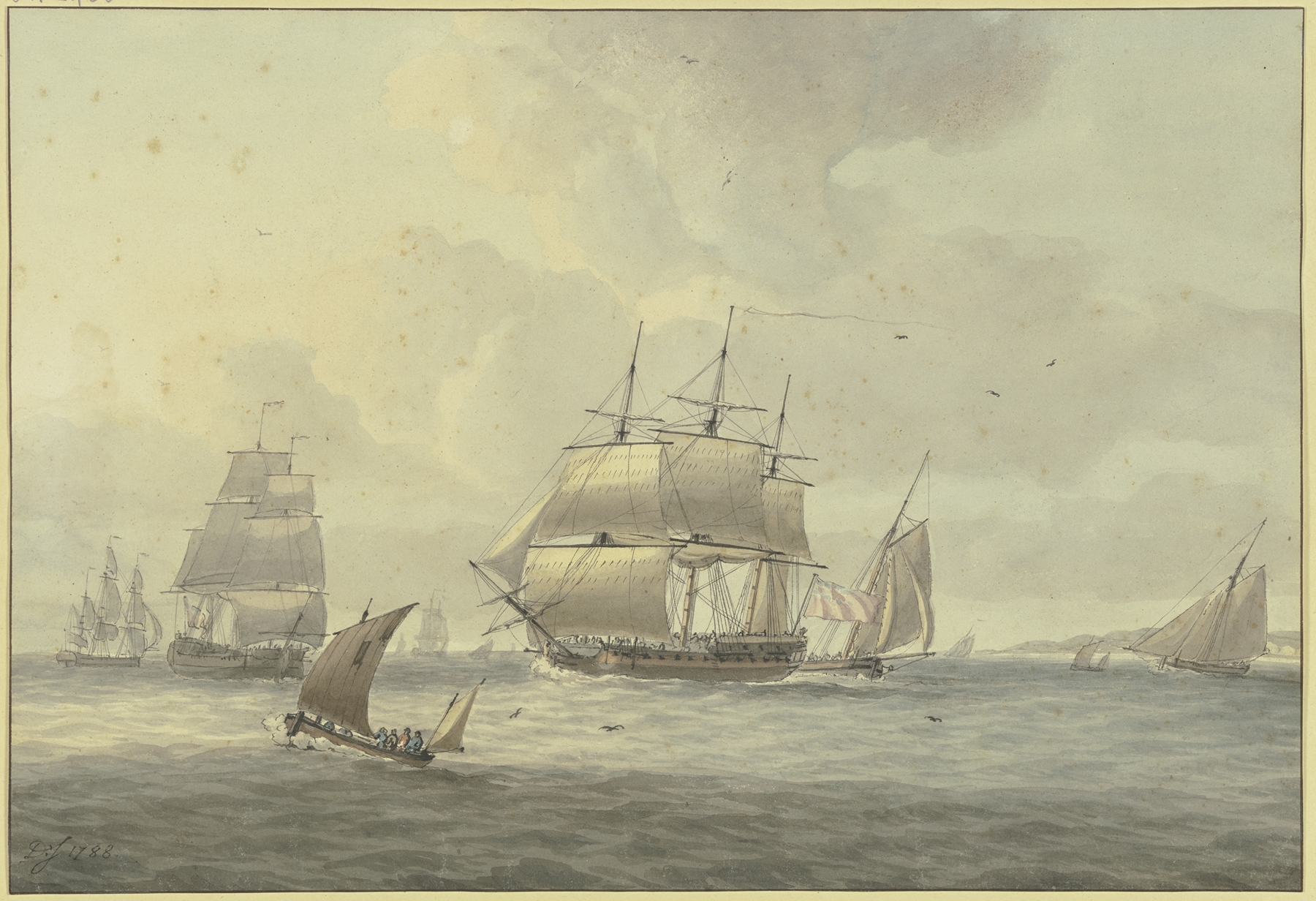
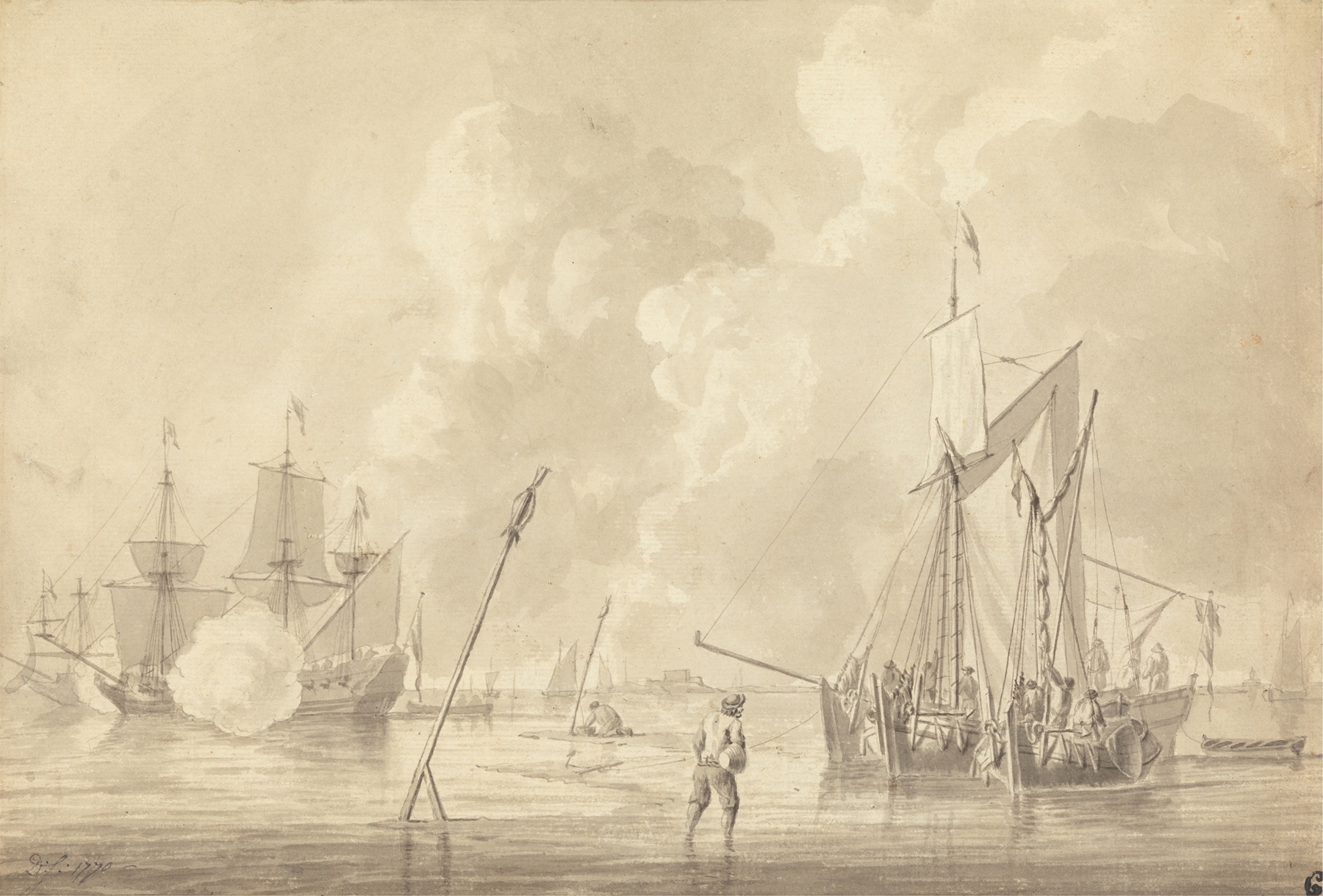
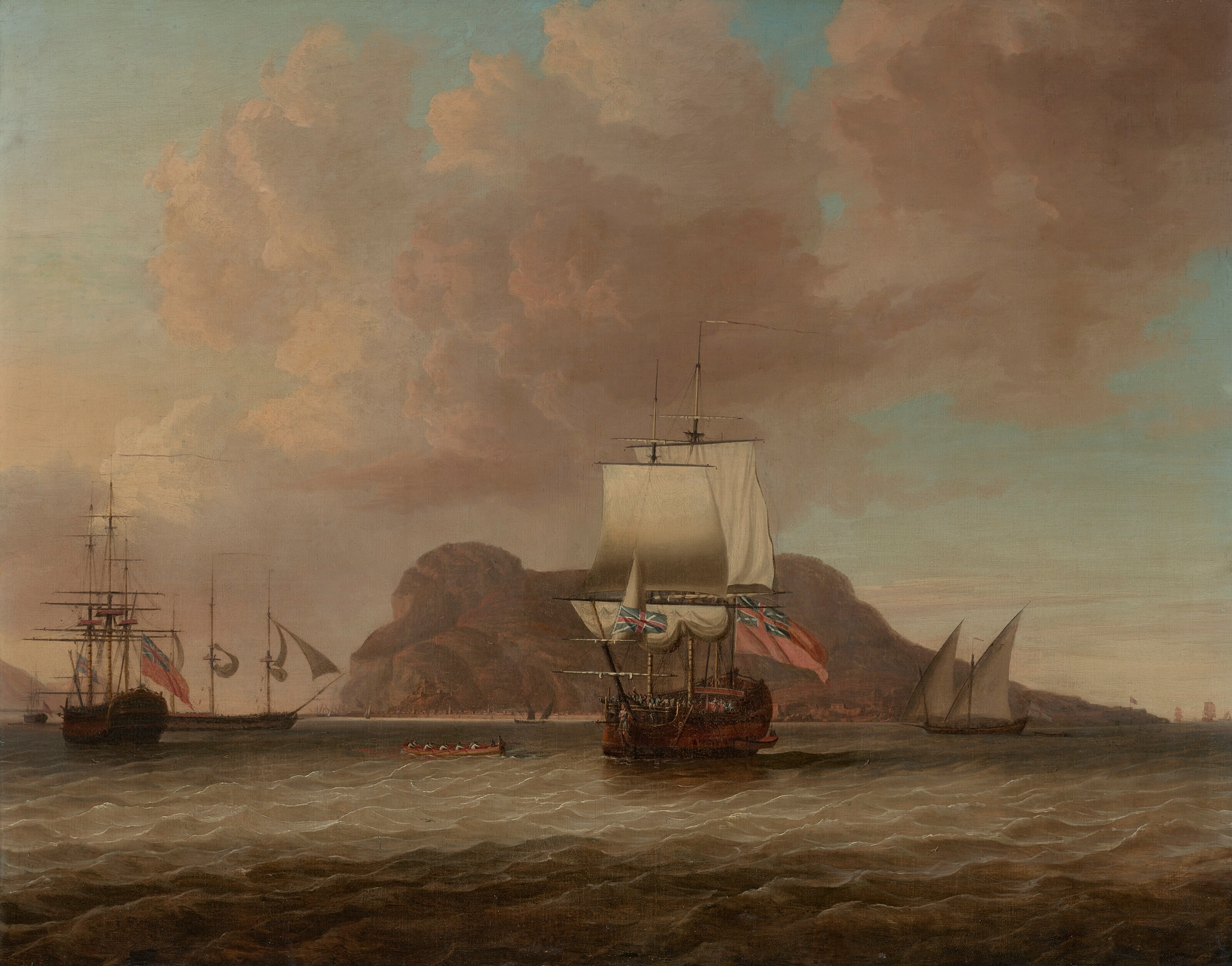
“To paint is to remember what time wants us to forget.” In Harbor Scene, legacy unfurls like the waves upon the shore, capturing transient moments that echo through the ages. The painter, Dominic Serres, invites us to peer into a realm where history and memory entwine, offering a glimpse into a world shaped by human endeavor and nature's timeless dance. Look to the left at the subtle interplay of blues and greys, as the water reflects the somber sky, delicately framing the bustling harbor. Notice how the light filters through the clouds, casting a soft glow on the vessels, their sails taut against the wind, reflecting the promise of journeys yet to unfold.
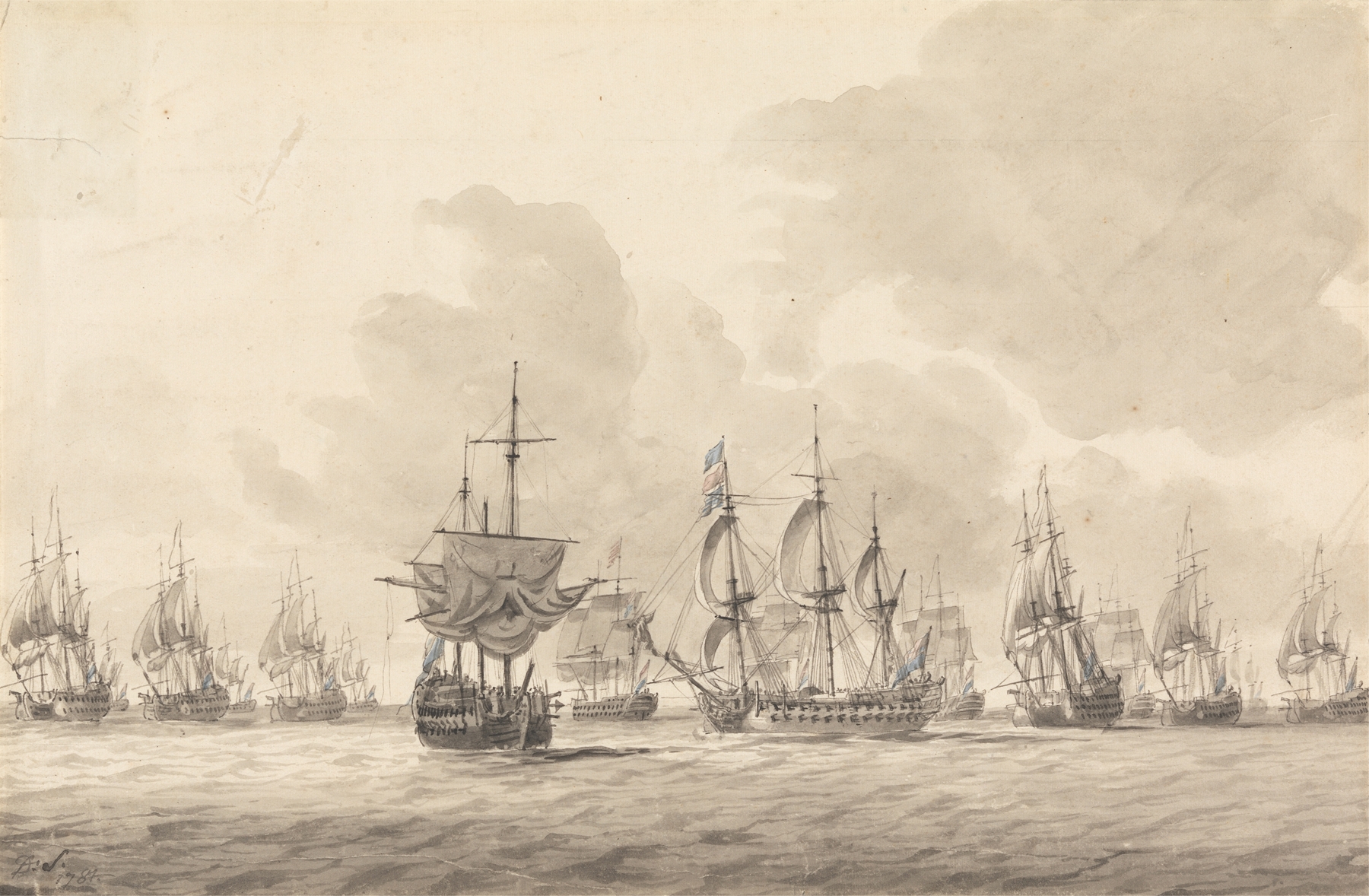
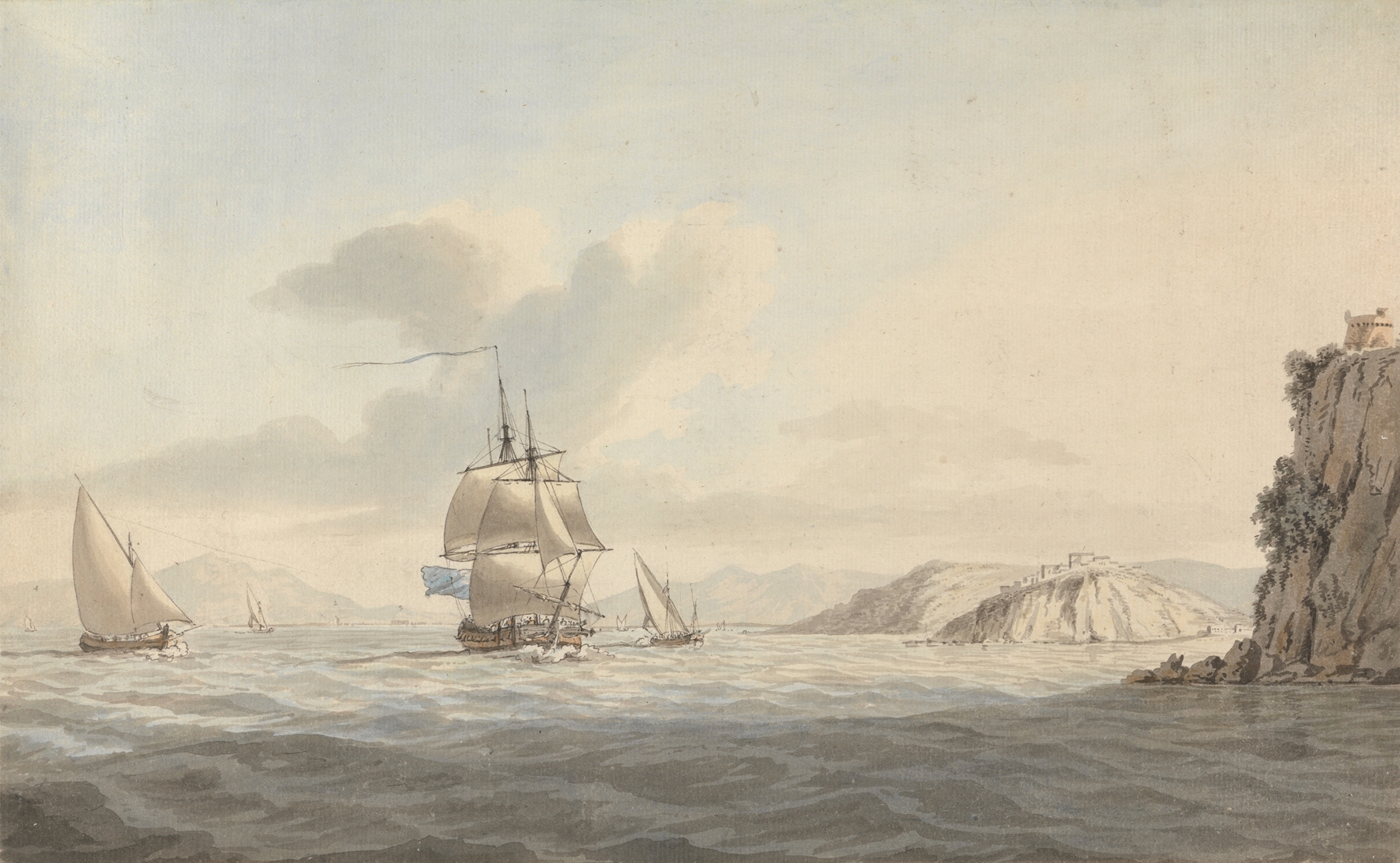
The composition draws the eye across the canvas, from the anchored ships to the distant shore, where figures seem to animate the landscape with their labor, blending seamlessly into the vibrant tapestry of activity. Delve deeper into the artwork and you’ll uncover the emotional tensions at play. The juxtaposition of the serene water and the vigorous movement of the sailors hints at the duality of existence — tranquility enveloped by rigorous toil. The ships stand as vessels of hope and ambition, yet they also evoke a sense of impermanence; each sail flapping a whisper of dreams chased and lost.
The intricate details of the rigging and the expressions of the workers reveal the spirit of an era grappling with the fleeting nature of time and the legacy it leaves behind. Dominic Serres created Harbor Scene between 1758 and 1793, during a period when maritime trade flourished and Britain expanded its empire. Living in England at the time, he was influenced by the burgeoning Romantic movement, which began to emphasize emotion and individual experience in art. This canvas captures not only a vivid depiction of nautical life but also serves as a testament to the intersections of memory, labor, and the relentless march of time.