Harnham Bridge, Salisbury — History & Analysis
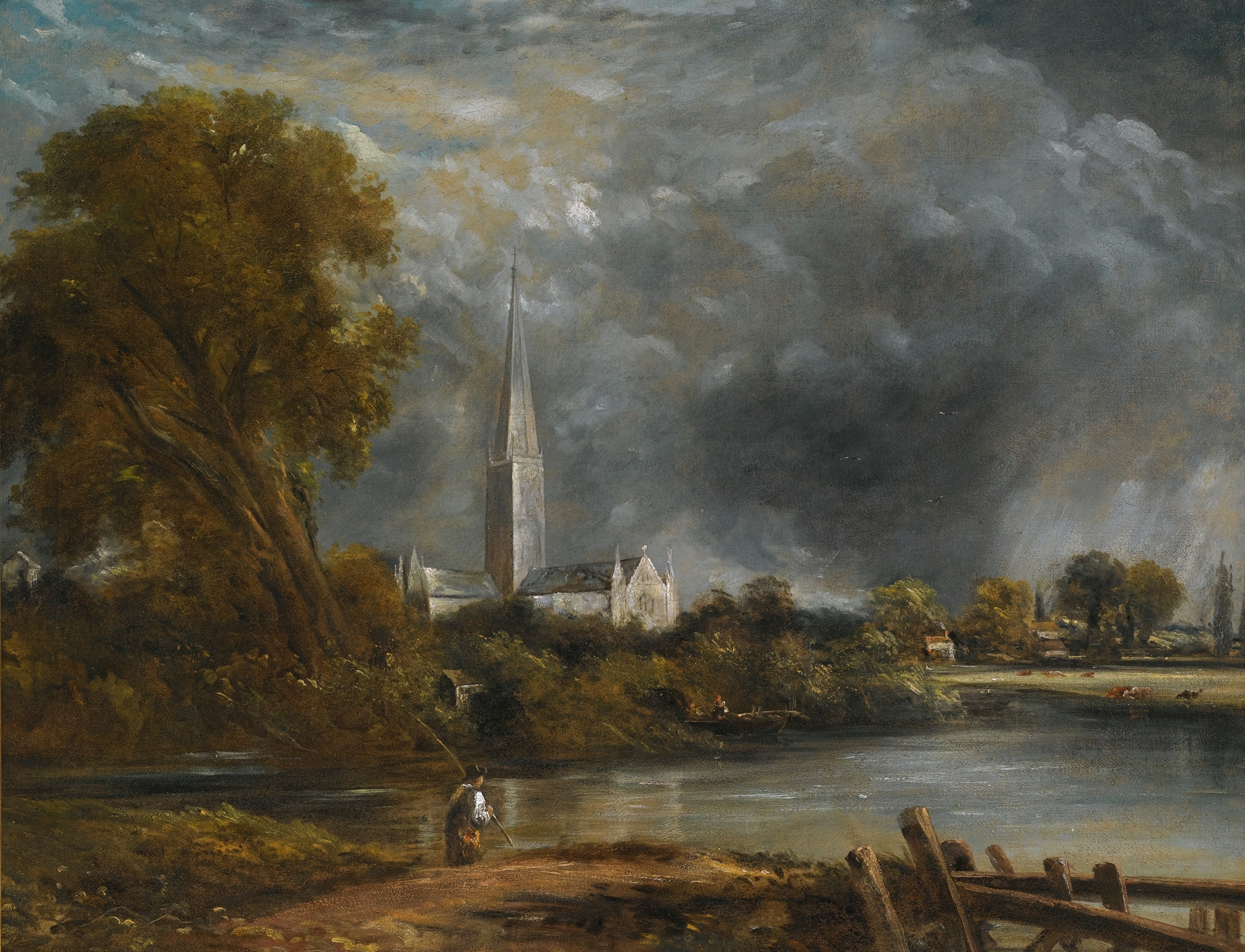
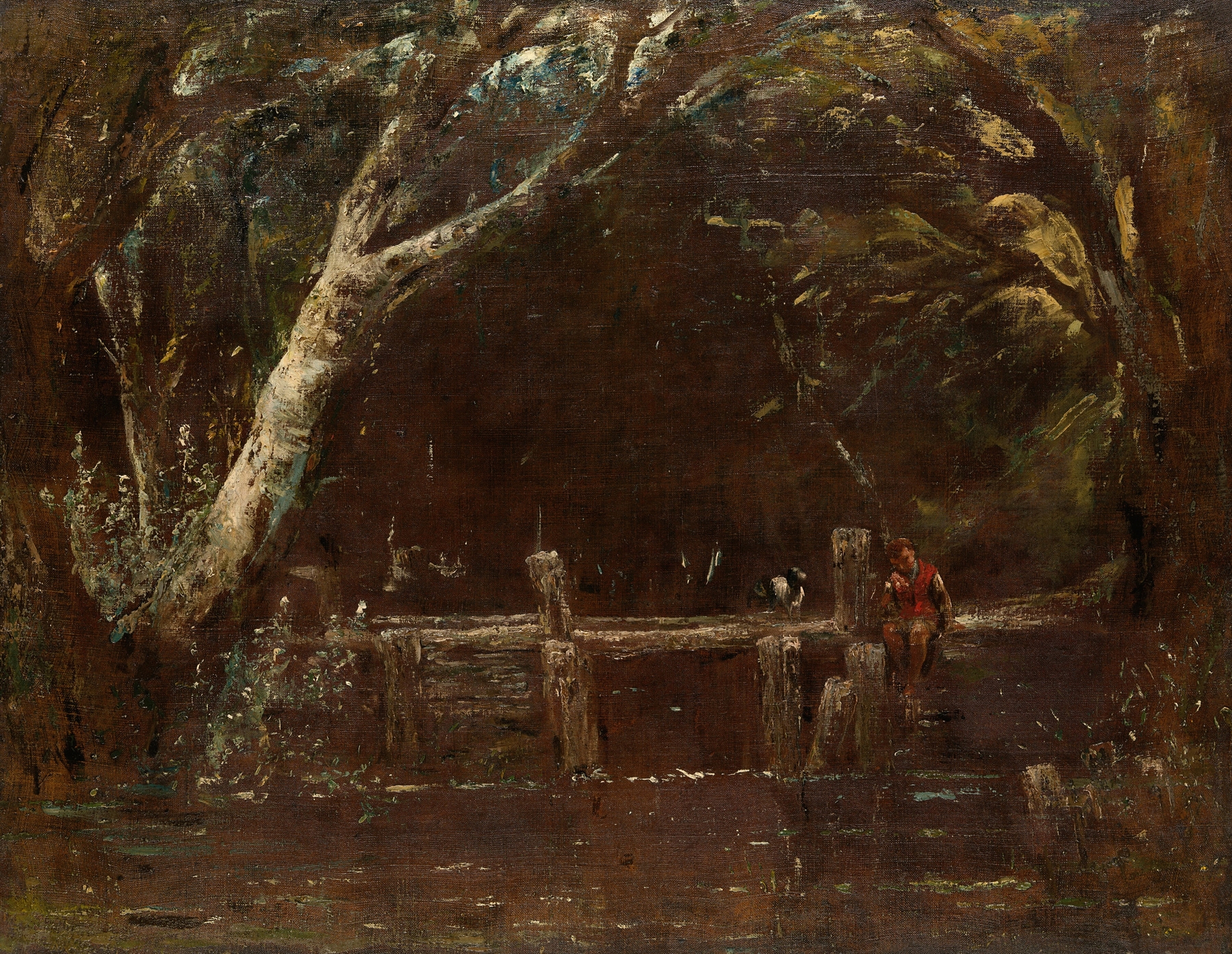
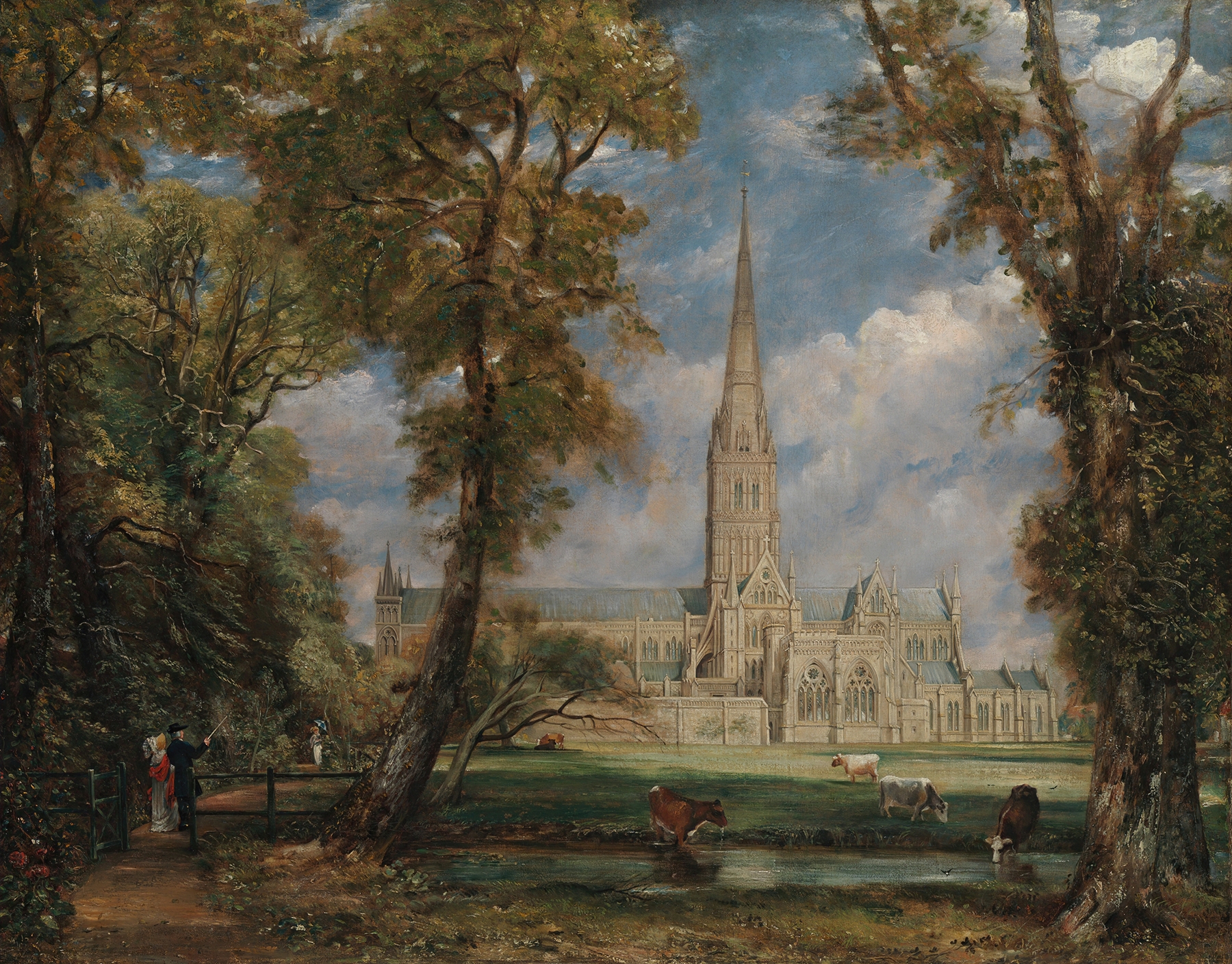
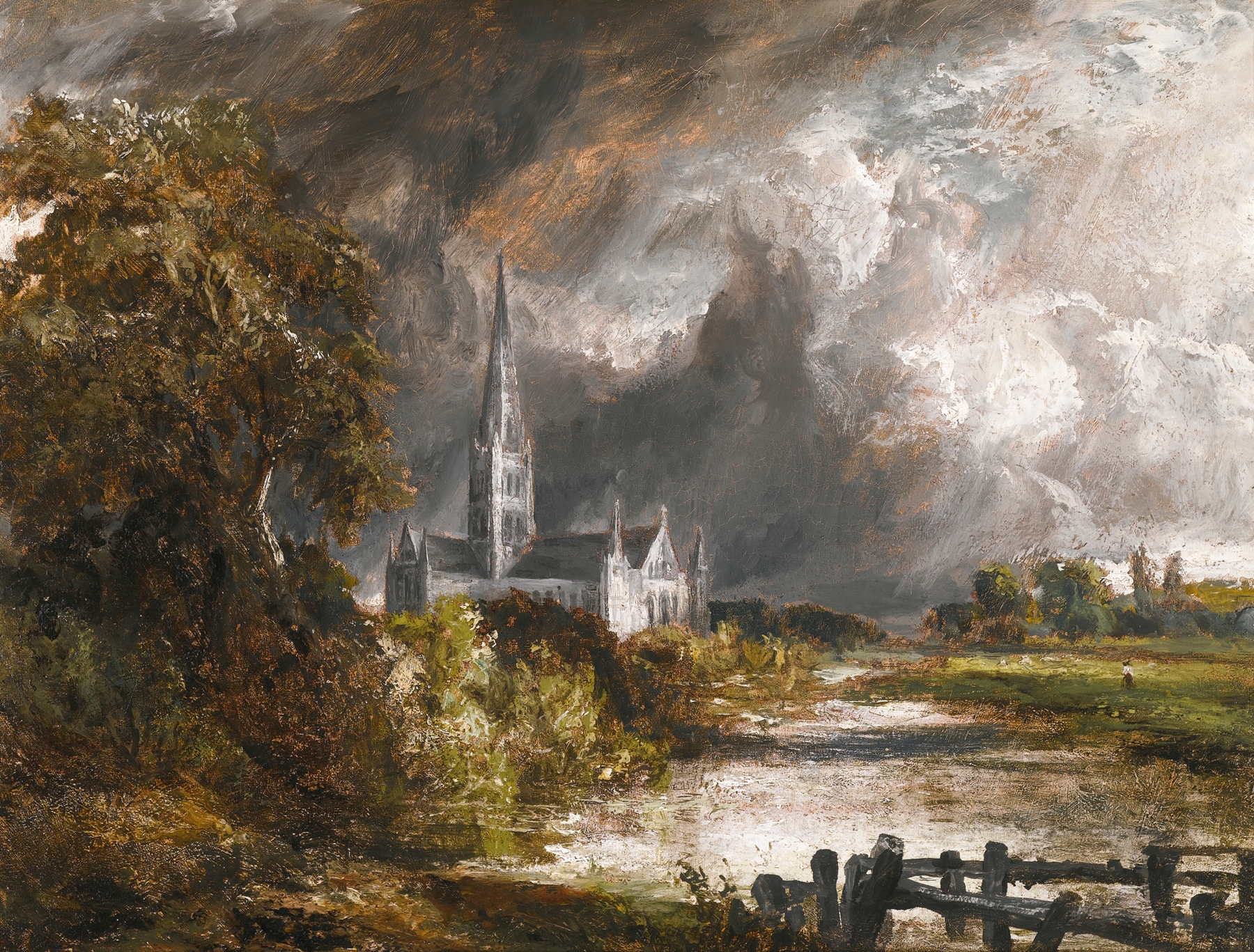
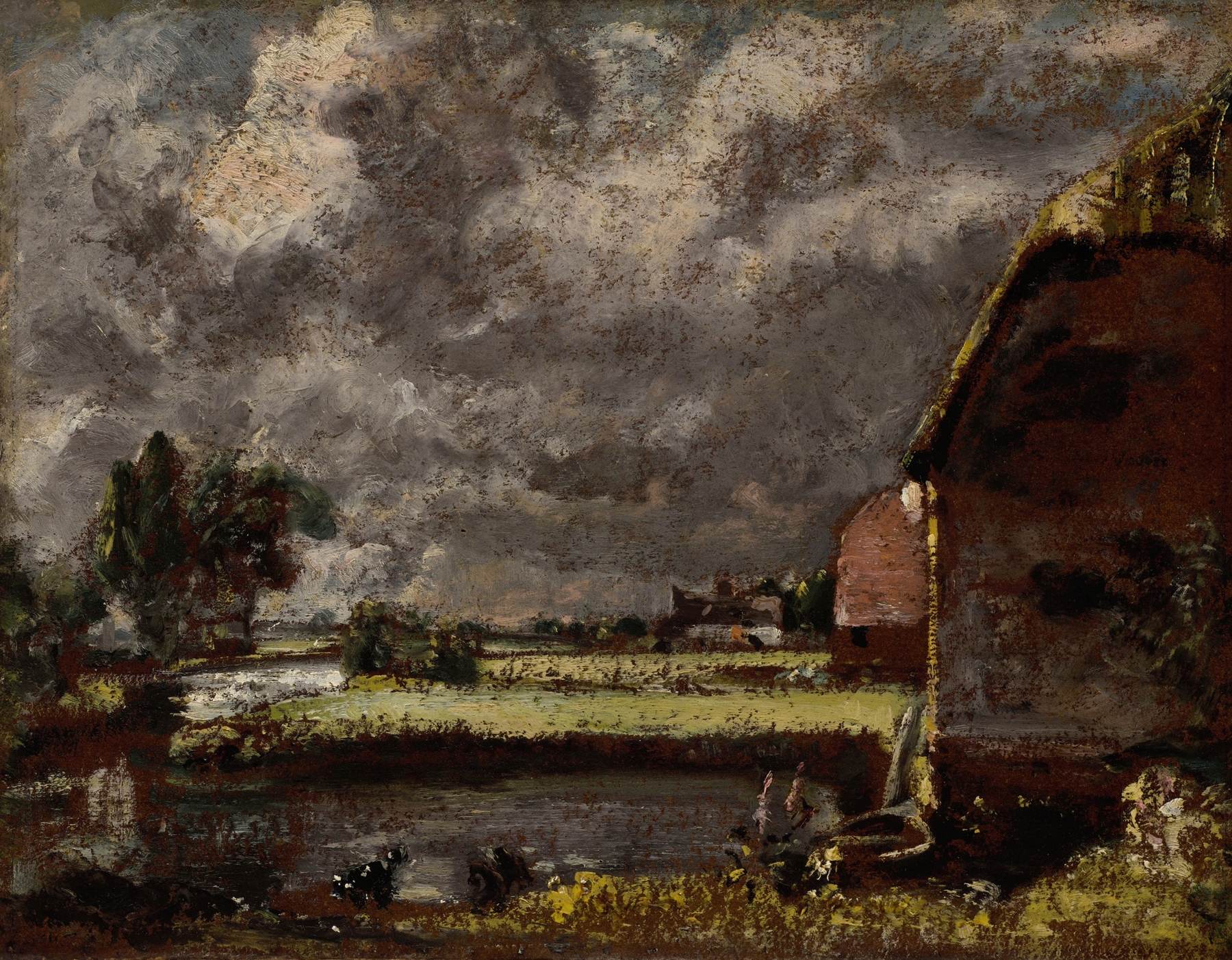
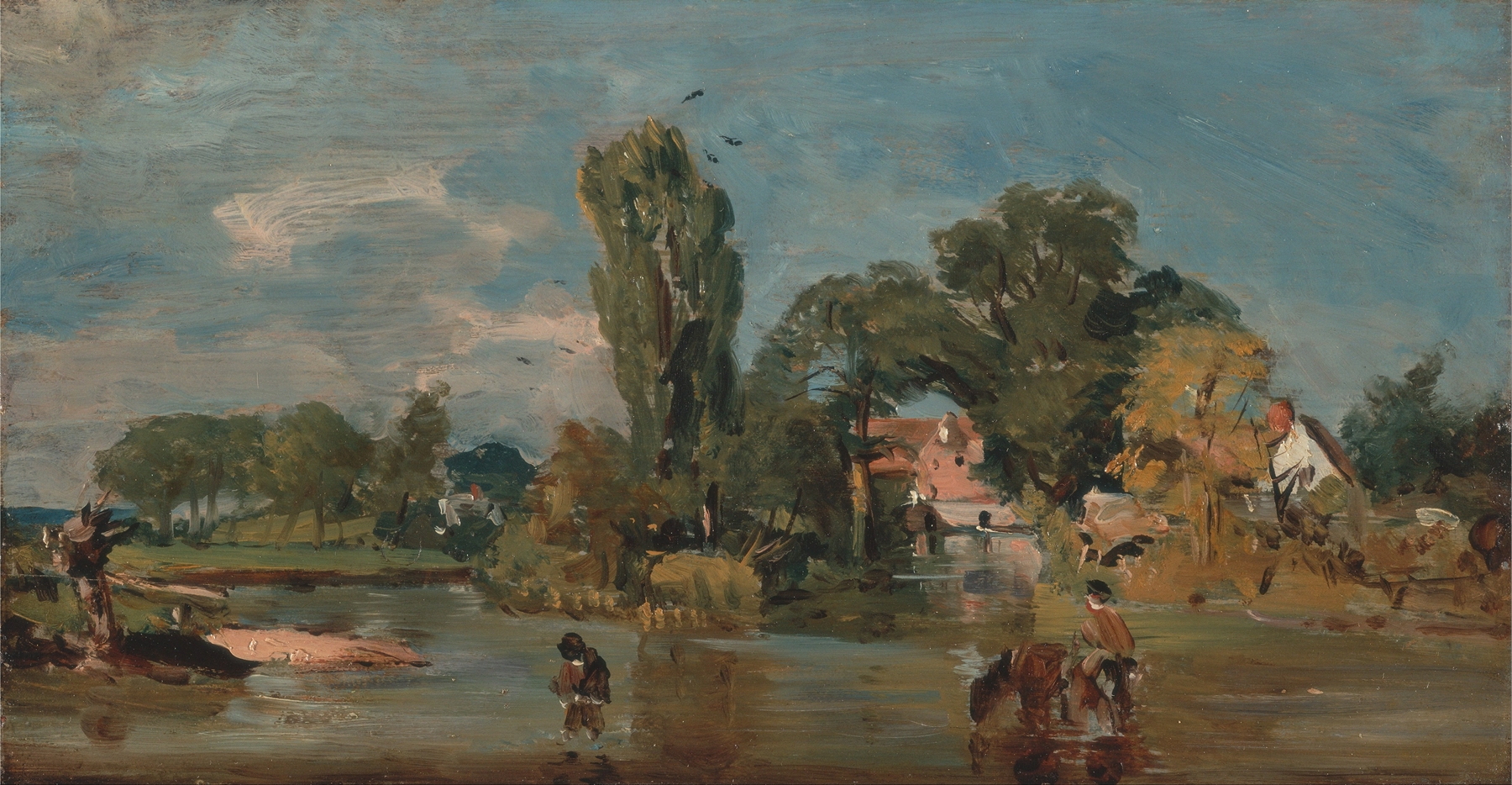
“To paint is to remember what time wants us to forget.” In a world where fleeting moments dissolve into the ether, this canvas stands as a testament to the weight of emptiness and memory. Gaze at the left side where the riverbank curves gently into the water, reflecting the muted blues and greens of a quiet sky. Notice how the bridge rises from the landscape, a delicate arch connecting the two sides, almost inviting yet melancholic. The brushstrokes evoke an impression of softness, the layers of paint coalescing into a serene atmosphere that captivates the viewer, while the underlying gray tones seem to hint at a somber solitude.
In the background, a lone figure stands, their presence amplifying the vastness of the scene, underscoring a deep sense of isolation. The vacant expanse of the sky looms overhead, contrasting with the bustling life that might have once surrounded the bridge. Here, emptiness is not just absence but a profound commentary on the passage of time, capturing both the beauty and fragility of human connection within nature’s vast embrace.
Created in 1821, this work emerged from Constable's studio in England during a period of personal and artistic reflection. The artist was grappling with the loss of his mother, which heavily influenced his themes of nostalgia and emotional depth. As he navigated the shift in Romanticism towards realism in the art world, this painting encapsulates his mastery of landscape while conveying a lingering sense of emptiness, poignantly mirroring his own inner struggles.