Harvest Time; Cumberland — History & Analysis
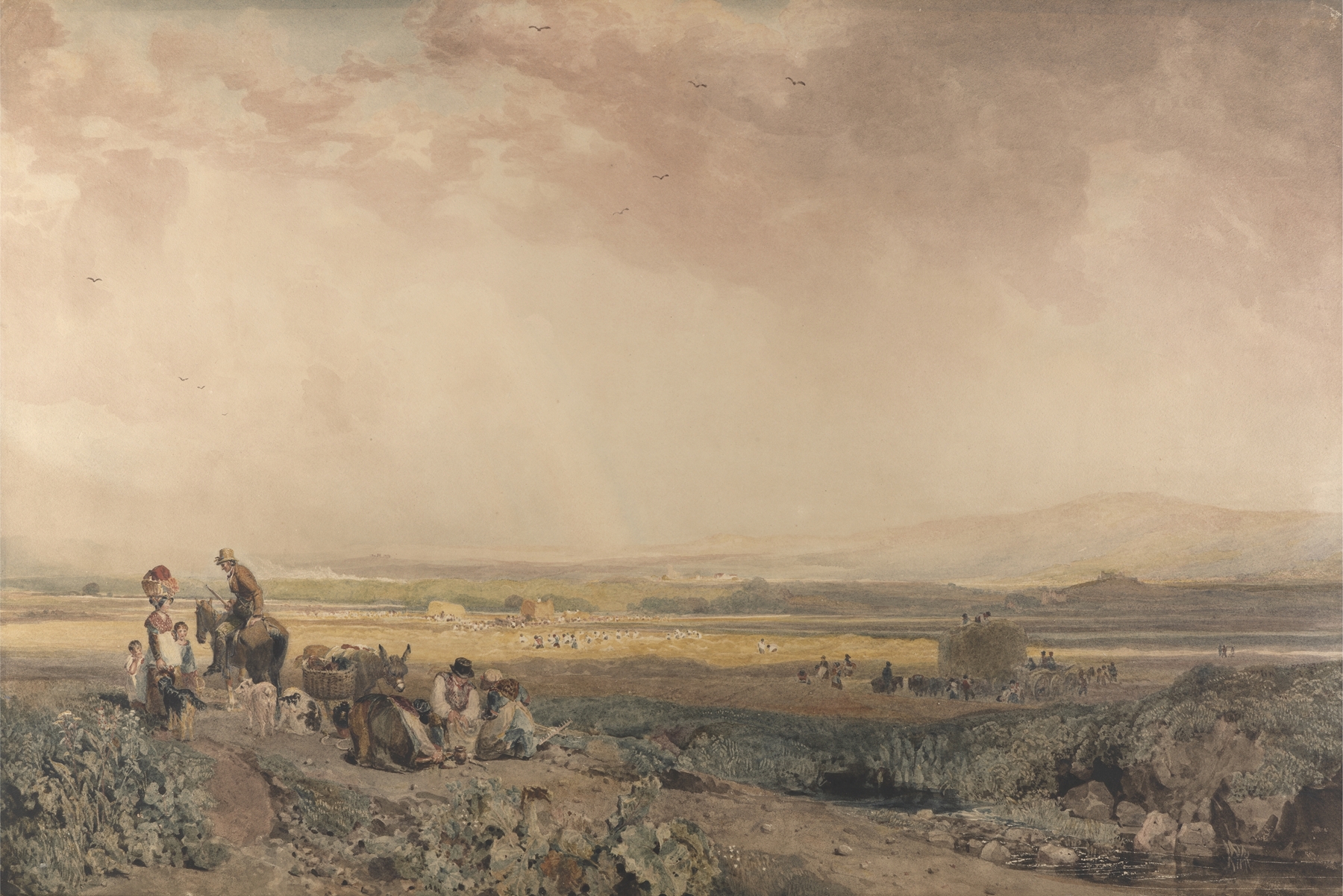
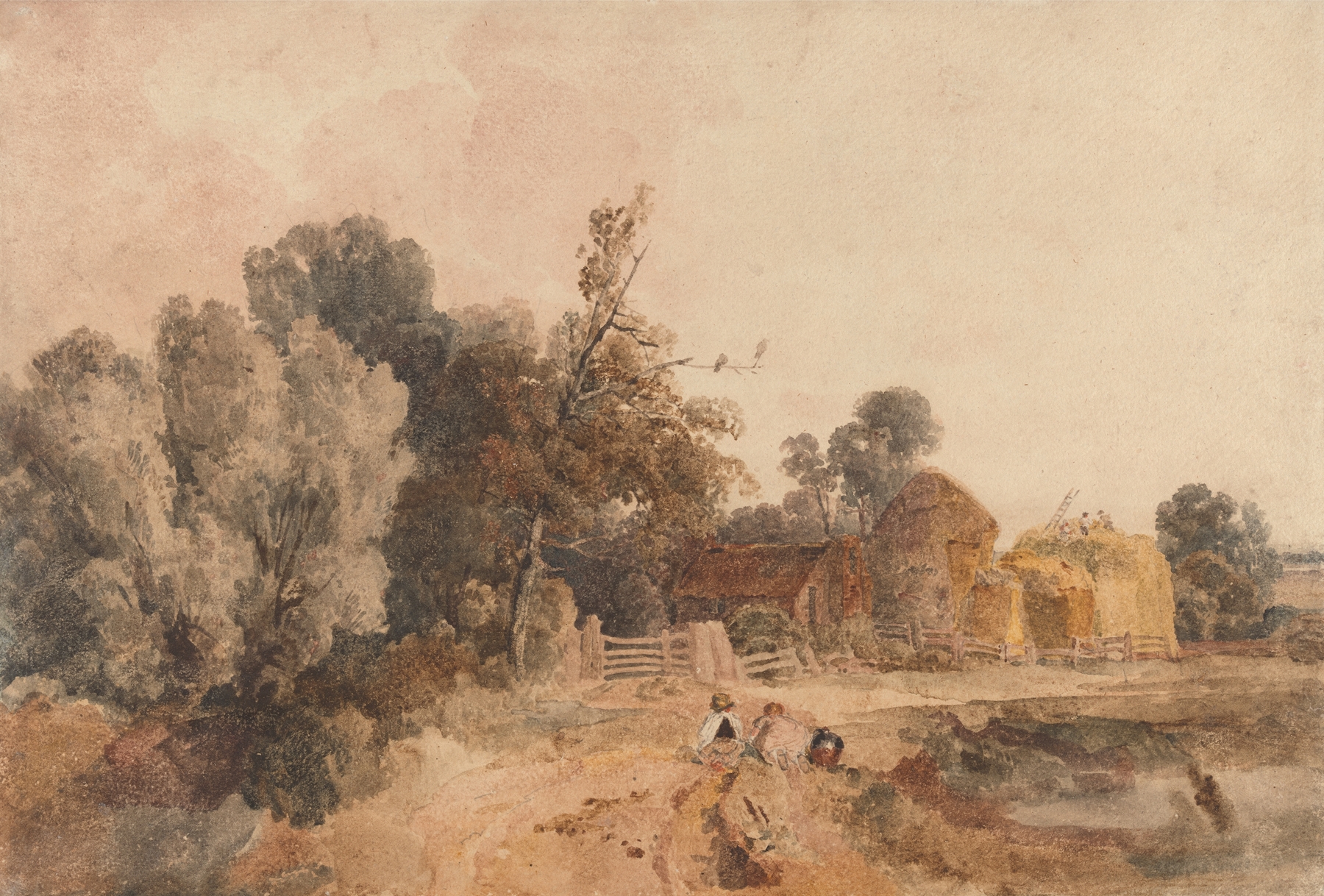
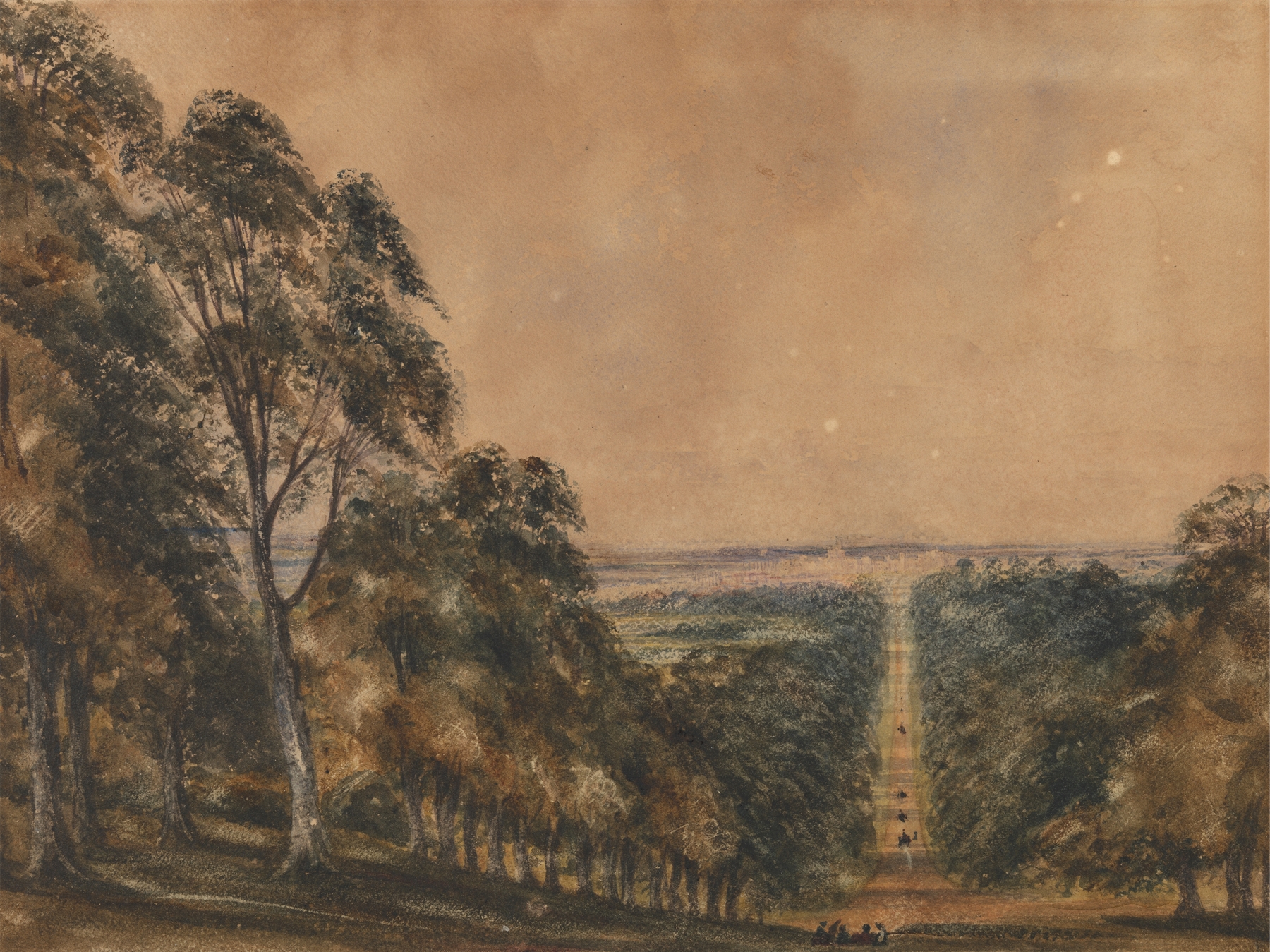
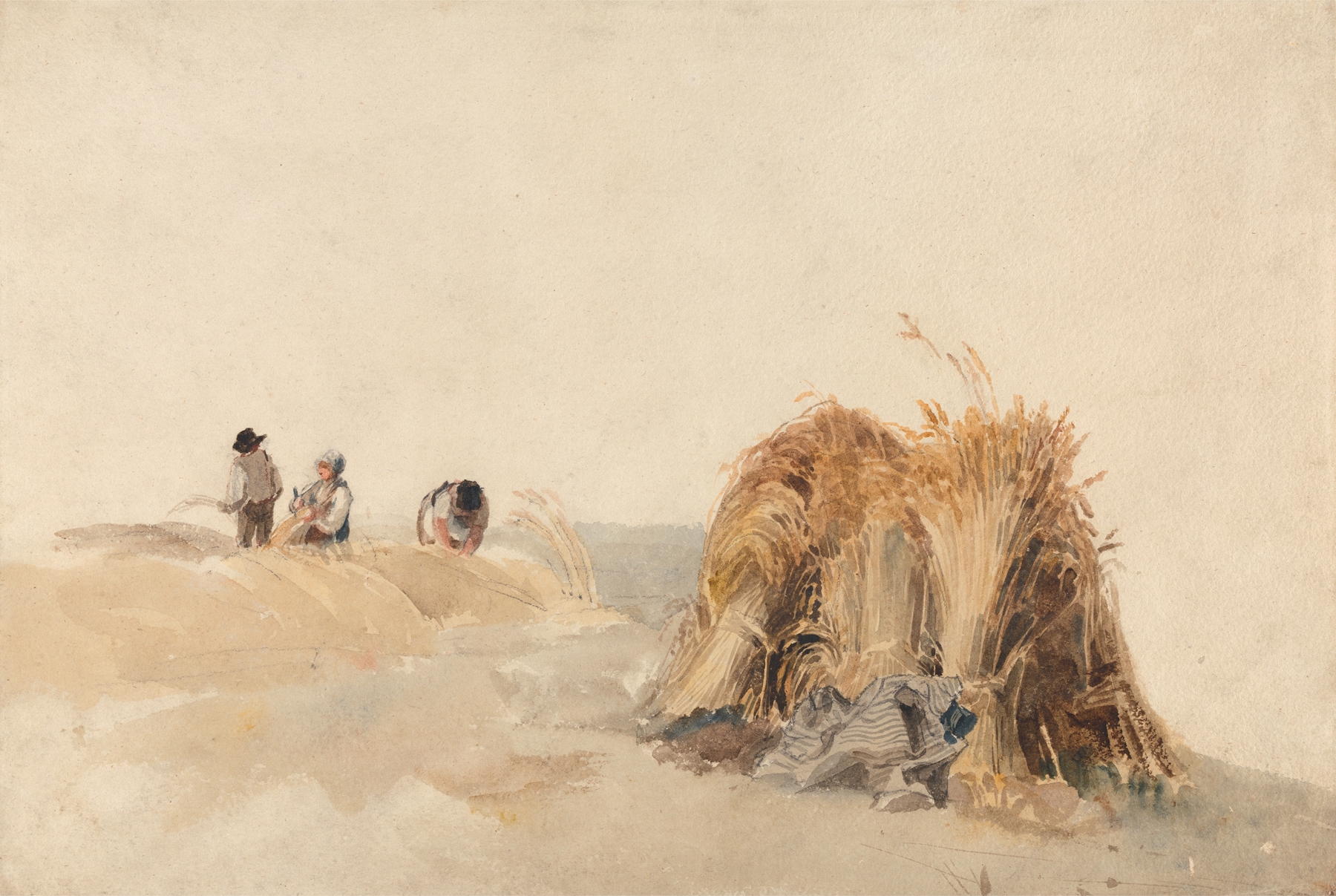
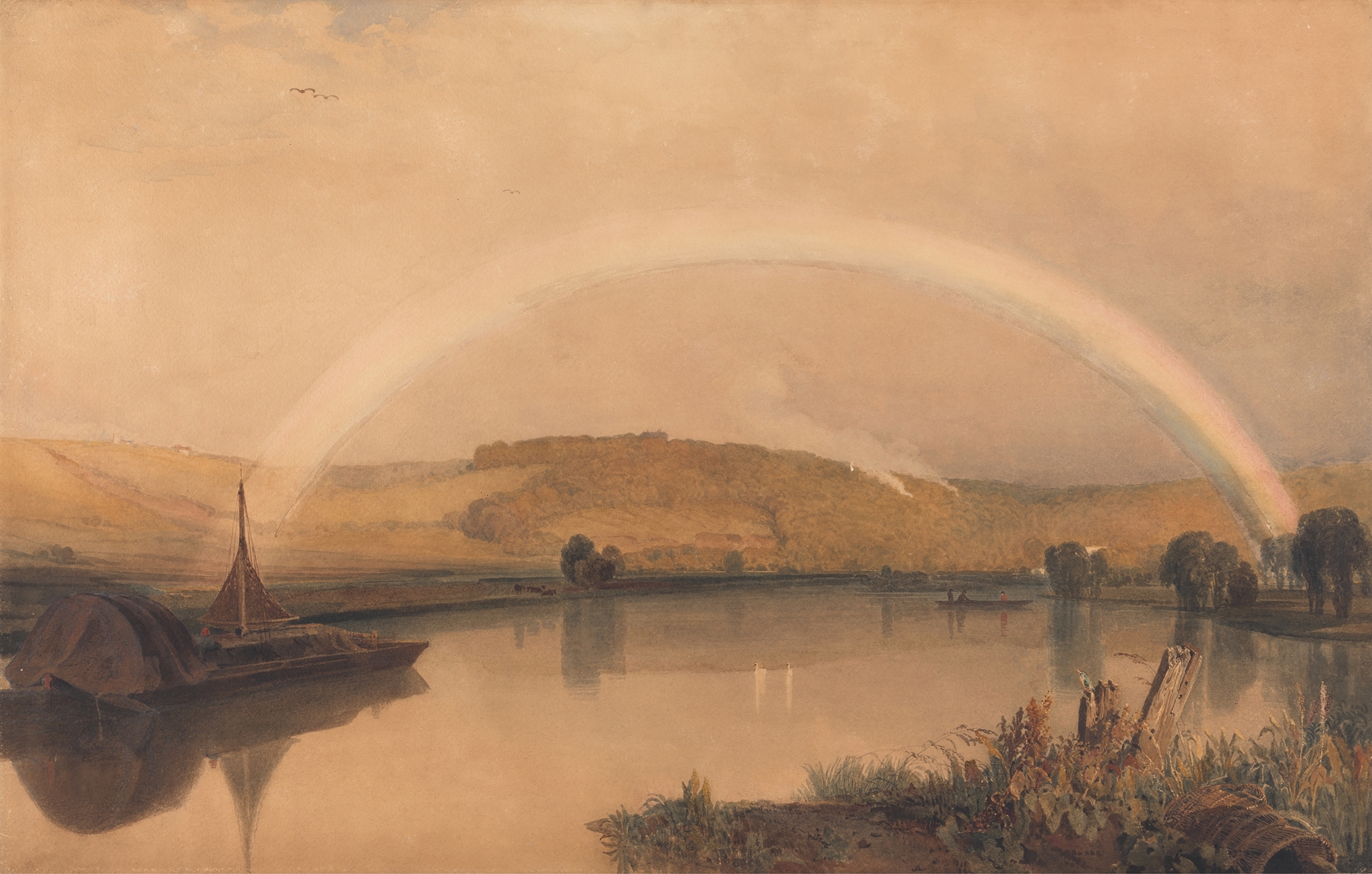
Is this a mirror — or a memory? The delicate hues of amber and gold shimmer under the autumn sun, each brushstroke a whisper of nostalgia. They cradle the essence of harvest time, beckoning the viewer to step into a world where nature's bounty intertwines with the passage of time. Look to the left at the vibrant fields, where deep greens transition into the amber glow of ripening crops.
Notice how the soft light caresses the landscape, highlighting the intricate details of stalks swaying gently in the wind. The artist employs a warm palette that not only captures the season but evokes the warmth of communal labor, suggesting both abundance and tranquility in this pastoral scene. Yet, beyond the idyllic representation lies a deeper contemplation of impermanence. The fleeting nature of harvest time hints at the cycle of life, where every yield comes with the inevitable decline of winter.
The contrast between the lushness of the fields and the subtle shadows creeping in suggests a tension between celebration and loss, inviting reflections on the temporal nature of existence. Created during the early 19th century, this work resonates with Peter DeWint's affinity for landscapes infused with emotional depth. Living in England during a time of industrial change, he sought to capture the beauty of rural life, highlighting its simplicity and fragility amidst the rising tide of modernity. This painting reflects not just a scene, but a longing for connection to the land and its rhythms.