Head of a Man — History & Analysis
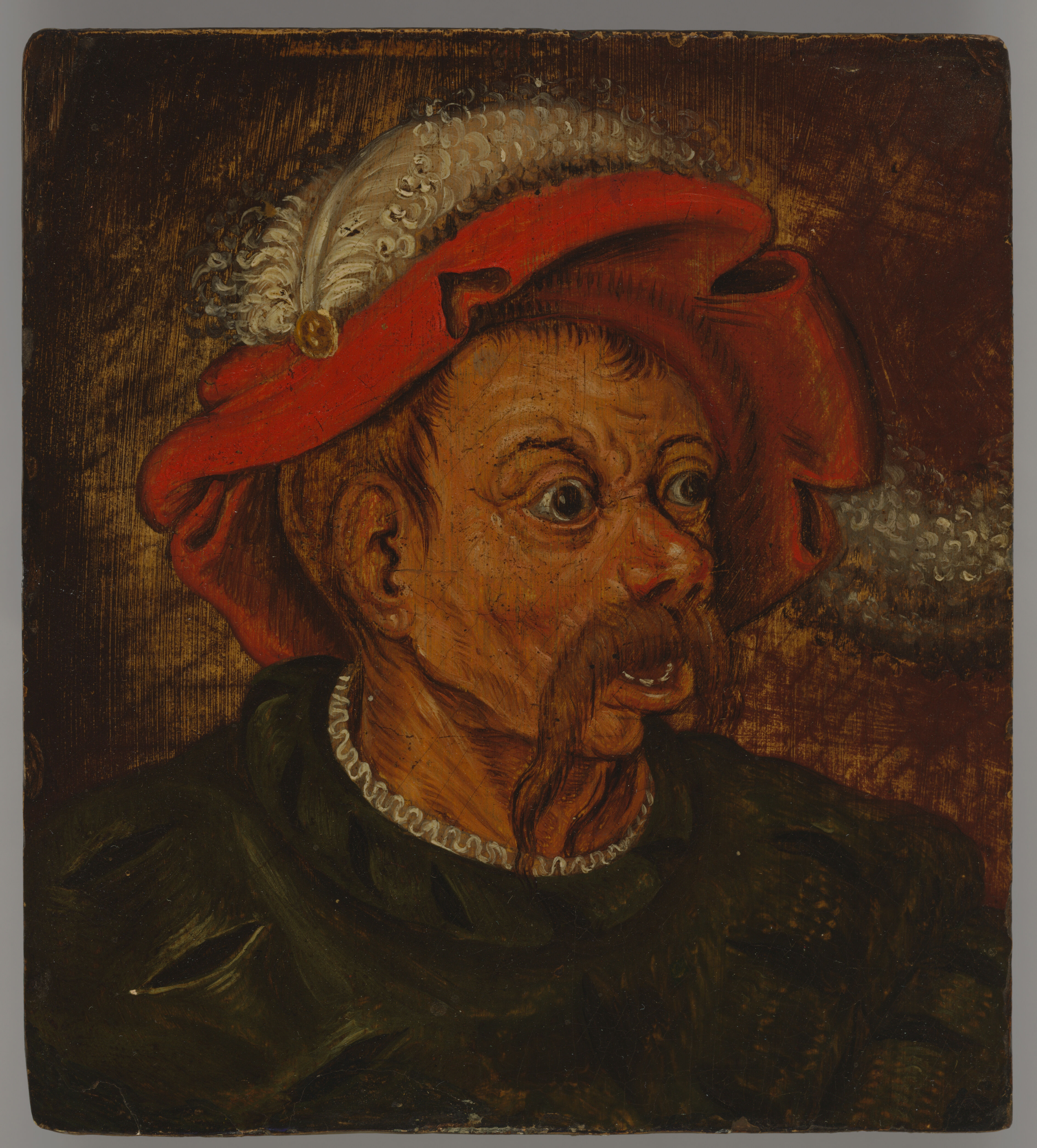
Is this a mirror — or a memory? Within the confines of Head of a Man, the viewer encounters a visage steeped in introspection, where obsession and identity blur into a singular, haunting gaze. Focus on the striking features of the face, particularly the deep-set eyes that seem to hold a world of thoughts unspoken. Notice how the artist uses soft, muted tones to create a somber atmosphere, allowing the contours of the face to emerge like a whisper from the canvas.
The gentle play of light accentuates the furrowed brow and the slight downturn of the mouth, signifying a complex emotional weight. Each brushstroke contributes to an overall sense of depth, inviting the viewer to ponder the man’s innermost turmoil. The contrast between light and shadow in the piece echoes the duality of obsession itself—an intense focus that can illuminate or consume. The seemingly detached expression draws us into a narrative of solitude and contemplation; perhaps it is reflective of the artist's own thoughts on the nature of human experience.
Subtle details, like the almost imperceptible lines etched around the eyes, hint at a lifetime of memories that shape the present moment, reminding us that every face tells a story laden with history. Pieter Bruegel the Elder painted Head of a Man in the 16th century, a time when the Northern Renaissance was flourishing. He navigated his artistic journey amidst a burgeoning interest in realism and human emotion, reflecting the complexities of life in a rapidly changing society. His work often examined the intricacies of human nature, grappling with themes that resonate deeply even today.