Winter Scenery — History & Analysis
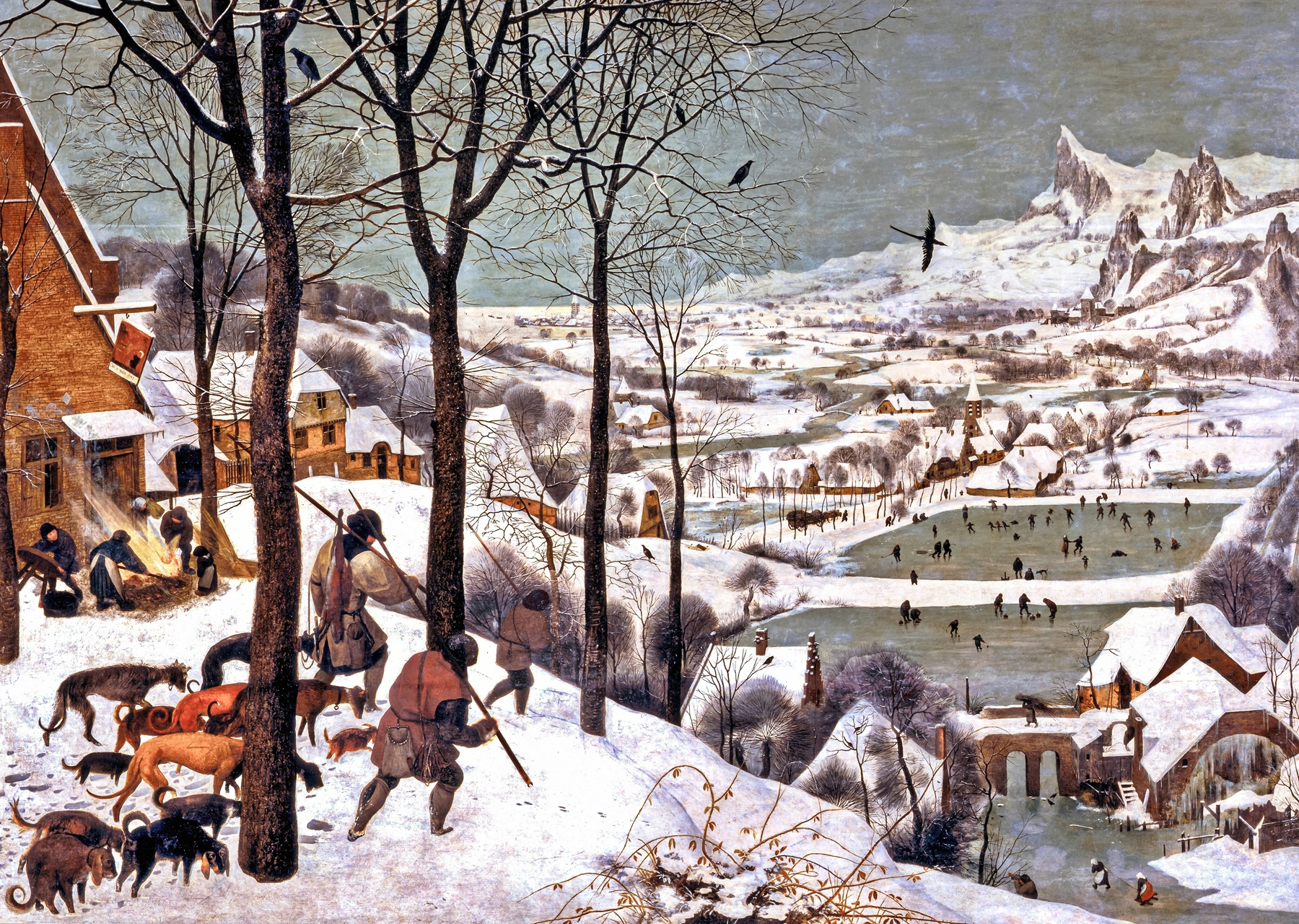
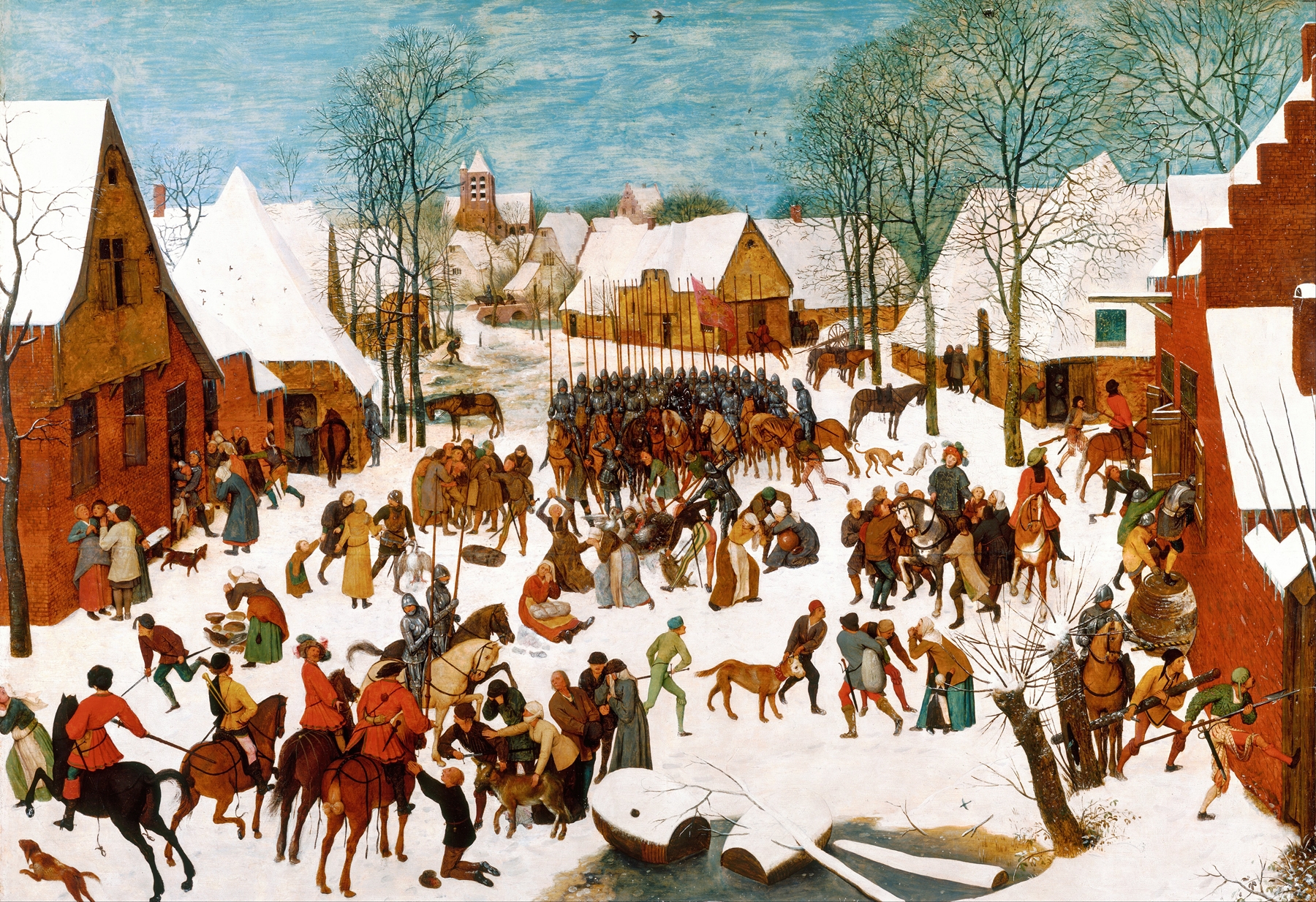
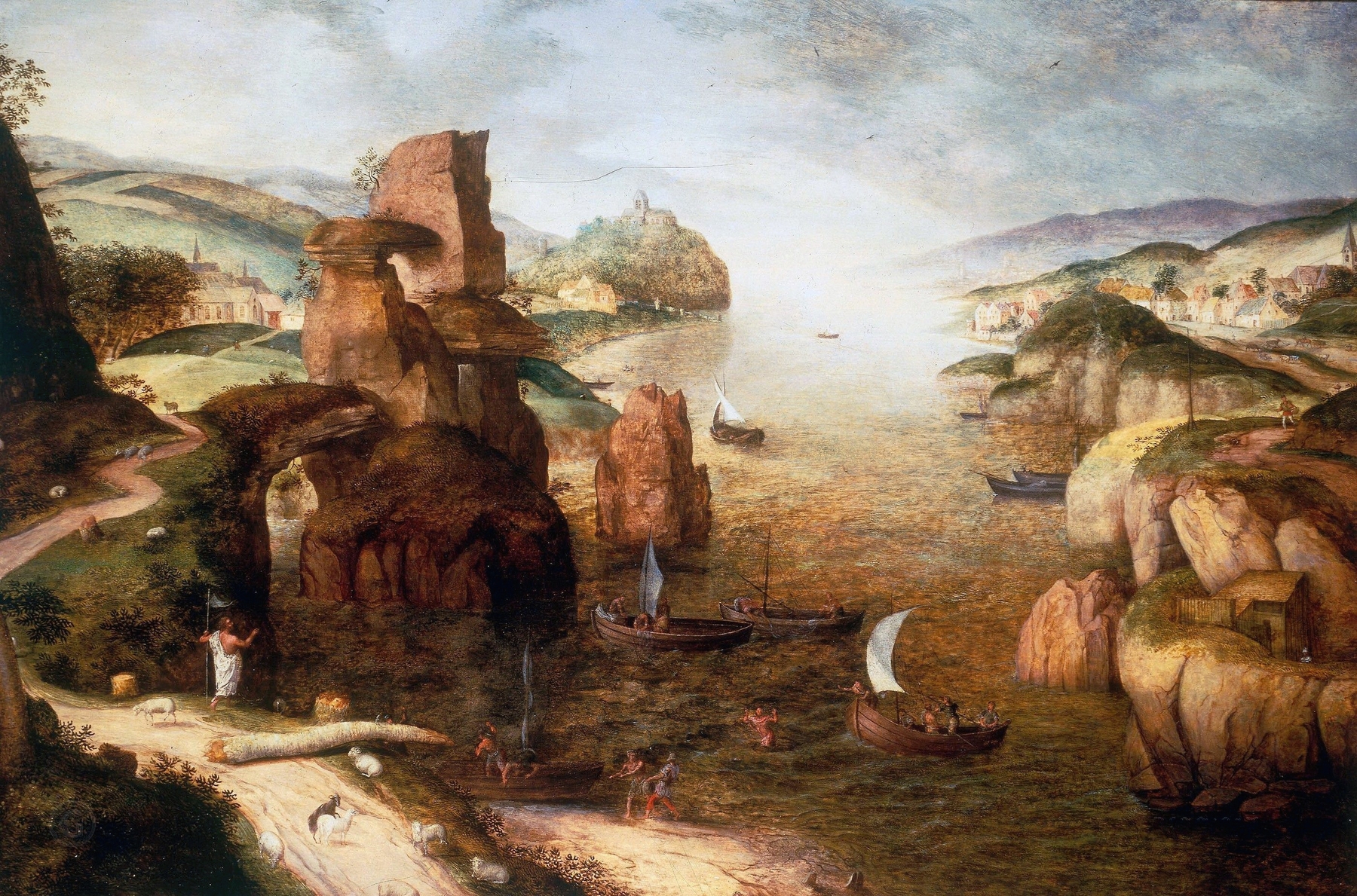
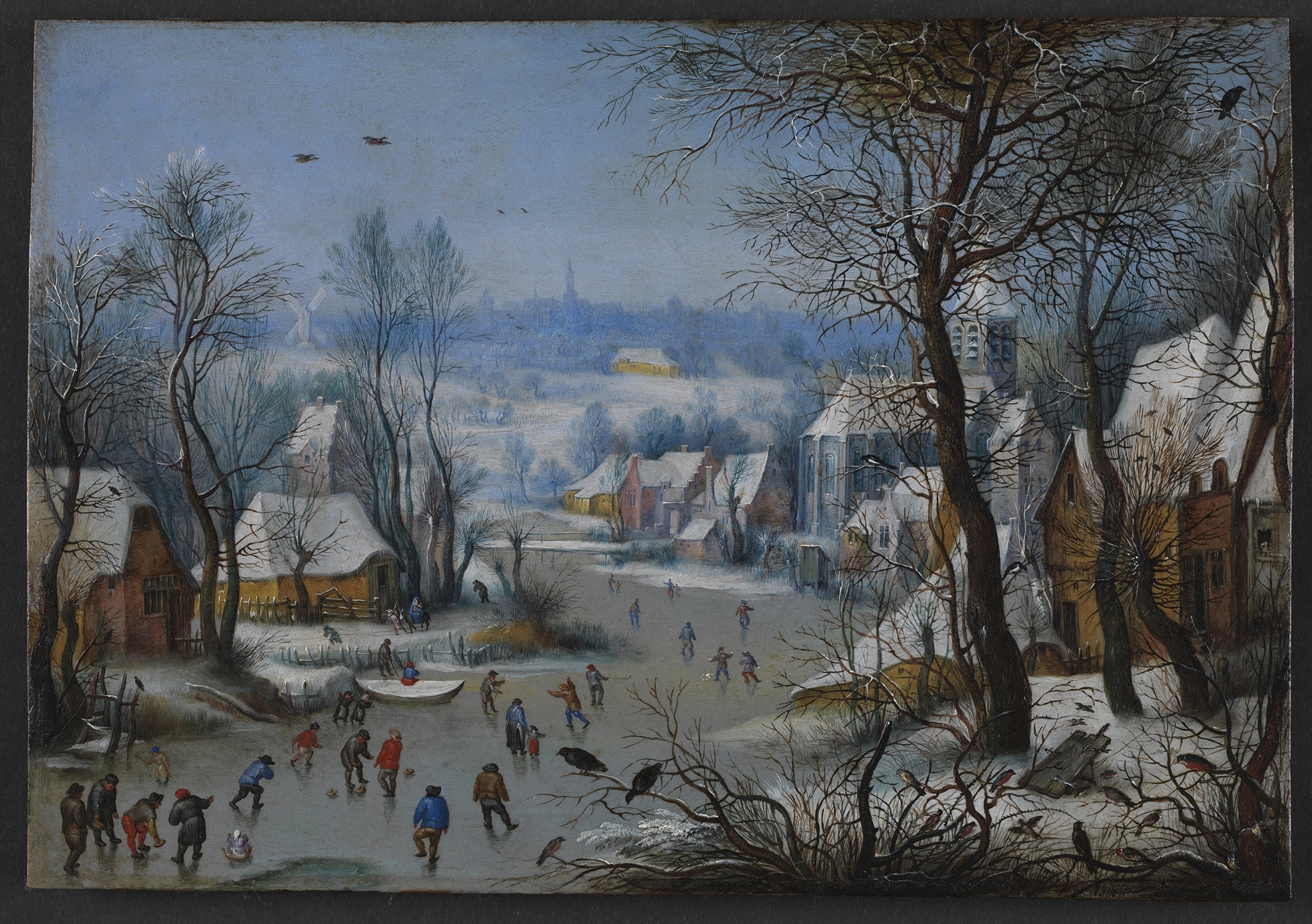
What if beauty was never meant to be finished? In the hushed embrace of winter, we find a world rendered in delicate strokes, where every hue speaks to the fleeting nature of life beneath the snow. Focus first on the vibrant interplay of colors that Bruegel expertly orchestrated. Look to the foreground where figures, draped in muted tones, engage in lively activities against a backdrop of soft, glistening white. The cool blues and grays of the icy river contrast sharply with the warm, earthy browns of the distant trees, creating a dynamic tension that pulls the viewer’s gaze through the scene.
Notice how the gentle light filters down, illuminating the frosted landscape, urging one to explore the intricate details of each figure, each moment frozen in time. Yet beneath this serene surface lies a deeper narrative. The bustling villagers remind us of human resilience, showcasing their joys and struggles amid the harshness of winter. Look closely at the children playing—each smile, a spark of life against the cold, symbolizes hope and innocence.
The looming shadows of distant mountains serve as a reminder of nature’s indifference, reflecting the complexity of existence itself. Pieter Bruegel the Elder painted Winter Scenery during a time when he was deeply engaged in capturing the essence of peasant life. Living in Antwerp between 1600 and 1614, he responded to a growing interest in the natural world and human experience within it. This period was marked by an exploration of vibrant realism, and his work stands as a testament to that rich legacy, blending the familiar with the extraordinary.