Het Huis Den Dam bij Zutphen — History & Analysis
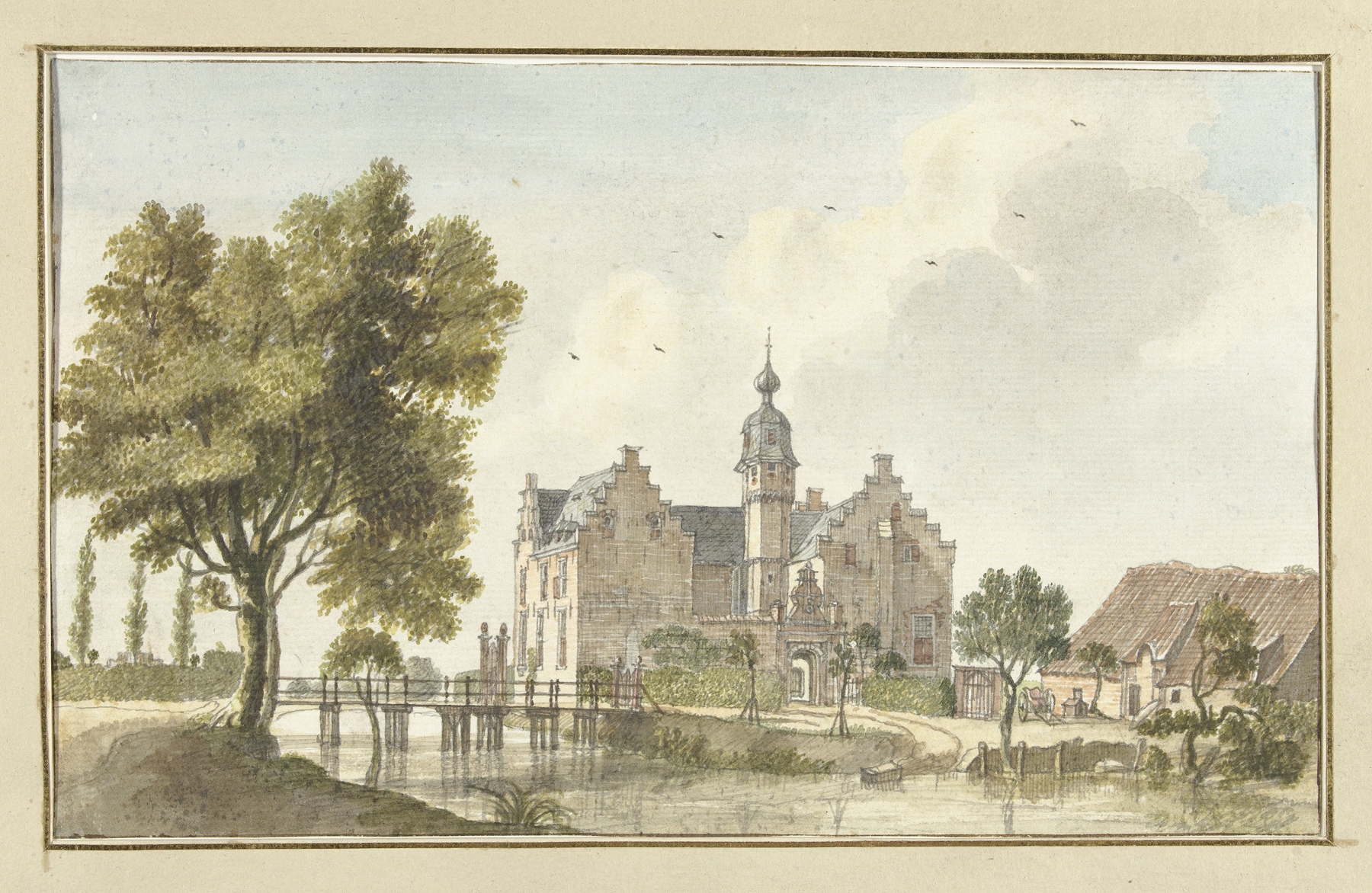
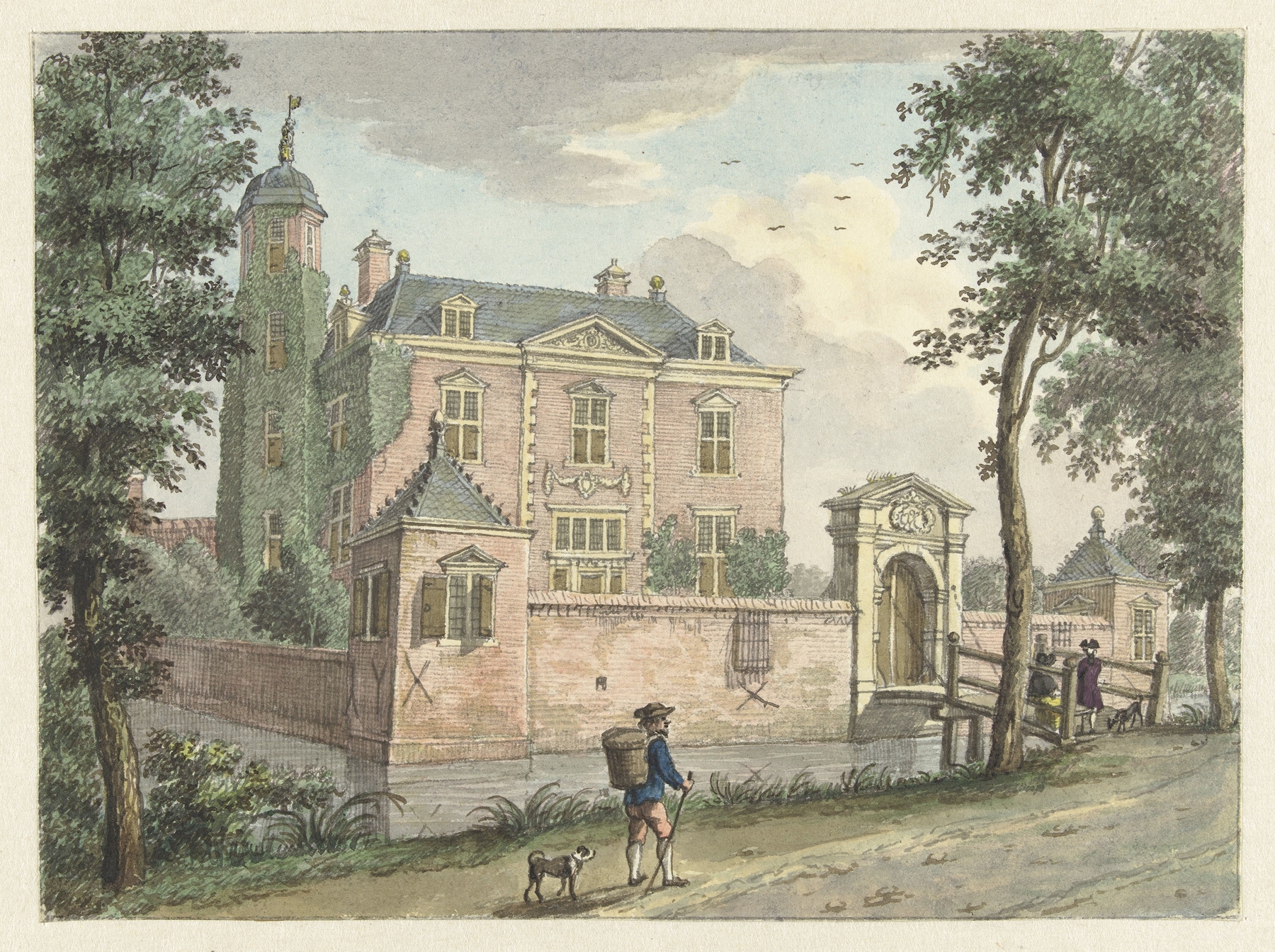
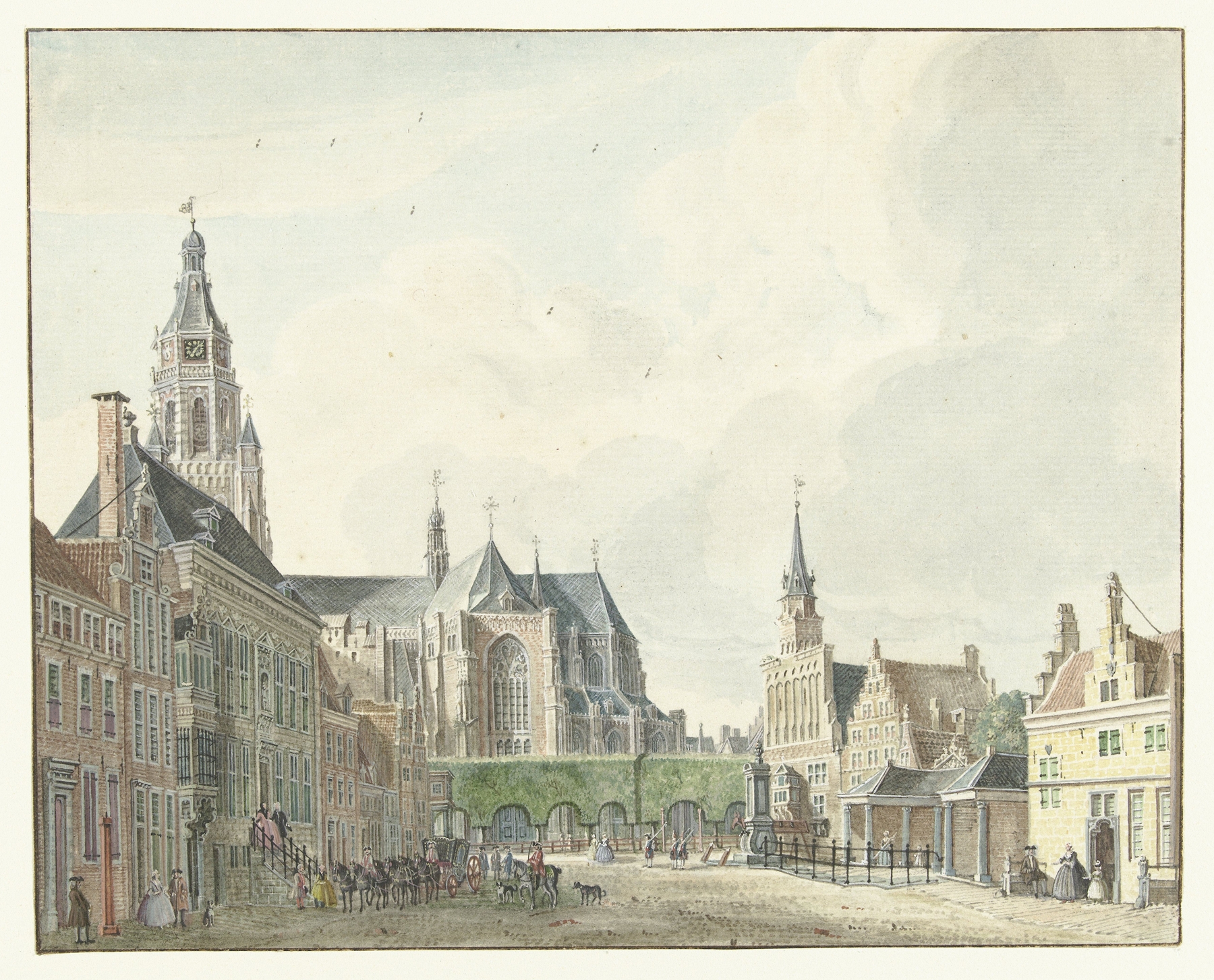
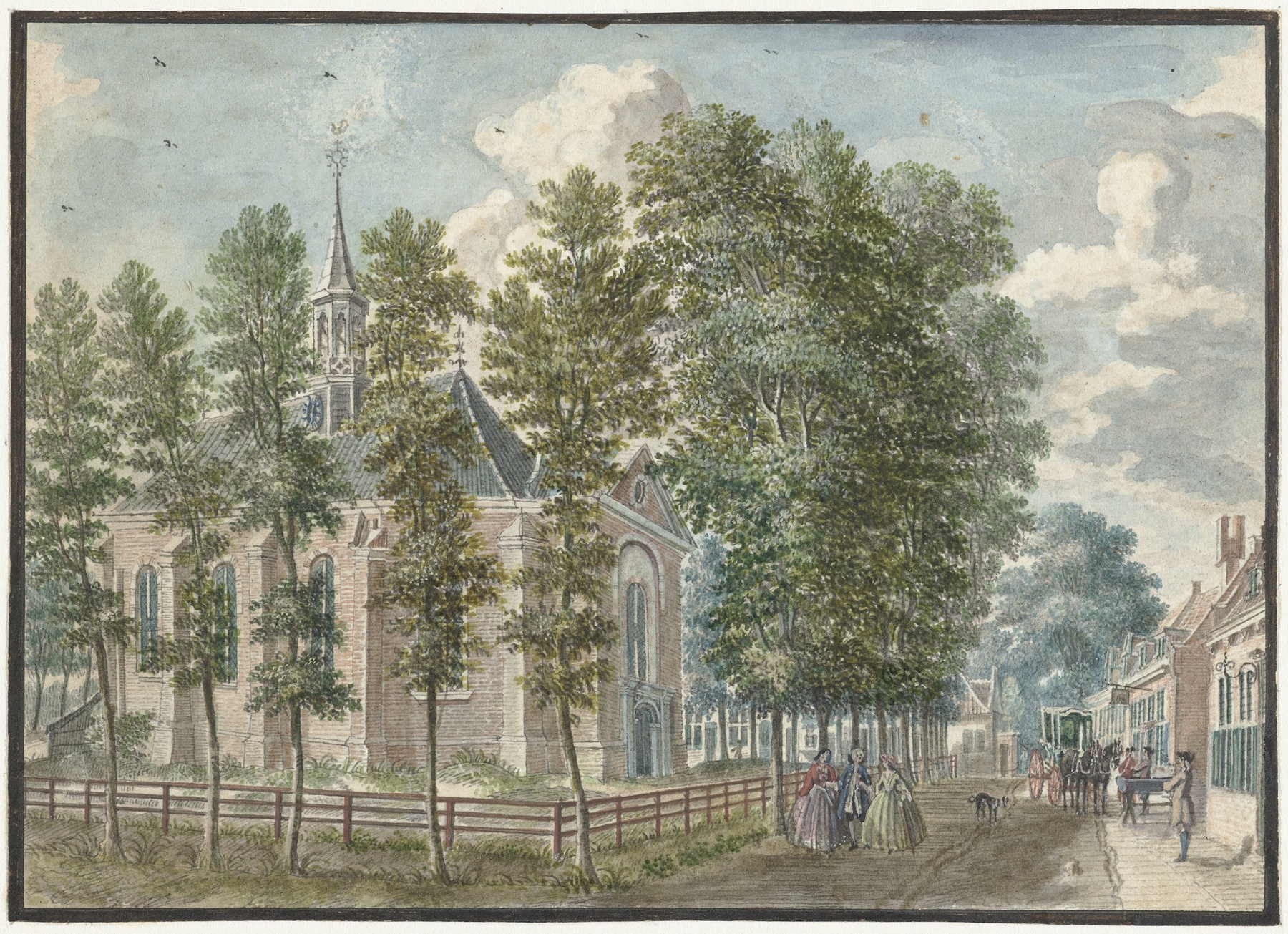
What if silence could speak through light? In the stillness of a moment, beauty unfolds, transforming the mundane into the extraordinary. Look to the expansive canvas where the house stands proudly at its center, framed by vibrant greenery that seems to come alive under a gentle sun. Notice how the light falls upon the facade, casting soft shadows that breathe life into the architecture.
The careful brushwork captures the texture of the building’s walls, while delicate strokes of green and gold create a harmonious interplay of nature and man-made structure. The scene is tranquil yet pulsating with energy — a testament to the artist's skilled hand. Delve deeper into the subtle contrasts of the painting: the rigid lines of the house juxtaposed with the fluidity of the surrounding trees, symbolizing the dichotomy of stability and change. That solitary figure in the foreground, perhaps a gardener or a visitor, embodies the connection between humanity and the beauty of nature.
Each detail, from the blooming flowers to the sprawling branches, tells a story of coexistence, urging the viewer to reflect on the quiet moments that often go unnoticed. In 1748, Jan de Beijer painted this work during a time when Dutch landscape art was flourishing, revealing the intricacies of everyday life. Living in the Netherlands, he was influenced by the shifting tides of society and the growing appreciation for natural beauty. This painting emerged as a dialogue between tradition and innovation, encapsulating a serene world that continues to resonate with viewers today.