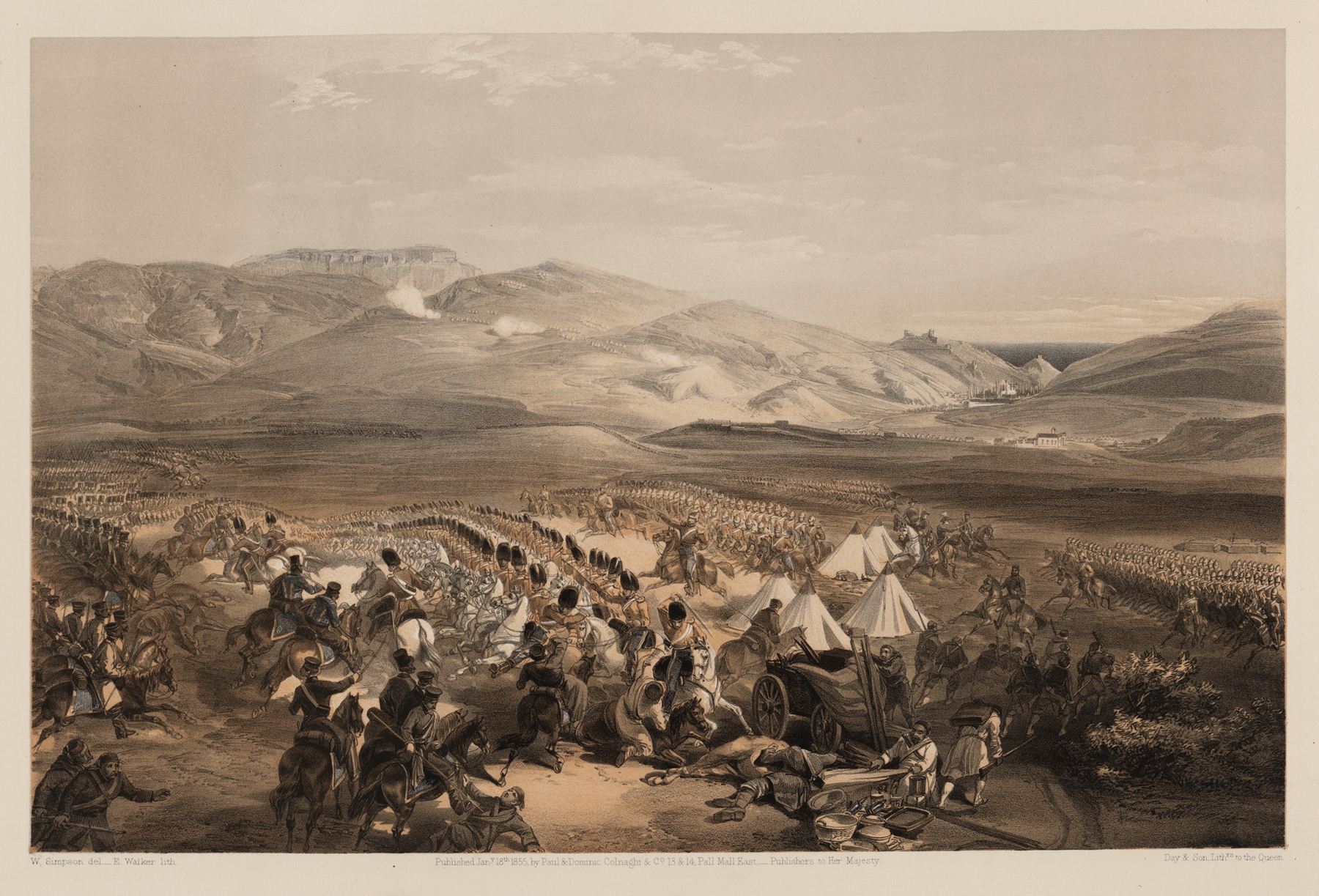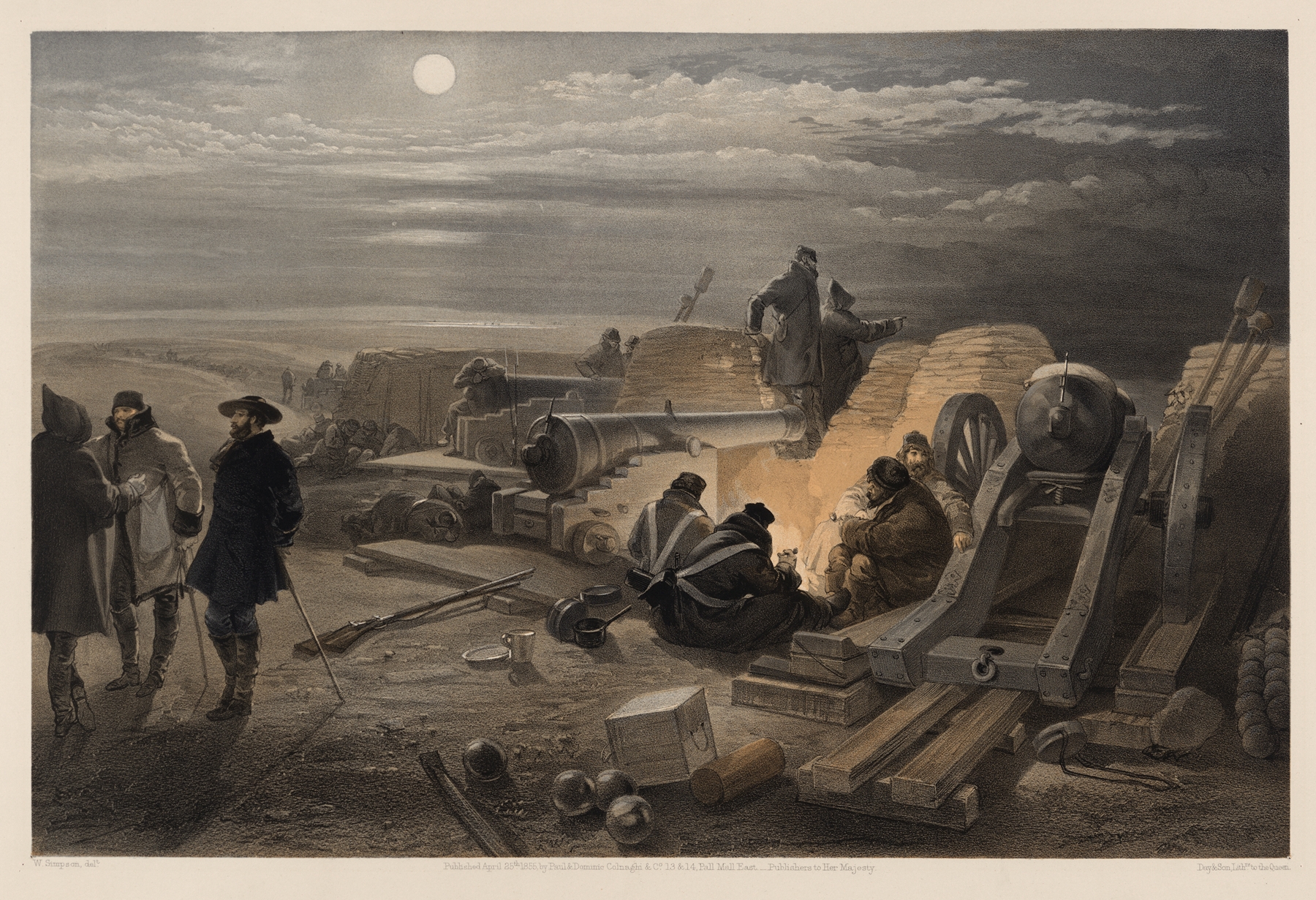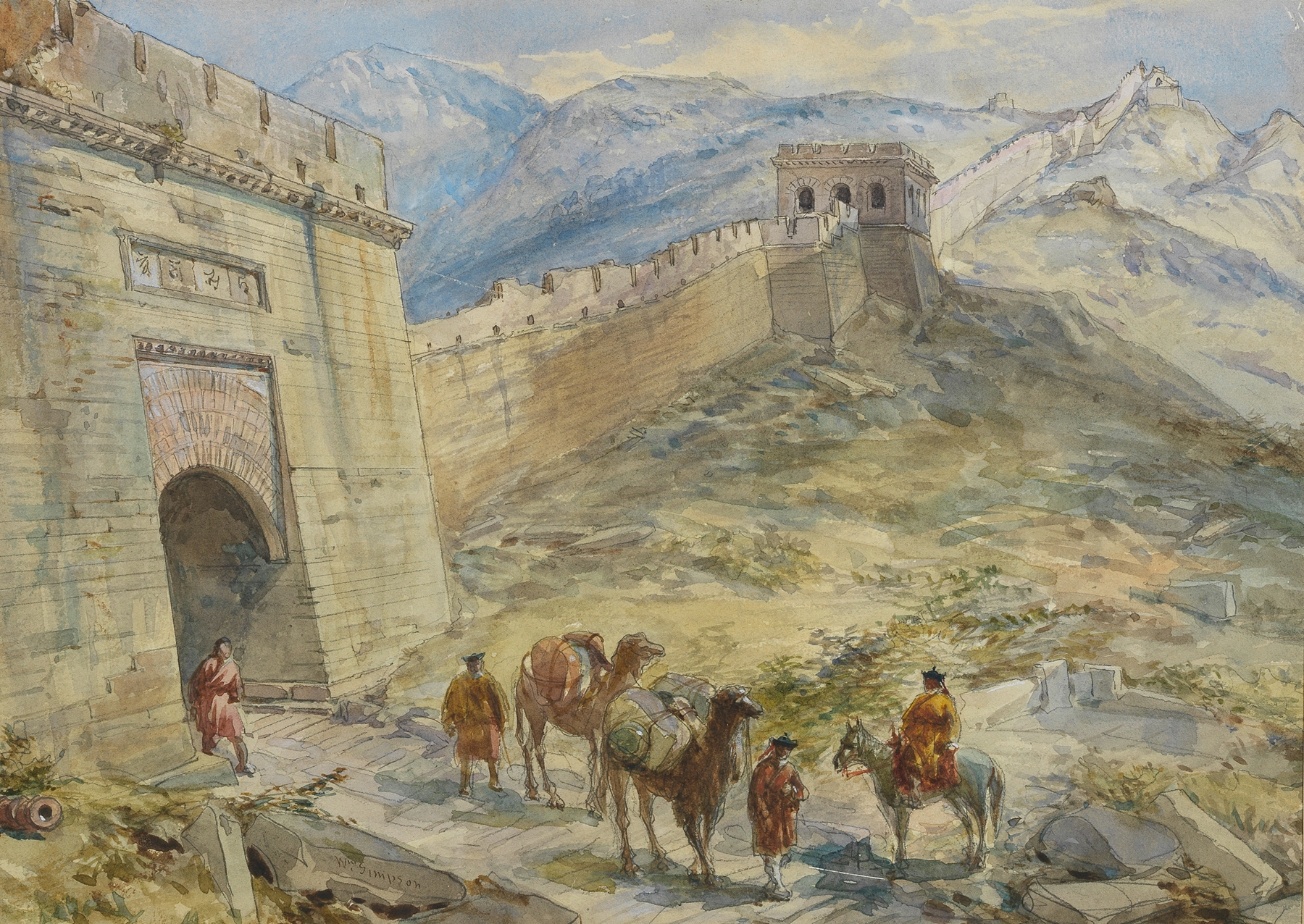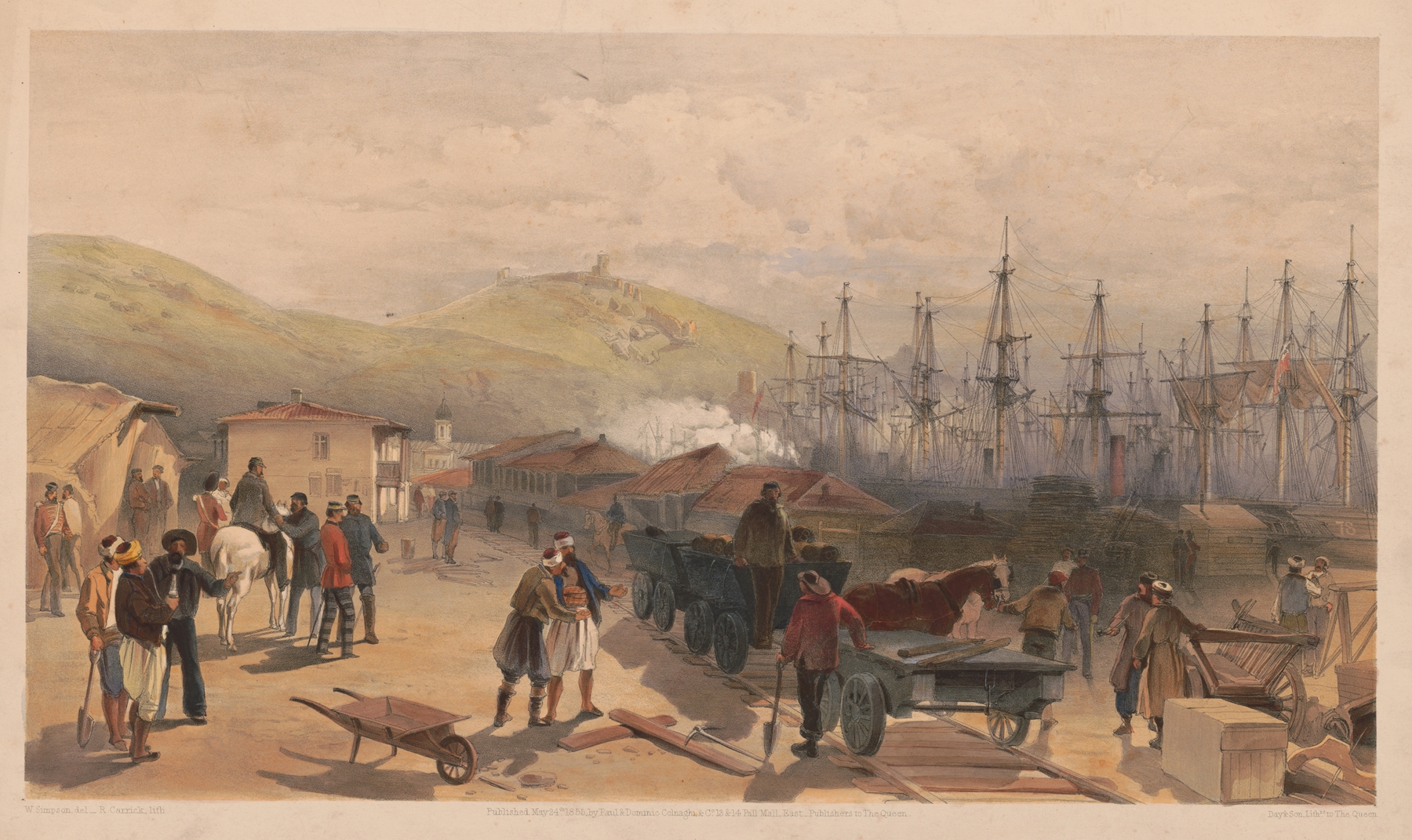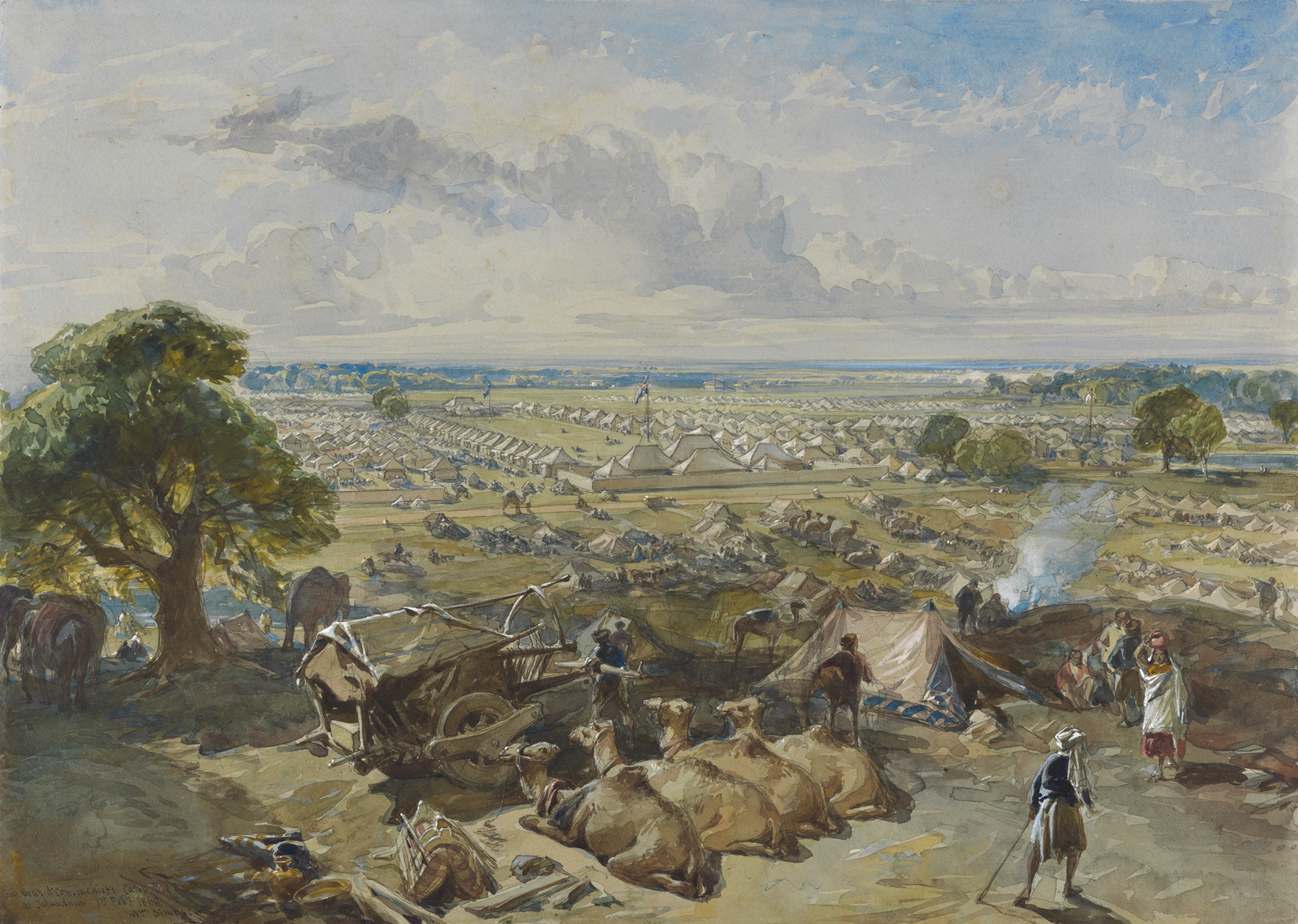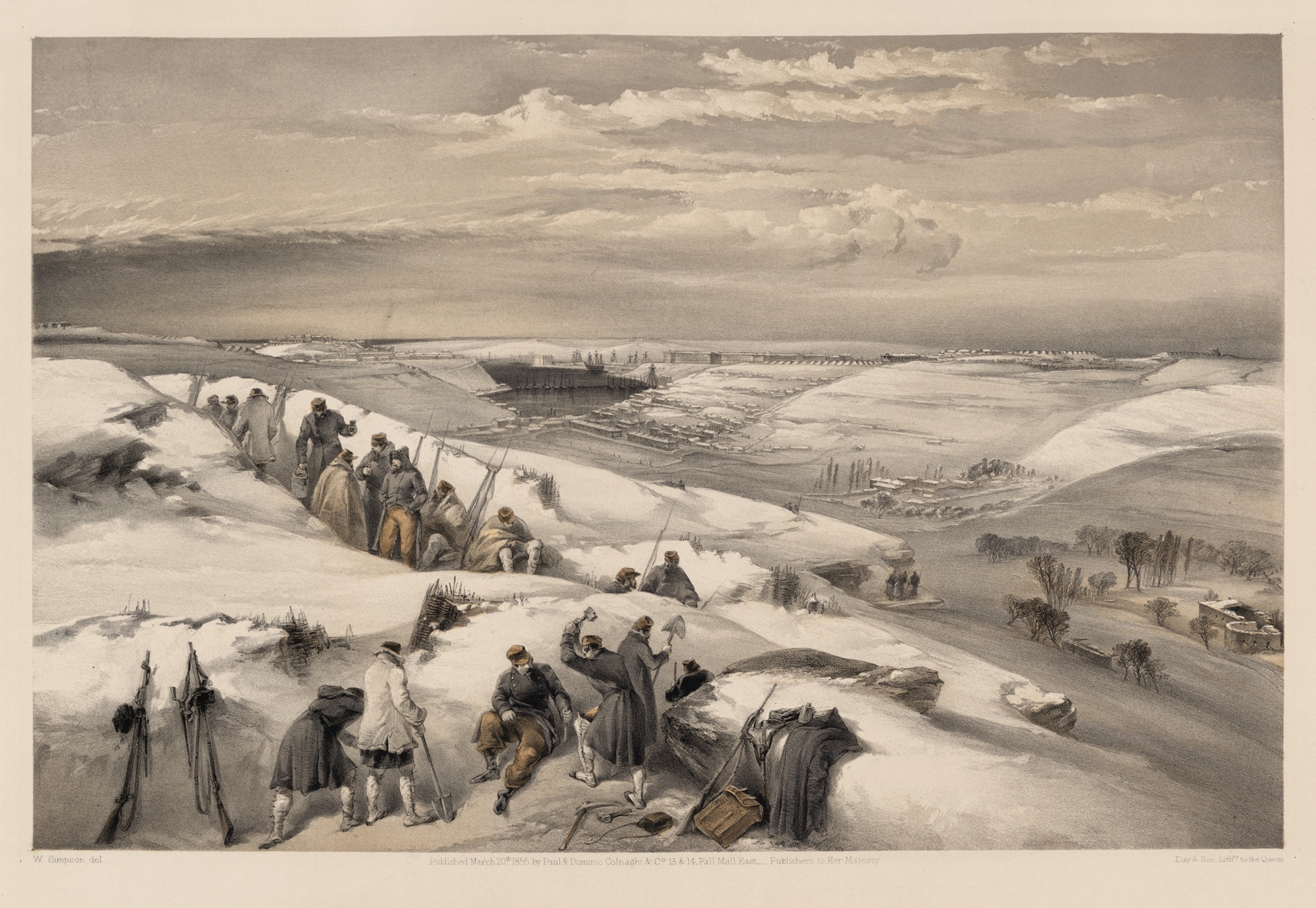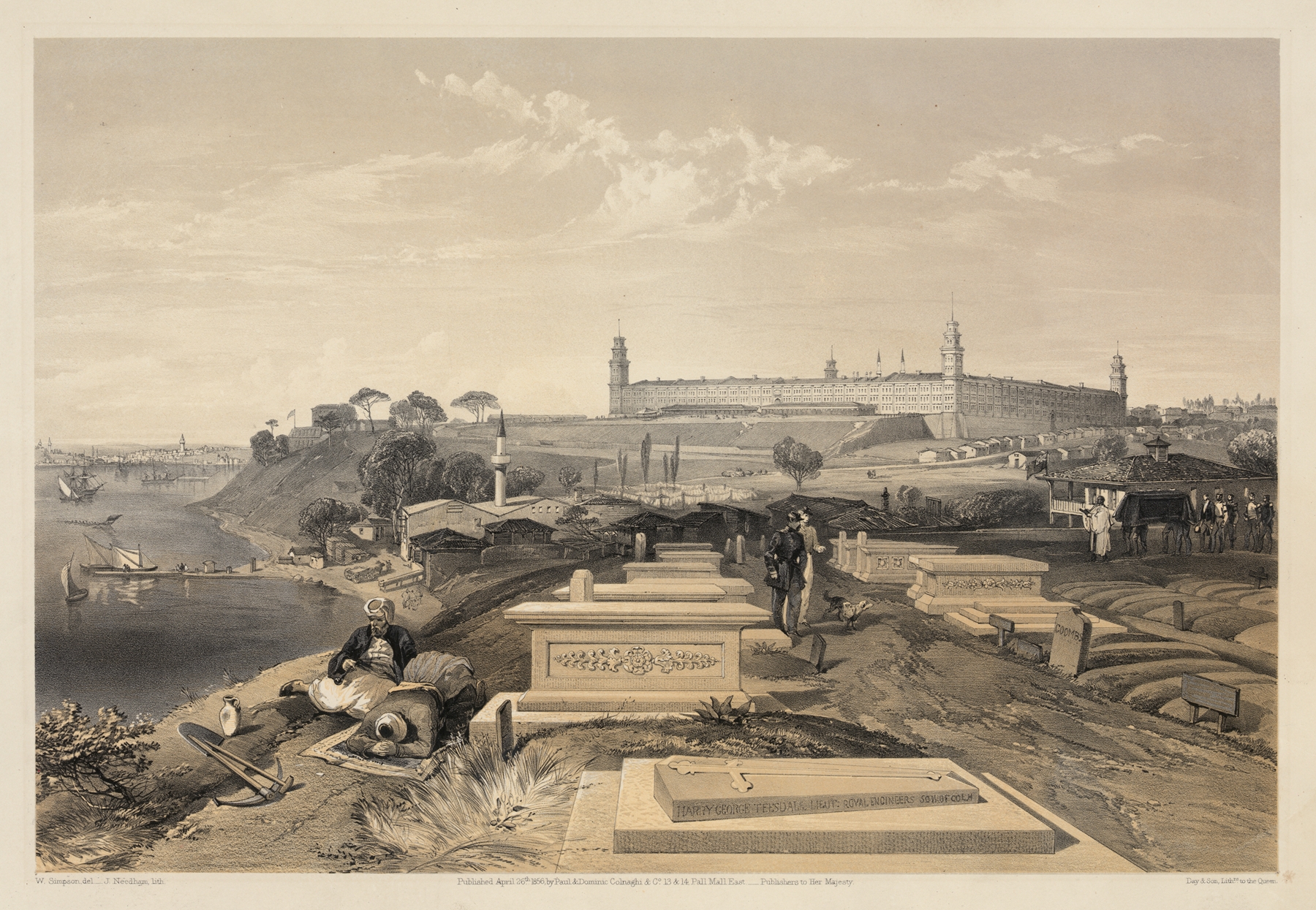
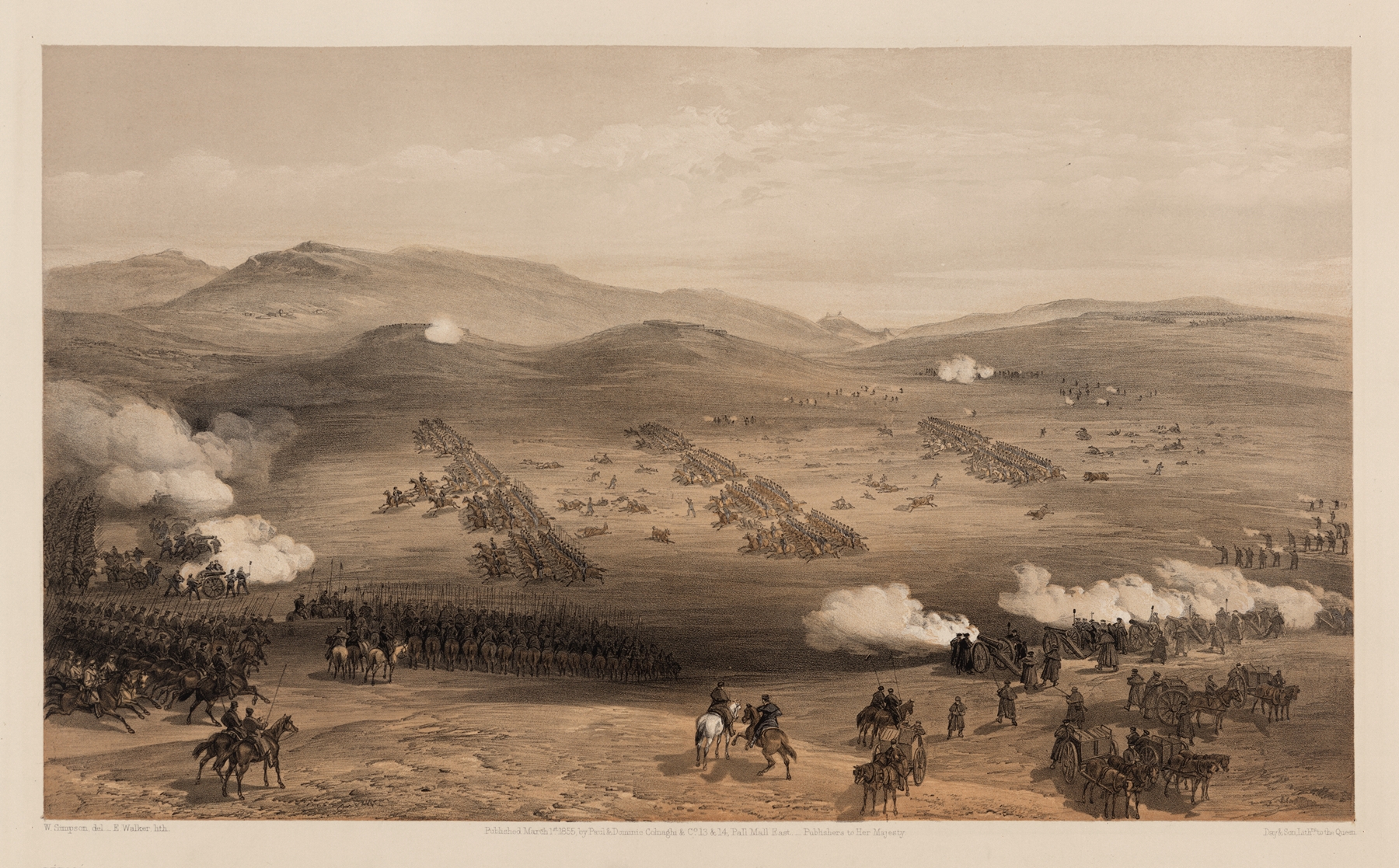
What if silence could speak through light? In the stillness of a moment captured on canvas, fragility takes on a haunting form, echoing the sorrow and resilience of the human spirit. Look to the left at the stark, white tents gathered like clustered pearls against a muted backdrop. The gentle fade from somber earth tones to the ethereal blue sky draws your eye upward, where just beyond the horizon, the cemetery stands solemnly. The artist’s careful brushwork reveals the texture of the tents, juxtaposing the delicate fabric with the heavy weight of grief embodied in the gravestones. Notice how the play of light creates a stark contrast between the living space of the hospital and the resting place of the deceased, emphasizing the thin boundary between life and death. As you delve deeper, consider the emotional interplay of hope and despair evident in the scene. The hospital tent symbolizes a fragile lifeline amid chaos, while the cemetery serves as a stark reminder of mortality—each grave a somber testament to lives sacrificed. This duality invites reflection on war and its impact not only on soldiers but also on the fabric of society. The distant horizon hints at the promise of recovery, yet it is overshadowed by the ever-present specter of loss. During 1855, in the midst of the Crimean War, the artist found himself in Scutari, observing the dire conditions faced by soldiers. While the world was grappling with the turmoil of conflict, *William Simpson* sought to document the realities of war, merging reportage with artistry. His commitment to capturing the fragility of life amidst suffering marked a significant contribution to war art during this tumultuous period.