Houses at Teddington on the Thames — History & Analysis
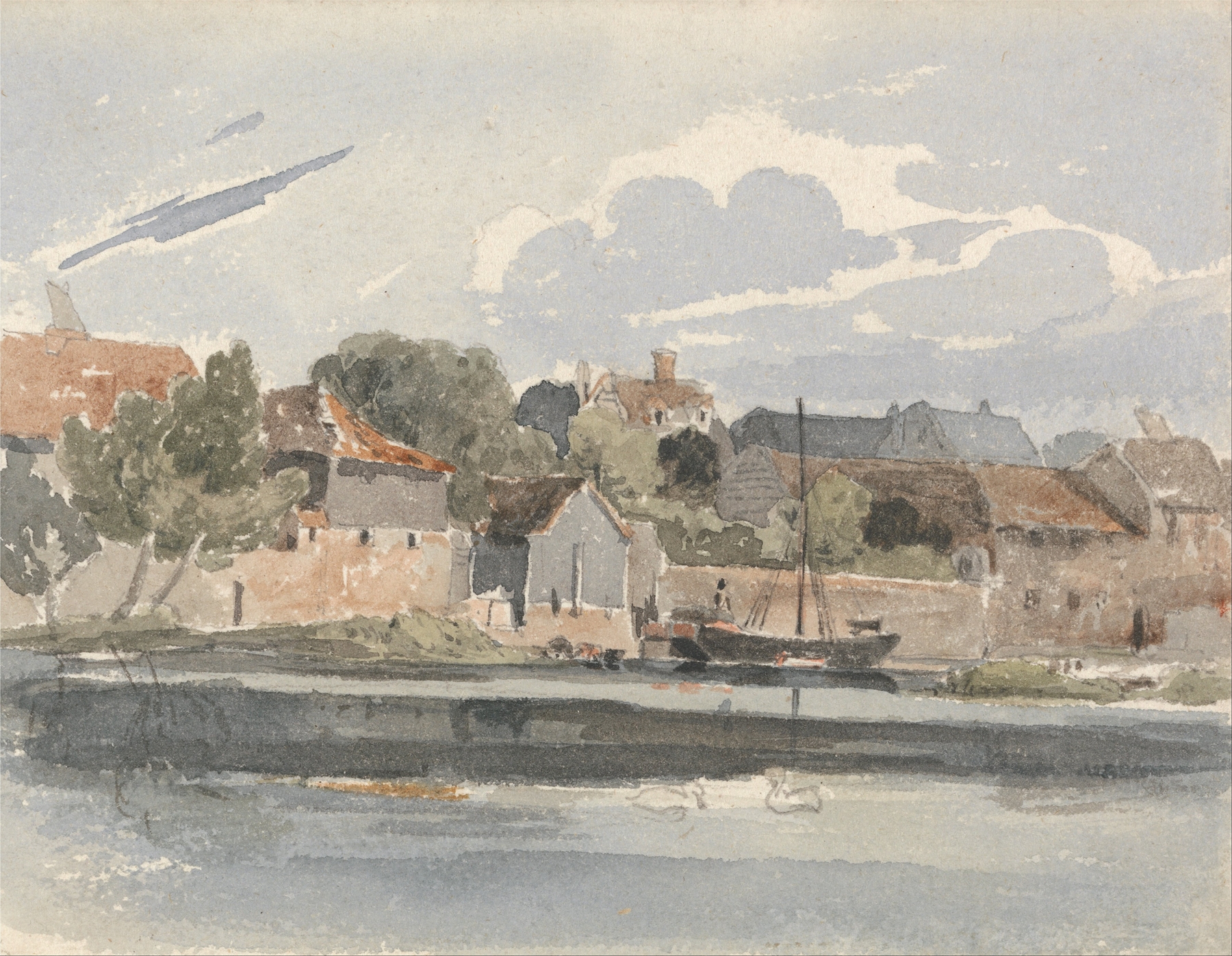
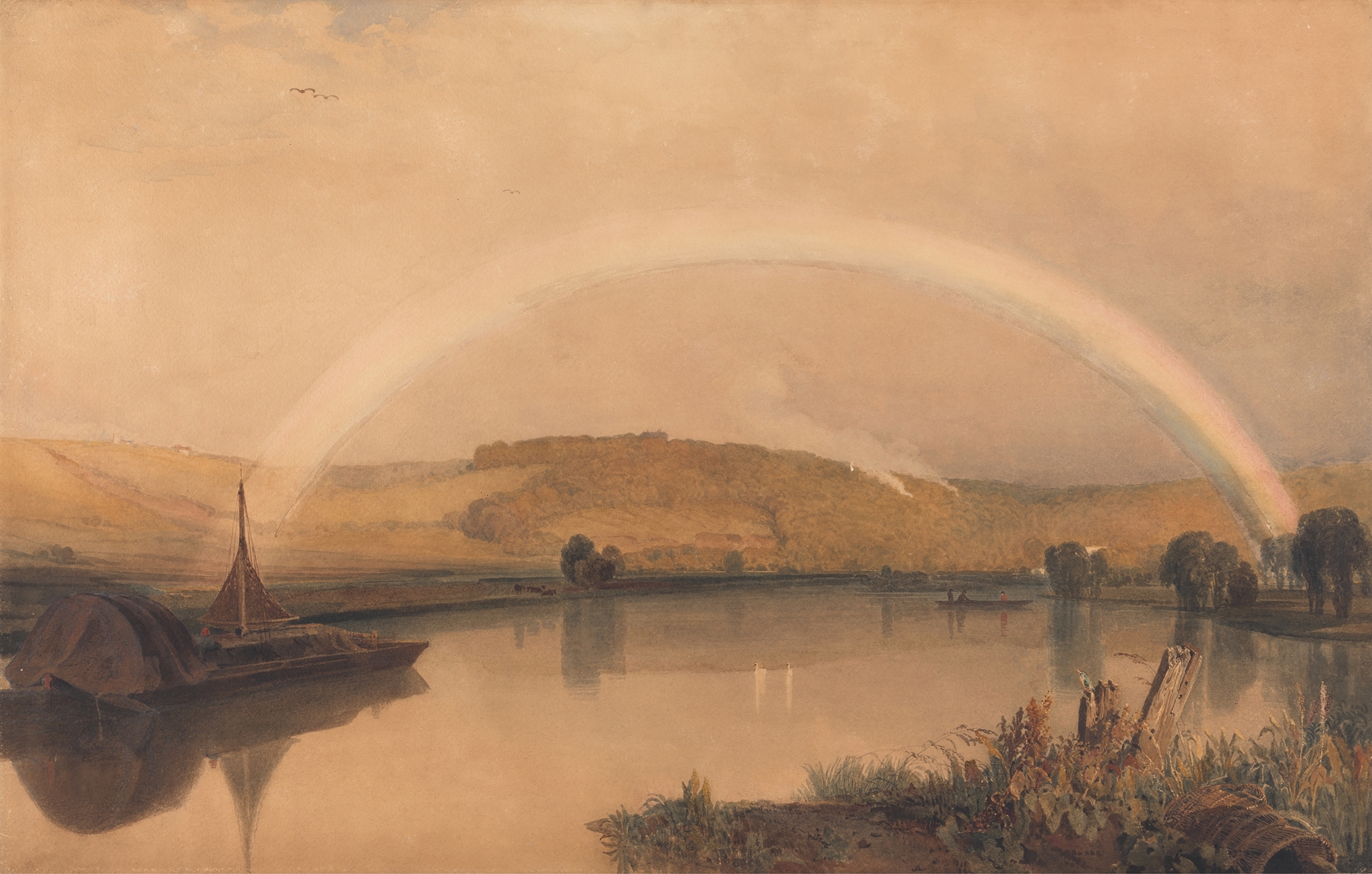
Could a single brushstroke hold eternity? In Houses at Teddington on the Thames, the delicate interplay of nature and architecture evokes the fragility of human existence against the vastness of the world. Look to the center of the canvas, where the charming cottages stand resolutely, their facades bathed in soft morning light. Notice how the artist employs a muted palette, blending gentle blues and greens that create a serene atmosphere, inviting the viewer to linger. The brushstrokes are loose yet intentional, conveying a sense of movement in the rippling waters of the Thames that reflect the sky's shifting hues.
This harmony between land and water serves as a reminder of the transience of life. Here lies a poignant contrast between the sturdy homes and their ephemeral surroundings. The cottages, steadfast and warm, exude a sense of comfort, yet the reflections in the water suggest a fleeting beauty, ever-changing and elusive. The wispy clouds above hint at the passage of time, while the tranquil river flows silently, capturing moments that slip away unnoticed.
Each detail in the foliage and architecture invites introspection, compelling viewers to ponder their own place within the cycle of life. During the early 19th century, while Peter DeWint was painting, England underwent a transition marked by industrialization and urban expansion. Living in London, he sought to capture the charm of rural landscapes and the emotional resonance of ordinary scenes. His work during this period reflects a deep appreciation for nature, serving as a counterpoint to the rapid changes occurring in society.