II. Donaugegend — History & Analysis
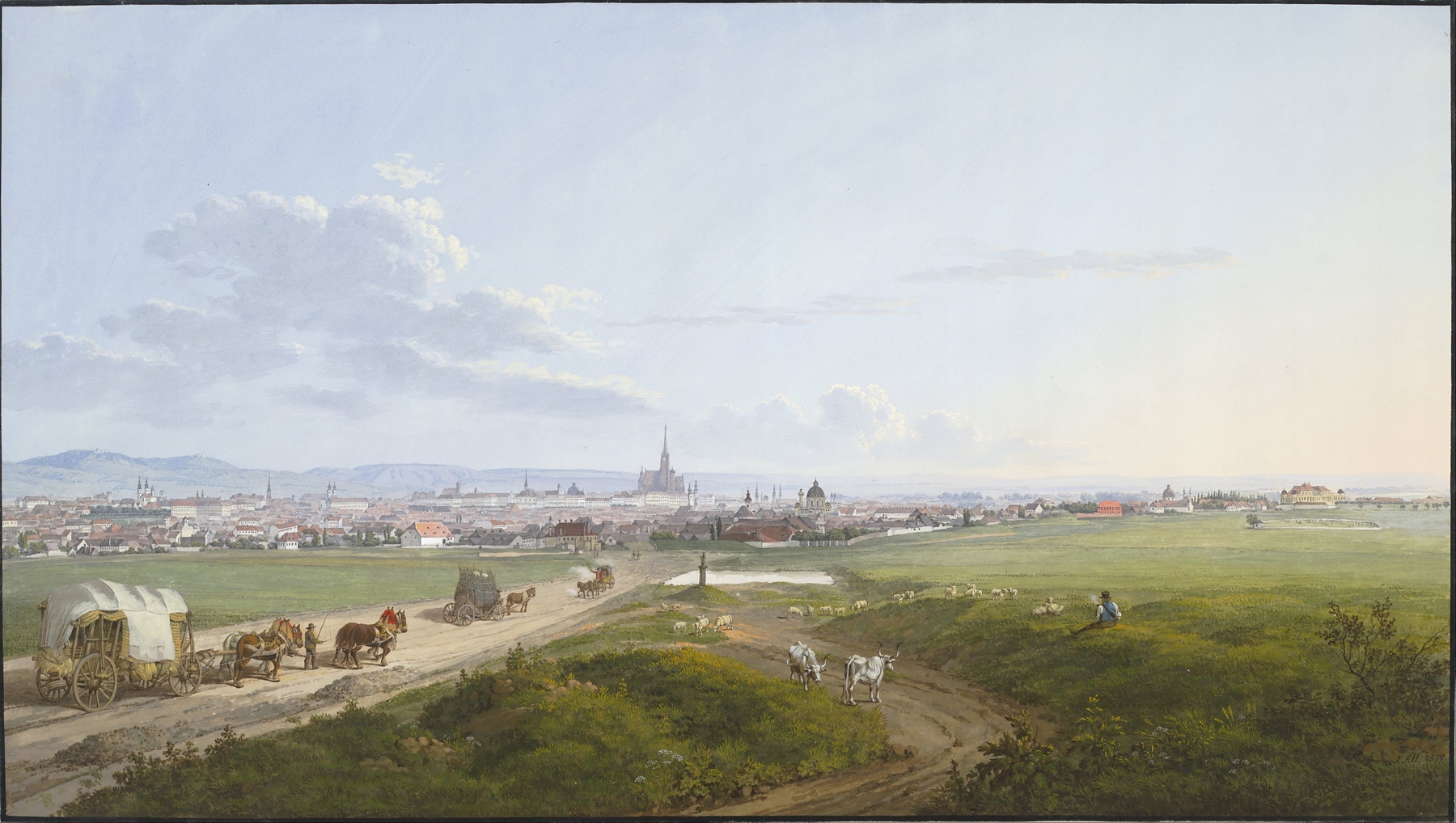
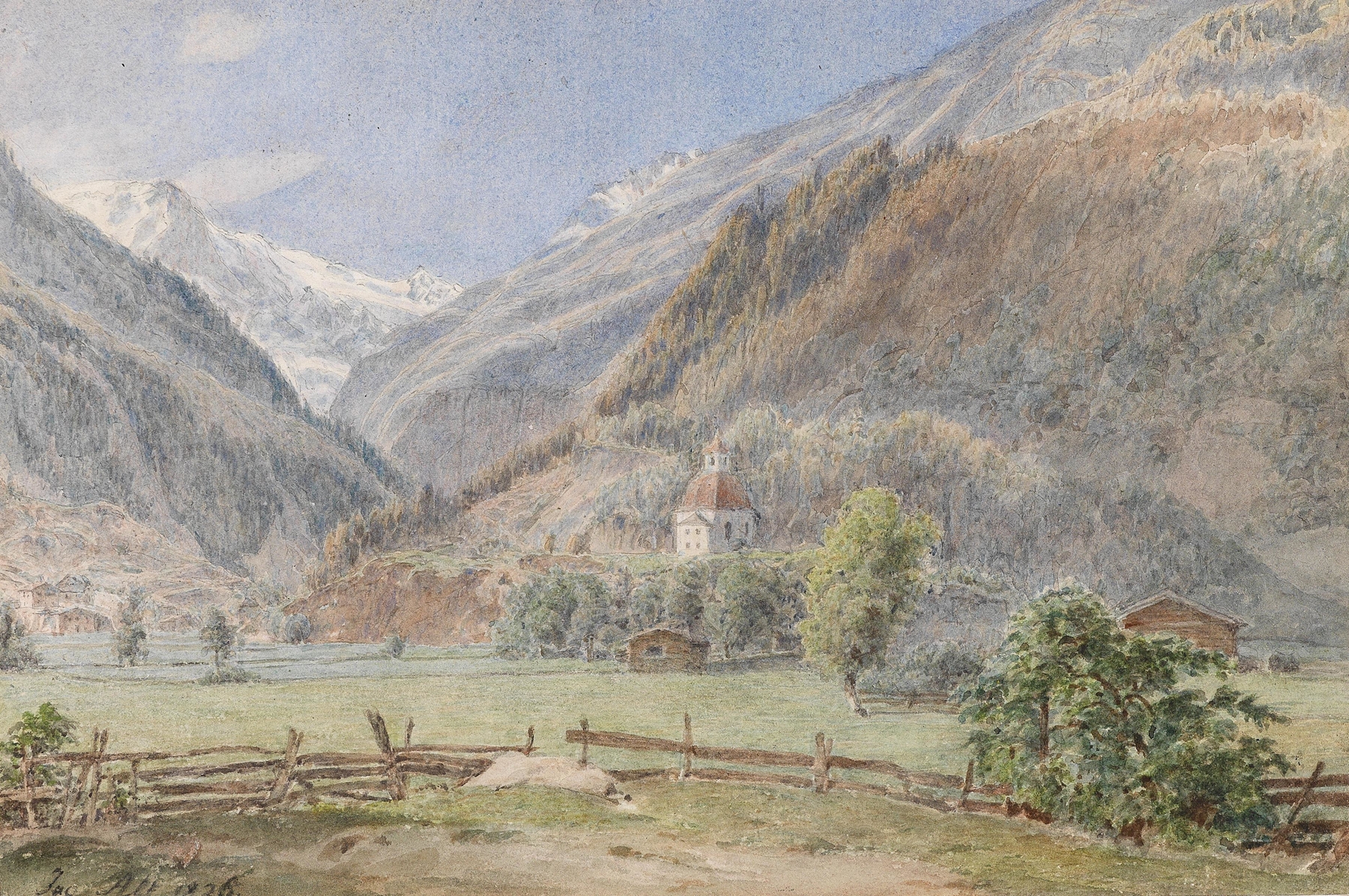
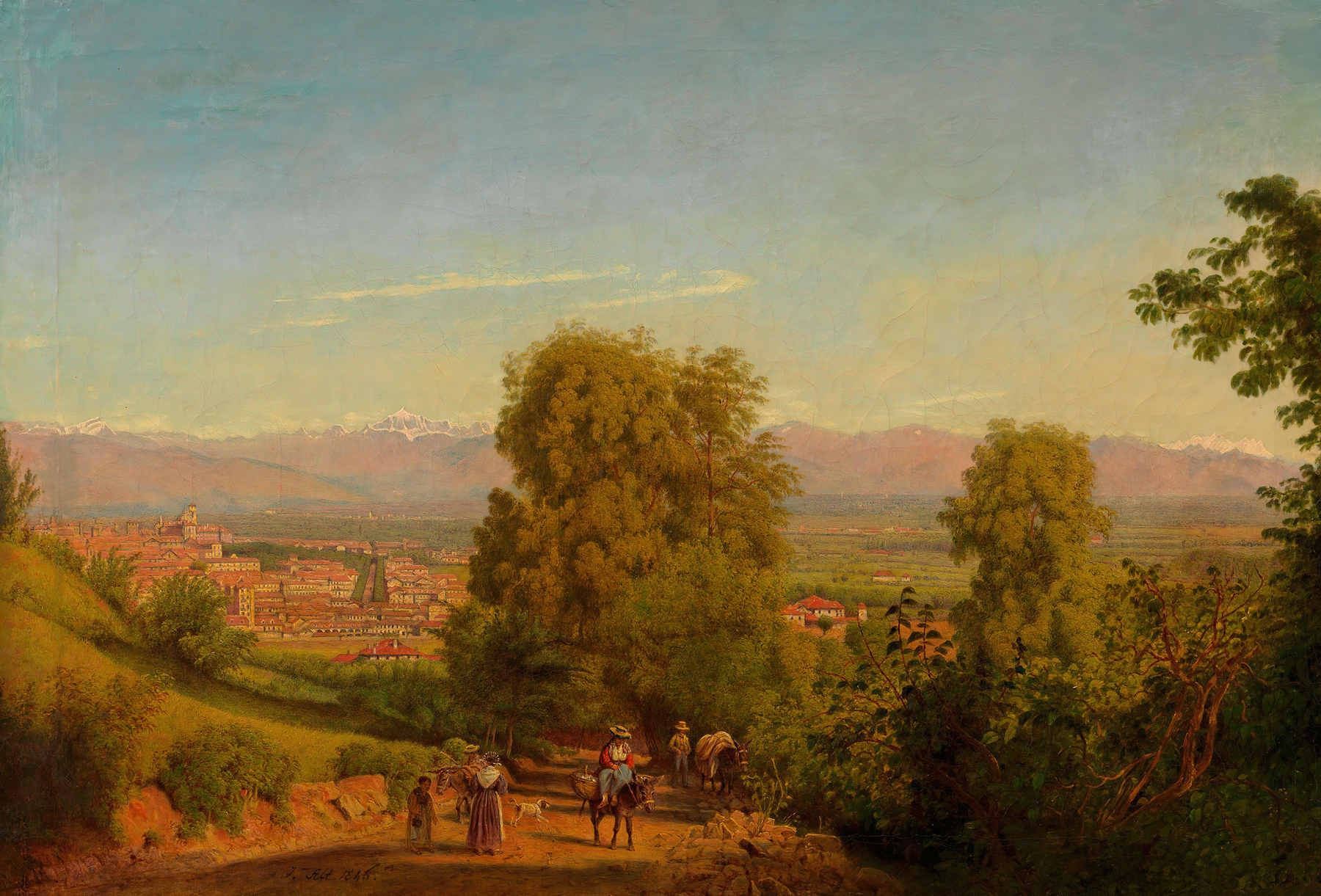
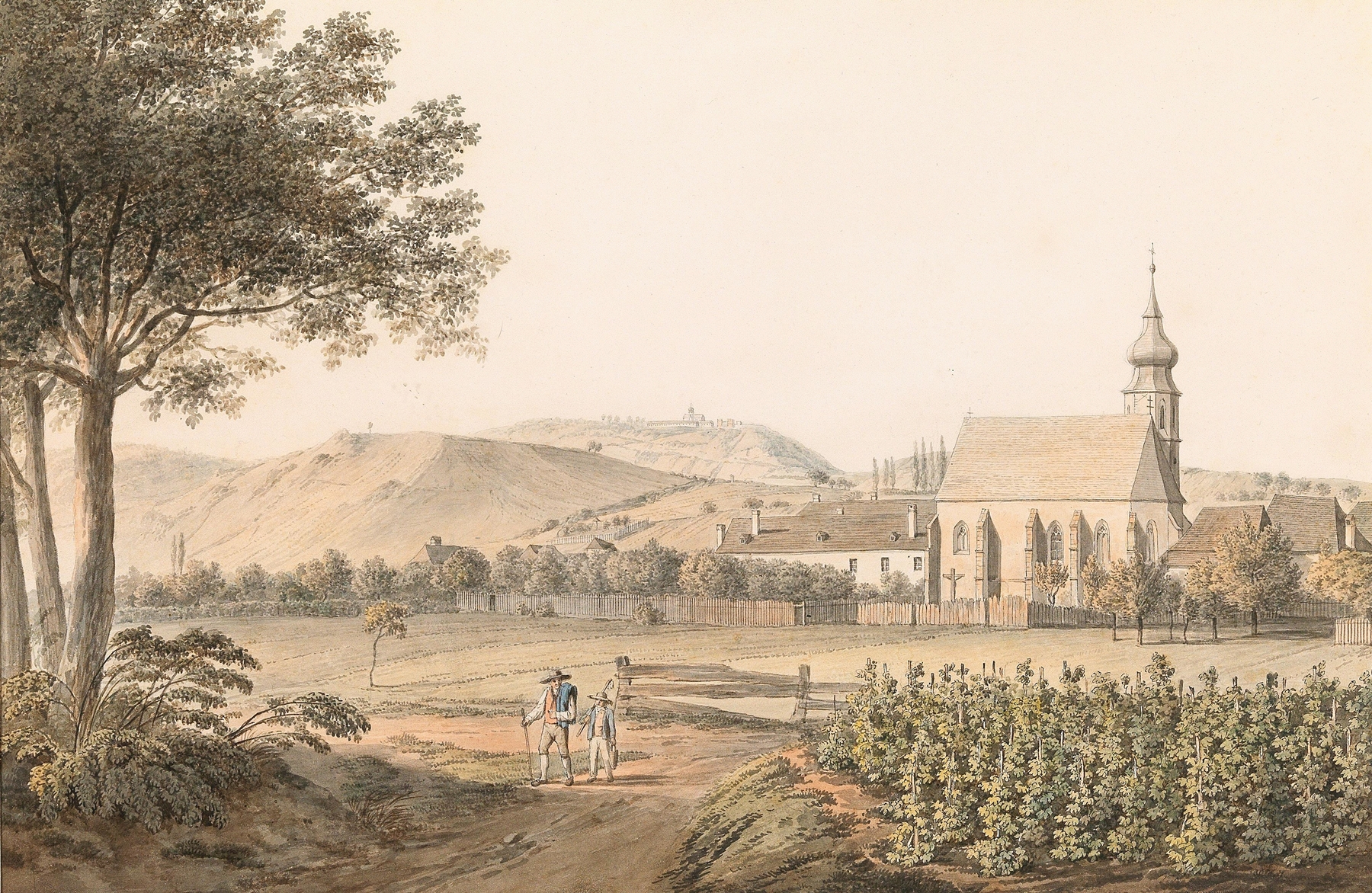
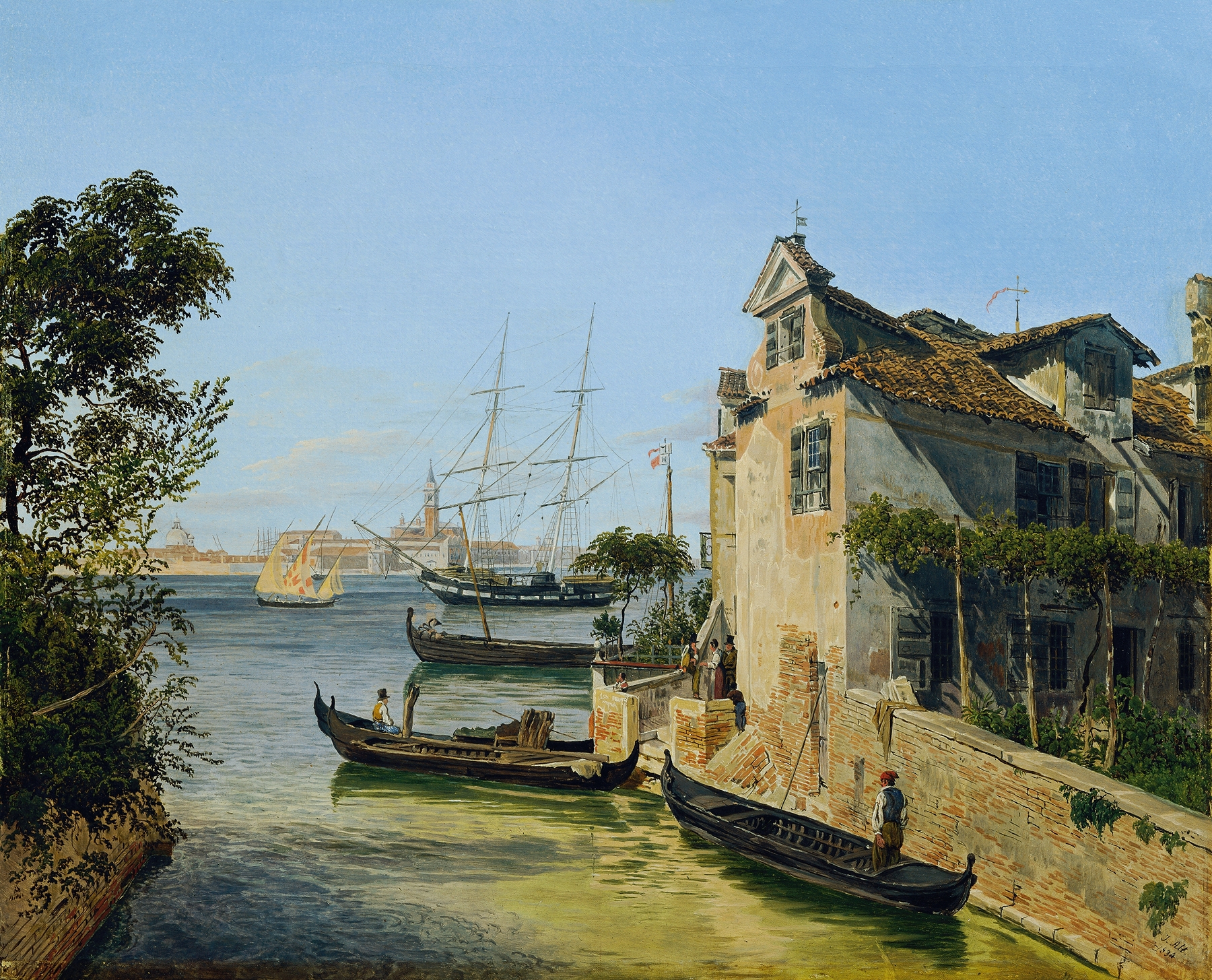
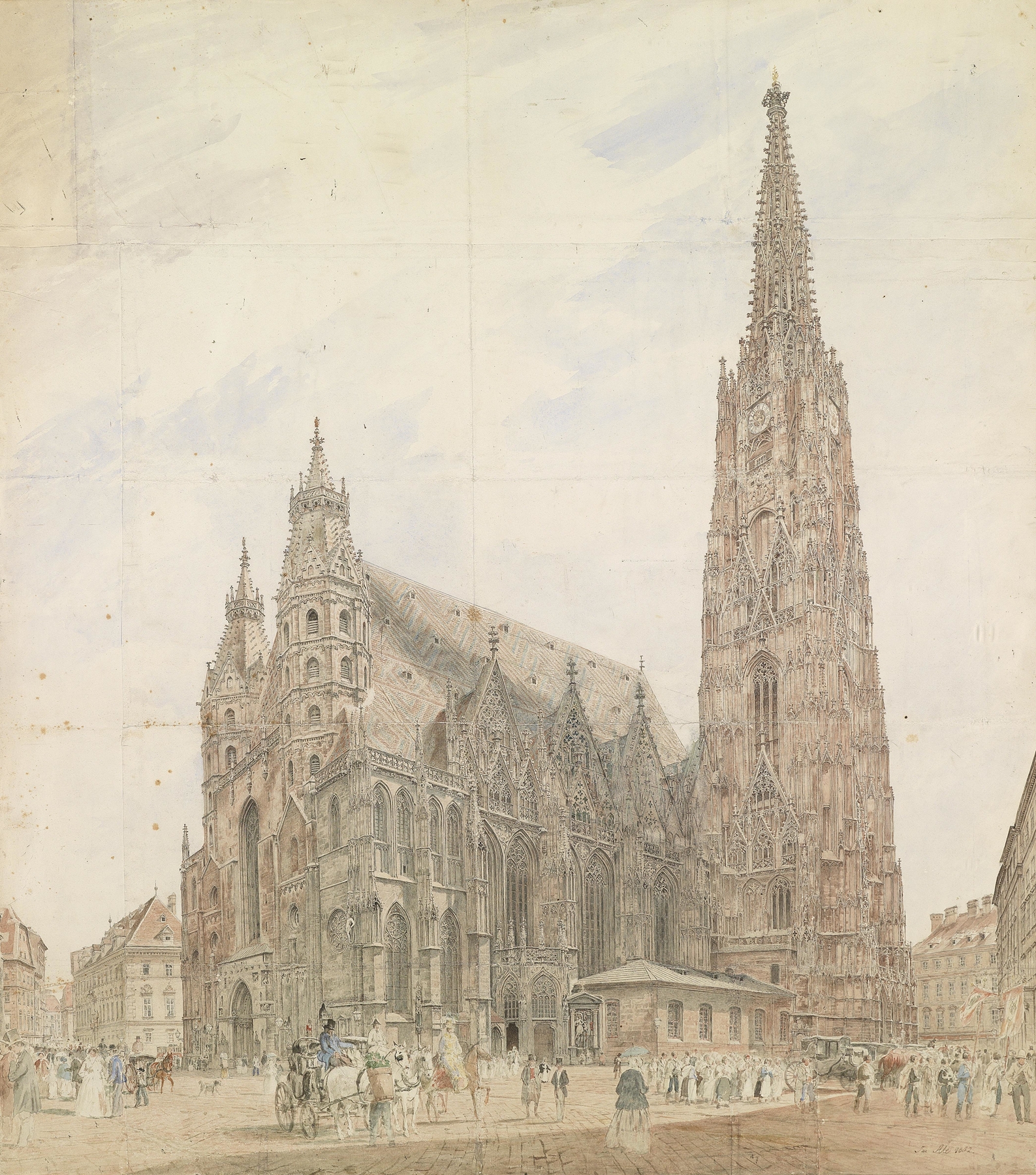
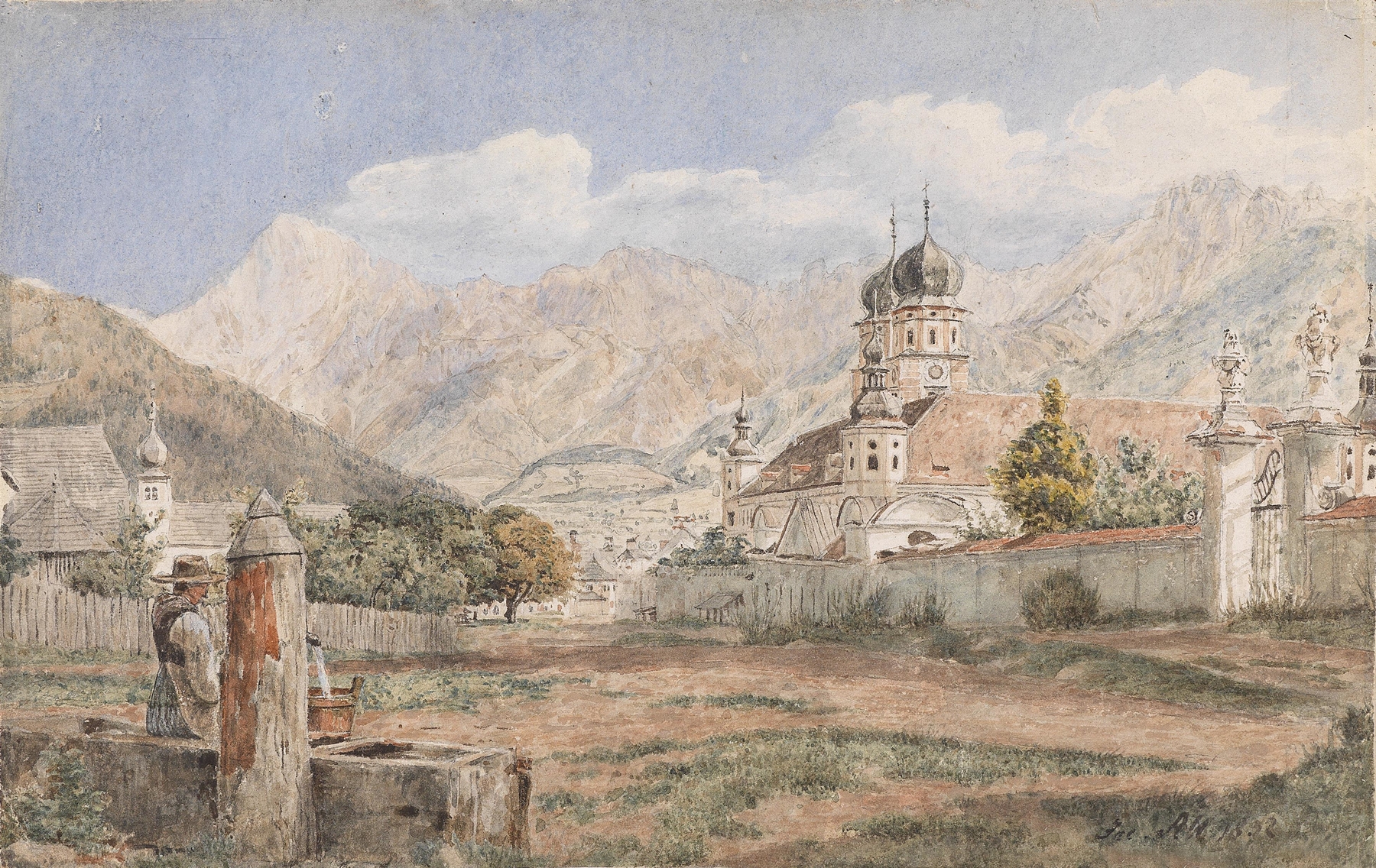
Where does light end, and longing begin? In the gentle sweep of hues and the embrace of landscape, memory intertwines with the essence of creation. Look to the horizon, where the delicate blend of greens and blues draws your gaze toward the river that meanders through a dreamlike valley. Notice how the sunlight dances on the water’s surface, shimmering with a life of its own, while the mountains loom in the distance, rendered with a soft, almost ethereal clarity.
The composition invites tranquility, as the dynamic interplay of light and shadow reveals layers of depth; each brushstroke whispers secrets of the past. Within this serene panorama lies a profound tension between the idyllic and the melancholic. The lush foreground, filled with vibrant flora, contrasts with the distant hills that suggest both a journey and an escape. This duality evokes a complex emotional landscape, where the beauty of nature coexists with a sense of nostalgia, inviting viewers to reflect on their own connections to the past.
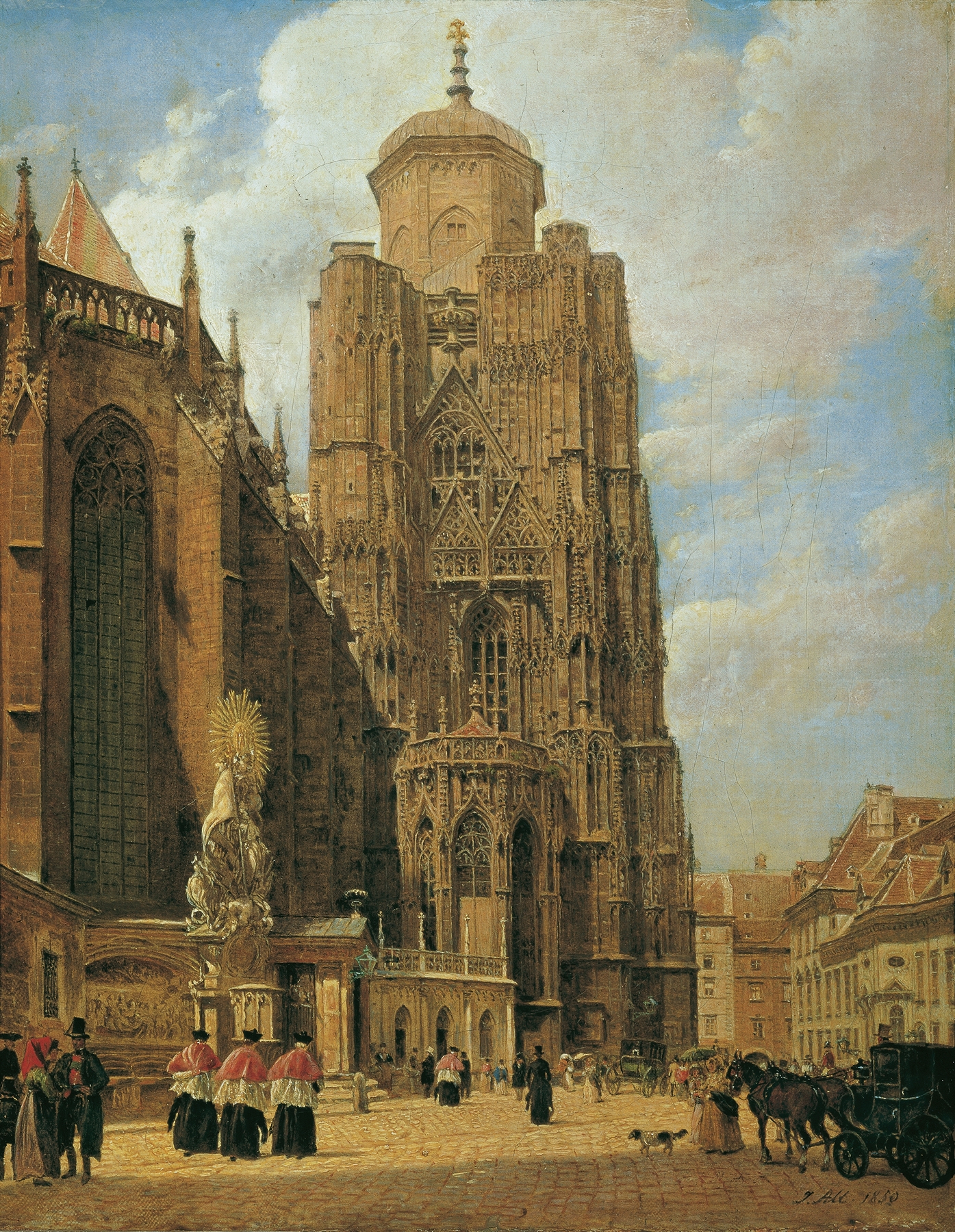
The painting resonates with a yearning that transcends time, capturing the essence of what it means to remember. In 1850, Jakob Alt created this evocative piece during his time in Vienna, a city thriving with artistic fervor and Romantic ideals. The mid-19th century was a period of great change in Europe, where artists began to explore deeper emotional expressions through landscape painting. This work places Alt firmly within that movement, as he sought to capture not just the exterior world, but the internal landscapes of memory and feeling.