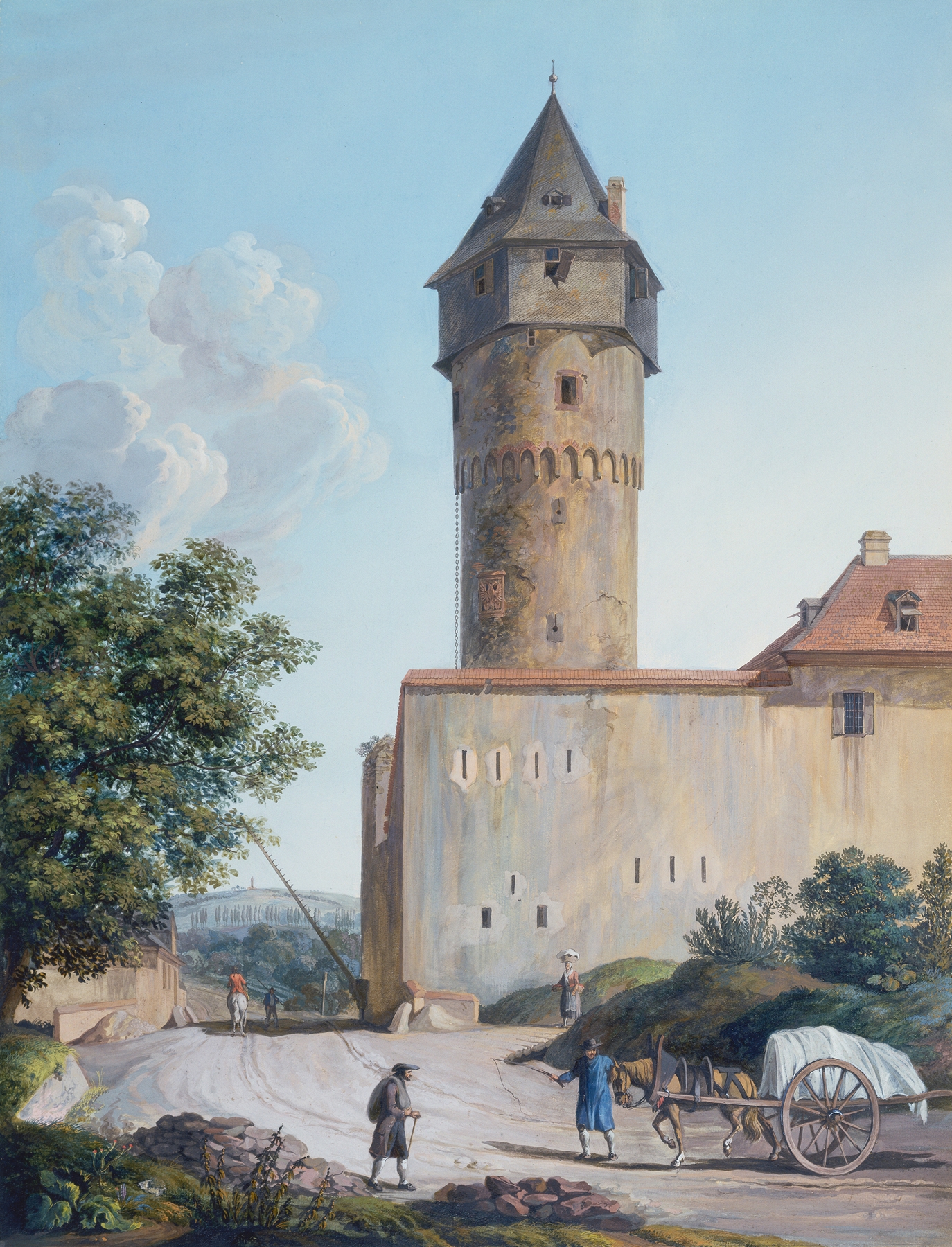
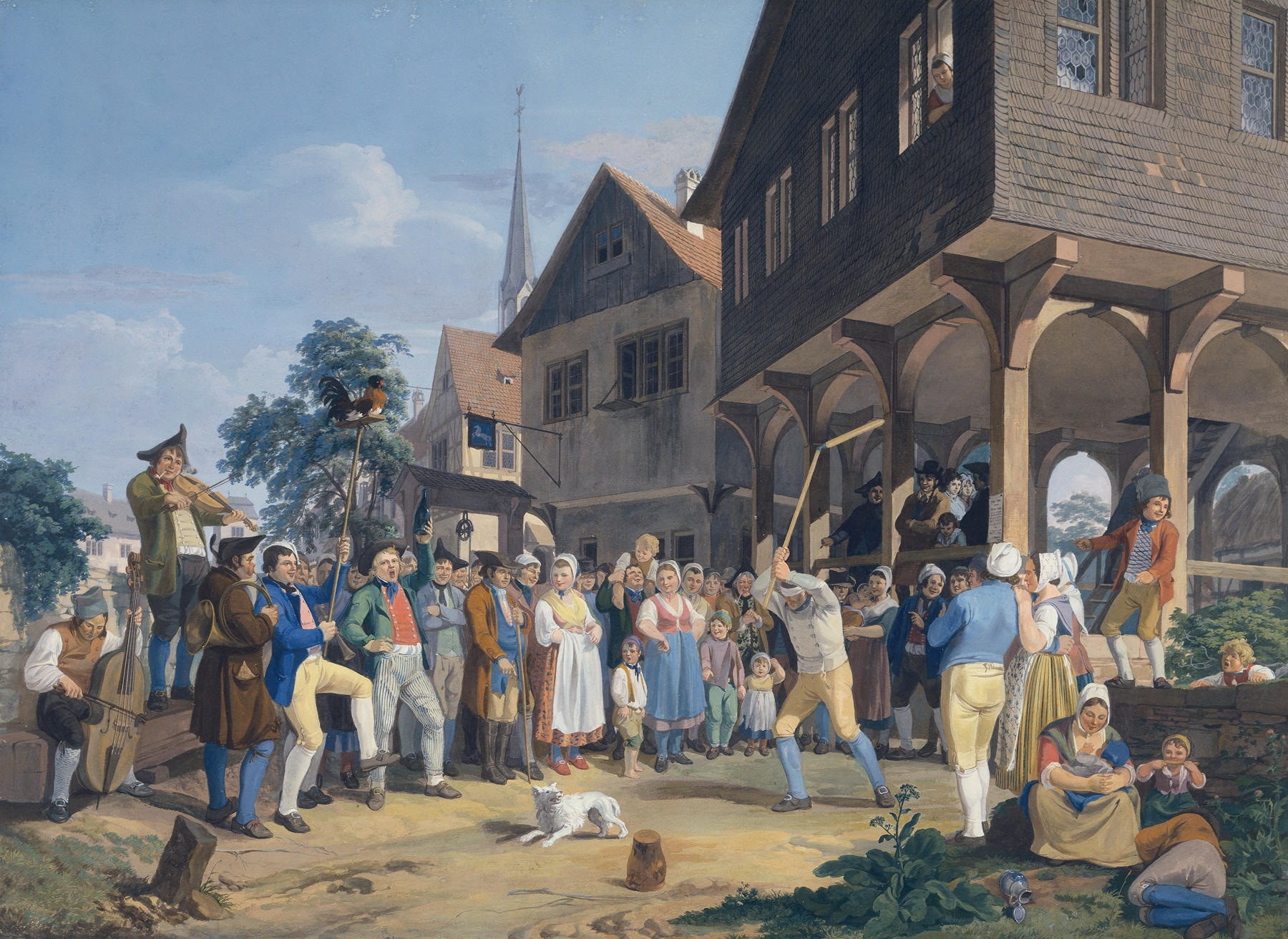
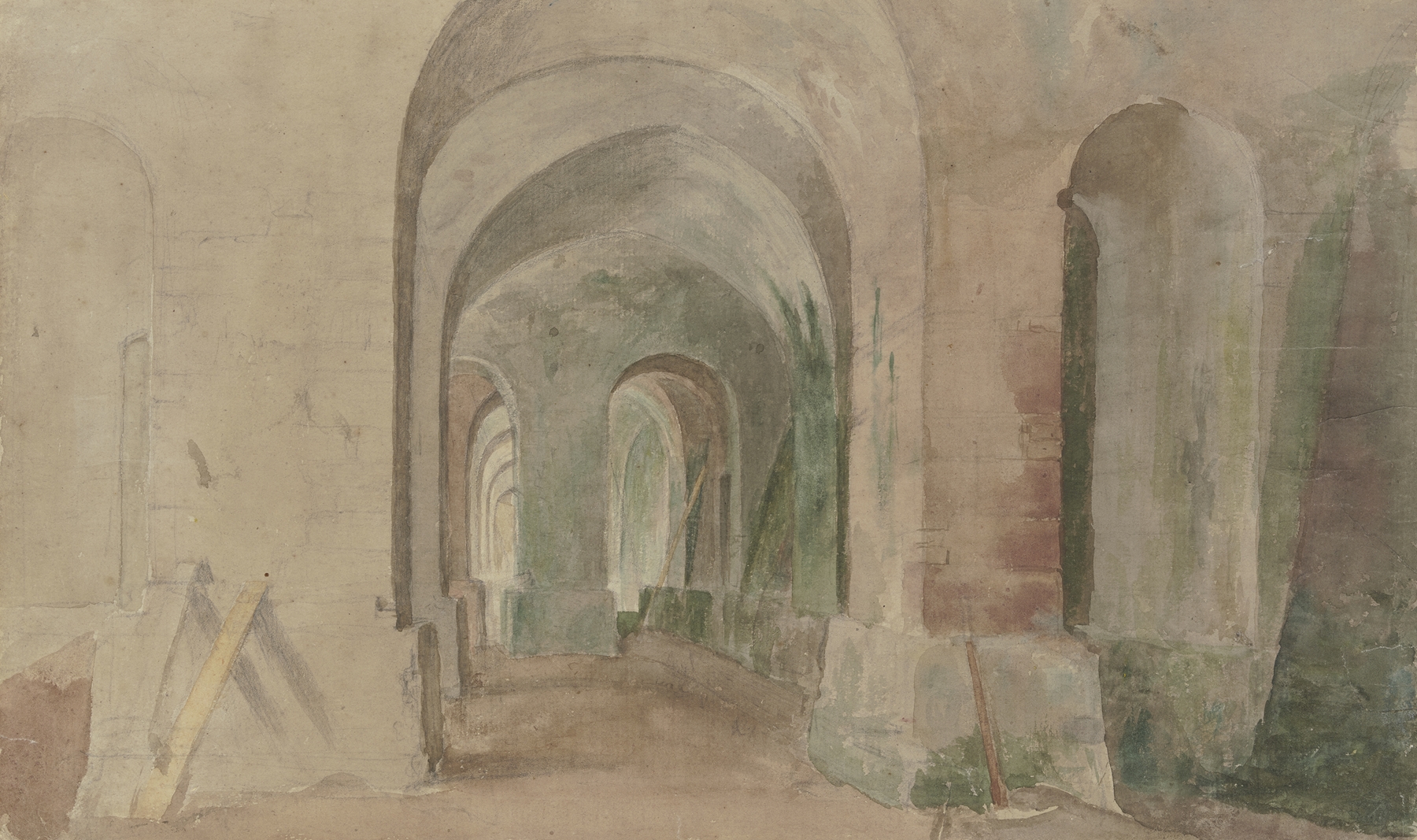
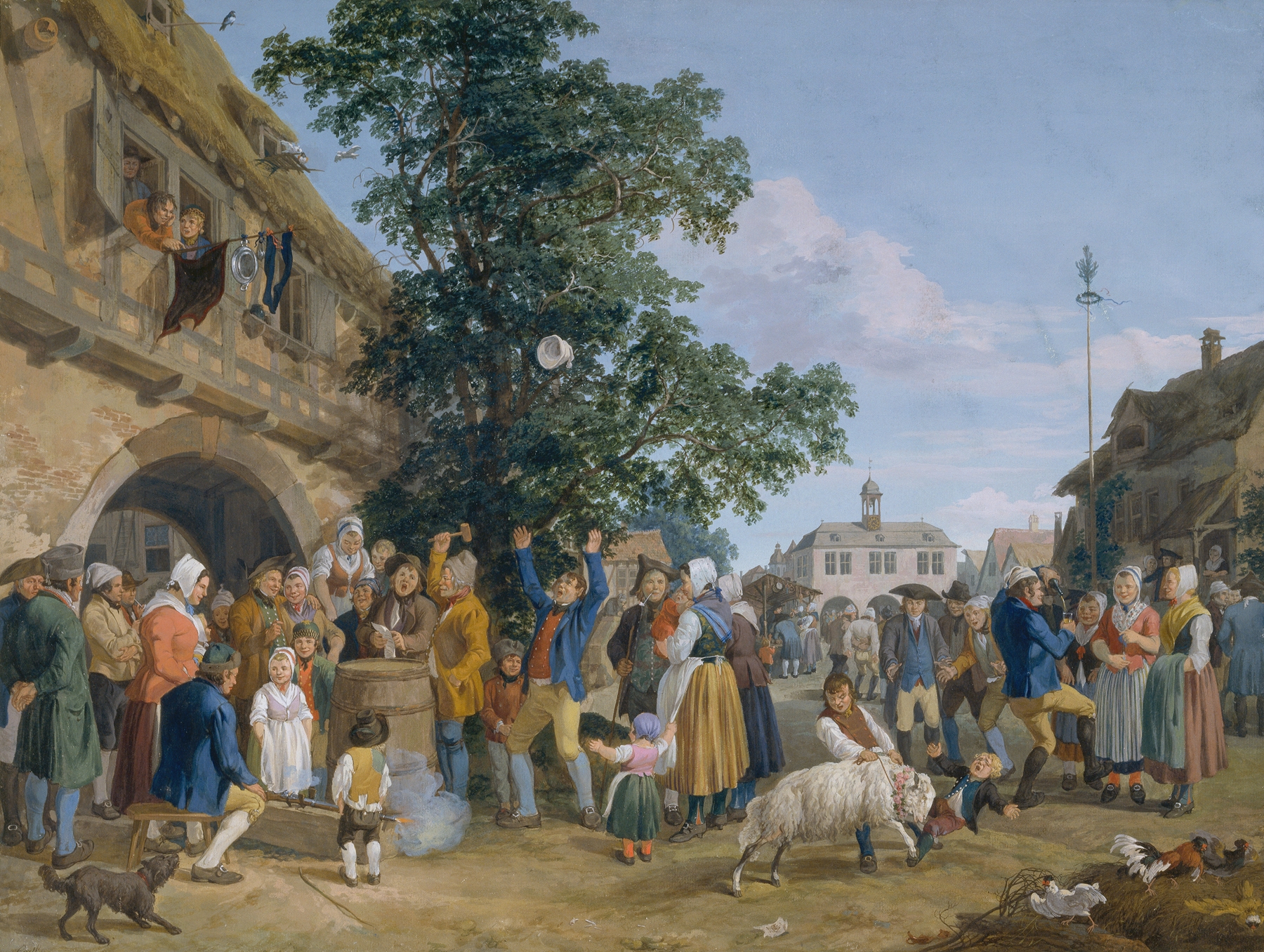
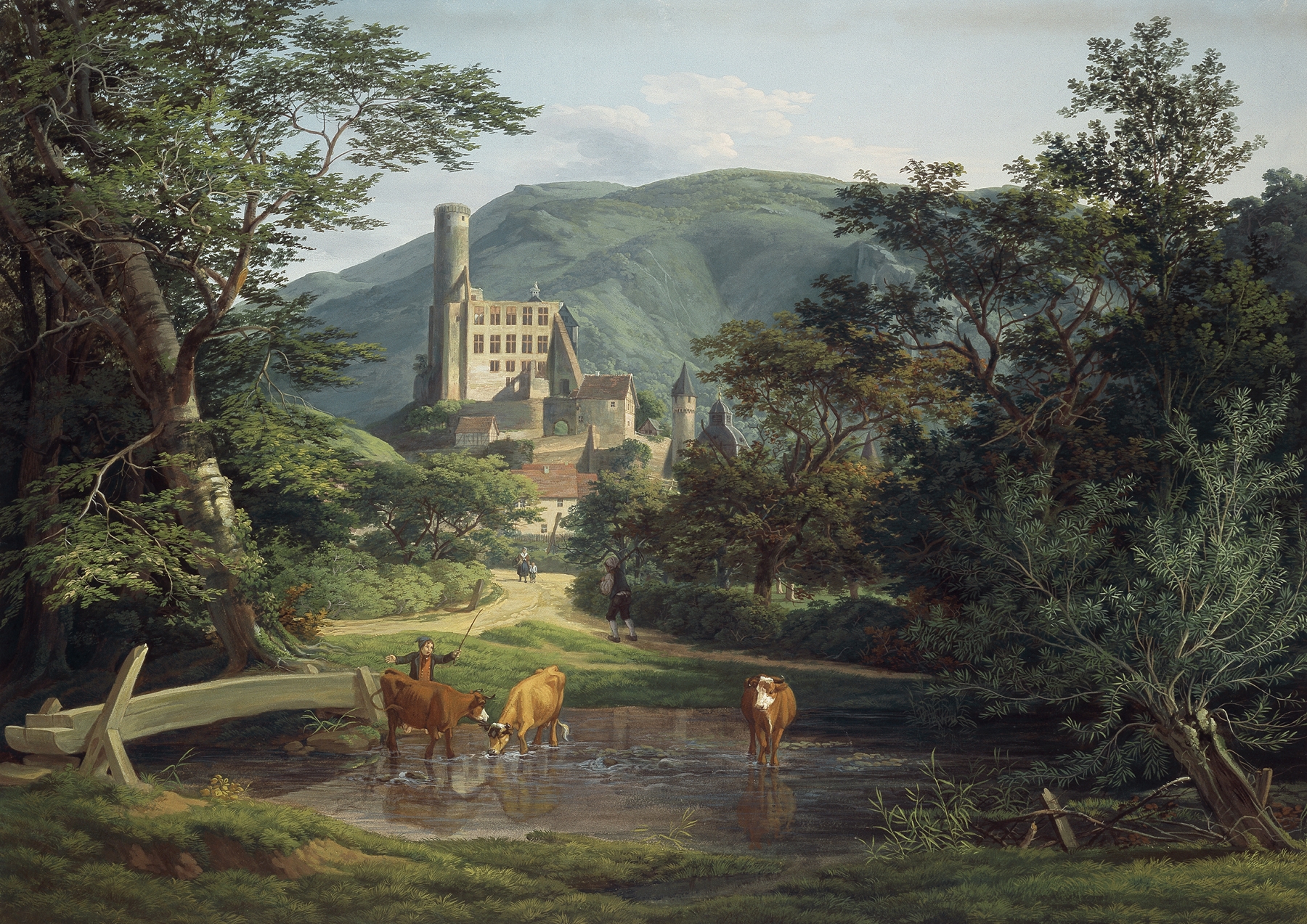
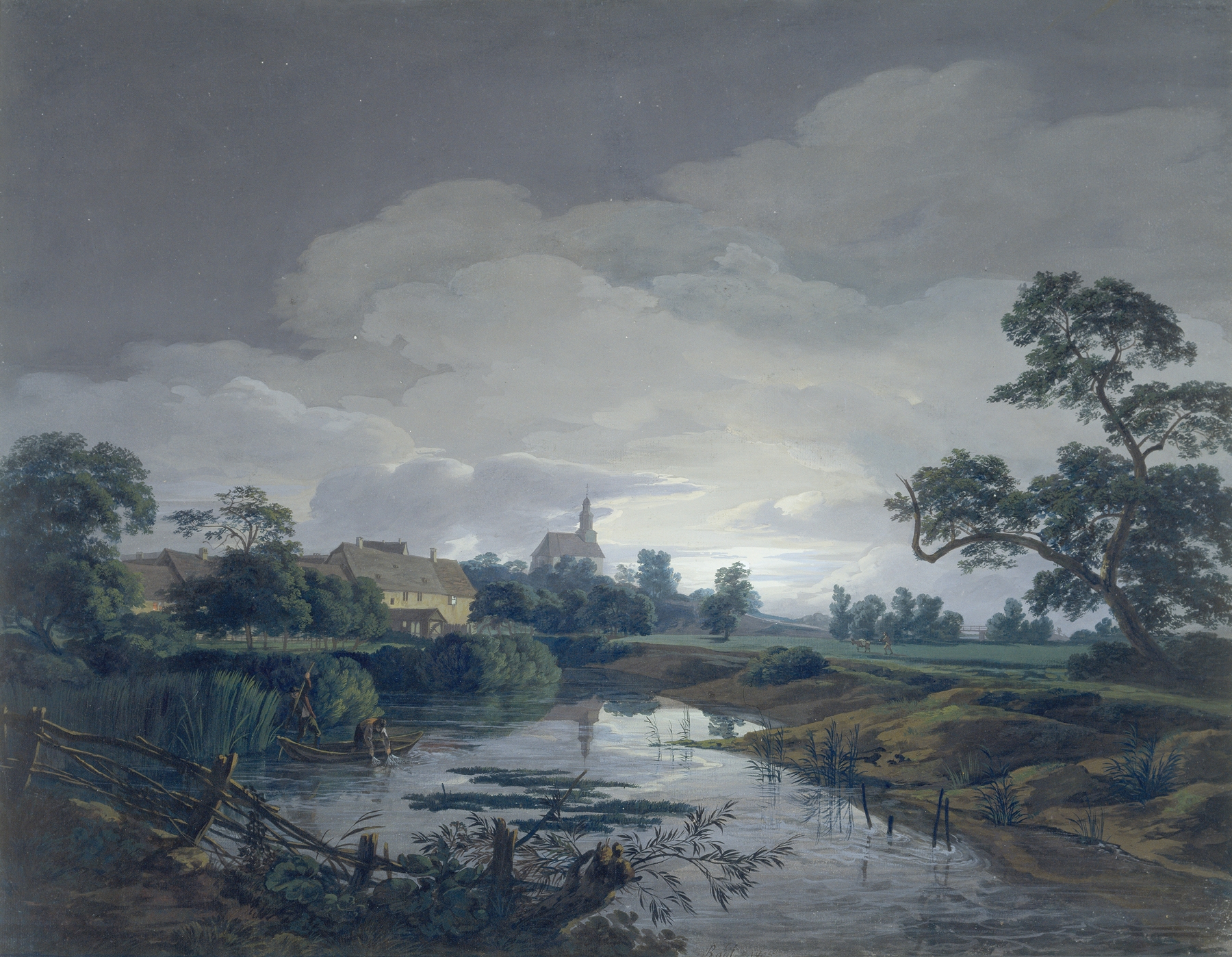
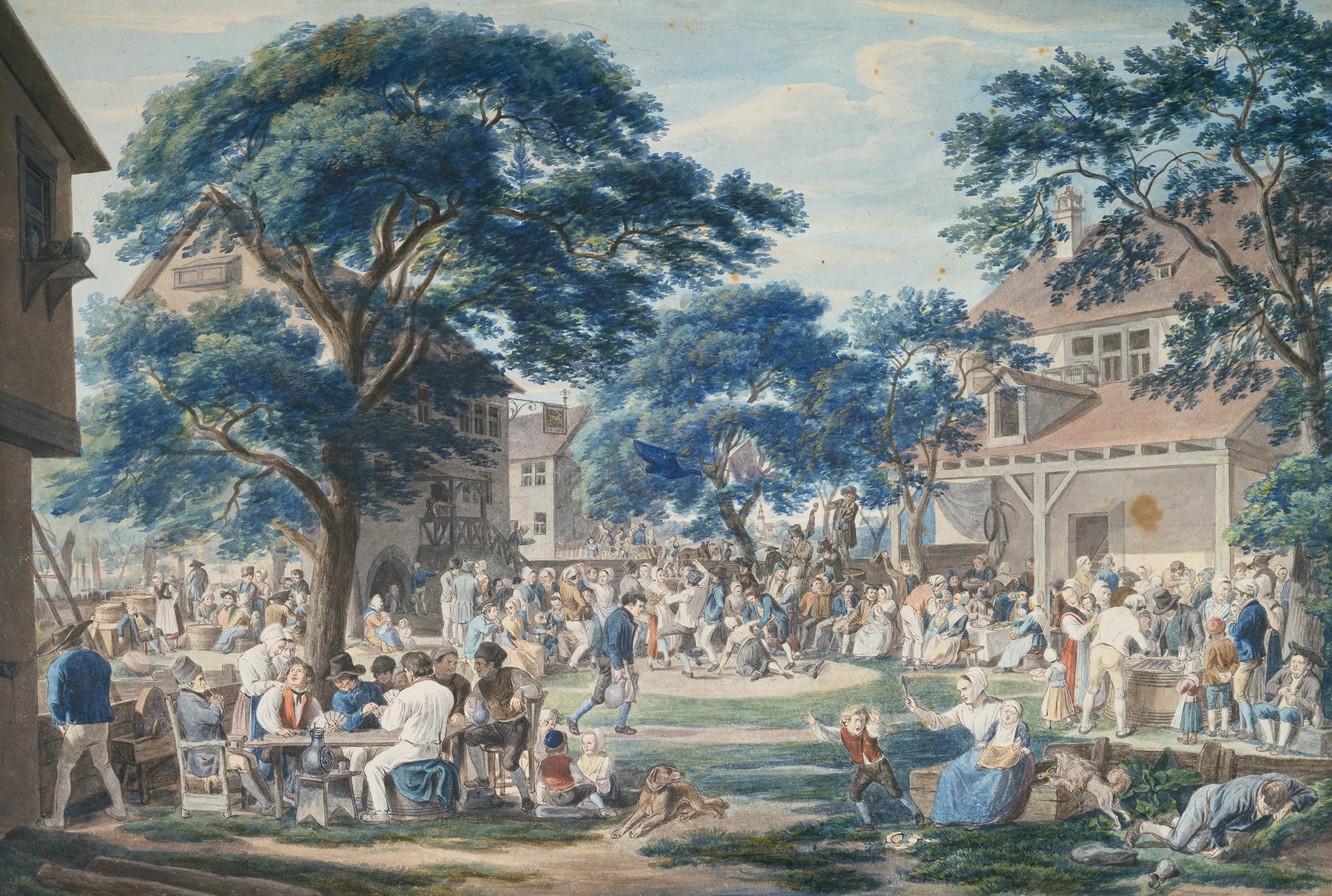
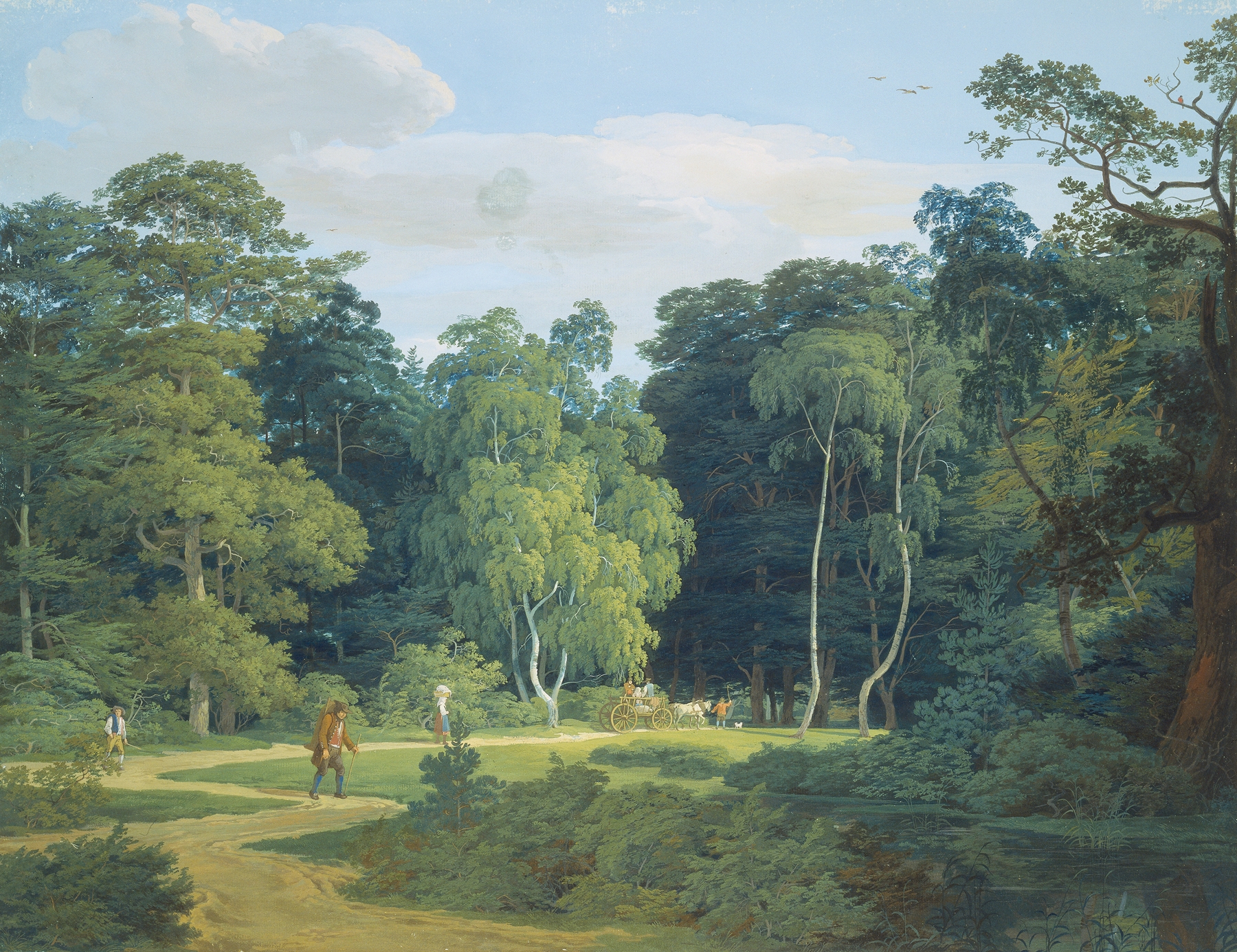
In einem Tal, das ein Bach durchströmt, mehrere zerstreute Häuser, auf dem Wege ein Fuhrwerk mit einem Schimmel, links eine Kuh mit einem Kalb — History & Analysis
What if beauty was never meant to be finished? In a tranquil valley, a sense of stillness hangs in the air, wrapping around the scattered houses like a delicate embrace, yet the underlying tension whispers of betrayal amid the pastoral serenity. Look to the foreground, where a white horse pulls a cart along a winding path, its powerful form contrasting against the gentle, muted colors of the landscape. The slight gleam of the sun's rays caresses the contours of the buildings, casting long shadows that play tricks on the viewer's perception of space.
Notice how the artist captures the texture of the earth, the soft strokes of green grass, and the shimmering reflection of light on the nearby stream, inviting you deeper into this idyllic scene and revealing layers of life beneath the calm. Yet, there is an unsettling duality in this picturesque tableau. The cow and its calf stand to the left, seemingly innocent and serene, but their presence hints at vulnerability within this seemingly perfect world. The scattered houses offer shelter, yet their isolation speaks of loneliness and separation.
This harmony is tinged with an air of fragility, suggesting that beauty might conceal deeper emotional complexities, like the hidden betrayals that can lurk even in the most serene of settings. In 1809, while creating this piece, the artist was emerging within a context of burgeoning Romanticism, a movement that sought to embrace nature and express emotion. Living in Germany, Radl was surrounded by a society grappling with the impact of the Napoleonic Wars, a backdrop that infused his work with tension between tranquility and unrest. As artists began to explore more personal narratives, this painting reflects his investigation into the delicate interplay of beauty, isolation, and the emotions that lie beneath the surface.