Interior Of A Westphalian Cottage — History & Analysis
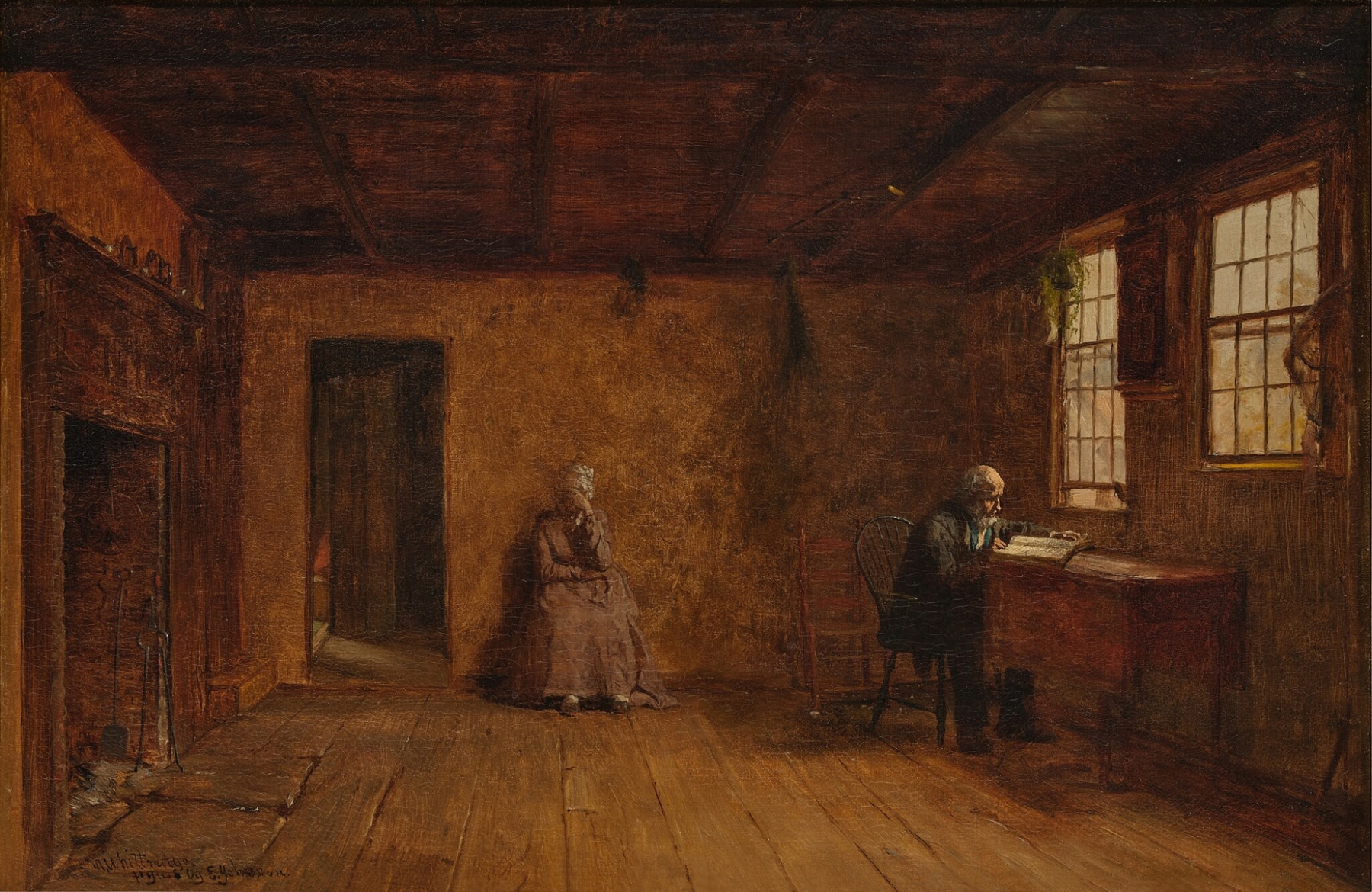
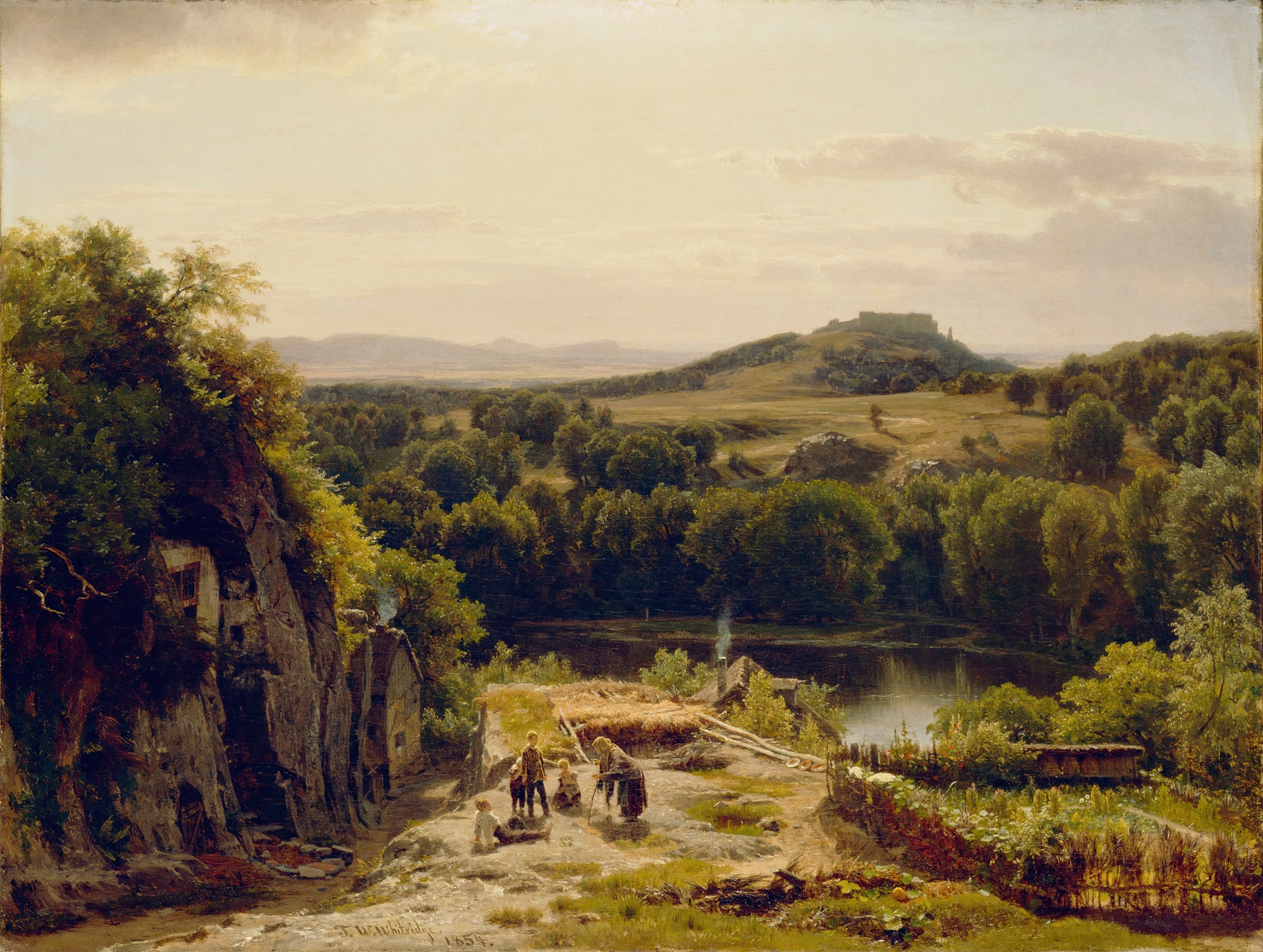
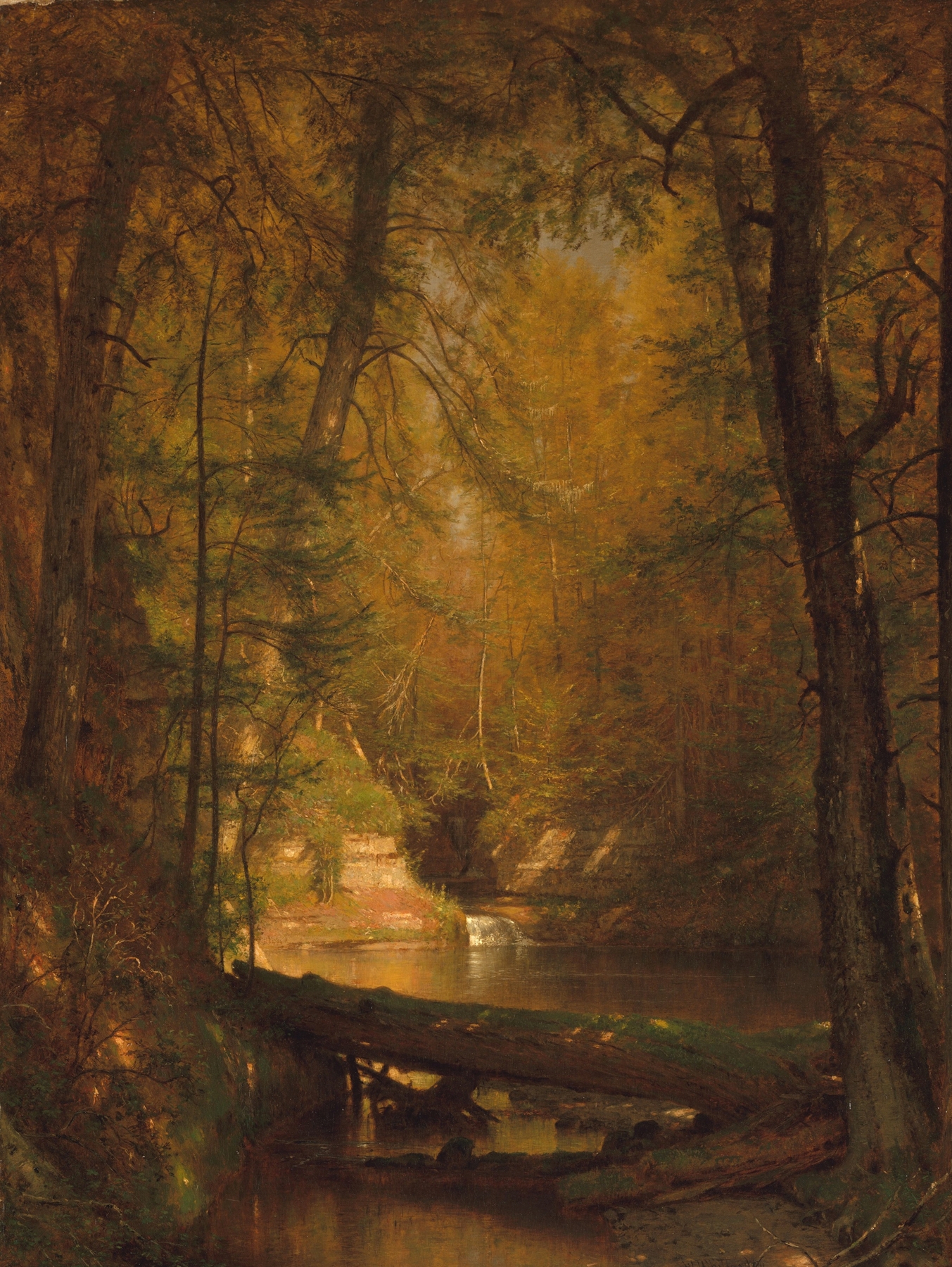
What secret hides in the quiet of the canvas? In the gentle embrace of light, an everyday moment becomes a portal to deeper truths, inviting us to pause and reflect. Look to the right at the sun-drenched window, where soft rays spill onto the rustic wooden floor, illuminating the timeworn furniture and casting delicate shadows. The muted palette—earthy browns, deep greens, and hints of gold—creates a serene atmosphere, inviting the viewer to step inside this cozy Westphalian cottage.
The composition draws the eye towards the heart of the room, where the interplay between light and shadow heightens the intimacy of the scene. Amidst the simplicity of domestic life, hidden layers of emotion emerge. The presence of the window suggests a connection to the outside world, a reminder of the life beyond these walls, while the stillness suggests a moment suspended in time—perhaps a fleeting sense of nostalgia or longing. Each object, from the modest furnishings to the unassuming decor, conveys a story of labor and care, underscoring the dignity of everyday existence.
In 1852, Worthington Whittredge painted this work during a time when the Hudson River School was gaining prominence, emphasizing the beauty of American landscapes and simple living. Whittredge, deeply influenced by his contemporaries, sought to capture the essence of rural life and the interplay of light that reveals both the physical and emotional landscapes of human experience. This painting reflects not only his artistic journey but also a broader cultural movement celebrating the American spirit.