Invernada del Ejercito Oriental — History & Analysis
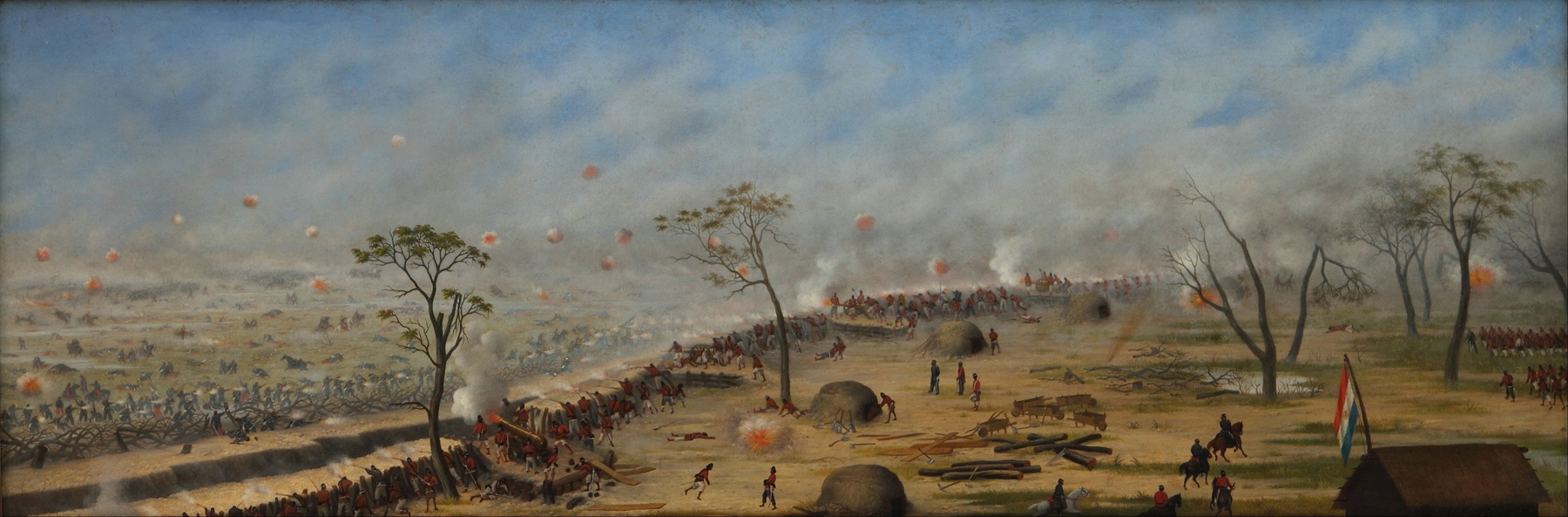
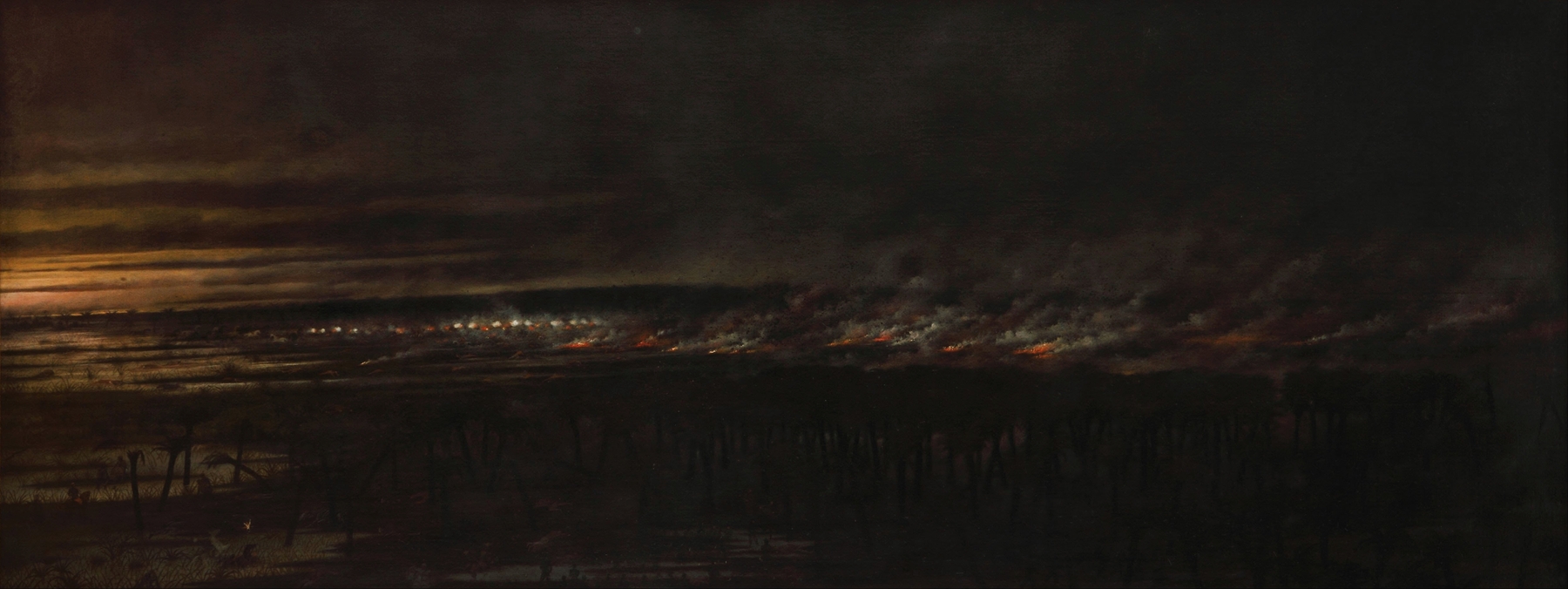
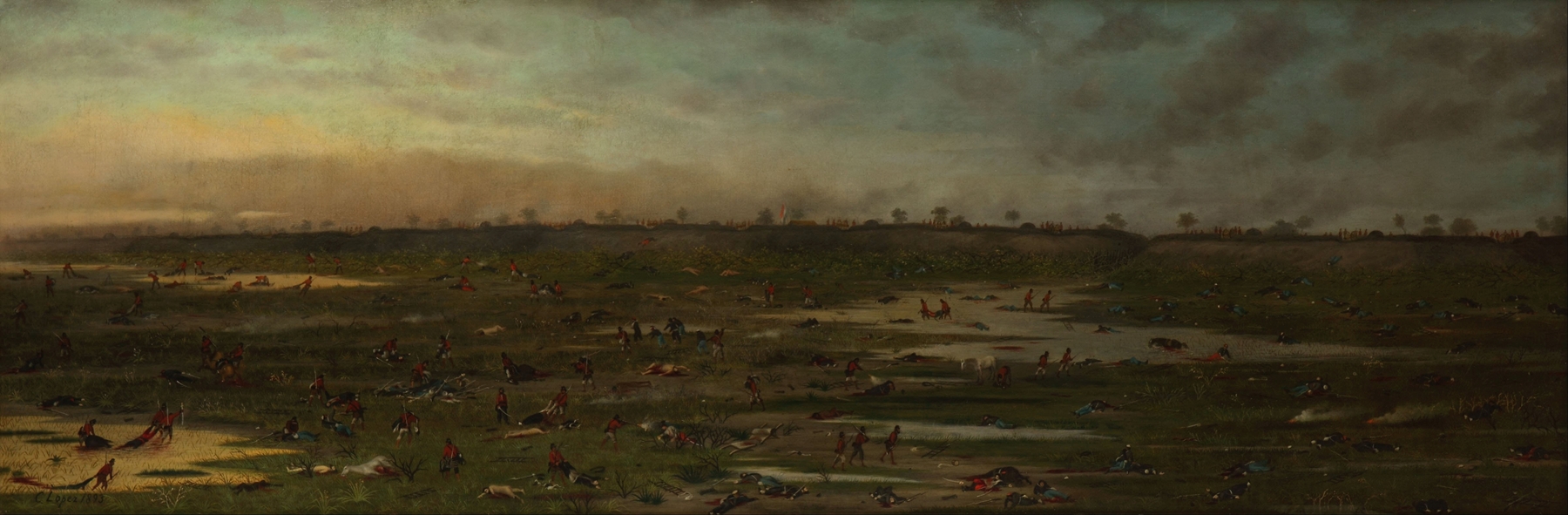
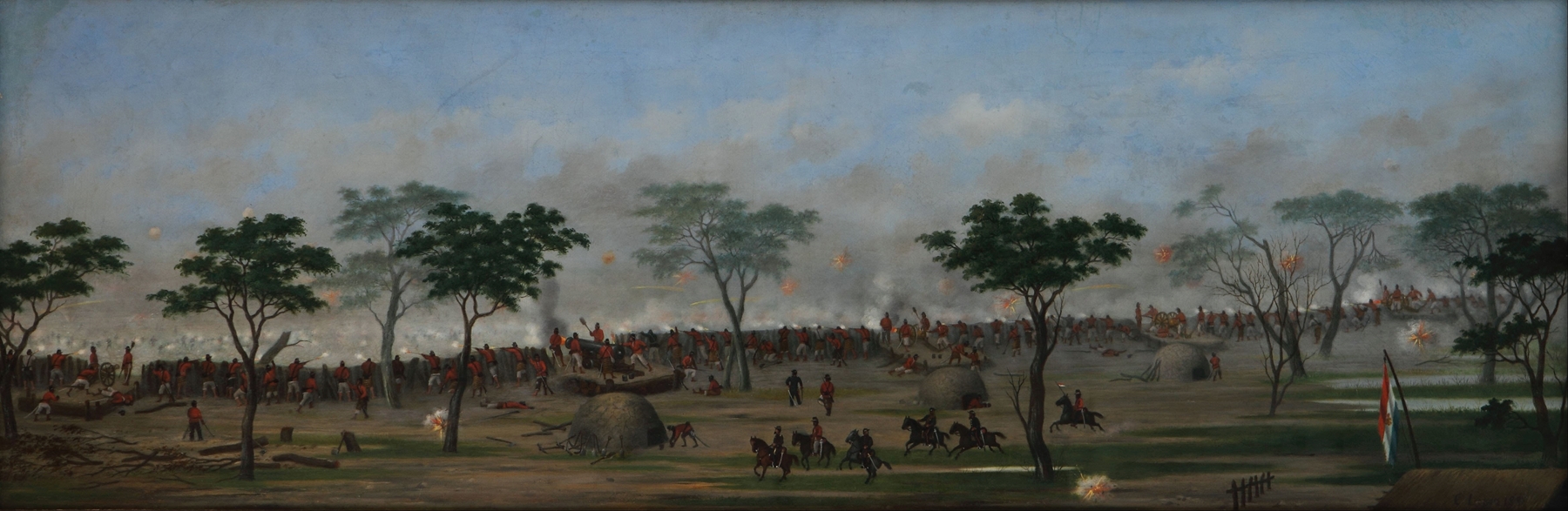
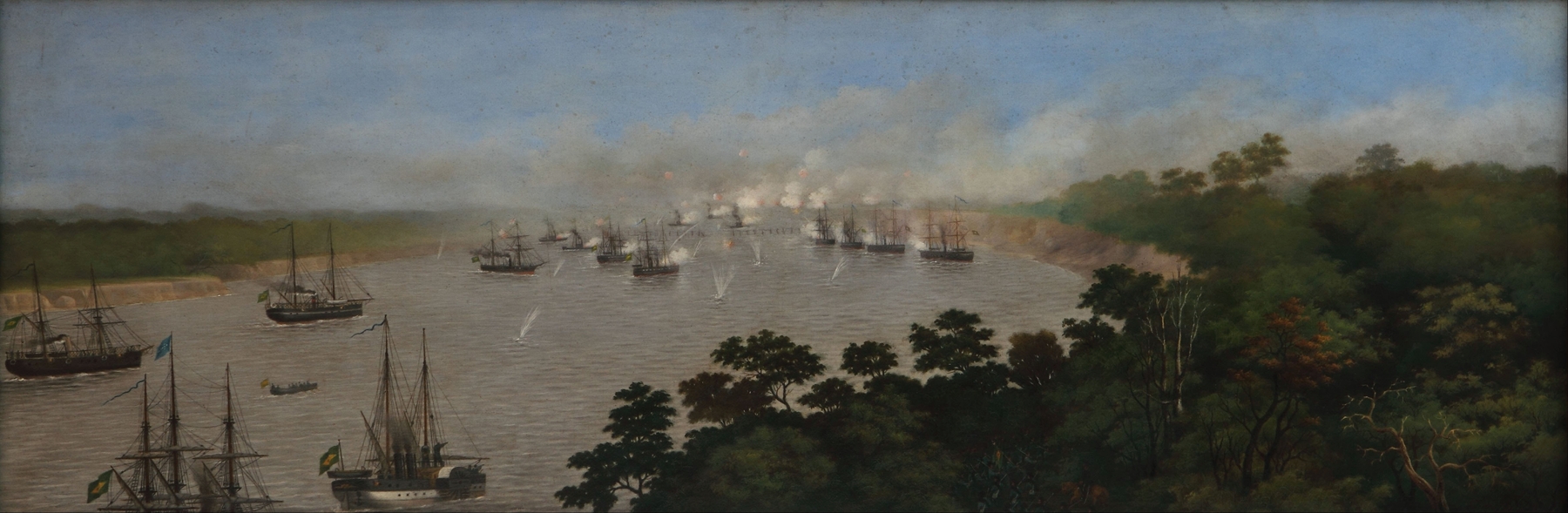
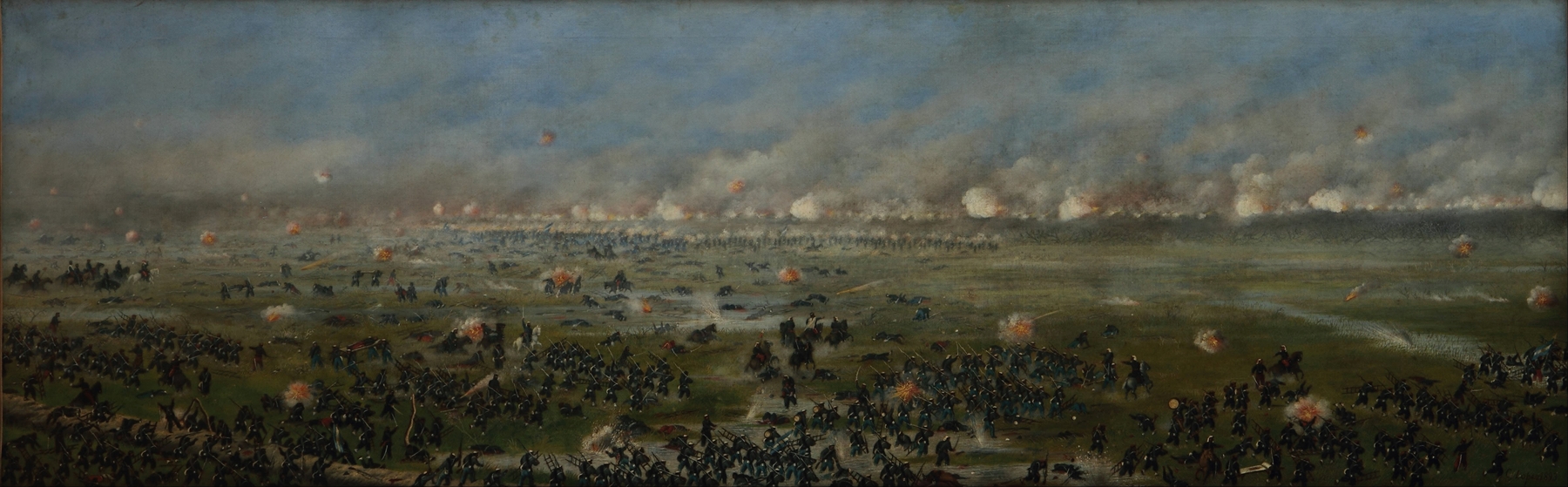
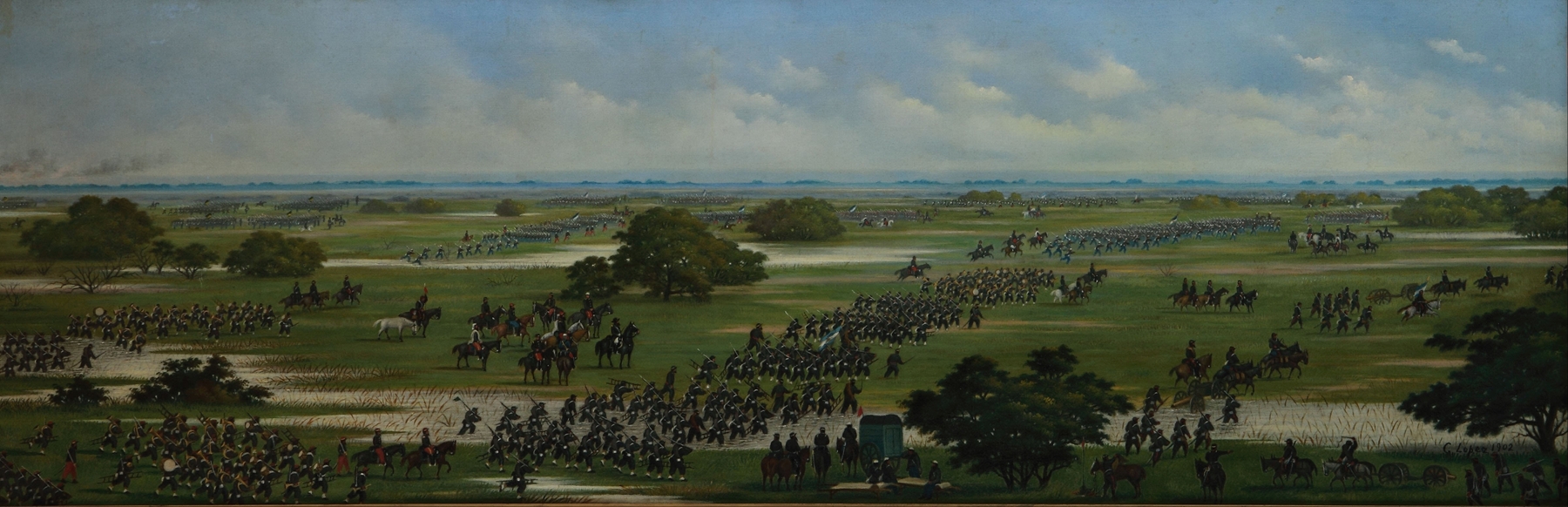
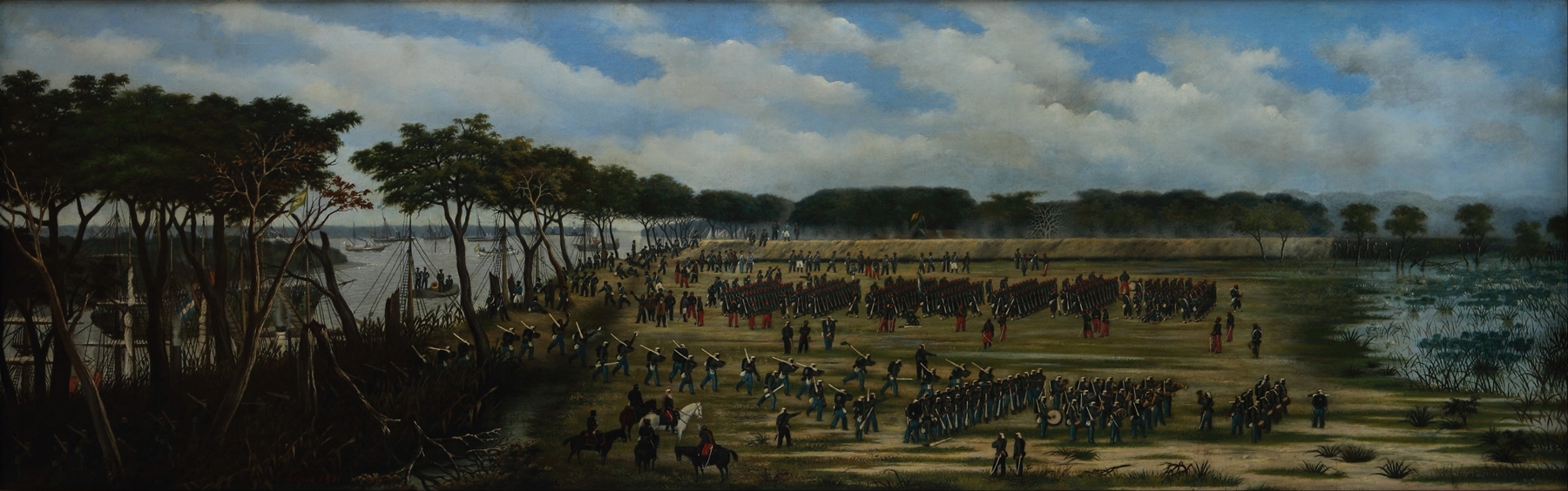
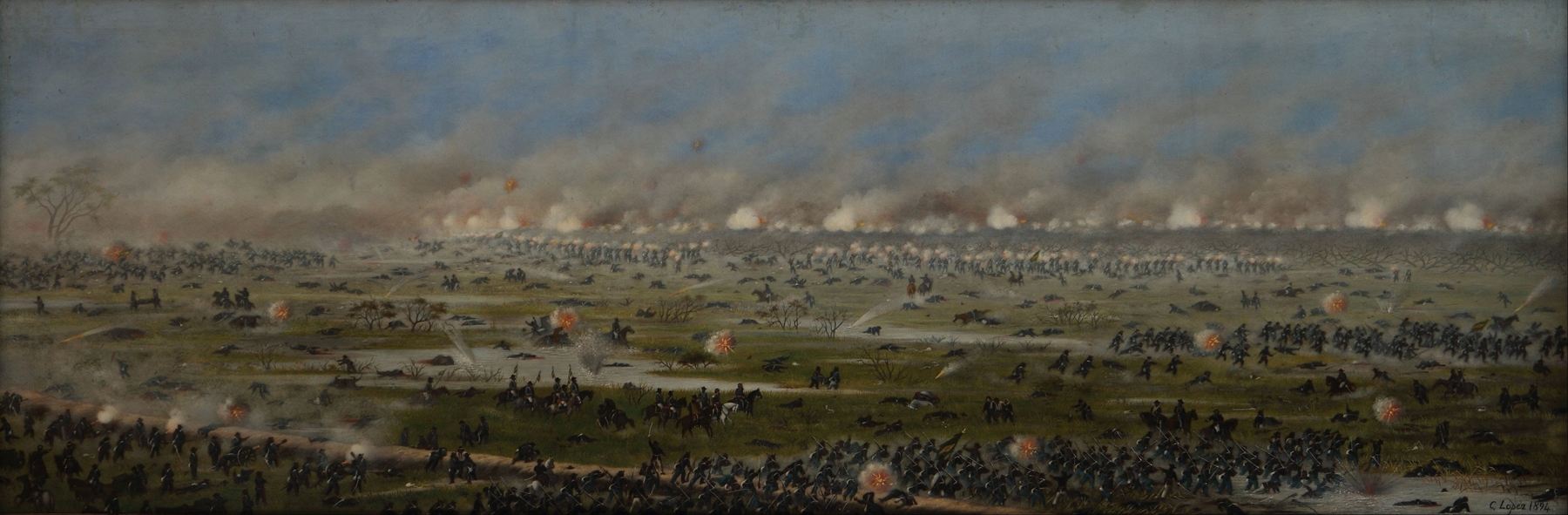
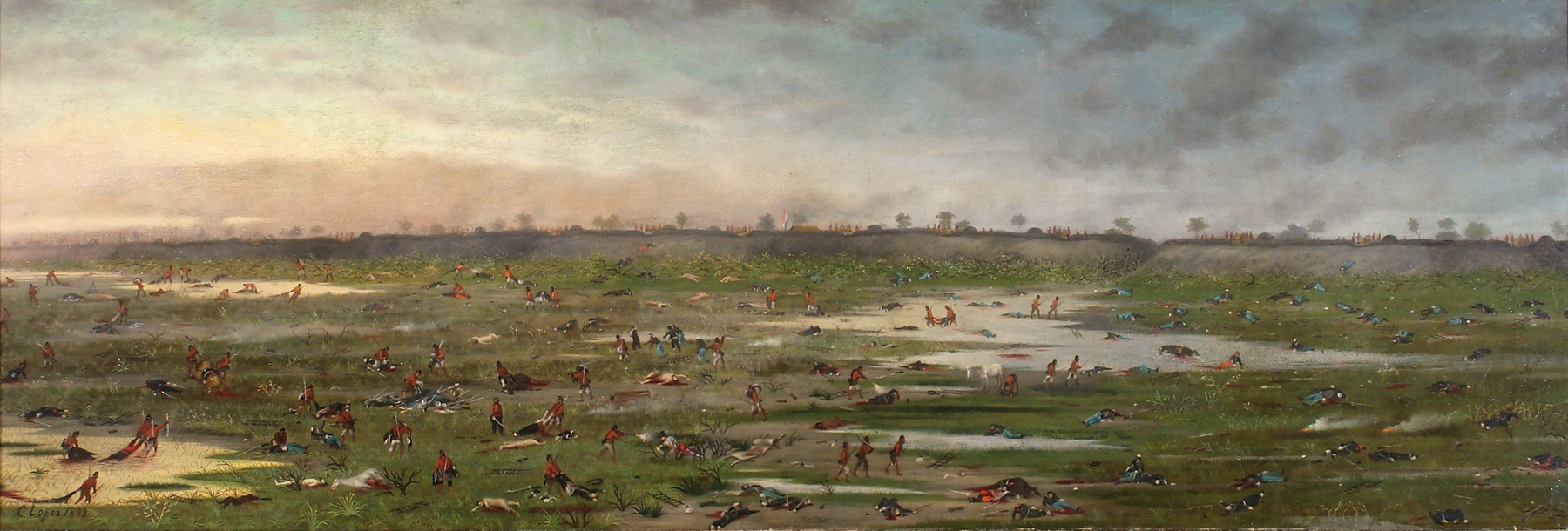
What if beauty was never meant to be finished? In Invernada del Ejercito Oriental, this question echoes through the tension of nature and humanity’s fragile illusion of control. Focus first on the vast landscape sprawling across the canvas, where rolling hills meet a stormy sky. The artist employs dynamic brushstrokes to evoke movement in the clouds, suggesting an impending change. Look closely at the figures of the soldiers, their forms almost lost within the expansive greenery, symbolizing the insignificance of human endeavor against nature's majesty.
The subdued earthy tones contrast with flashes of vibrant color in the distant horizon, guiding the eye to reflect on the fleeting beauty of this moment in time. The emotional weight of this painting lies in its subtle contrasts. The struggle of the soldiers, burdened by their task, is palpable yet overshadowed by the grandeur of the landscape that envelops them. This duality raises questions about purpose and perseverance, compelling the viewer to ponder the futility of human ambition against the timeless, untamed beauty of the natural world.
The painting captures not just a scene but an experience, one that reflects on the illusion of control amidst the grandeur around us. Cándido Lopez created this work in 1866 during a period of personal turmoil and national strife in Argentina. The artist was deeply invested in documenting the realities of war, reflecting the tension between human conflict and the landscape's serene beauty. In the wake of the Argentine War of the Triple Alliance, Lopez sought to convey the complexity of human emotions intertwined with the grandeur of the natural world, marking a pivotal moment in his artistic journey.