Trinchera de Curupaytí — History & Analysis
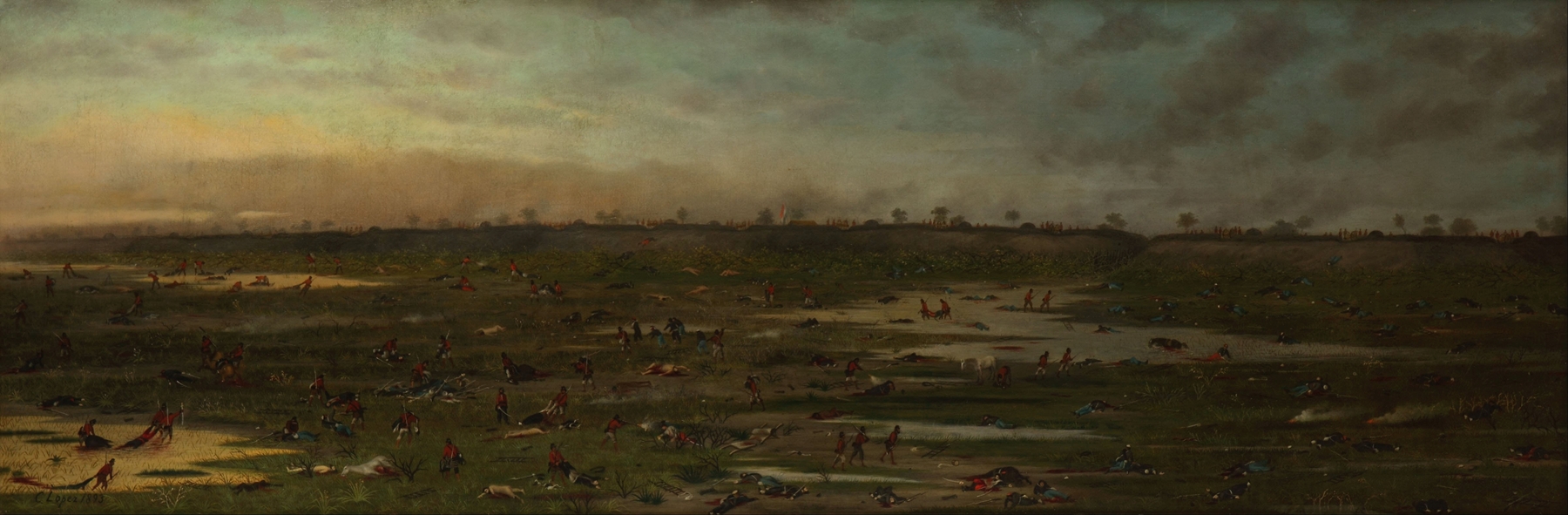
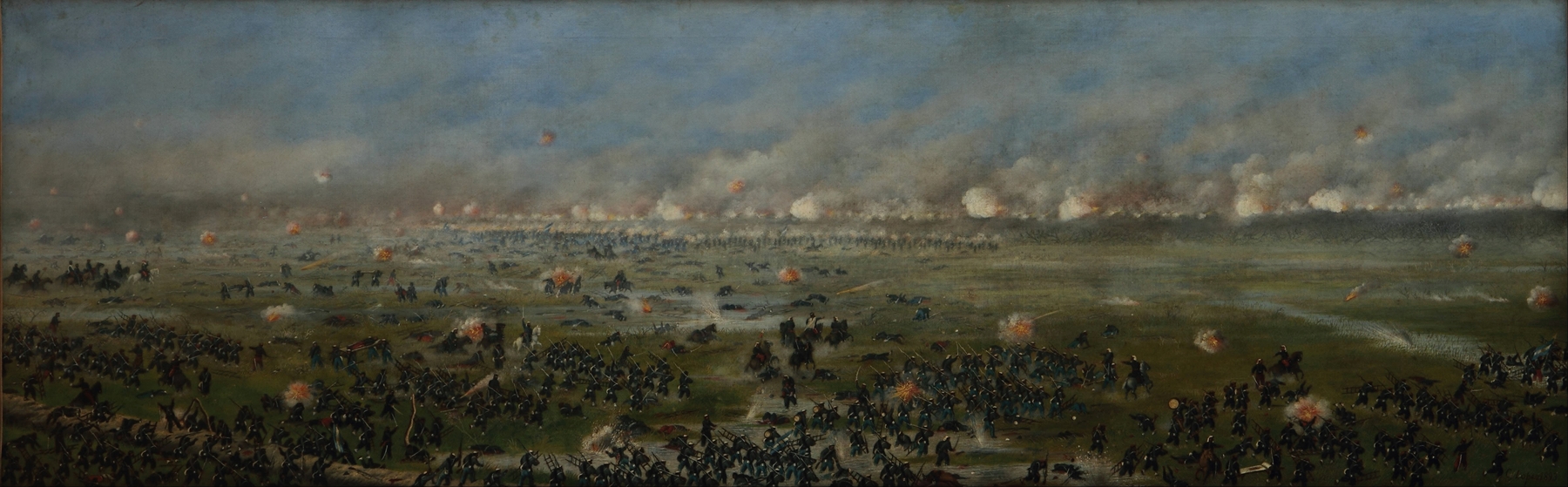
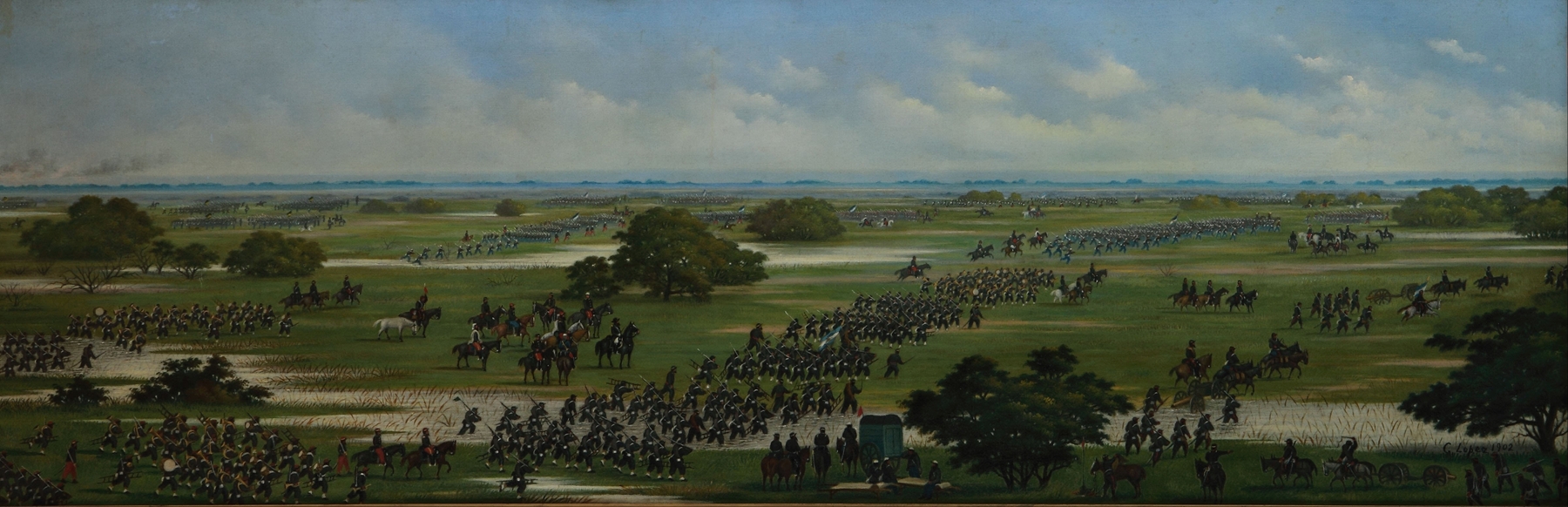
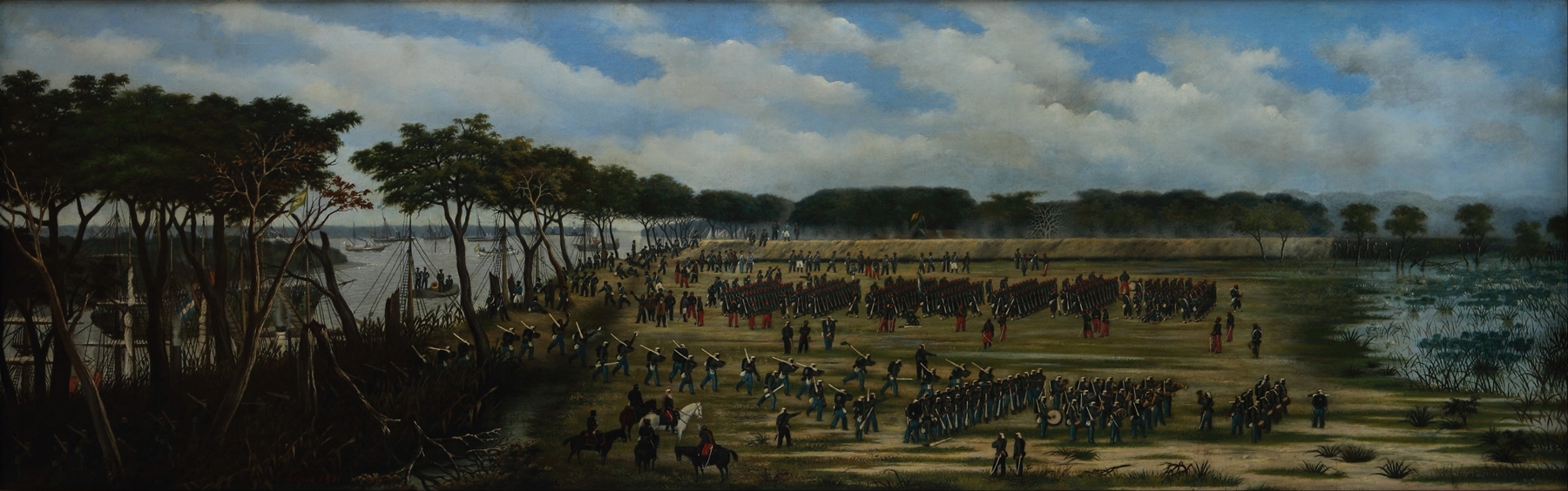
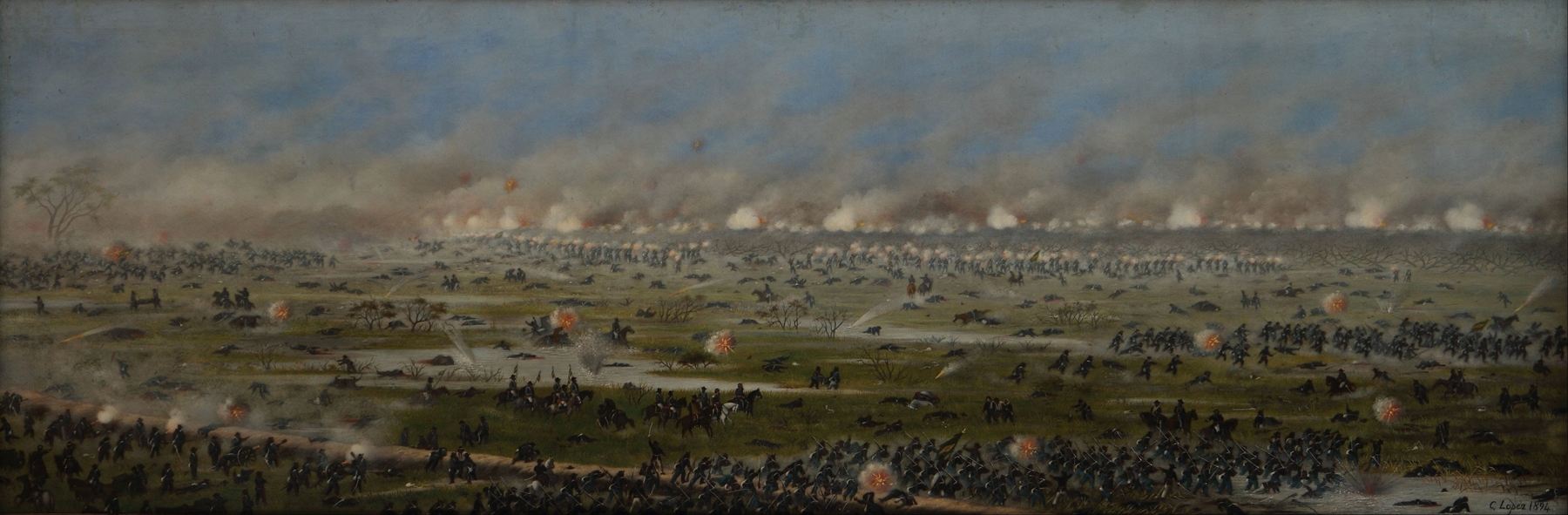
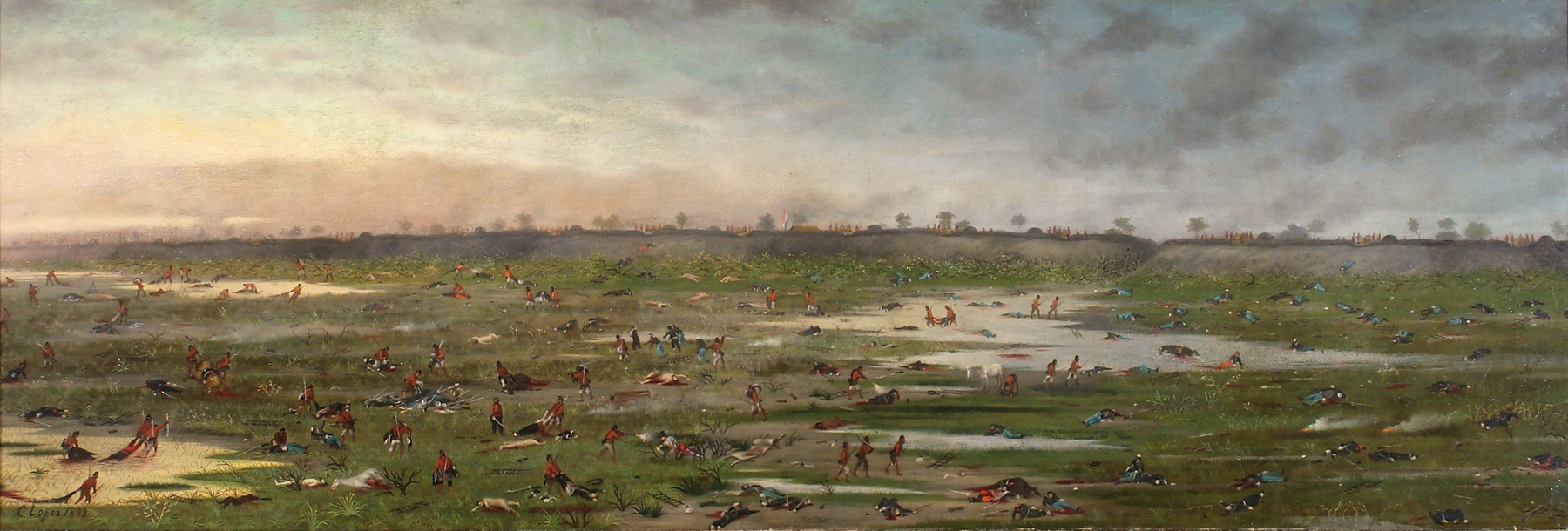
Could a single brushstroke hold eternity? In Trinchera de Curupaytí, Cándido Lopez captures not just a moment in battle, but the very essence of sacrifice and resilience through his vibrant palette. Look to the rich, earthy tones that dominate the foreground, where splashes of deep greens and browns ground the scene in the reality of war. Your gaze then shifts to the figures blended within—soldiers poised in a tranquil yet tense embrace with nature.
Notice how the light dances across their forms, highlighting the interplay between human struggle and the overwhelming vibrancy of the landscape, drawing your eyes to the contrast of life against the chaos of conflict. The painting evokes the duality of hope and despair. The vivid colors suggest life and vitality, yet the weary expressions on the soldiers’ faces communicate the burden of their fight. Each brushstroke pulsates with emotion, creating a layered narrative that speaks to the viewer's heart, reminding us that beauty can emerge even from the depths of turmoil.
In 1893, Cándido Lopez created this work amidst his own tumultuous experiences as a soldier during the Paraguayan War. He painted it while recovering from injuries, using art as both a therapeutic outlet and a means to document the stark realities of war. At this time, the art world was evolving, and Lopez emerged as a pivotal figure in Argentine painting, infusing his works with personal reflections and vivid color that broke from traditional conventions.