Yosemite Valley, California — History & Analysis
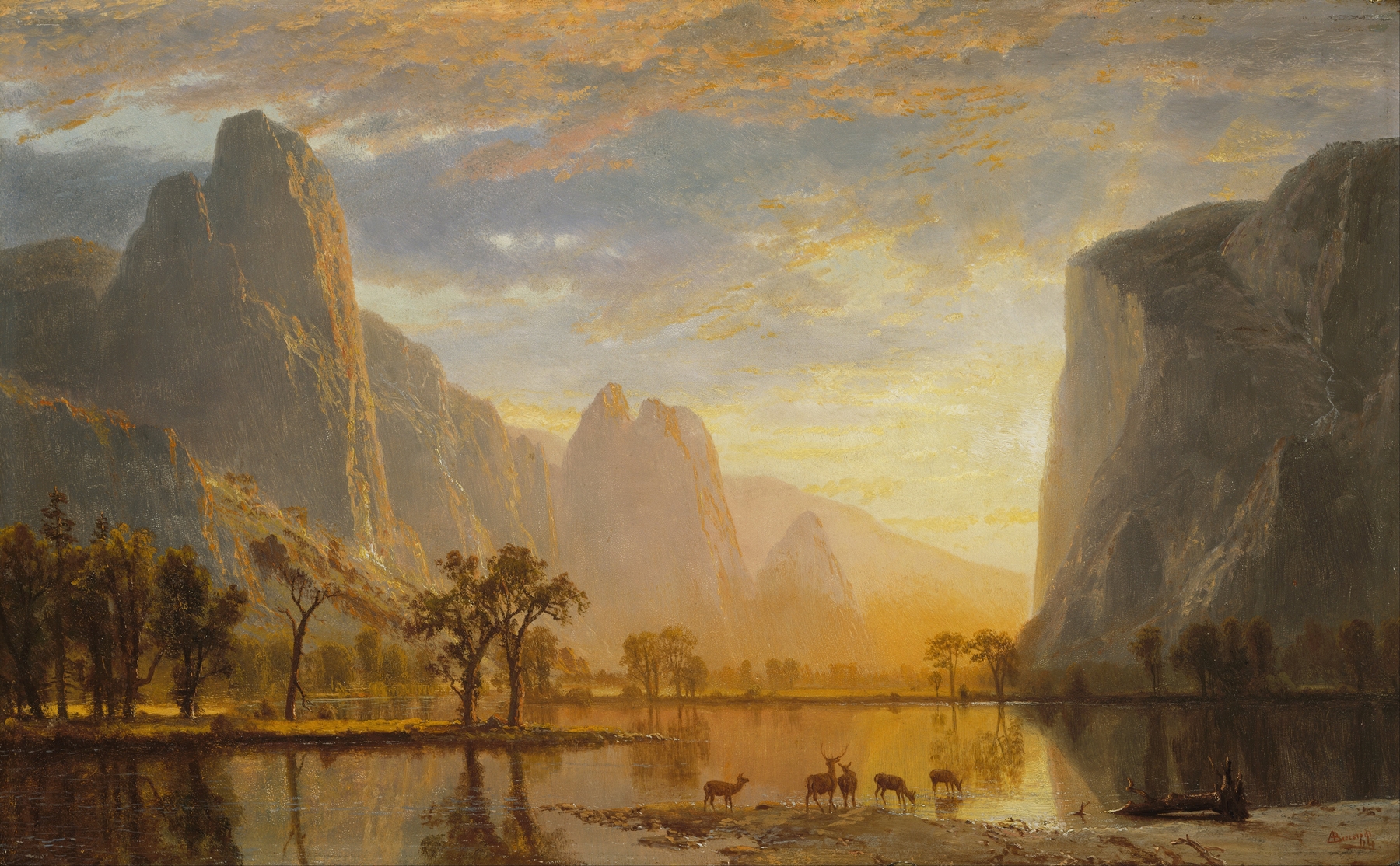
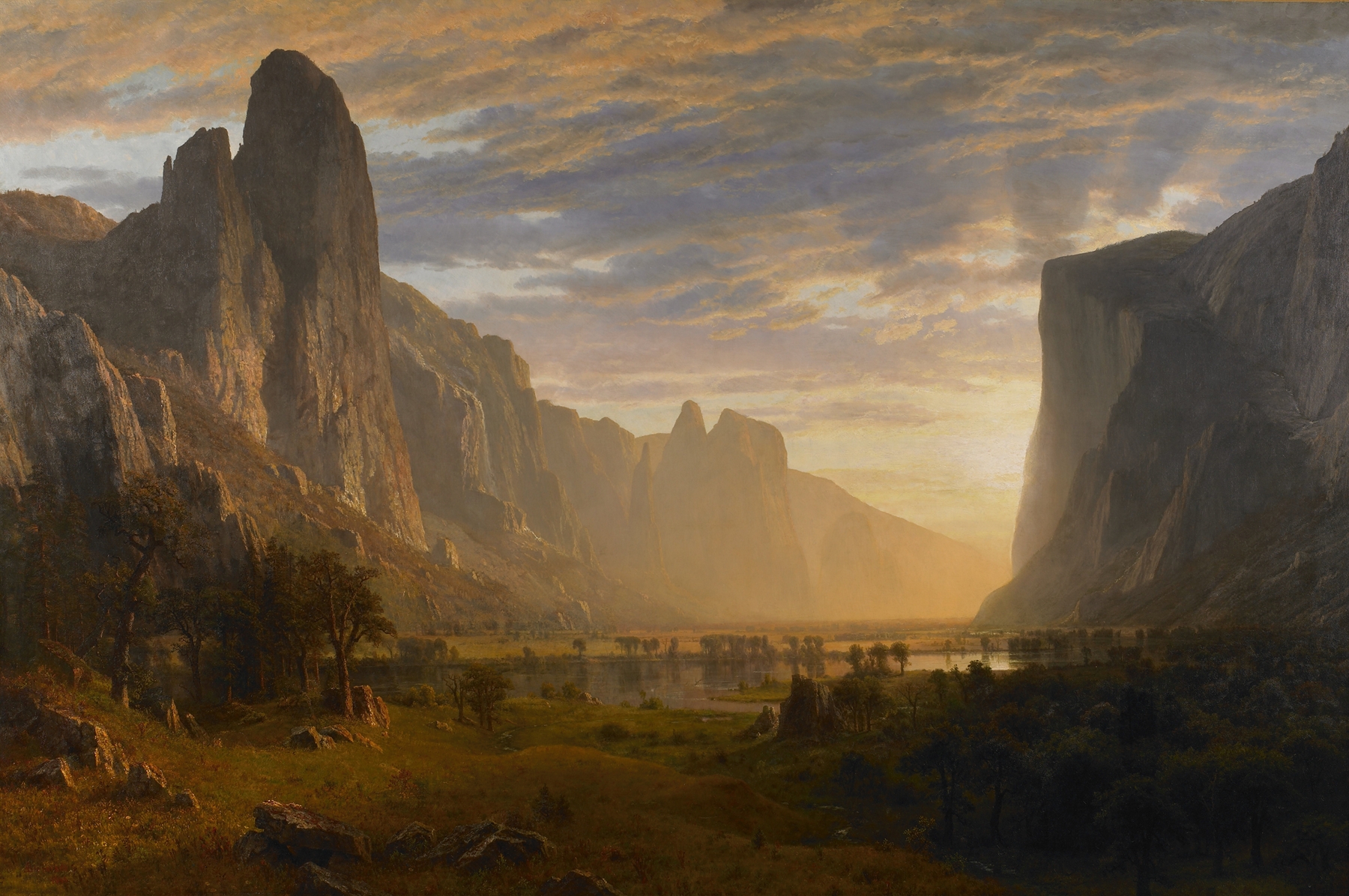
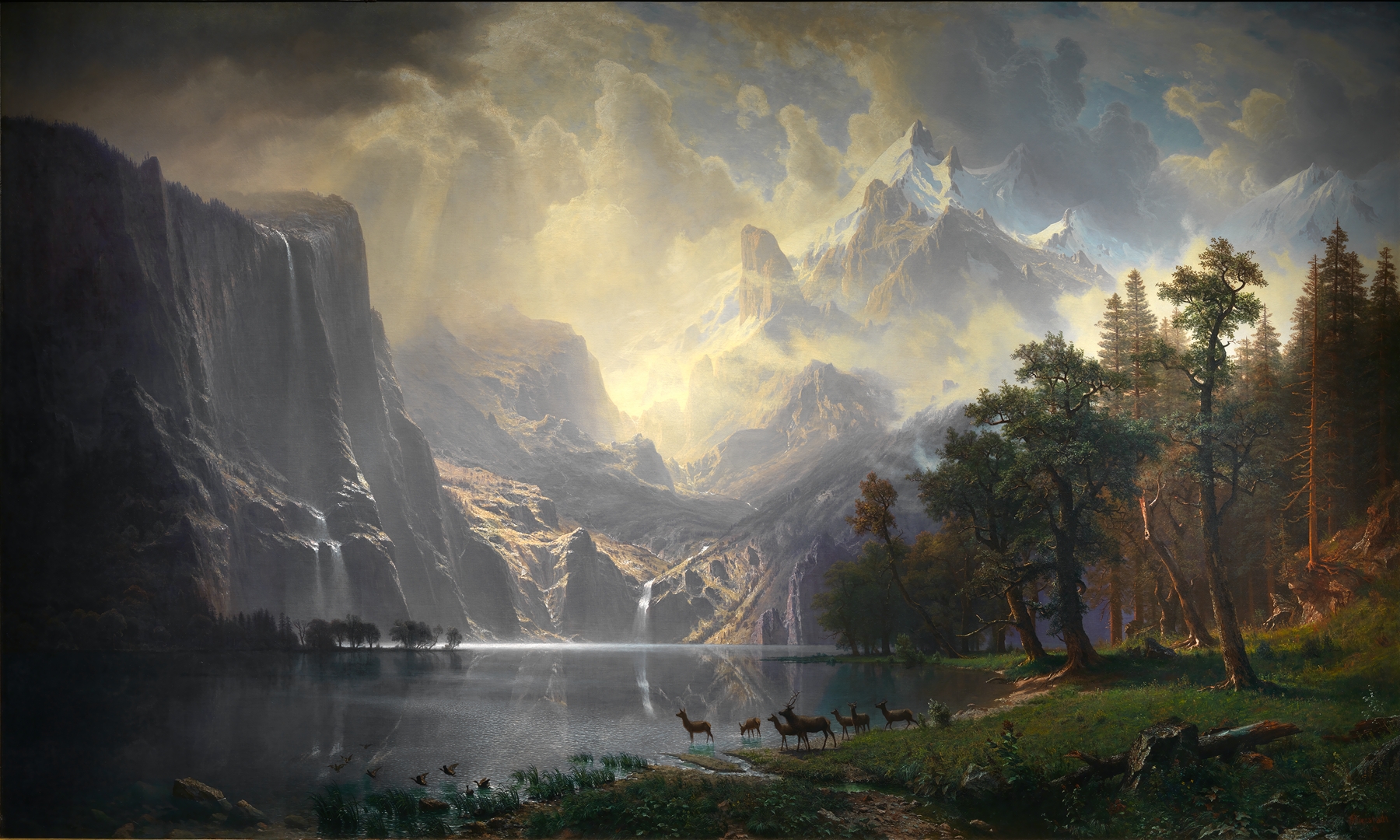
“Every silence here is a confession.” In the stillness of nature, we find whispers of divinity — an unspoken dialogue between the earthly and the ethereal. To truly appreciate the grandeur of this work, look to the sweeping expanse of Yosemite Valley. The canvas bursts to life with towering rock formations, steep cliffs, and lush greenery. Notice how the ethereal light spills over the mountains, casting a divine glow upon the landscape.
Bierstadt’s meticulous brushstrokes bring forth a depth that invites the viewer to step into this majestic scene, where clouds delicately hover, creating a sense of serenity that captivates the soul. Yet, beneath the serene surface lies a poignant contrast. The monumental cliffs, seemingly unyielding, evoke both wonder and an overwhelming insignificance in the face of nature’s power. The interplay of light and shadow hints at an ever-present tension between beauty and the harsh realities of the wilderness.
Each detail speaks of nature’s timelessness, while the vastness of the valley draws us into an introspective space where humanity grapples with its place in this grand design. During the period when this piece was created, Bierstadt was deeply influenced by the American West and its burgeoning recognition as an artistic subject. As he painted, the United States was undergoing a transformation, with the concept of Manifest Destiny shaping the national consciousness. Bierstadt, a key figure in the Hudson River School, sought to convey the sublime beauty of the American landscape, exploring themes of nature’s divinity and its impact on the human spirit.