Joseph-Antoine de Nogent — History & Analysis
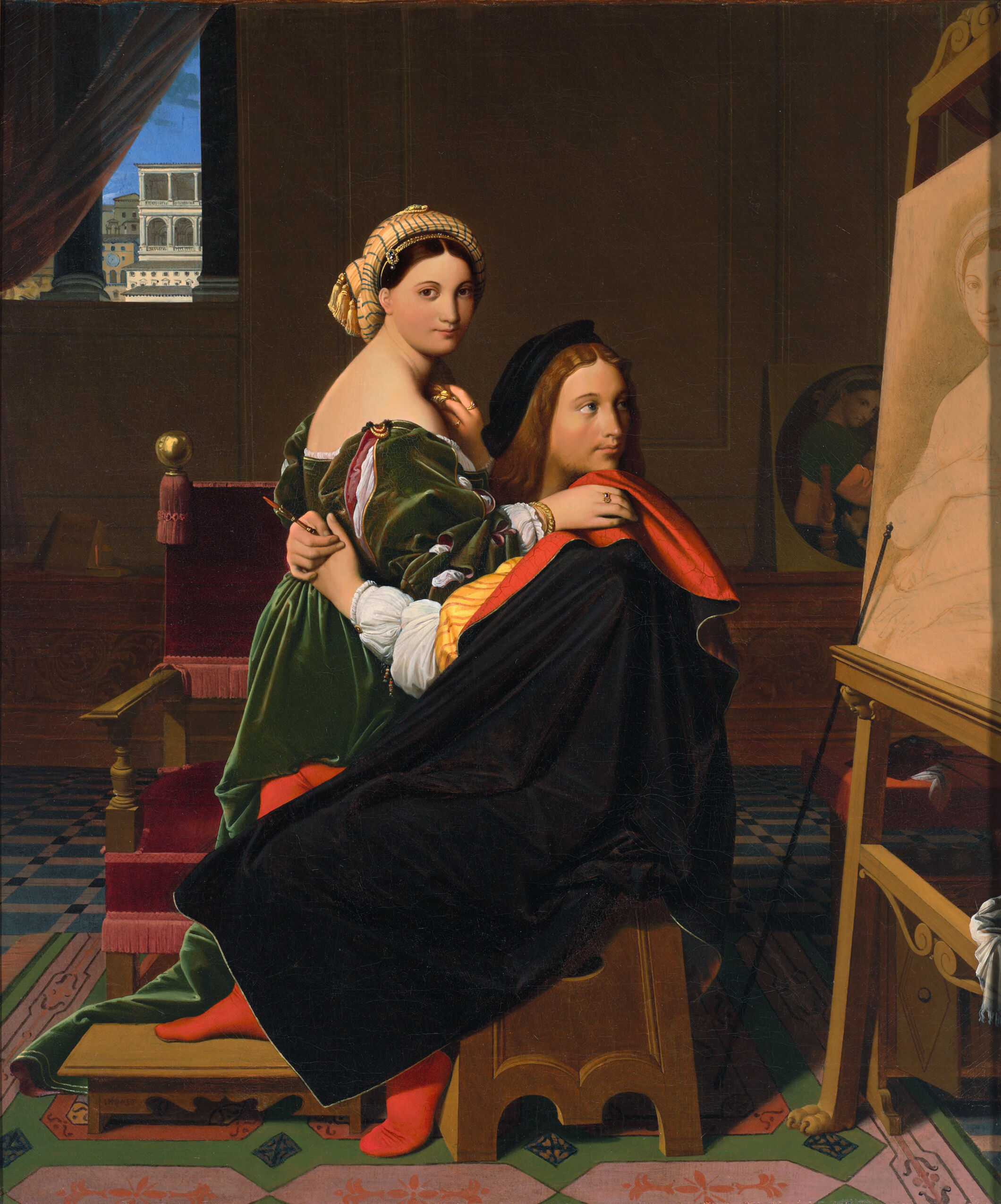
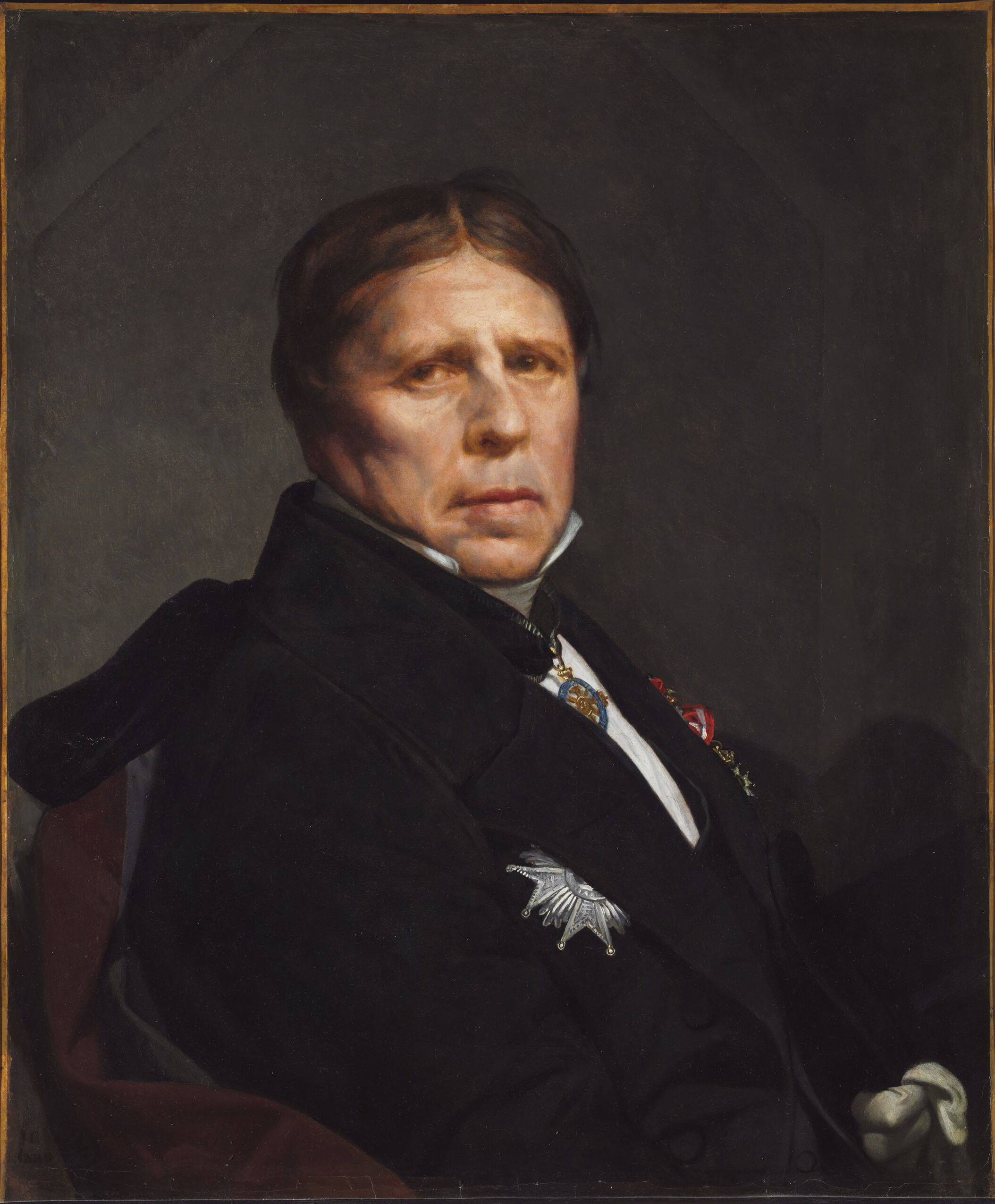
“Art reveals the soul when the world turns away.” In the stillness of Joseph-Antoine de Nogent, desire becomes palpable, a whisper echoing in the silence surrounding the subject. Here, we encounter a moment suspended in time, where the intricacies of human longing are laid bare for contemplation. Look closely at the figure’s gaze, directed slightly off to the side as if lost in thought. Notice how the soft play of light creates delicate highlights on the subject’s cheek, emphasizing the warmth and vitality of his skin.
The detailed folds of the drapery, painted with meticulous care, invite your eyes to wander and appreciate the deep, rich colors that simultaneously constrain and liberate the figure. The composition gracefully balances the subject's earnest expression against the muted background, allowing both the figure and the emotion it conveys to resonate. Delve deeper into the subtleties of the painting, where the contrast between the texture of the clothing and the smoothness of the skin underscores a profound emotional tension. The somber palette evokes an underlying sense of yearning, while the careful depiction of the subject’s posture suggests an unfulfilled desire, quietly expressed through body language.
Each element combined forms a narrative of introspection — a longing not just for connection but for a deeper understanding of oneself. In 1815, Ingres created this poignant portrait during a time of personal transition, as he was establishing his reputation in the art world amid the turbulence of post-Revolutionary France. This period saw the artist grappling with Neoclassical ideals while gradually moving towards Romanticism, reflected in the emotional depth and psychological insight of his subjects.