Odalisque, Enslaved Woman, and Eunuch — History & Analysis
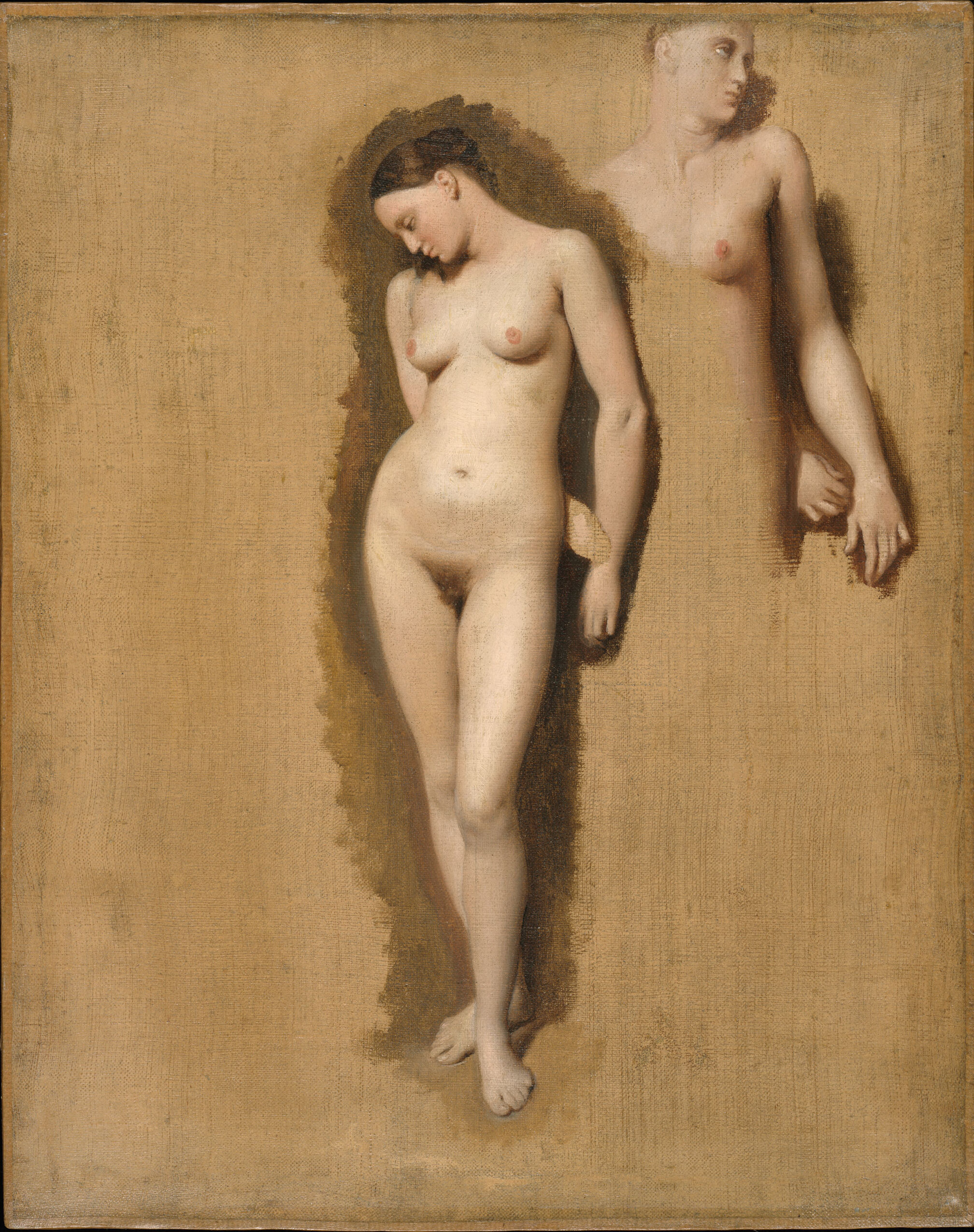
Where does light end, and longing begin? In Odalisque, Enslaved Woman, and Eunuch, the boundaries between shadow and desire blur, inviting contemplation of power and vulnerability. Look to the left at the slumbering figure, her languid form draped in graceful folds of fabric that echo both luxury and constraint. The rich, warm tones of the background contrast sharply with the cooler hues of her skin, drawing your eye to her serene expression, a portrait of both beauty and resignation. The eunuch, poised in the shadows, observes with a gaze that is both protective and possessive, embodying the complex dynamics of dominance within this intimate space.
Notice how the light cascades across the scene, highlighting the tension between the figures, their roles defined but their emotions intricately interwoven. The composition reveals a poignant interplay of longing and captivity. The odalisque’s subtle smile hints at secret dreams, while her eyes convey a yearning for freedom just beyond reach. Shadows envelop the eunuch, suggesting the burden of his position—one who, though powerful, is equally trapped in a web of societal expectations.
This ambiguity amplifies the emotional gravity, inviting the viewer to consider the complexities of desire and subjugation. Painted during a time of great artistic exploration in France, Odalisque, Enslaved Woman, and Eunuch emerged between 1839 and 1840 as Ingres navigated the shift toward Romanticism. Amidst the debates over academic tradition and emerging modernism, he sought to blend classical techniques with themes of exoticism, reflecting the cultural fascinations of his age. This painting serves as a testament not only to his skill but also to the era’s complex attitudes toward gender and representation.