Joseph telling his dreams — History & Analysis
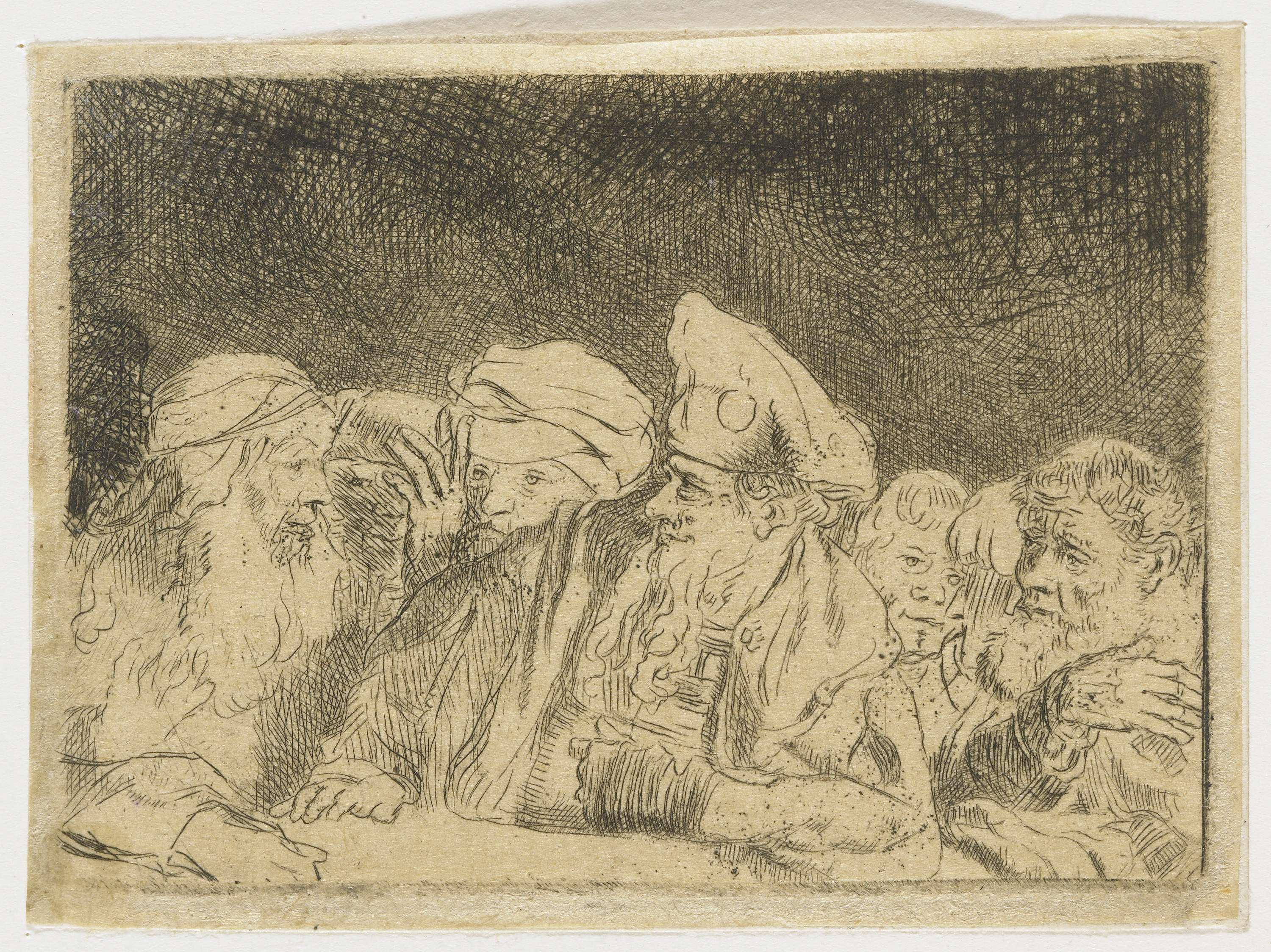
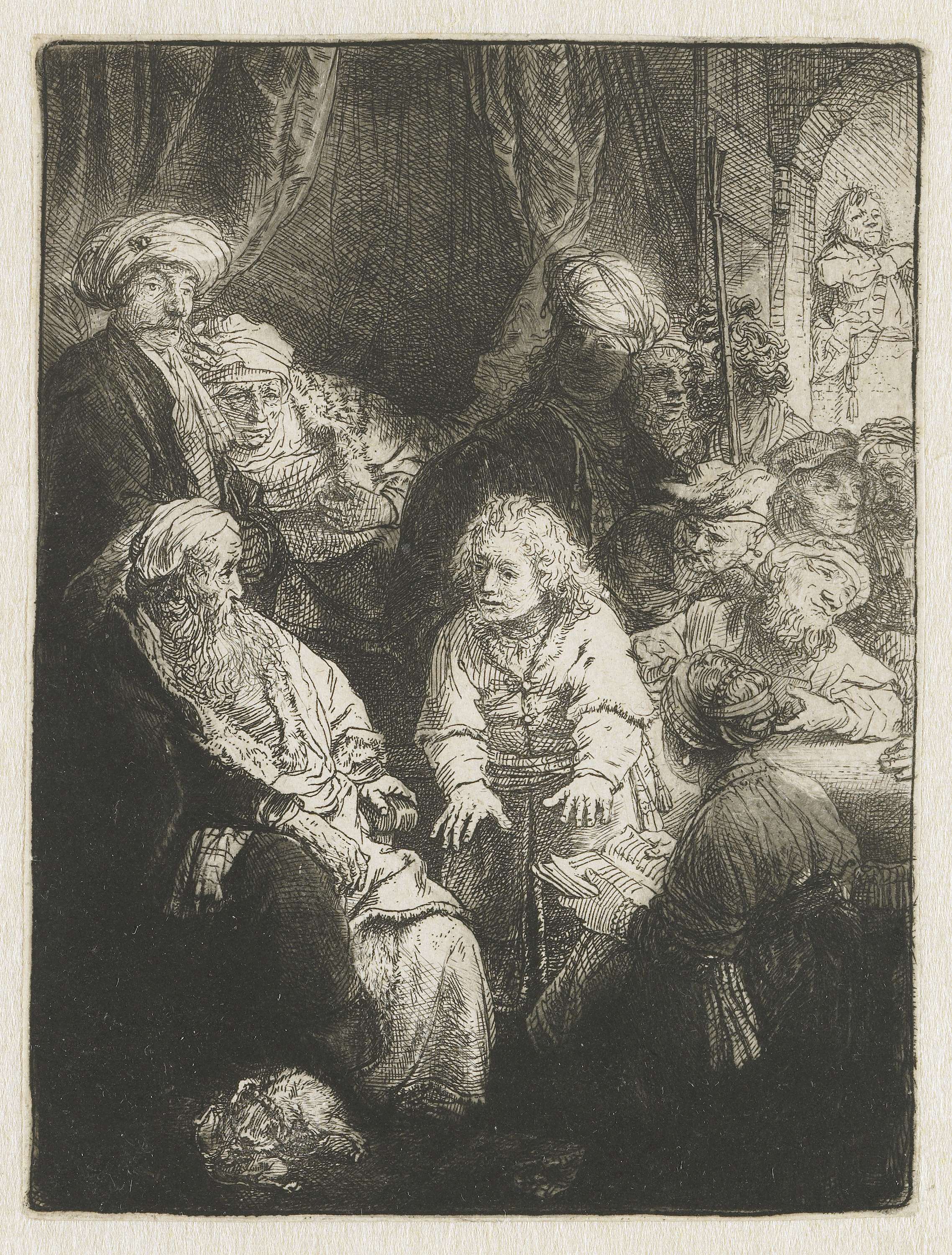
Where does light end, and longing begin? In the heart of Joseph telling his dreams, a silent tension hangs thick in the air, defined by the interplay of shadow and illumination. The canvas breathes with emotion, revealing layers of narrative that speak to the human condition—ambition, hope, and the weight of unfulfilled desires. Look to the left where Joseph stands, his youthful visage vividly illuminated against a darker backdrop. Notice the intricate details in his colorful garment, a striking contrast to the muted tones surrounding him.
The play of light directing our gaze towards his expressive hands, raised as if to emphasize his dreams, draws us into the intimate moment. Each stroke of the brush whispers the subtleties of emotion, while the chiaroscuro technique deepens the drama, reflecting the tumult of Joseph’s inner world. The figures surrounding Joseph, with their varied expressions, each convey a spectrum of emotions—skepticism, disbelief, and envy. This tension is palpable, as the bright luminescence of Joseph’s figure starkly contrasts with the shadows of his brothers.
The scene serves as an exploration of the void between dreams and reality, and how light can illuminate both aspirations and the darker aspects of human nature. Rembrandt created this artwork in 1638, during a period of both personal and professional challenge. Living in Amsterdam, he was navigating financial difficulties while also achieving tremendous acclaim for his earlier works. This painting encapsulates his mastery of light and shadow, a technique that would define his legacy and reflect the complexities of the time, both in art and in life.