Jour De Brouillard À Saint-Mammès — History & Analysis
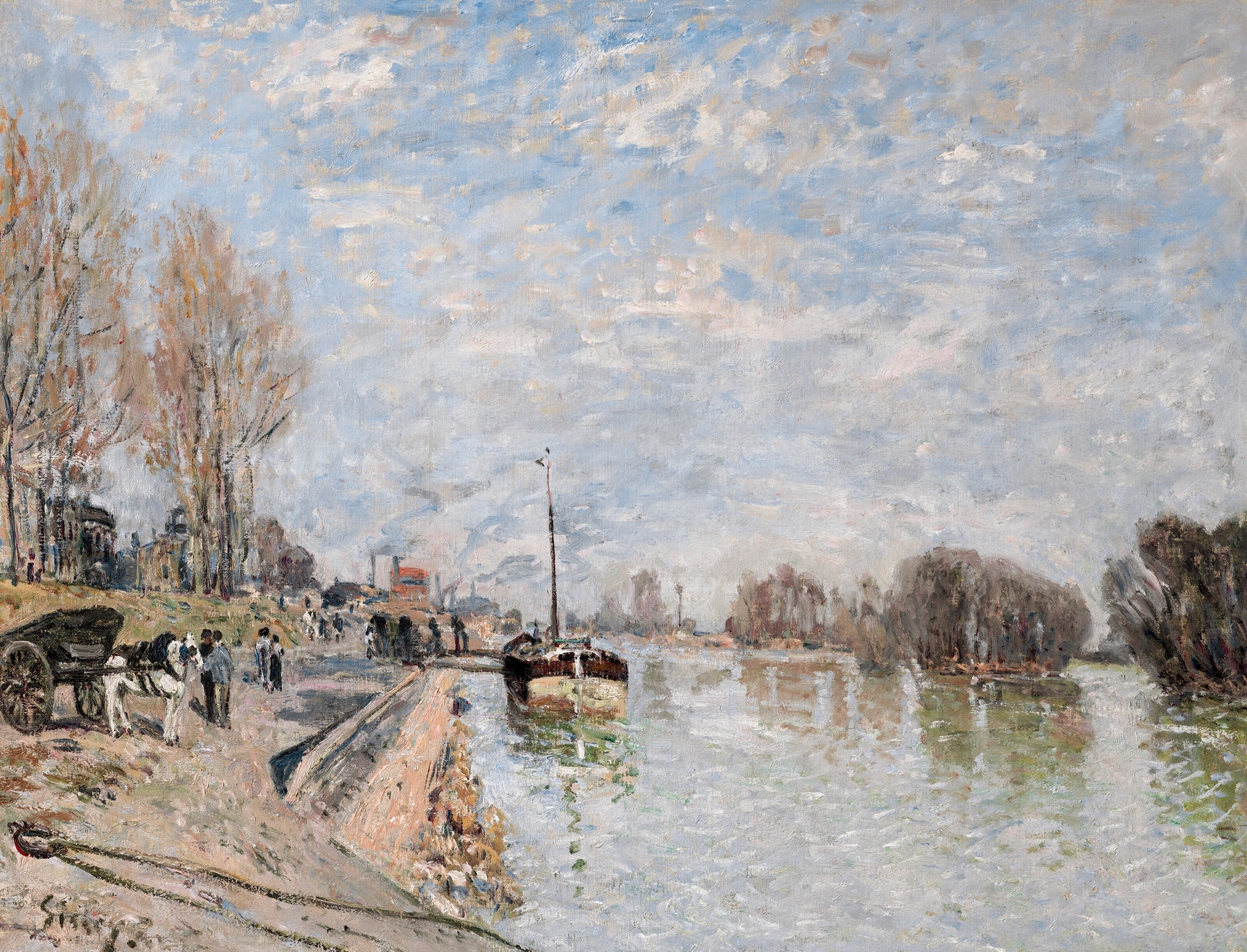
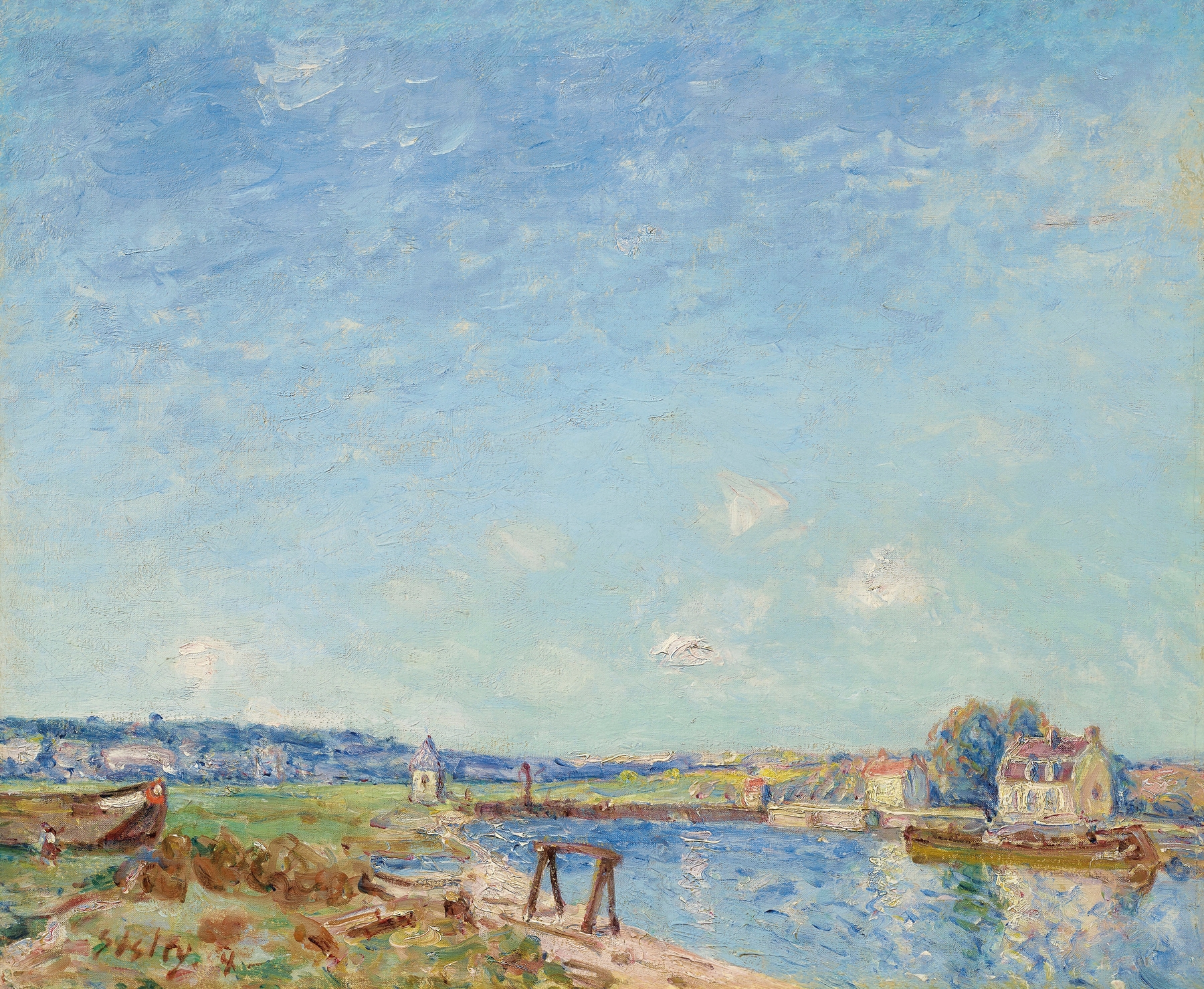
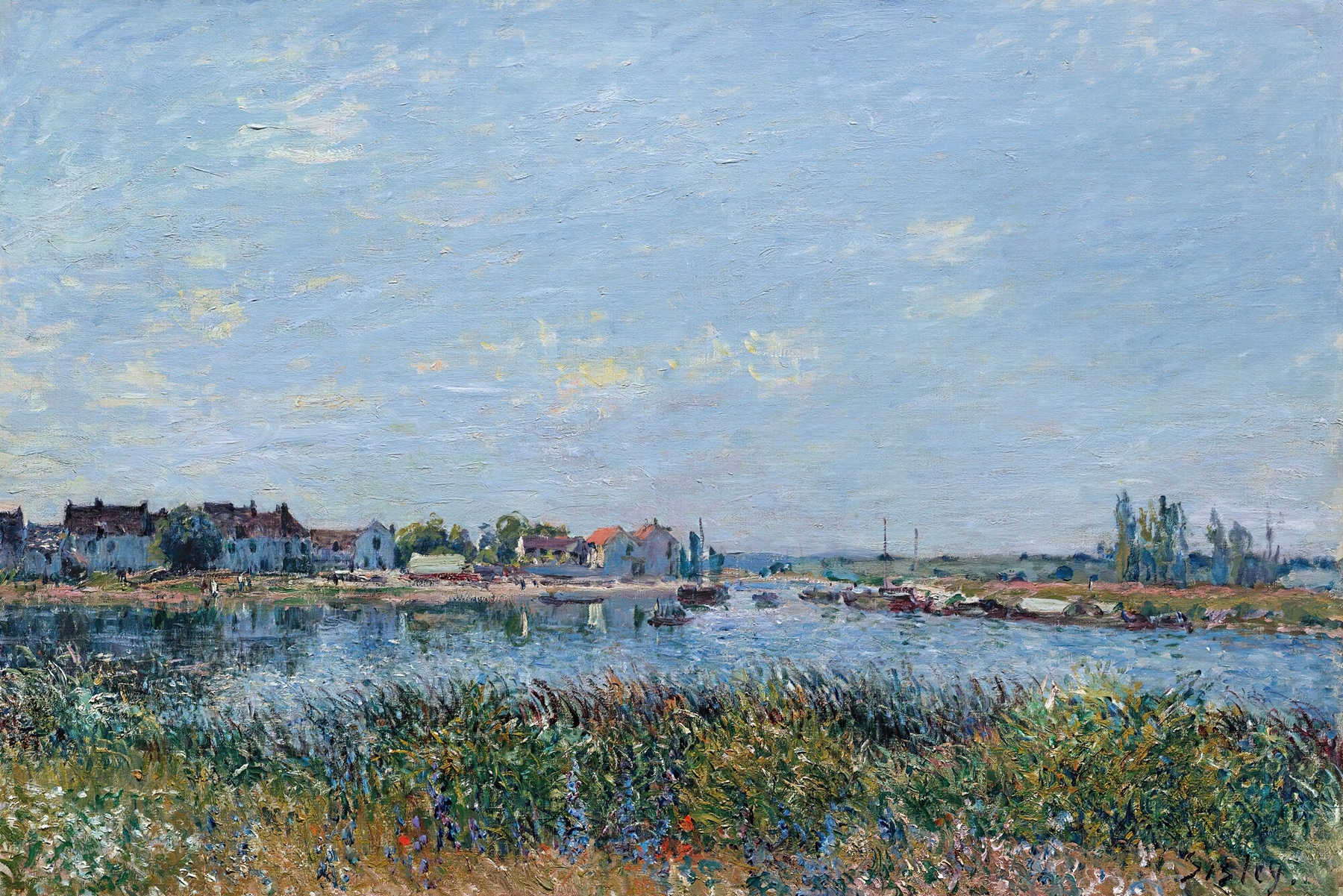
When did color learn to lie? In a world where hues evoke yearning, their deceptive nature beckons us to question reality itself. Look to the center, where the muted palette of grays and blues envelopes the landscape, capturing the essence of a fog-laden day. The river, a silvery ribbon beneath a shroud of mist, guides our gaze toward the horizon. Notice how the trees, rendered with delicate brushstrokes, seem to dissolve into the atmosphere, blurring the line between land and sky.
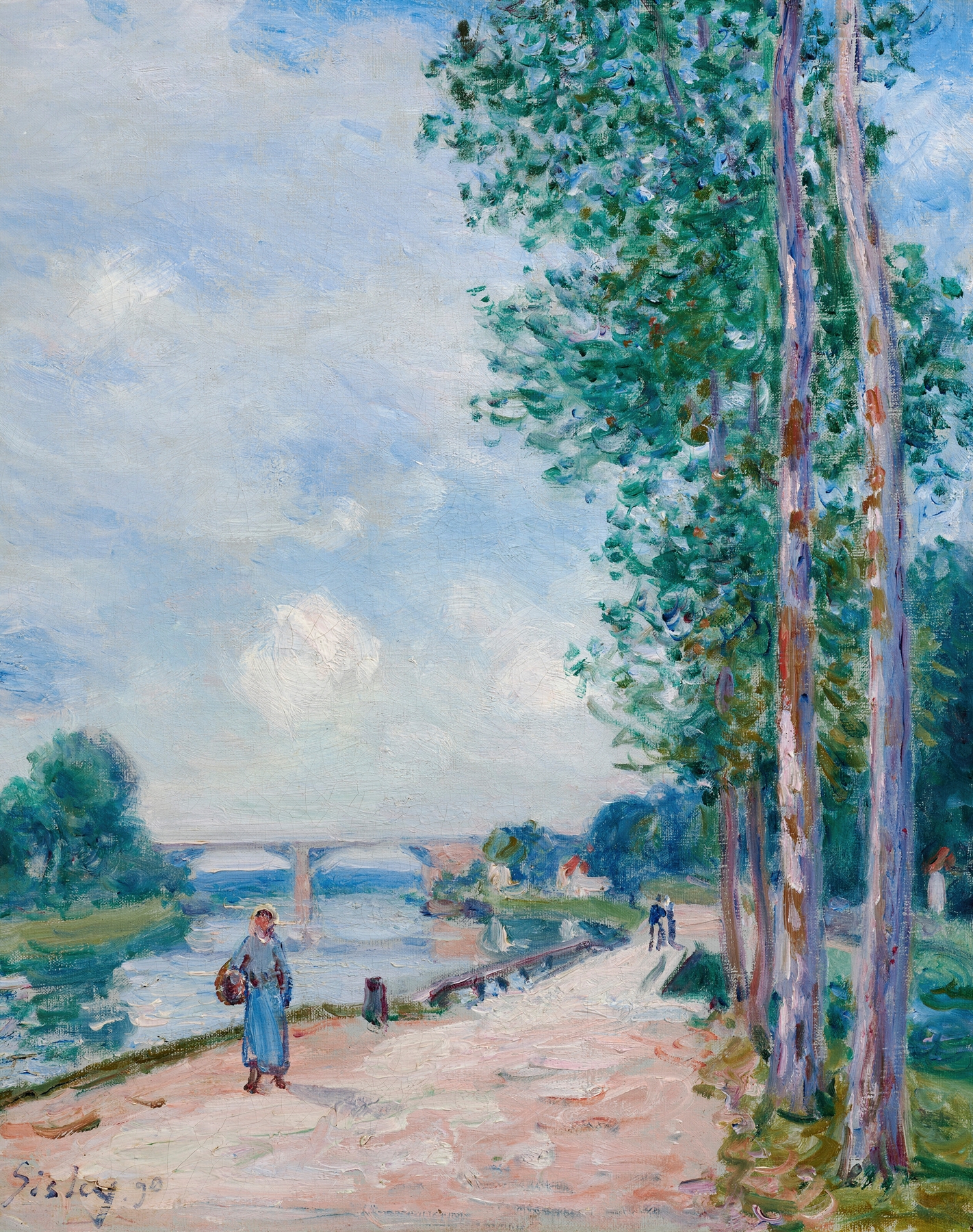
Sisley's masterful use of light creates an ethereal atmosphere, inviting the viewer into a moment suspended in time. Beneath the surface, the painting speaks of solitude and introspection. The solitary figure walking along the riverbank suggests a journey not just through space but through the self, encapsulating the quiet turmoil of desire and longing. The fog acts as a veil, obscuring not only the landscape but also the deeper connections between people and their surroundings.
In this quiet isolation, there is both a haunting beauty and a sense of loss, reminding us that clarity is often hidden in the mist. Alfred Sisley painted Jour De Brouillard À Saint-Mammès in 1880 while living in France, amidst a period of personal and artistic struggle. As an Englishman in a foreign land, he grappled with the challenge of establishing his identity within the impressionist movement. This work reflects both the atmospheric conditions of the locale and Sisley's continued exploration of light and color, revealing his ongoing quest for emotional resonance in art.