Jozef stelt zijn vader aan de Farao voor — History & Analysis
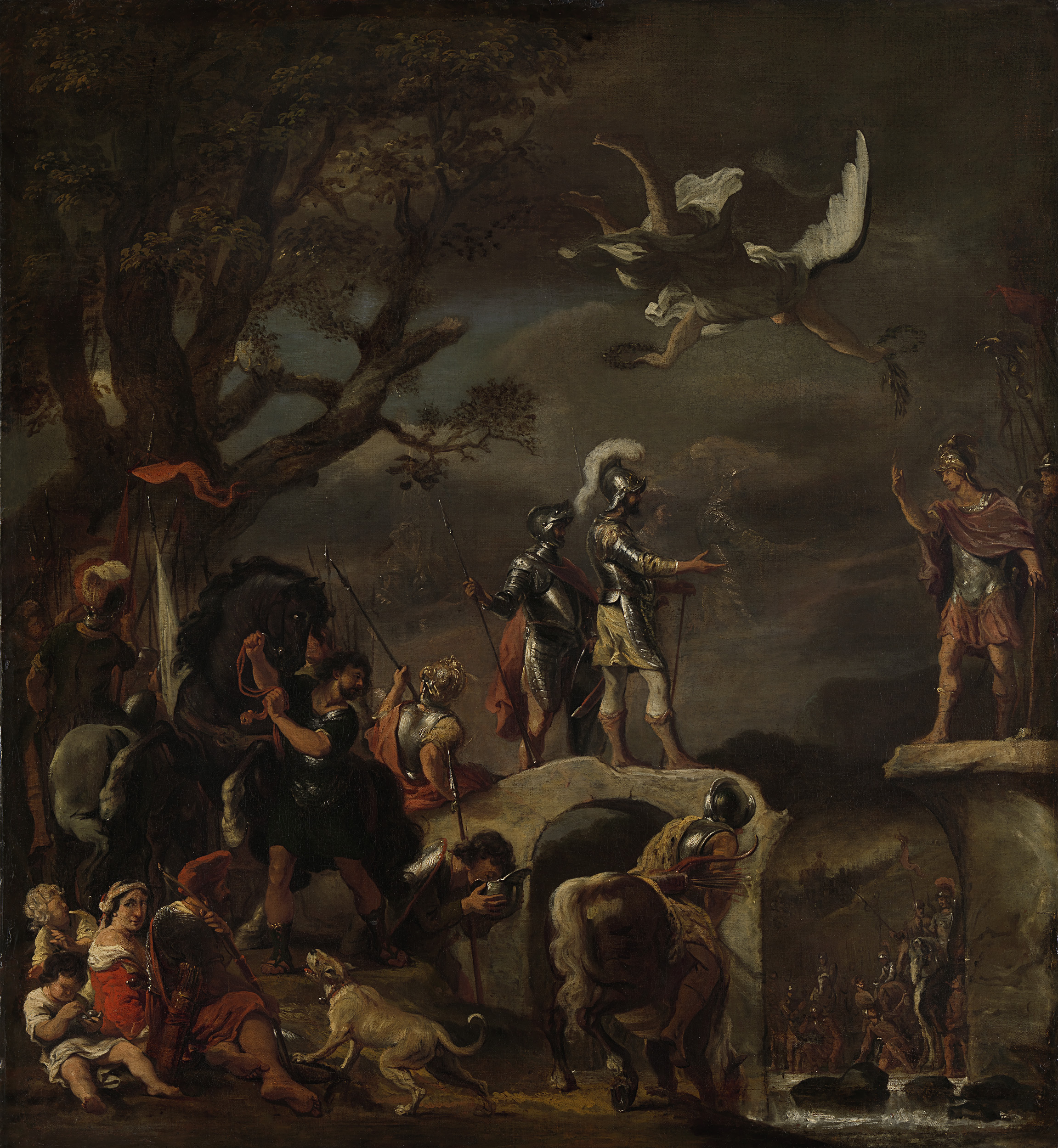
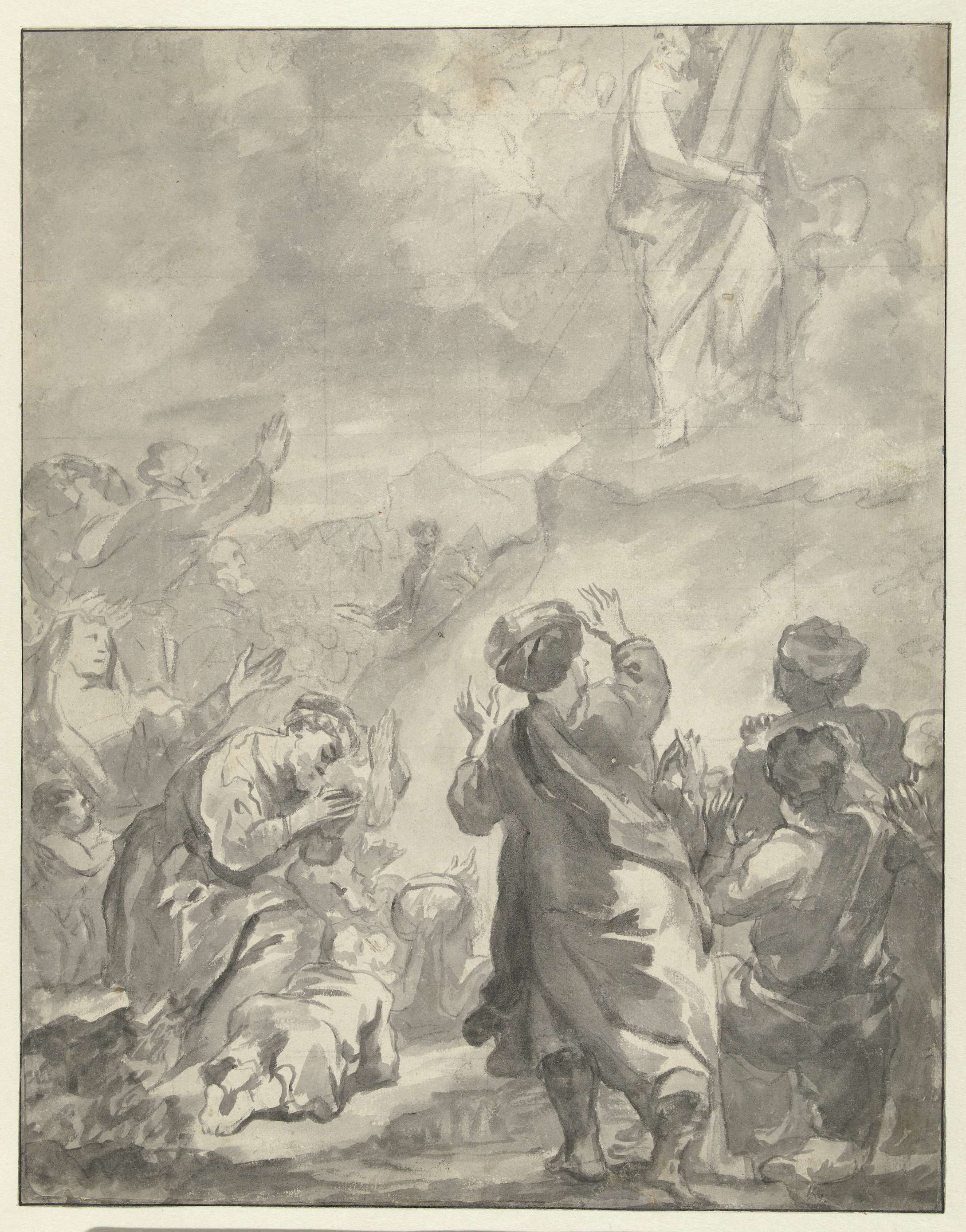
Can beauty exist without sorrow? In the hushed stillness of Jozef stelt zijn vader aan de Farao voor, this question reverberates through the rich colors and serene expressions of the figures, inviting contemplation on the duality of human experience. Focus your gaze on the central figures: Joseph and his father, Jacob, poised in a moment of profound connection. The gentle light cascades down from above, casting soft shadows that envelop them, highlighting the tender exchange between father and son.
Notice the intricate details in their garments—the opulence of Joseph's attire stands in stark contrast to Jacob's humble robes, signifying their differing stations and the weight of their shared history. The composition draws the eye to the emotional gravity of their moment, where silence speaks louder than words. Yet, within this serene tableau lies an undercurrent of tension. The viewer can sense Jacob's vulnerability juxtaposed against Joseph's youthful strength—two generations caught in the complex dance of reunion and loss.
The subtle expression on the Pharaoh's face hints at the weight of history and the power dynamics at play. This juxtaposition of emotions speaks volumes; it evokes a sense of bittersweet beauty, where joy intermingles with the echo of past sorrows. Created between 1645 and 1652, this work emerged during a time when Ferdinand Bol was establishing himself in the vibrant Dutch art scene, having studied under Rembrandt. Painting in Amsterdam during a period marked by cultural prosperity, Bol’s exploration of biblical themes reflected both personal and societal narratives, mirroring the complexities of his own experiences as an artist navigating the challenges and triumphs of his craft.