Portrait of a Woman — History & Analysis
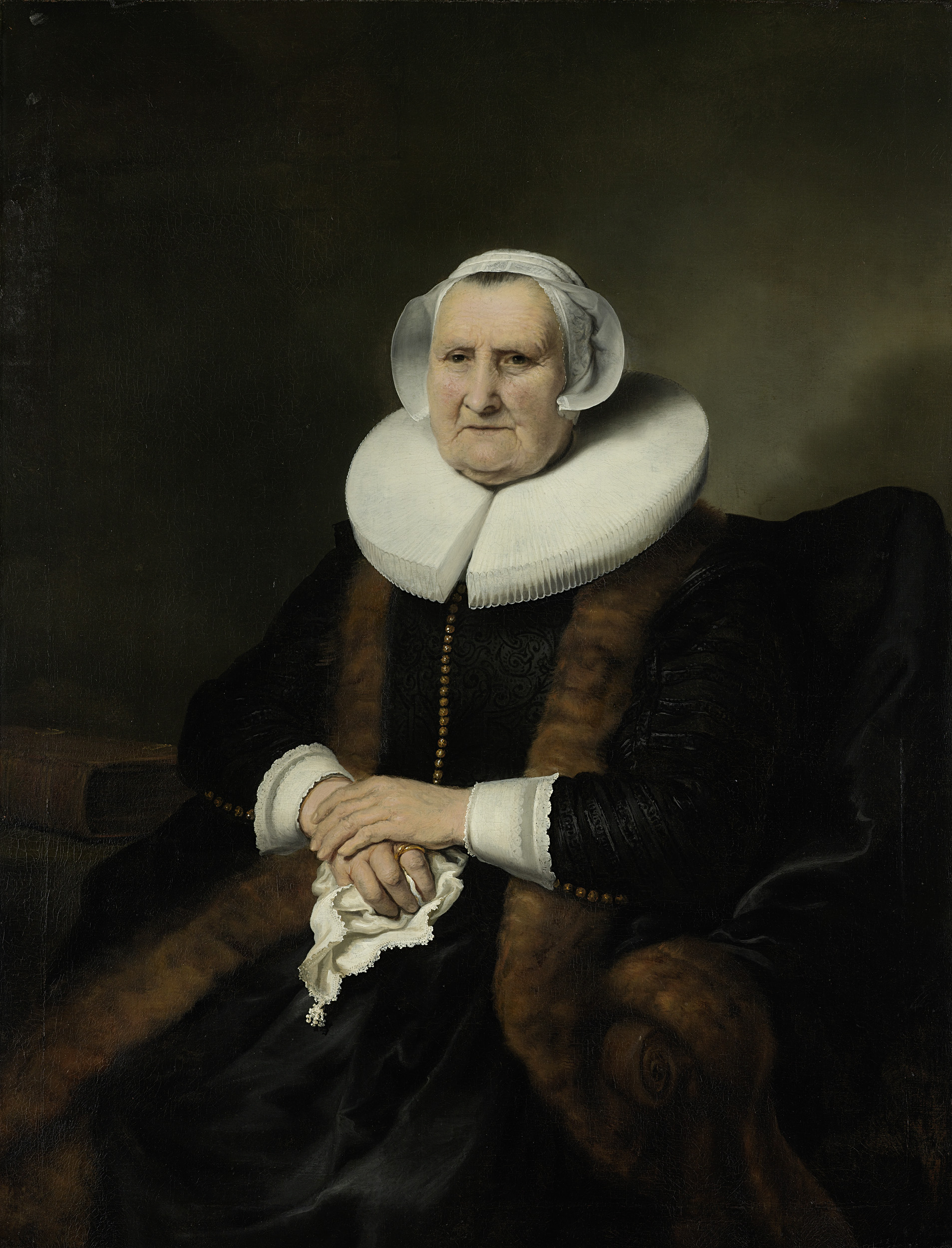
“Under the brush, chaos becomes grace.” In Portrait of a Woman, the artist beckons us to witness a moment that transcends the mere physicality of existence, immersing us in the intimate depth of the human spirit. This work inspires reflections on identity, femininity, and the inner strength hidden behind a calm façade. Look closely at the woman’s gaze, subtly directed off to the left, inviting intrigue and contemplation. Notice how the soft light caresses her features, illuminating her delicate, ethereal skin while casting gentle shadows that evoke a sense of depth and mystery.
The rich, warm hues of her attire contrast beautifully with the cool, muted background, creating a powerful dialogue between presence and absence, drawing the viewer into her world. Beneath the surface elegance lies a tapestry of contrasting emotions. The serene expression hints at strength, yet there’s a palpable tension in the way her hands rest—poised yet slightly clenched, conveying an underlying struggle. Bol’s adept handling of texture and light renders a figure both vulnerable and regal, a testament to the duality of femininity, where grace coexists with resilience.
This portrait becomes more than just an image; it encapsulates the complex realities of the time and the woman portrayed. Ferdinand Bol painted this work around 1653 during the Dutch Golden Age, a period marked by an explosion of artistic innovation and cultural richness. As a pupil of Rembrandt, Bol was deeply influenced by his mentor's techniques, yet he sought to carve his own path, engaging with themes of individuality and emotional depth that resonated in a rapidly changing society. At this time, portraiture was gaining immense popularity, both as a means of social status and an exploration of character, positioning Bol as a significant figure in this artistic evolution.