Hieronymus in een grot — History & Analysis
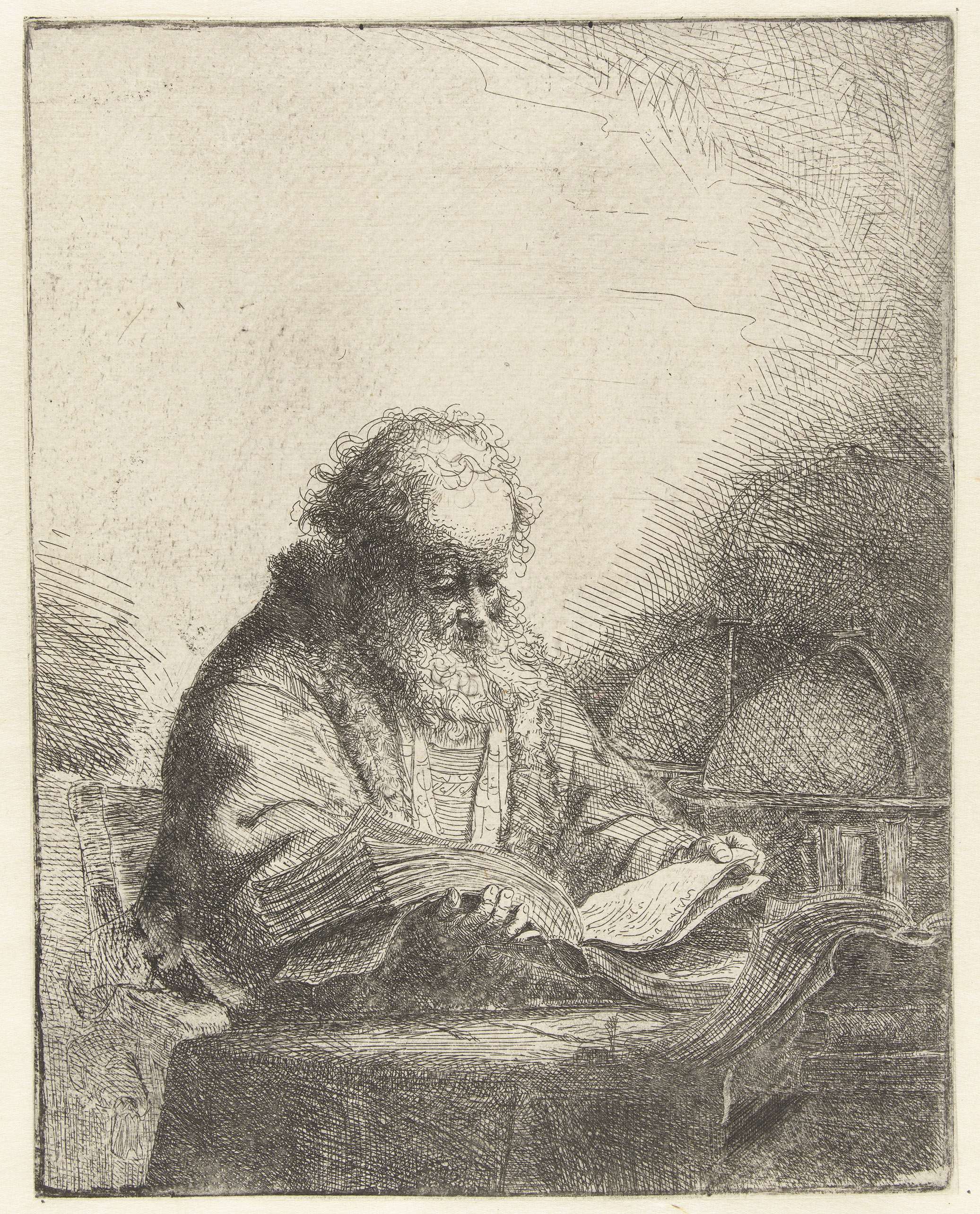
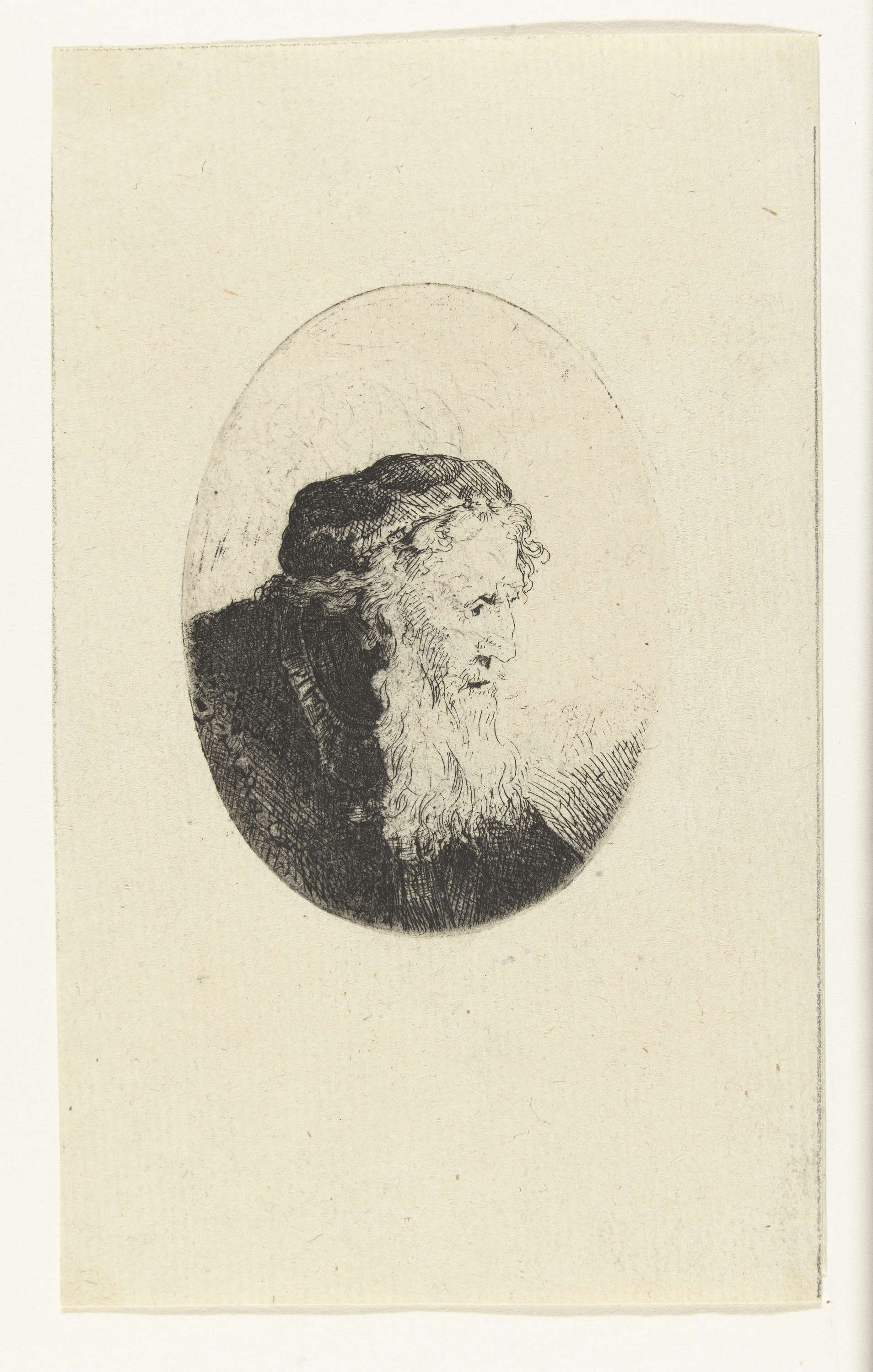
“Between color and silence, truth hides.” In the dim recess of an underground grotto, shadows dance, revealing the delicate interplay between light and obscurity. Here, the essence of solitude emerges, beckoning the viewer to delve into the depths of introspection. Focus first on the figure of Hieronymus, cloaked in rich, earthy tones that juxtapose the starkness of the cavern's stone. His visage is illuminated by a soft light that highlights the weariness etched upon his face, drawing your gaze to the scroll in his hand, a symbol of contemplation and wisdom.
Notice how the stark contrast between the shadows and the illuminated areas creates a sense of depth, inviting you to explore the intricate details of his surroundings, from the craggy stalactites above to the subtle textures of the rocky floor. At the heart of this piece lies a profound tension between enlightenment and isolation. The play of shadow not only conceals but also reveals, suggesting that knowledge comes at a cost. The materials and colors speak to the weight of Hieronymus' burden; the dark palette envelops him, yet the light that reaches him is a glimmer of hope, hinting at the spiritual journey undertaken in solitude.
This duality enhances the emotional resonance of the scene, leaving the viewer to ponder the balance of despair and enlightenment in the quest for truth. Created in 1644, this work emerged during a time of transition in the Dutch Golden Age, as Ferdinand Bol transitioned from Rembrandt's workshop into his own practice. While the art world experienced a surge in portraiture and genre scenes, Bol's decision to depict a contemplative figure in a cavern reflects a deep engagement with spiritual themes and introspection, marking a pivotal moment in his artistic evolution.