Filosoof — History & Analysis
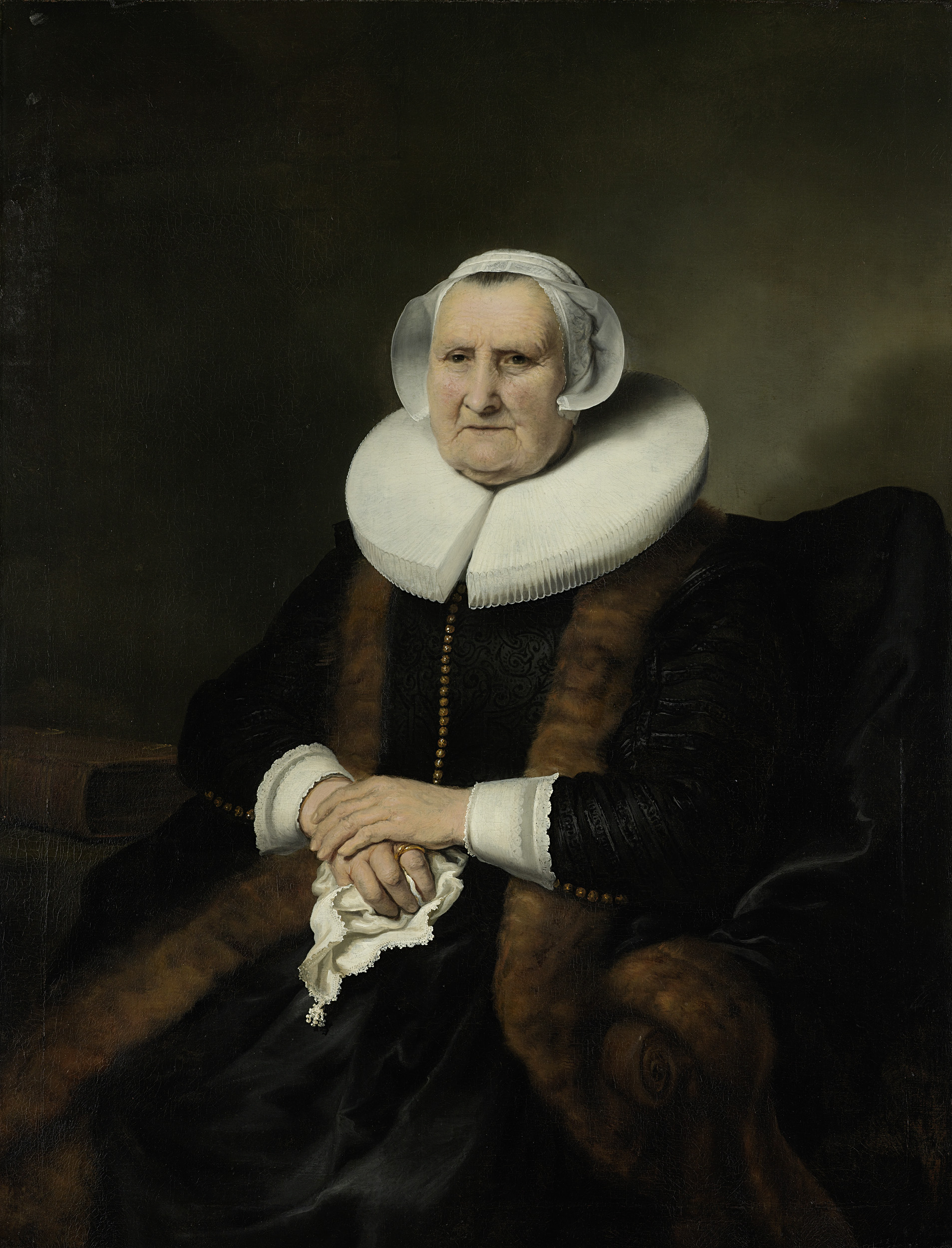
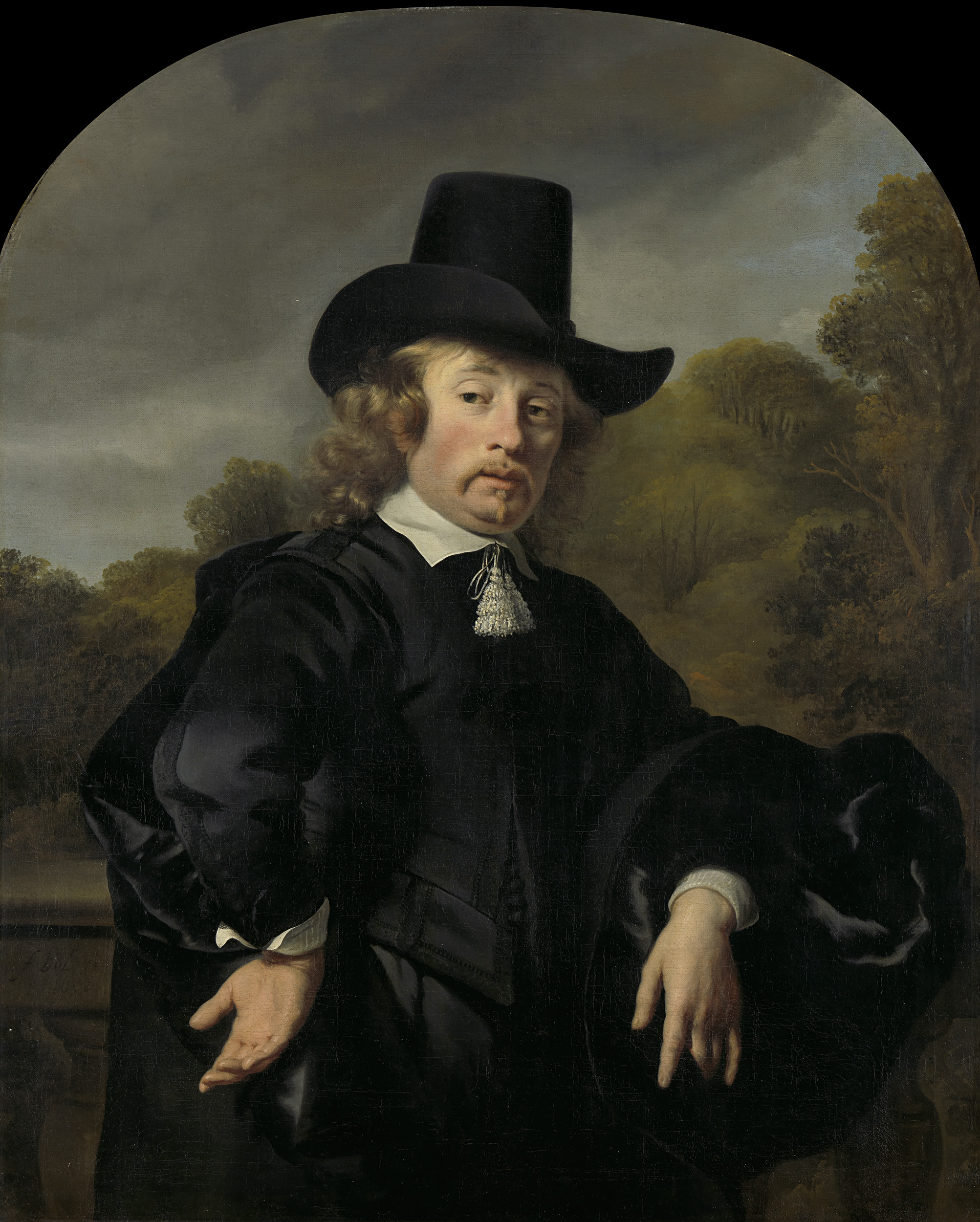
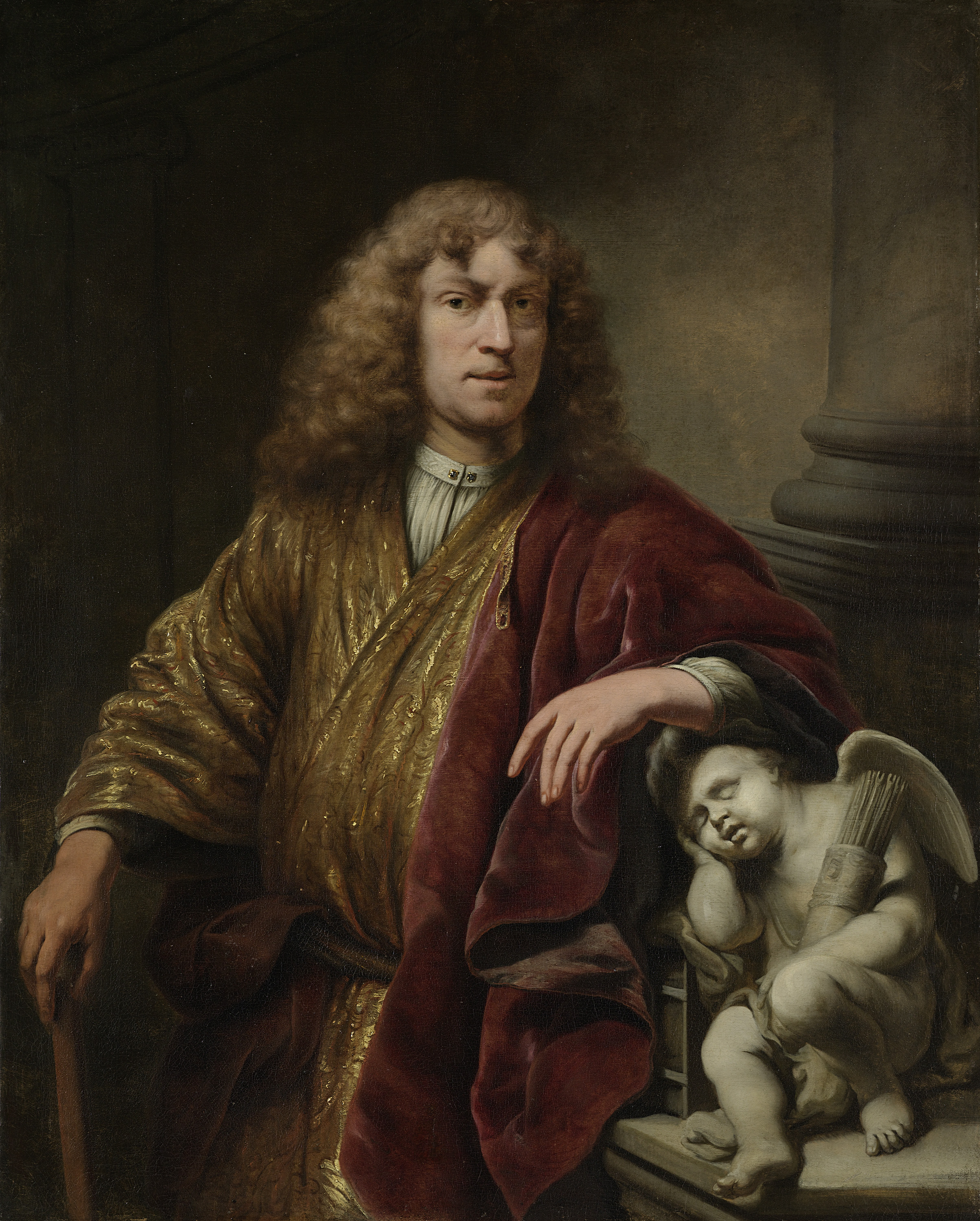
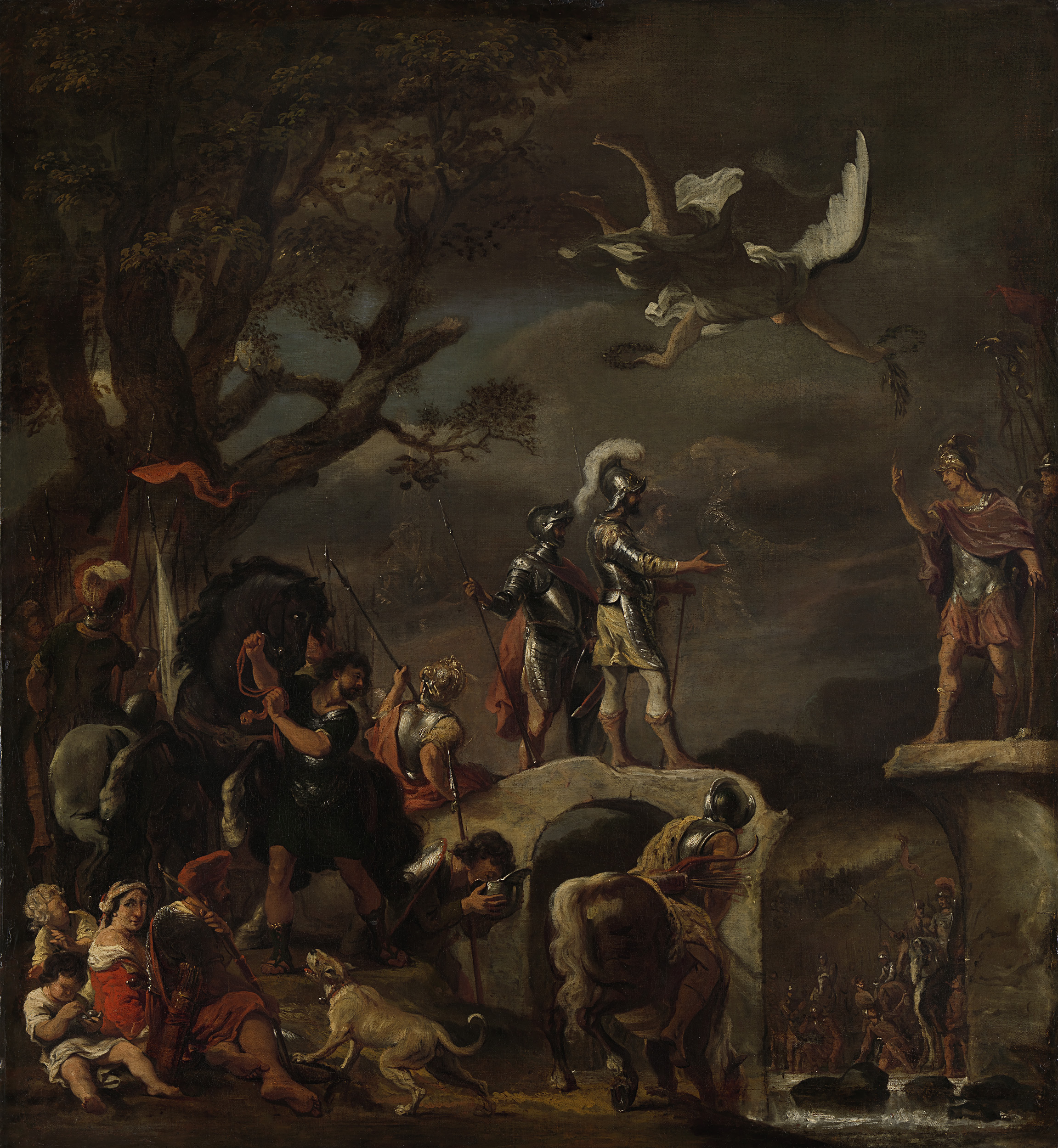
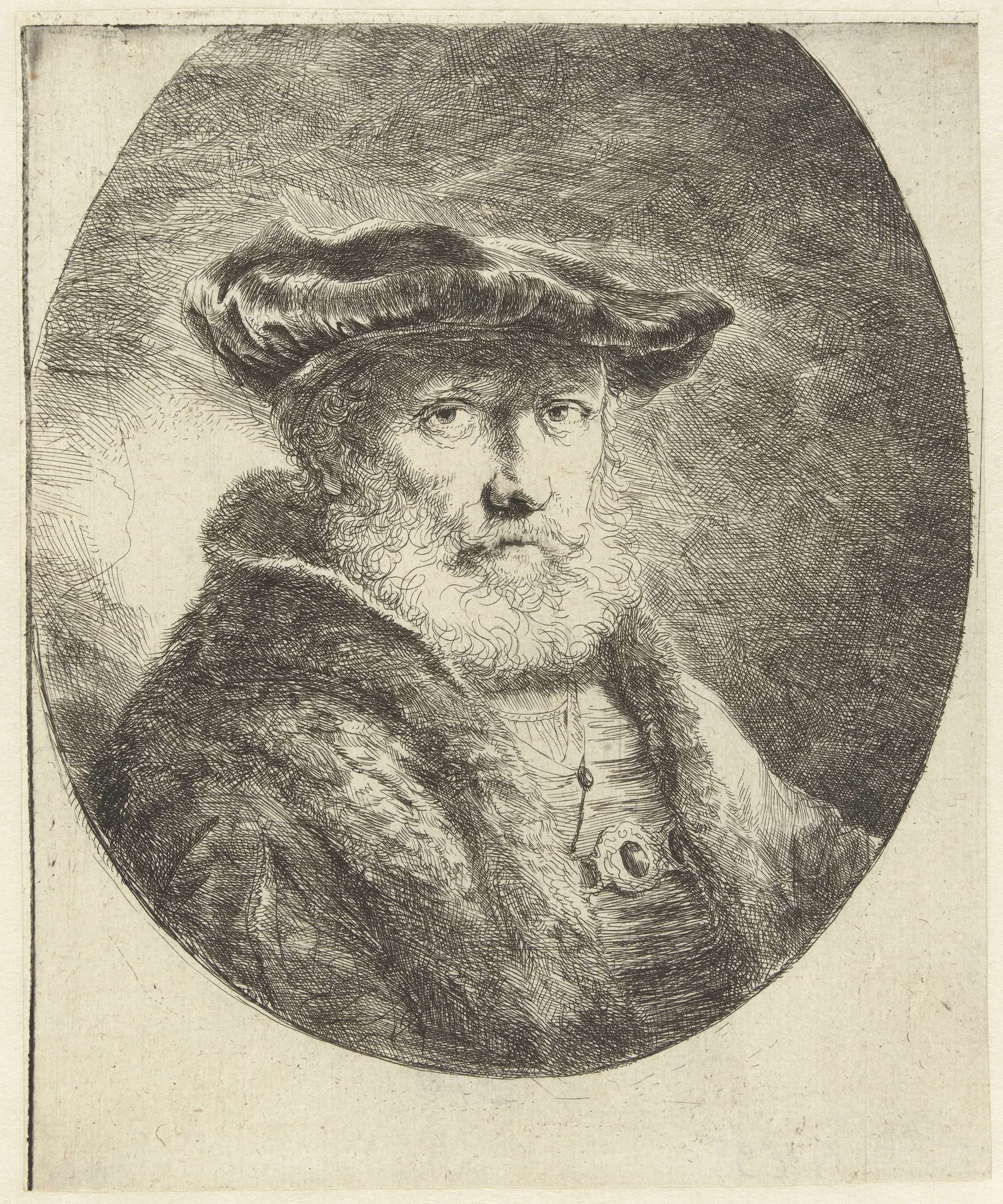
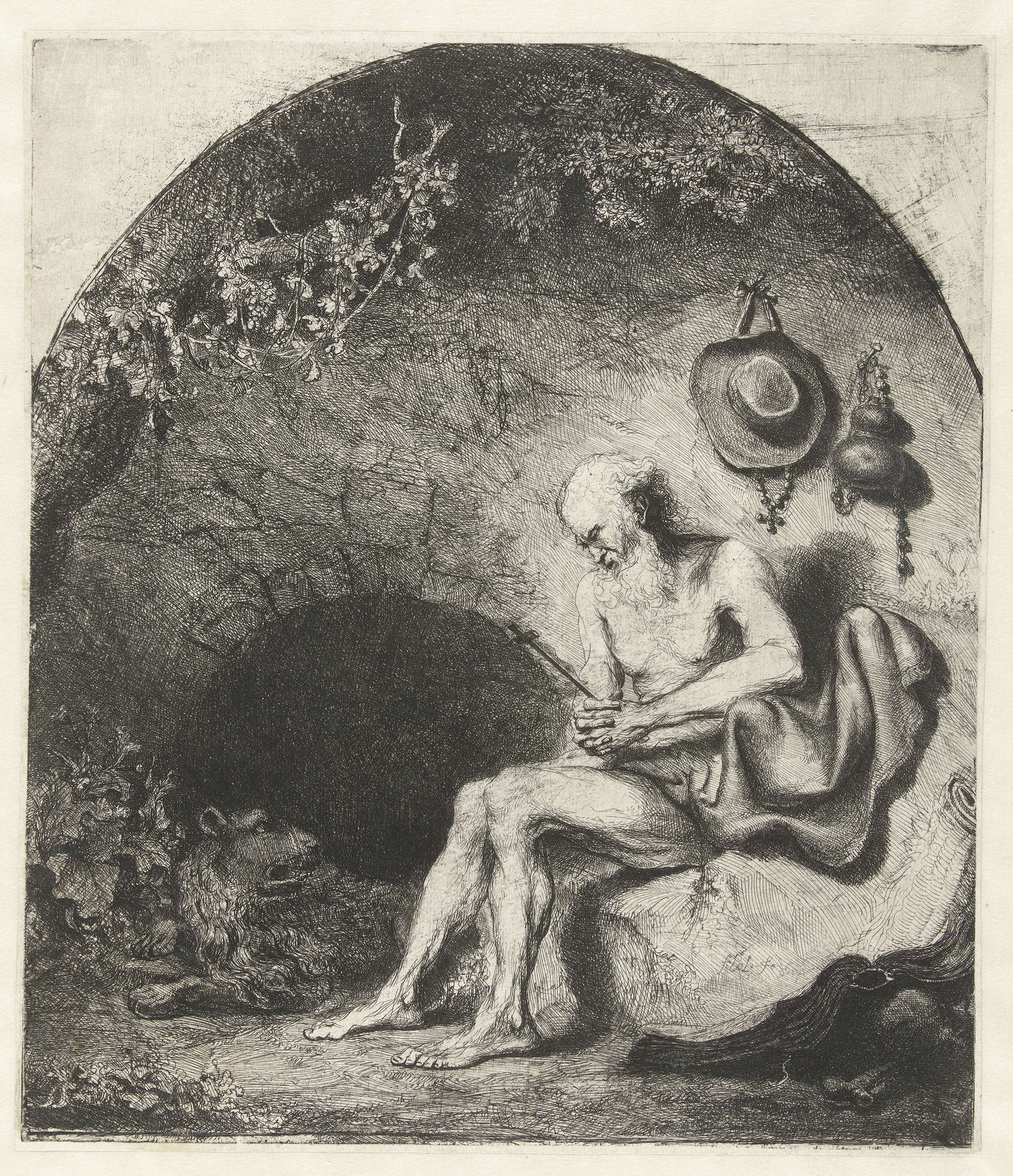
What if silence could speak through light? In Filosoof, it does, weaving a narrative of contemplation nestled within the gentle embrace of illumination. Look to the left at the figure, draped in rich fabrics, his expression a blend of intensity and serenity. Notice the subtle interplay of light and shadow that caresses his face, highlighting the deep furrows of thought while leaving the background shrouded in darkness.
The warm, golden tones of his attire contrast with the cooler hues that envelop the surroundings, drawing our gaze to the subject’s introspective presence, where silence feels palpable. The artist plays with balance here, both in composition and emotion. The scholar’s hand rests thoughtfully on an open book, symbolizing the pursuit of knowledge while his half-turned profile suggests an inward journey. The juxtaposition of the illuminated foreground and the dark, ambiguous background evokes a tension between enlightenment and obscurity, encouraging viewers to ponder the depths of wisdom that lie beyond the visible realm.
Ferdinand Bol painted Filosoof in 1642 during a time of burgeoning interest in scholarly pursuits in the Dutch Golden Age. This period was marked by a flourishing of the arts and sciences, and Bol, a former pupil of Rembrandt, was establishing his own identity as a master. The work reflects not only the intellectual climate of the era but also Bol's personal journey, as he sought to carve a niche that balanced his mentor's influence with his distinctive vision.